


French Candle Fixture
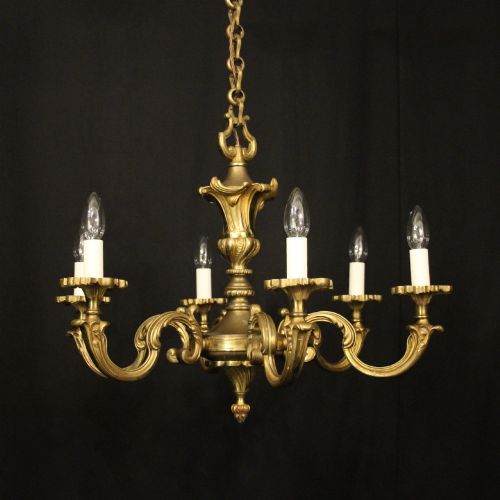
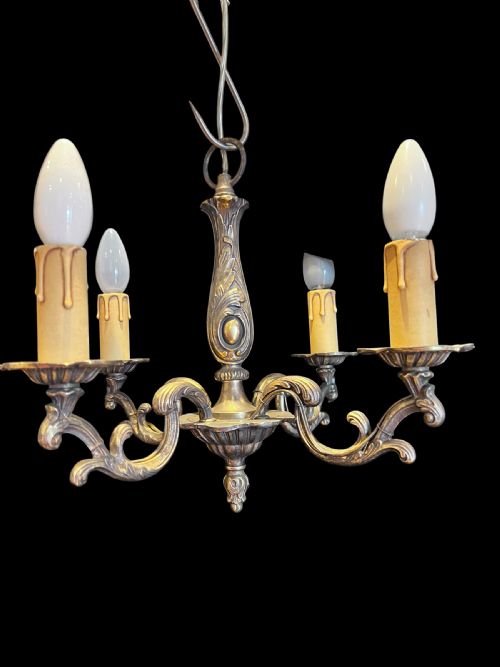
These French candle fixture designs bring historic illumination into a room, taking the form of elaborate chandeliers and sconces.
French Candle Fixture
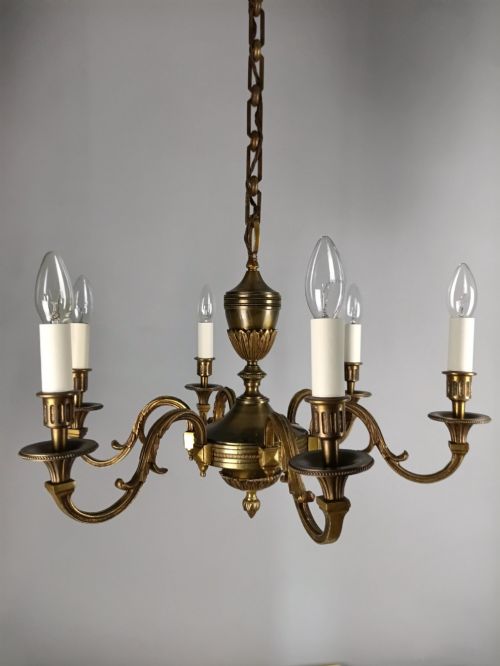
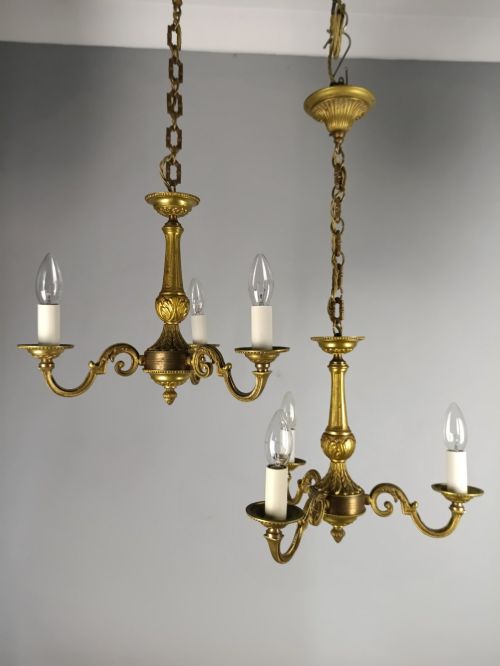
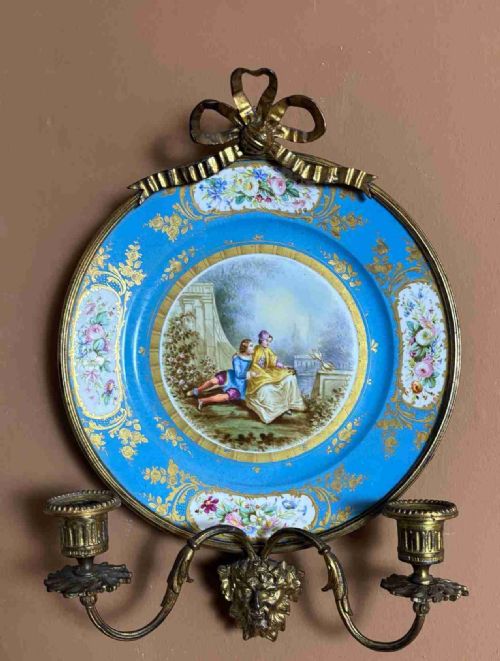
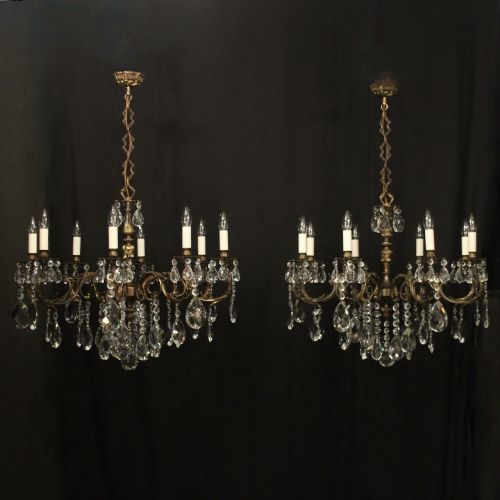
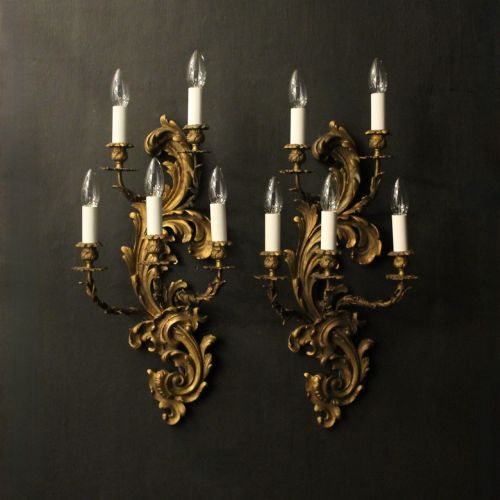
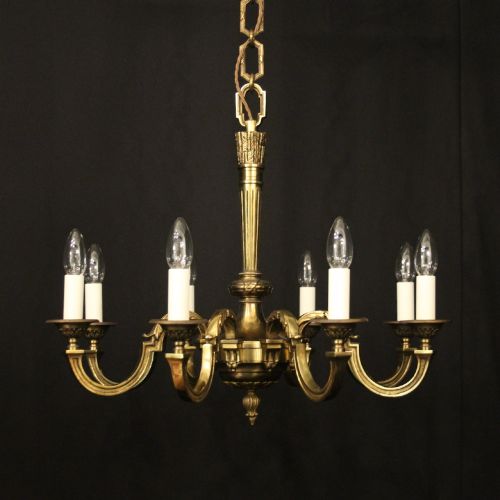
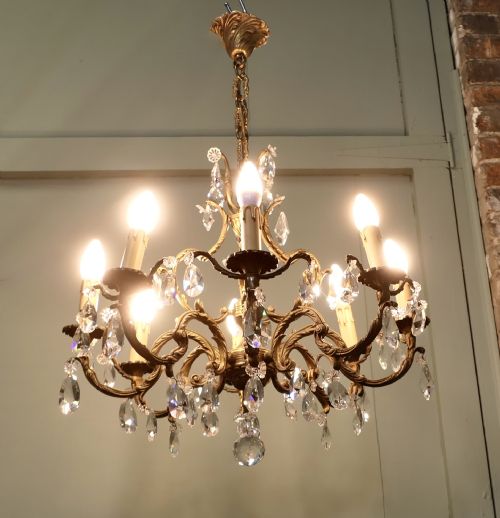
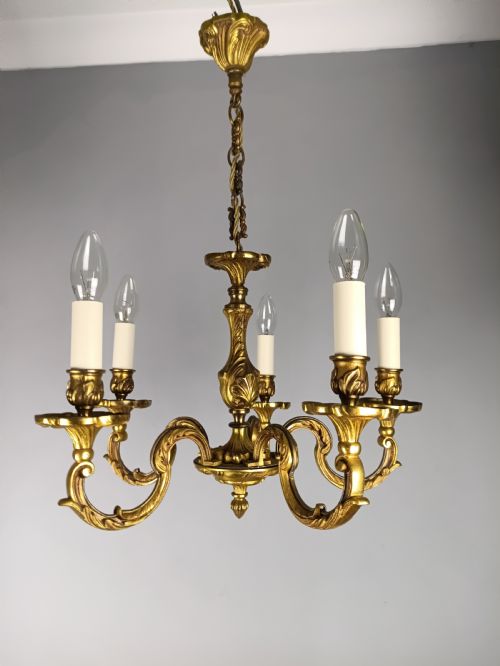
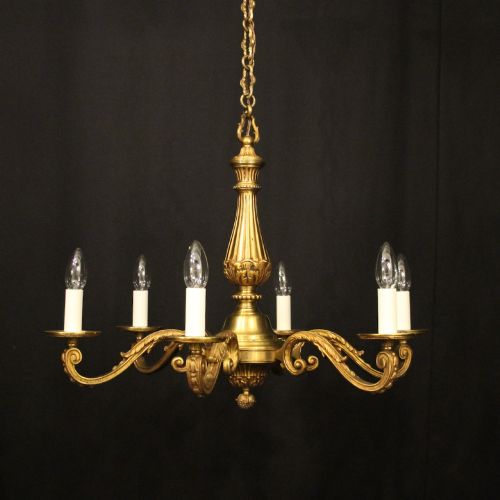
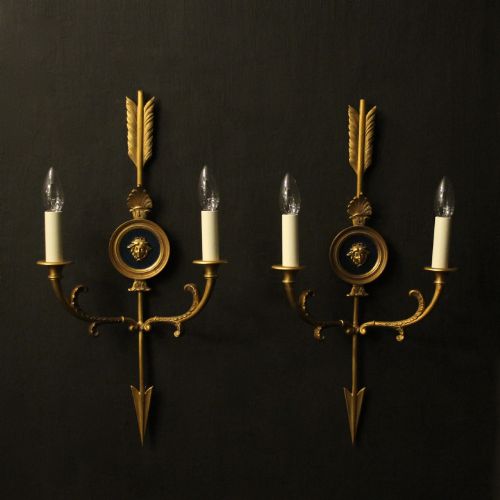
A french candle fixture is primarily encountered as a chandelier, wall light, or wall sconce spanning the nineteenth and early twentieth centuries. The selection ranges from compact twin arm wall sconces to multi light chandeliers holding up to twenty five lights.
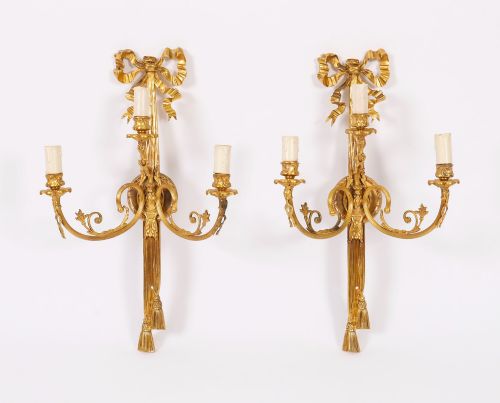
The dominant styles represented include French Rococo, Louis XVI, and Empire, drawing upon formal vocabulary from periods such as the mid nineteenth century and the 1920s and 1930s. Pieces frequently manifest as pairs or larger sets, particularly in wall lights.
Hanging lanterns and ceiling lights also appear within the selection, offering alternative configurations for hallways and reception spaces. These objects translate historic forms into functional lighting fixtures appropriate for contemporary interiors.
Materials and construction
Construction relies heavily on metals such as brass, bronze, and ormolu, often with gilded finishes applied to the surface. Heavier fixtures utilise cast bronze or brass frames, while others incorporate dark bronze or gilt brass components.
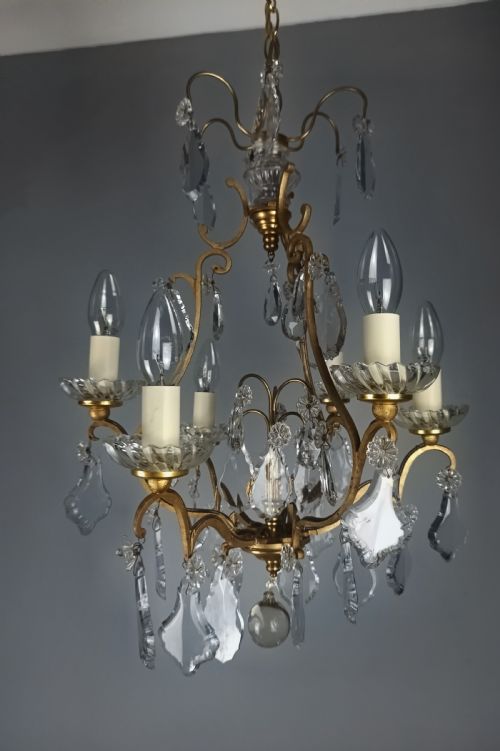
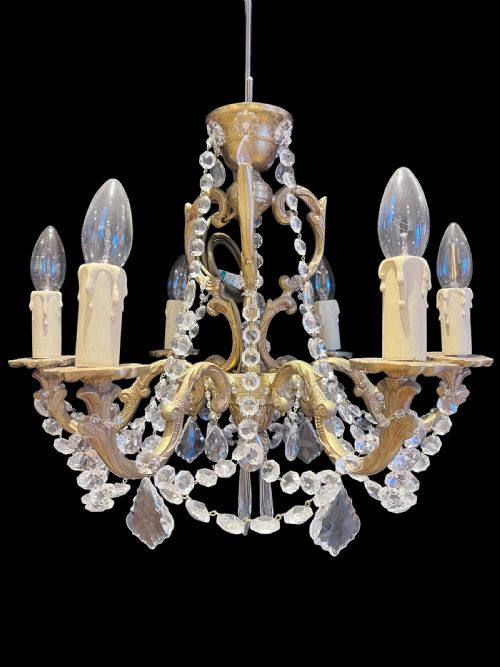
Many designs integrate crystal lustres, drops, and beadwork into birdcage chandeliers and wall lights. Glass elements and cut glass components complement the metallic structure, catching and refracting the light produced by multiple bulbs.
French Candle Fixture Retail Price Guide 2026
Typical asking prices for french candle fixture among the pieces listed under this phrase on Sellingantiques today, from the lower quarter to the upper quarter. They describe what is for sale here now, not the wider market.
The listings span periods from the nineteenth century through the 1930s, featuring brass, bronze, gilt finishes, and crystal elements.
Craftsmanship and detail
Quality separates objects by the crispness of the casting in the ormolu and gilded bronze mounts, where intricate ornamentation remains sharp and well defined. Superior examples show careful finishing on every arm and bobeche.
The integration of crystal elements also distinguishes pieces, with high grade items featuring hand cut lustres and substantial glass drops rather than simpler pressed components.
The French Candle Fixture Glossary
- Ormolu
- Gilded bronze, where a layer of gold amalgam is applied to a bronze base. This technique creates a rich metallic lustre seen on many nineteenth century pieces.
- Bobeche
- A drip pan situated below the candle holder or light socket. It catches melted wax on older designs and adds a decorative collar to the arm.
- Lustre
- A cut glass or crystal pendant suspended from a chandelier or wall light. Lustres refract light to increase the overall illumination of the room.
- Birdcage chandelier
- A form of chandelier featuring a central metal framework shaped like an avian cage, draped with strings of crystal beads.
- Applique
- A French term for a wall light or sconce attached directly to the vertical surface. These fixtures often match the decorative scheme of larger chandeliers.
French Candle Fixture: Frequently Asked Questions
How do I hang a heavy chandelier safely?
Installation requires securing the fixture directly into ceiling joists or using a rated structural hook capable of supporting the combined weight of the metal and crystal elements.
Professional electrical installation is recommended to handle the internal wiring of multi light fixtures safely.
Are these fixtures wired for modern use?
Many examples are prepared for contemporary electrical standards, allowing straightforward connection to standard household circuits.
Rewired fixtures retain their historical appearance while providing safe, everyday operation.
How do I clean crystal lustres?
Individual crystal drops and beads benefit from gentle cleaning with a mild soapy solution and warm water.
Careful drying with a soft cloth prevents water spots and restores the sparkle of the glass.
How do I identify Louis XVI style pieces?
Louis XVI style lighting is characterised by neoclassical restraint, featuring symmetrical forms, straight lines, and classical motifs like urns and swags.
This aesthetic contrasts with the more asymmetrical, curving organic forms of Rococo design.