



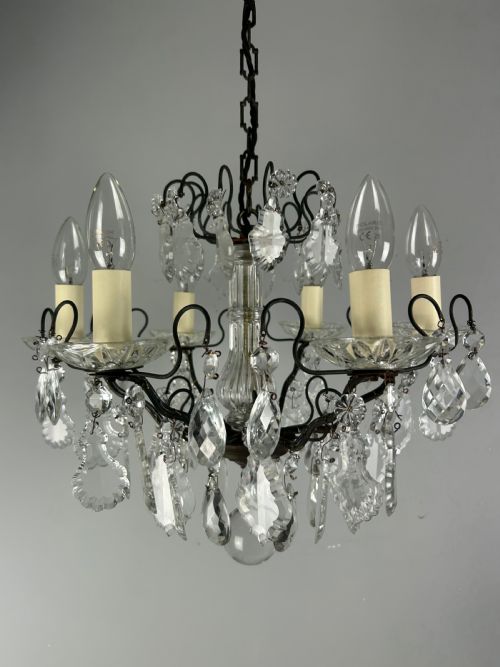

French Cage Light Fixture
A french cage light fixture brings interior spaces a layered brilliance through suspended crystal and metal frames.
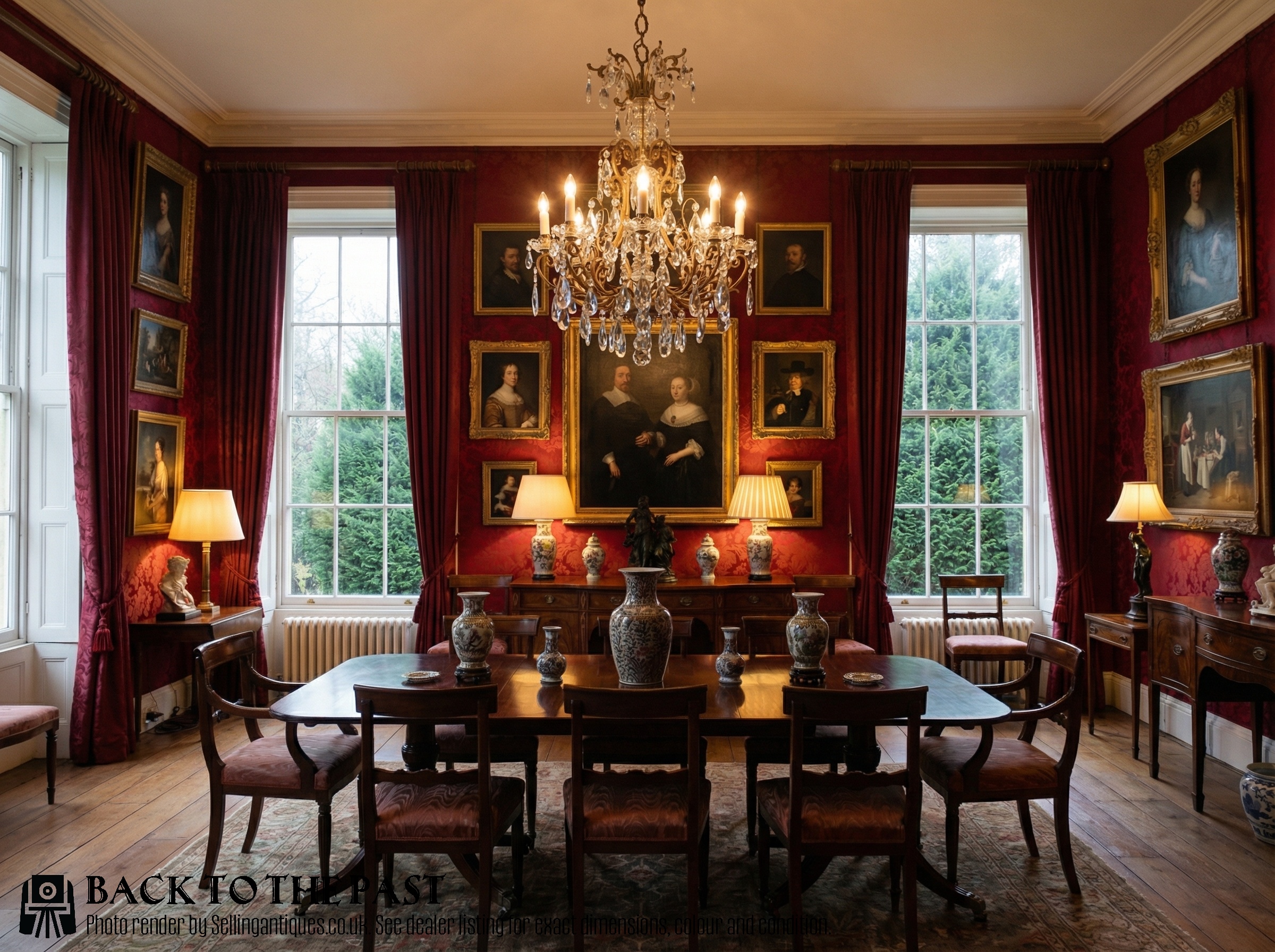
French Cage Light Fixture
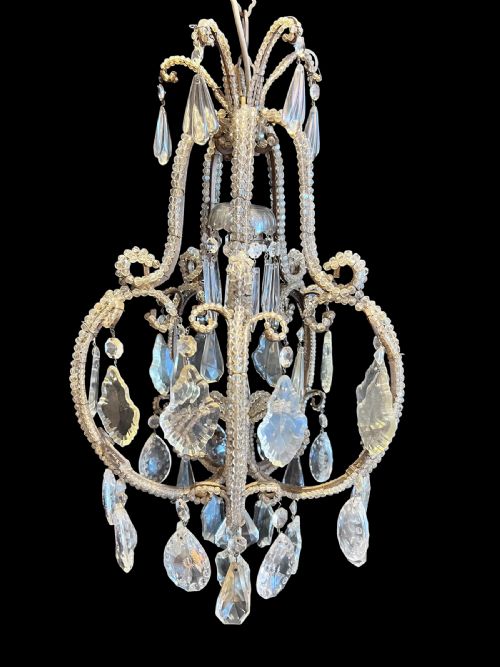
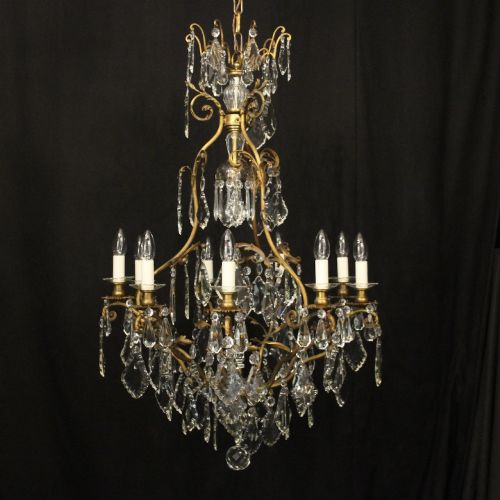
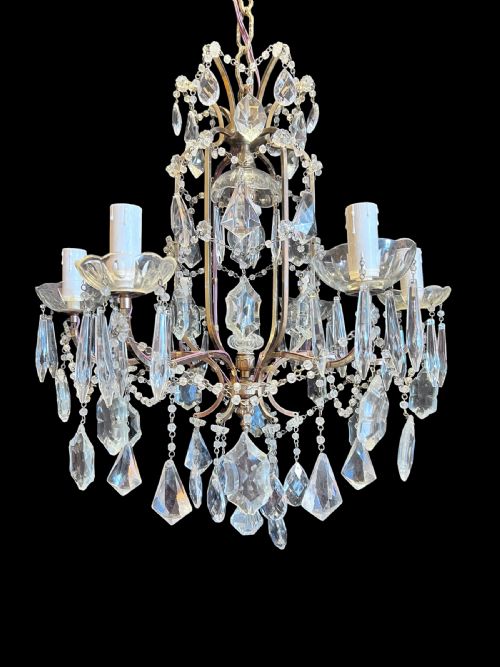
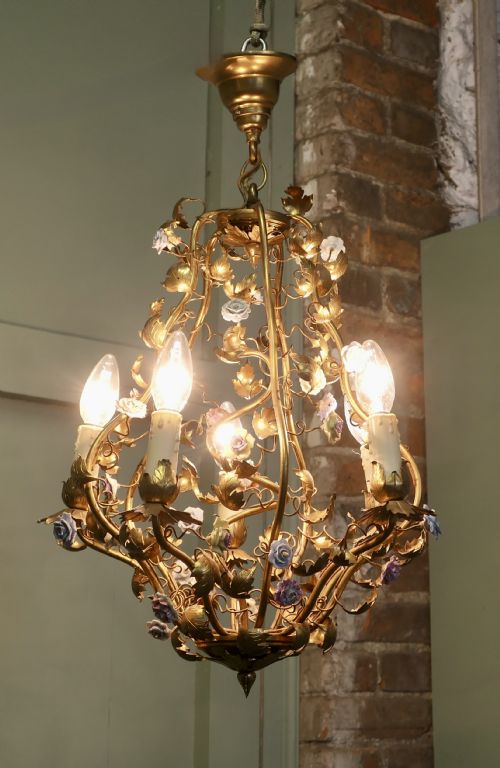
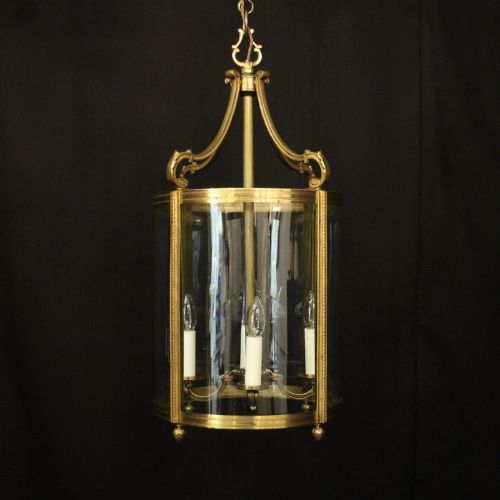
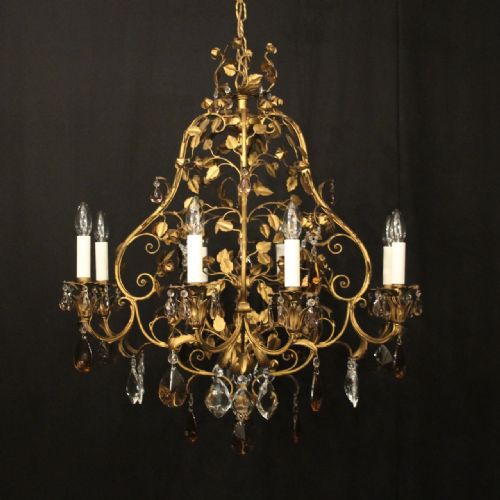
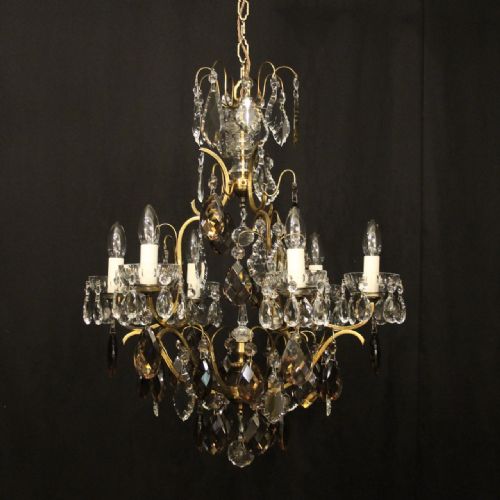
A french cage light fixture takes the form of chandeliers and ceiling lights constructed with structural metal frameworks that enclose or support interior bulbs and branching arms. Buyers searching this phrase meet variations spanning from the nineteenth century into the nineteen-thirties, reflecting regional aesthetics such as French Chateau and Italian Florentine designs.
The construction typically relies on brass, gilt metal, gilded bronze, or iron shaped into skeletal frames, often described as birdcages or open-cage forms. These pieces incorporate varying light counts ranging from single-bulb pendants to grand multi-arm configurations designed for substantial spaces.
Quality and craftsmanship
The standard of a fixture rests upon the density and cut of its crystal components alongside the weight and chasing of the metal frame. Finer examples display hand-finished gilded bronze or heavy brass armature paired with precision-cut glass drops that refract light with clarity.
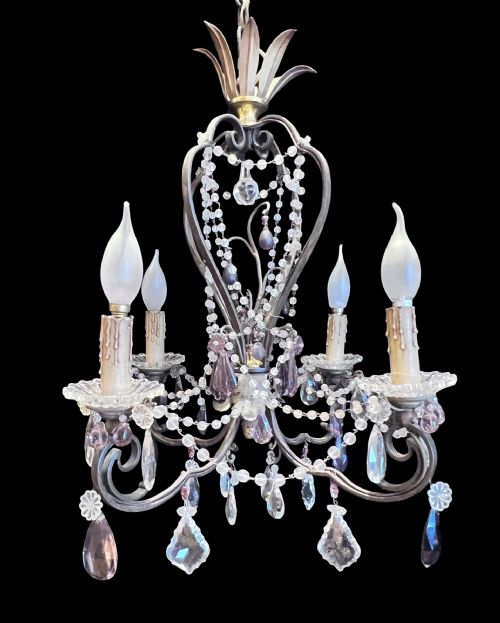
Subtleties in the assembly of the cage structure and the integration of decorative elements like toleware floral motifs or amethyst crystals distinguish more ambitious workshop productions from simpler utility pieces.
Recorded styles include French Rococo, Italian Florentine, and French Empire interpretations alongside simple birdcage designs.
La Mason Bagues
The French Cage Light Fixture Glossary
- Cage chandelier
- A ceiling-hung light fixture featuring a skeletal metal frame enclosing internal lights, often wrapped in crystal garlands and drops. This format originated in earlier lighting designs to centralise illumination.
- Gilded bronze
- Metal alloy treated with a thin layer of gold leaf or gold-wash finish. It provides a durable, warm metallic surface popular in high-end period light fittings.
- Toleware
- Painted or lacquered metalware used for decorative elements such as floral clusters or leaves. It introduces colourful botanical motifs to the metal framework.
- Prism
- A cut-glass pendant designed to refract light into spectral colours. These components hang from the metal arms and hoops of the fixture.
- Florentine style
- An ornamental design tradition originating in Italy characterised by gilt woodwork, open scrollwork, and organic motifs. It appears frequently in regional lighting variations.
French Cage Light Fixture: Frequently Asked Questions
What is a cage chandelier?
A cage chandelier is a lighting fixture built around a metal framework that resembles an open cage or birdcage. This structure supports numerous crystal drops and multiple branching lights.
Such fixtures hang centrally from ceilings to illuminate principal rooms, distributing light through suspended glass elements.
How do I hang a heavy brass fixture safely?
Hanging these heavier metal and crystal light fittings requires securing the ceiling rose directly to a structural timber joist or heavy-duty ceiling anchor. Professional electrical and structural installation is necessary to bear the combined weight of bronze, brass, and glass.
Height placement should position the base of the fixture clear of head height while ensuring proper illumination over room centres or dining tables.
How are different periods identified?
Dating relies on observing the metallurgy, framing style, and cut of the glass drops across nineteenth and early twentieth-century examples. Earlier nineteenth-century pieces often feature heavier gilded bronze and hand-cut crystal, while later nineteen-thirties variations incorporate different brass treatments and structural forms.
Details like toleware floral additions and specific dark brass finishes help assign pieces to particular decades.
How do I clean crystal drops?
Cleaning crystal elements involves removing the glass drops individually or wiping them in place with a mild cleaning solution and a soft cloth. Care must be taken to protect the surrounding metal gilding and old wiring from excess moisture.
Regular dusting maintains the reflective brilliance of the cut glass without risking the structural integrity of the hanging pins.