







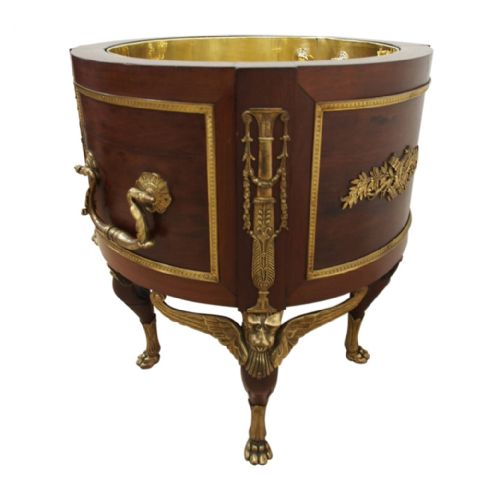


French Cachepot
These French cachepot pieces bring interior greenery to life with traditional botanical charm.
French Cachepot
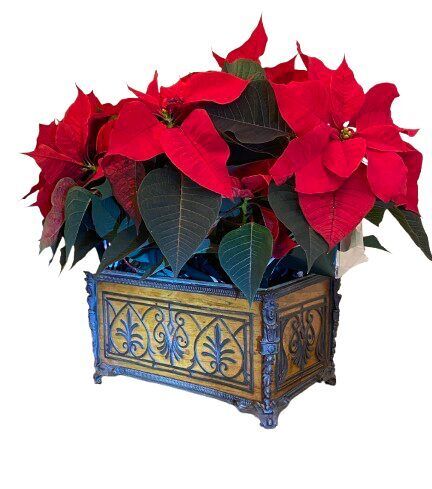
A French cachepot sits at the intersection of horticulture and interior display, serving as a decorative vessel designed to conceal an ordinary plant pot. When exploring this selection, buyers frequently encounter ceramic, porcelain, and metallic planters shaped to house flowers or foliage safely within domestic rooms.
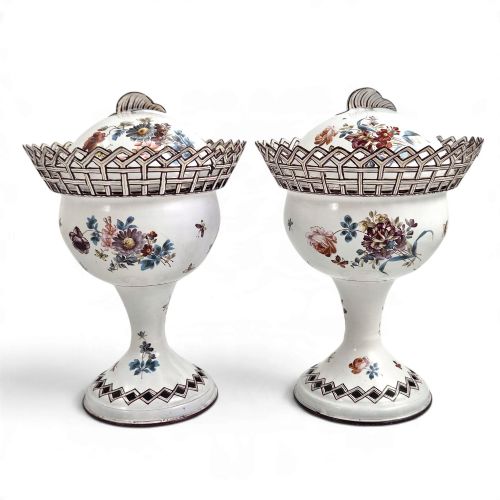
The objects span multiple historic eras, from eighteenth-century examples to pieces created during the Victorian and Edwardian periods. Stylistic influences vary widely, incorporating French Empire, Napoleon III, Louis XVI Revival, and Aesthetic Movement designs alongside rustic country house interpretations.
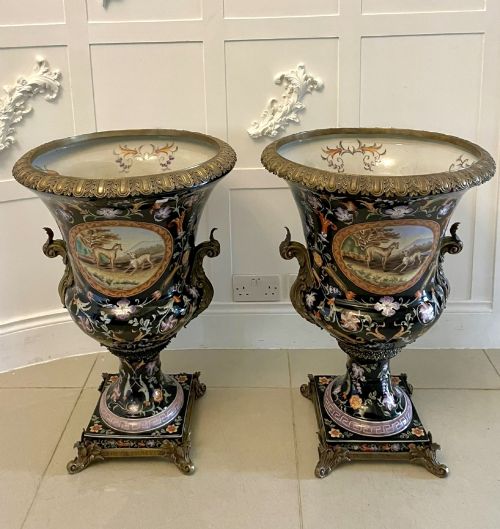
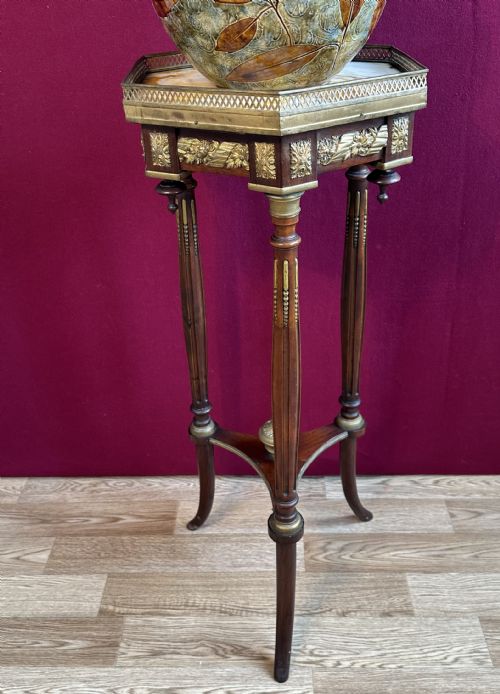
Vessels appear in various forms, including traditional jardinières, plant stands, and specialised containers like orange pots. Materials range from hand-painted porcelain and Nevers faience to carved mahogany, olive wood, giltwood, brass, bronze, and ormolu.
Distinctions in quality
Superior examples demonstrate meticulous attention to detail in their surface ornamentation, whether through finely executed hand-painted ceramic motifs or precisely cast bronze and ormolu mounts. The integration of materials, such as the seamless fit between porcelain bodies and brass rims, marks the difference between standard production and exceptional craftsmanship.
The depth and clarity of decorative techniques, including repoussé work on copper or cloisonné enamel detailing, separate ambitious artistic creations from simpler utilitarian items.
French Cachepot Retail Price Guide 2026
Typical asking prices for french cachepot among the pieces listed under this phrase on Sellingantiques today, from the lower quarter to the upper quarter. They describe what is for sale here now, not the wider market.
Several vessels feature sculpted bronze lions, standing guard over indoor ferns with unyielding nineteenth-century dignity.
The French Cachepot Glossary
- Cachepot
- A decorative flowerpot designed to hold and conceal a plain inner plant pot. The term translates literally from French as hiding pot.
- Jardinière
- A decorative stand or large container for holding plants or flowers. These items often feature ornate handles or footed bases.
- Ormolu
- Gilt bronze ornamentation applied to furniture, clocks, and decorative vessels. The technique involves a mercury gilding process popular in luxury manufacturing.
- Repoussé
- A metalworking technique where a design is hammered into relief from the reverse side. This method creates textured surface patterns on copper and brass vessels.
- Faience
- Tinned-glazed earthenware produced in Europe, particularly associated with historic French pottery centres like Nevers. It provides a smooth white background for painted decoration.
French Cachepot: Frequently Asked Questions
What is a French cachepot used for?
These vessels were traditionally utilised indoors to hold potted plants and flowers, protecting furniture surfaces from water drainage while adding decorative elegance to a room.
Today, they serve a similar purpose in interior styling, functioning as standalone decorative objects or housing modern house plants.
How do I care for antique planters?
Protect the interior surfaces by placing a waterproof liner inside the vessel rather than planting directly into the historic container. Dust wooden and metallic components gently with a dry cloth and avoid harsh chemical cleaners.
Keep ceramic and porcelain pieces away from areas prone to extreme temperature fluctuations to preserve the glaze.
How can I identify the period?
Dating relies on observing stylistic markers, such as the heavy mounts of nineteenth-century Empire Revival pieces or the distinct glazing of eighteenth-century faience. Construction methods, including the type of metal casting or wood joinery, also offer clues to the era of manufacture.
Comparing the decorative motifs against documented styles like the Aesthetic Movement helps narrow down the timeframe.
Where were these pieces displayed?
Historic interiors featured these containers on windowsills, console tables, and dedicated plant stands within formal reception rooms or conservatories. They brought natural elements inside grand townhouses and country estates alike.
Their placement was designed to catch natural light and complement the surrounding architectural style.