
French Bureau Desk
A french bureau desk brings classical continental elegance and functional writing space to a room, drawing collectors through refined marquetry and gilt mounts.
French Bureau Desk
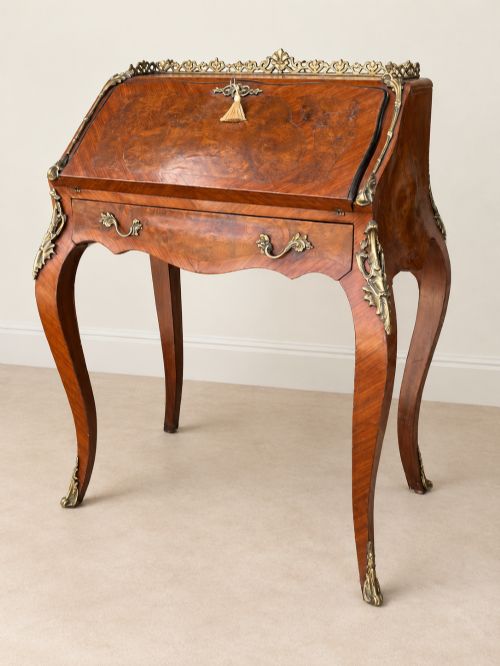
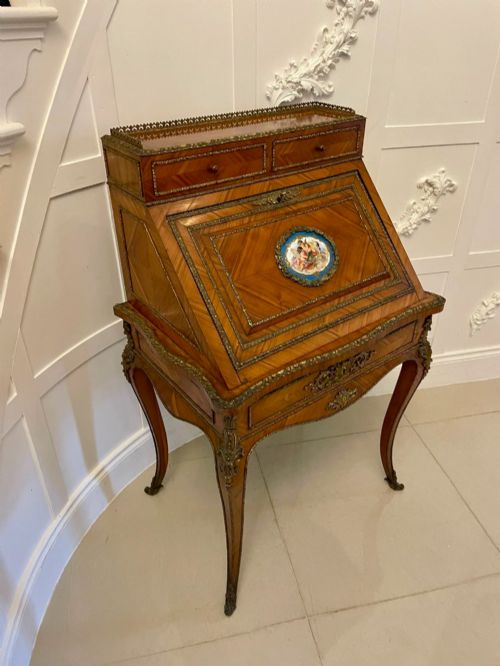
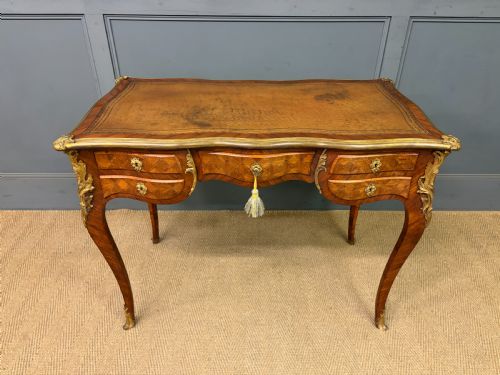
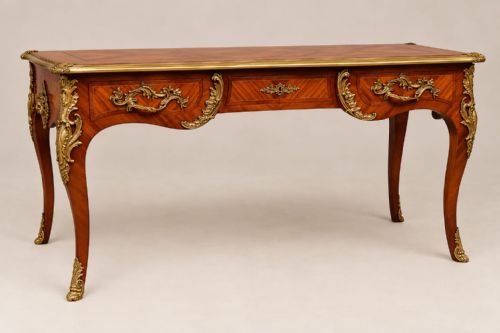
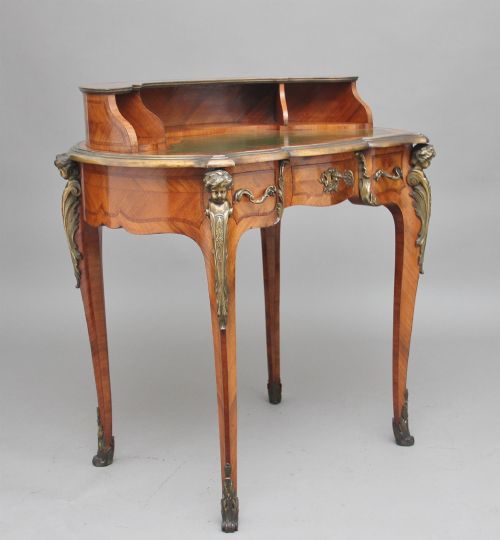
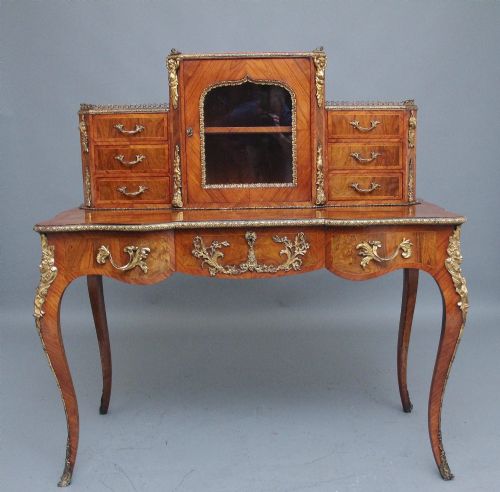
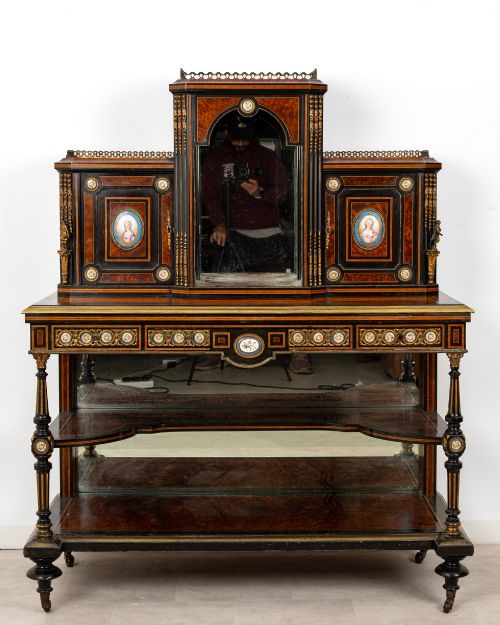
When buyers search for a french bureau desk, they encounter an array of sophisticated writing furniture spanning the nineteenth century and revival periods. The selections range from compact bureau de dame pieces to expansive bureau plat writing tables designed to stand freely in a room.
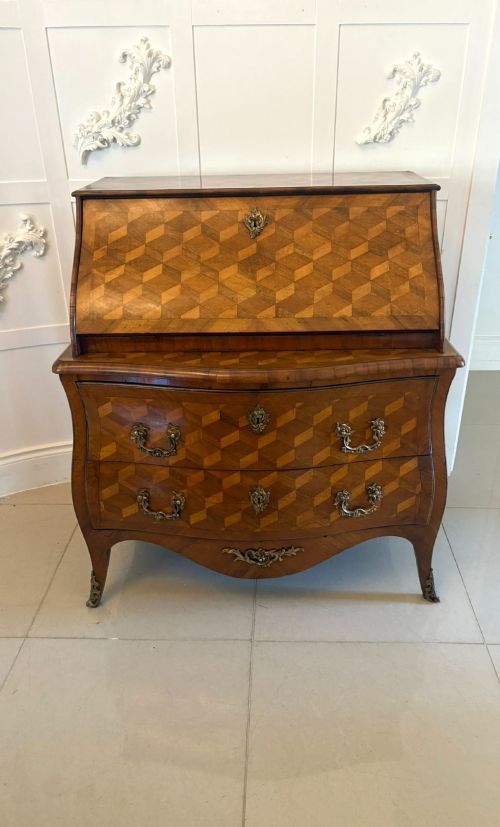
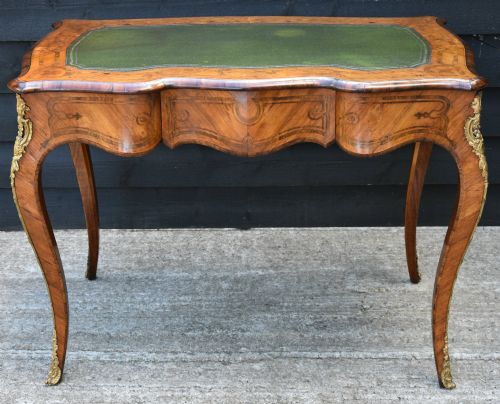
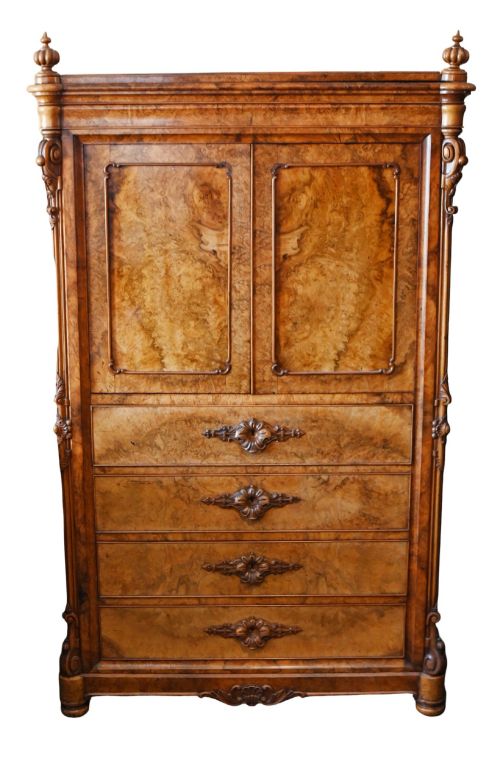
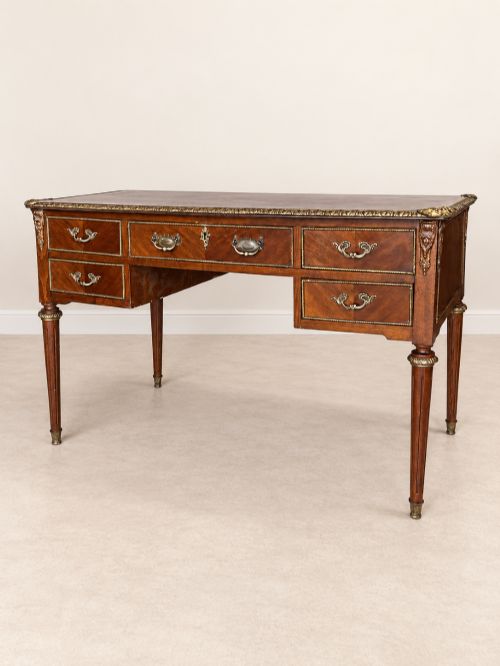
The primary forms include the slope-front secretaire abattant, the cylinder desk, and the flat-topped bureau plat often fitted with drawers. Many examples reflect the influence of Louis XV and Louis XVI revivals, displaying serpentine outlines and rich decorative detail.
These items originate predominantly from nineteenth-century workshops, though Victorian interpretations and later nineteenth-century productions appear frequently. Each form serves the dual purpose of a functional writing desk and an ornamental centrepiece.
How They Were Made
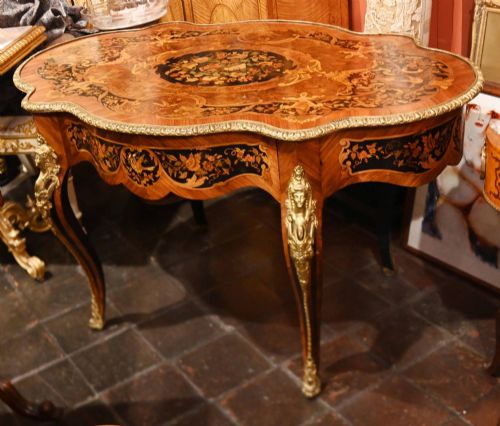
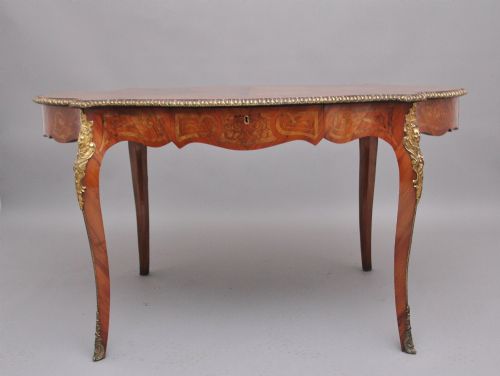
Cabinet makers utilised dense hardwoods such as kingwood, rosewood, walnut, and mahogany as the structural foundation for these pieces. Surfaces were frequently embellished with intricate marquetry and geometric parquetry patterns arranged in floral or pictorial motifs.
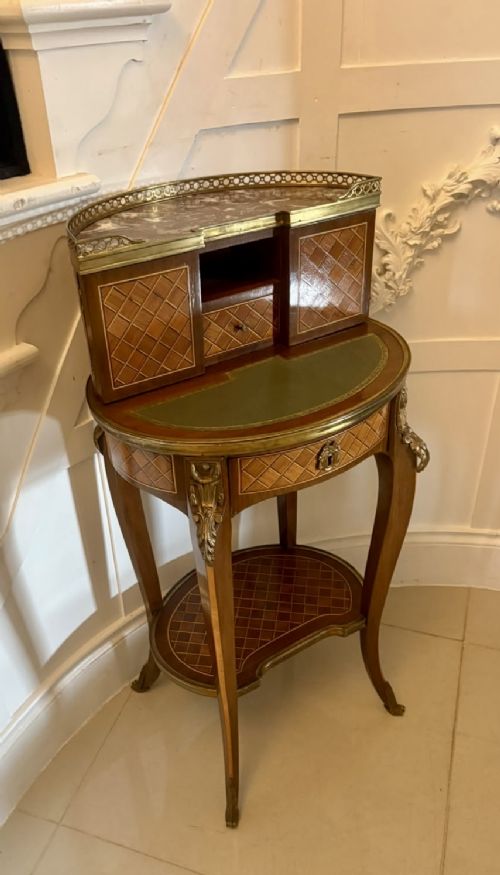
Mounts cast in ormolu and gilt bronze provide structural accentuation along corners, legs, and aprons, reflecting high standards of foundry work. Leather inset panels often form the writing surfaces of bureau plat desks, whilst marble tops appear on select secretaire cabinets.
Secret compartments hidden behind dummy drawer fronts offer a place to store private correspondence away from prying eyes.
What Varies in Quality
The distinction between standard production and top-tier craftsmanship lies in the execution of the decorative elements and the selection of veneers. Finer items feature crisper cast ormolu mounts, deeply chased detailing, and highly figured woods matched symmetrically across the surfaces.
Attribution to celebrated makers elevates an item, as does the retention of original components such as marble slabs, leather inserts, and internal secret drawers. The precision of the parquetry inlay and the fluidity of serpentine curves further separate ordinary furniture from exceptional examples.
JAS Shoolbred·Francois Linke·Edwards and Roberts·Paul Sormani·Maison Krieger·CH Jeanselme and Co·Durand
The French Bureau Desk Glossary
- Bureau Plat
- A freestanding writing table fitted with drawers along the frieze, lacking a superstructure. This form became popular during the eighteenth century and remained a staple of nineteenth-century revival styles.
- Secretaire Abattant
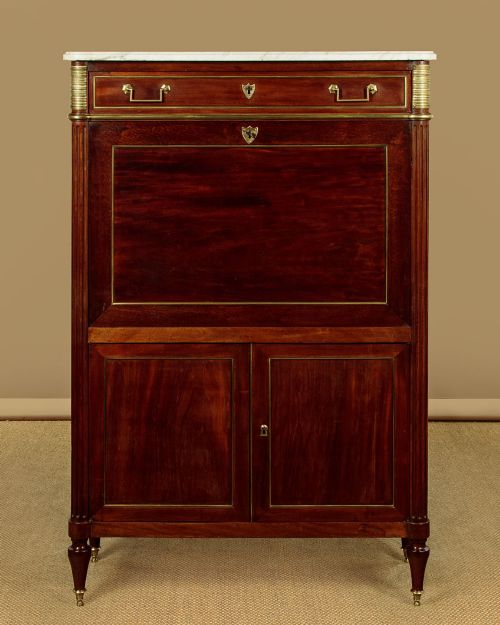
- A tall vertical cabinet featuring a drop-front writing flap that conceals a fitted interior of small drawers and pigeonholes. It provides enclosed storage while maintaining a compact footprint.
- Ormolu
- Gilt bronze mounts applied to furniture edges and legs for decorative effect. The quality of the chasing defines the definition of the cast metal.
- Marquetry
- The art of forming decorative patterns using thin veneers of different coloured woods. Craftsmen cut and fitted these pieces together to create elaborate floral or geometric designs.
- Bonheur-du-Jour
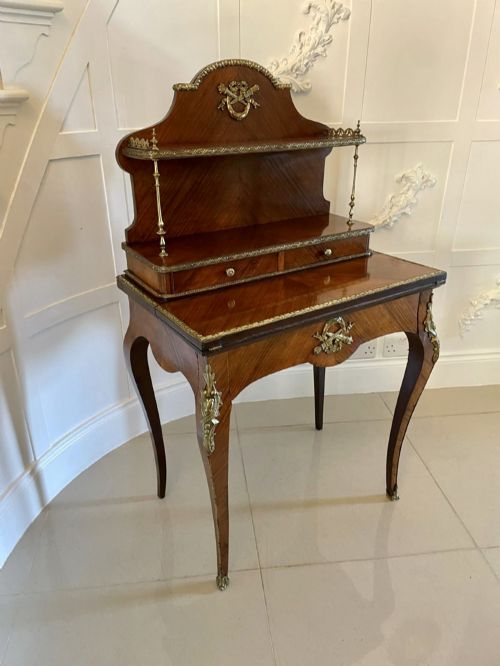
- A light ladies writing desk featuring a small superstructure of shelves, drawers, or a cabinet on the upper surface. This form emerged during the mid-eighteenth century and saw revivals in the Victorian era.
- Parquetry
- A geometric mosaic of wood pieces used for surface decoration. It differs from marquetry through its strict reliance on angular or repeating geometric shapes.
French Bureau Desk: Frequently Asked Questions
What is a bureau plat?
A bureau plat is a double-sided or single-sided writing table featuring a flat top, often inset with leather, and drawers built into the frieze. It is designed to stand in the middle of a room rather than against a wall.
These tables date extensively to the nineteenth century and display the cabriole legs and gilt bronze mounts characteristic of Louis XV and XVI revivals.
What distinguishes Louis XV and Louis XVI styles?
Louis XV style furniture is characterised by asymmetry, sweeping serpentine curves, and flowing rococo ornamentation. Cabriole legs and floral marquetry dominate this aesthetic.
In contrast, Louis XVI style embraces neoclassical symmetry, straight fluted legs, and geometric parquetry patterns inspired by ancient architectural motifs.
Are marble tops original on these desks?
Marble tops frequently appear on secretaire abattant cabinets and certain writing tables from the nineteenth century. White or veined marble slabs were inset into the wooden carcase to provide a durable, elegant surface.
Original marble tops fit flush within the moulded wooden borders and show matching age wear to the underside edges.