



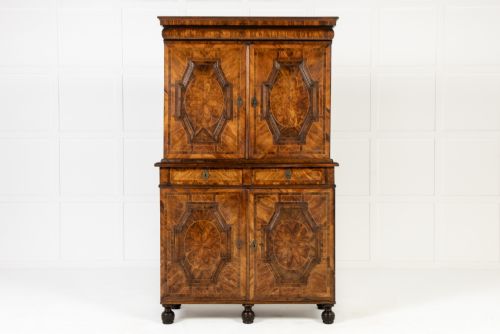

French Buffet Furniture
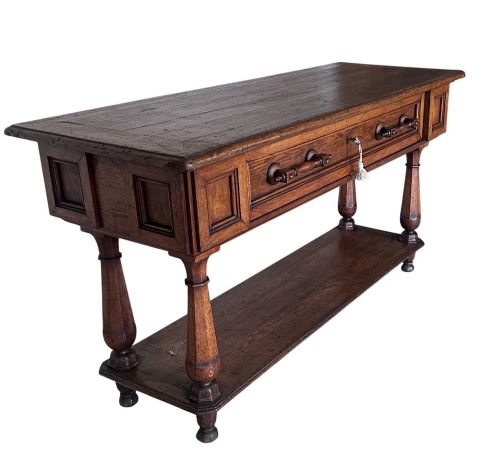
French buffet furniture brings substantial timber storage and provincial character into a room, offering sturdy utility paired with centuries of regional design.
French Buffet Furniture
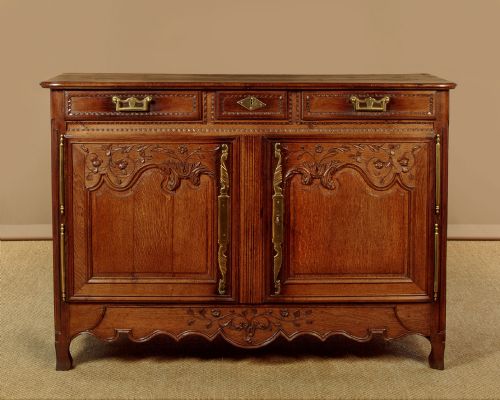
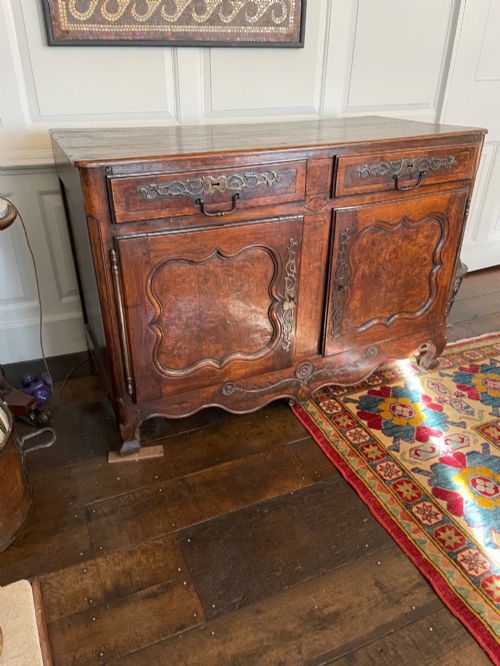
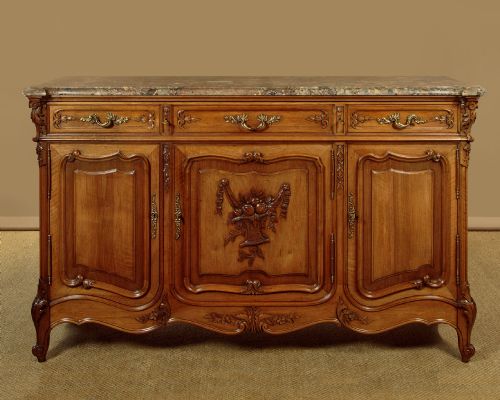
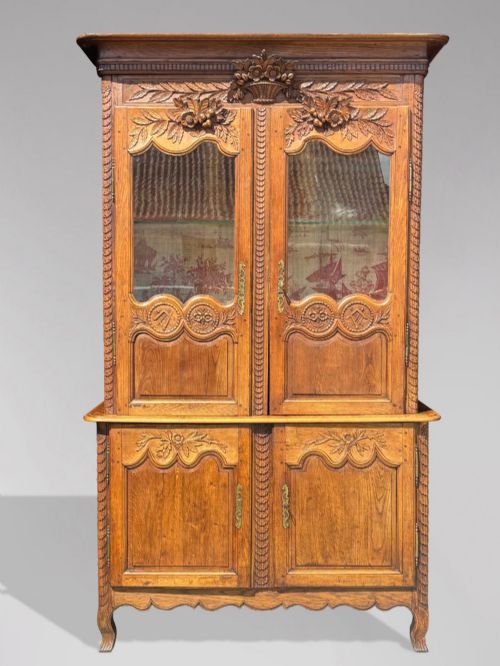
French buffet furniture encompasses sturdy timber storage pieces, ranging from provincial oak cupboards and two-part cabinets to marble-topped sideboards and serving tables. When searching for french buffet furniture, buyers encounter robust storage solutions designed for dining rooms, hallways, and living spaces.
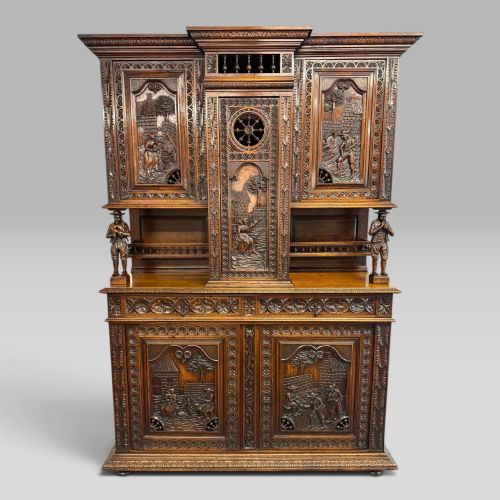
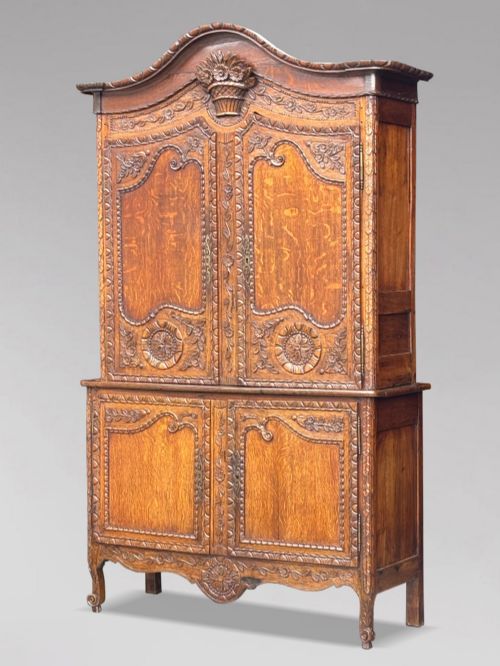
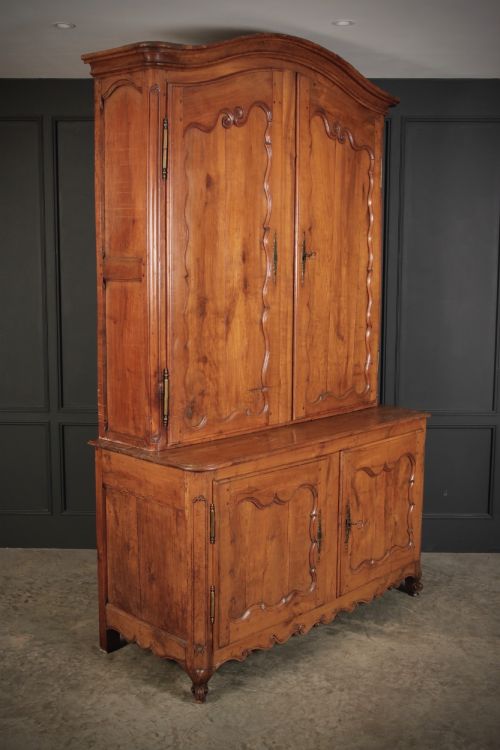
The selections span several centuries, with particular emphasis on regional forms such as the buffet deux corps and housekeeper's cupboards. Oak and walnut dominate the offerings, alongside cherry wood, chestnut, and cedarwood.
Regional variations display distinct decorative approaches, moving from rustic harvest tables to elaborate revival styles influenced by Louis movements and the Renaissance. These pieces serve both practical storage needs and display functions within domestic interiors.
Materials and Construction
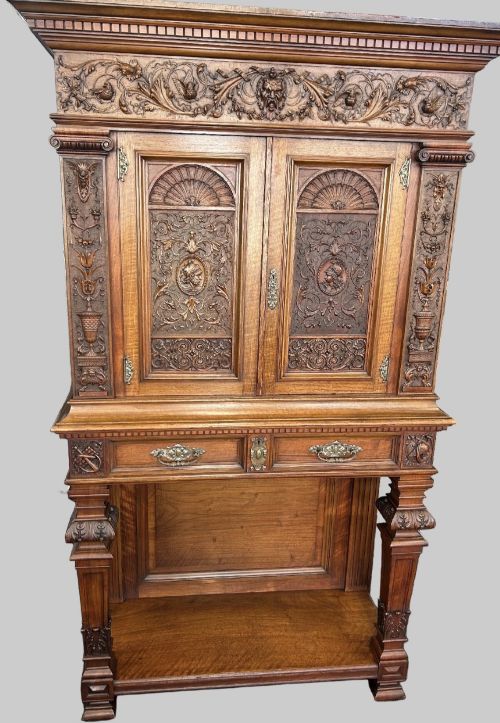
Cabinet makers utilised dense hardwoods including oak, walnut, cherry wood, and chestnut to build durable frames capable of supporting heavy use and decorative carving. Panels were hand-panelled and fitted into sturdy posts and rails using traditional joinery methods.
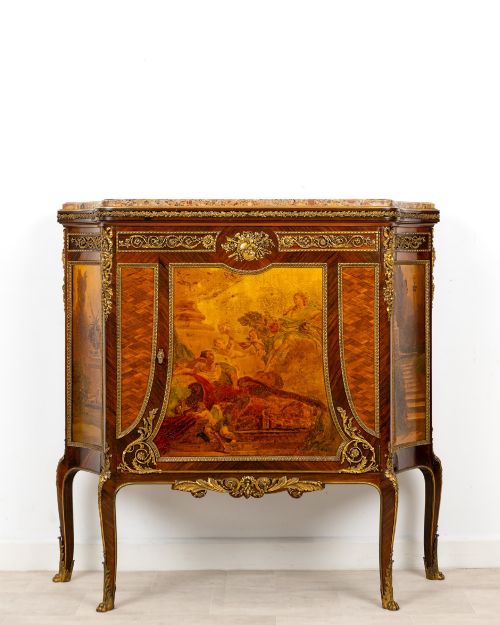
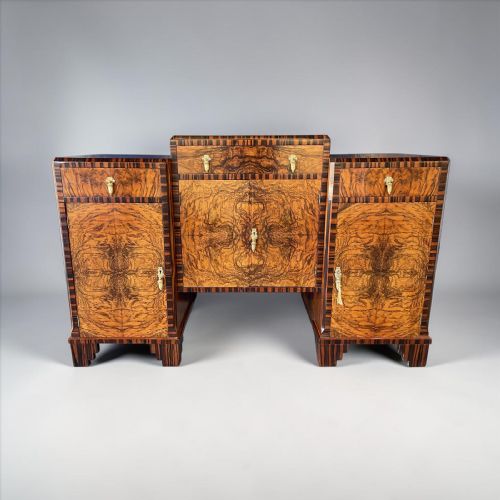
Surface detailing often incorporated carved motifs, applied moulding, and figured veneers such as flame mahogany or birds eye maple. Metal mounts in brass or ormolu frequently decorated keyways and door surrounds.
Many high-end pieces integrated polished marble tops, adding a smooth cold surface above wooden storage bases. Interior elements relied on solid timber shelving and dovetailed drawer construction.
French Buffet Furniture Retail Price Guide 2026
Typical asking prices for french buffet furniture among the pieces listed under this phrase on Sellingantiques today, from the lower quarter to the upper quarter. They describe what is for sale here now, not the wider market.
Some sturdy housekeepers stored provisions behind heavy oak doors while keeping marble surfaces cool for rolling pastry.
Factors That Separate Top Examples
The grade of timber selection and the crispness of hand carving set exceptional pieces apart from simpler utilitarian items. Master cabinet makers achieved harmonious proportions and fluid lines that elevate standard storage into fine furniture.
Integration of secondary materials, such as heavy marble slabs, quality ormolu mounts, or painted porcelain plaques, alters the stature of a piece. The survival of original hardware, working locks, and keys also influences the standing of an example.
Attribution to documented makers or specific regional workshops provides a distinct distinction in craftsmanship and historical interest. Well-preserved original surfaces demonstrate superior patina compared to heavily refinished or altered structures.
François Linke·Gillows·KRIEGER of Paris·Gabriel Viardot
The French Buffet Furniture Glossary
- Buffet deux corps
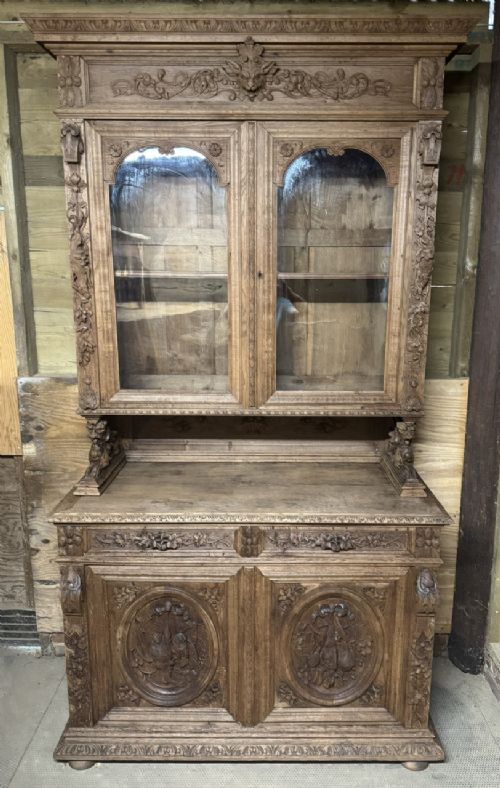
- A tall two-part storage cabinet featuring a lower cupboard base surmounted by a matching upper section. This form provides extensive shelving and display capacity.
- Ormolu
- Gilded bronze mounts applied to furniture for decorative accent around keyholes and corners. This technique adds metallic highlights to timber surfaces.
- Enfilade
- A long sideboard or buffet designed for serving food and storing dining ware. Such pieces often feature multiple doors and drawers in a continuous front alignment.
- Commode
- A low decorative chest of drawers or cabinet fitted with legs or a plinth base. These frequently incorporate marble tops and fine wood veneers.
- Vernis Martin
- A simulated Japanese lacquer technique developed in France during the eighteenth century. It creates glossy translucent painted finishes on cabinet panels.
French Buffet Furniture: Frequently Asked Questions
What is a buffet deux corps?
A buffet deux corps is a substantial two-tier storage cabinet featuring a large lower cupboard base with a matching upper section positioned directly above.
These tall pieces provide significant storage capacity for dining rooms and kitchens, combining enclosed shelving behind heavy wooden doors.
How are marble tops maintained?
Marble tops require gentle cleaning with mild soapy water and a soft cloth to avoid scratching the polished stone surface. Acidic liquids like wine or lemon juice should be wiped away immediately to prevent staining.
Applying a specialist stone wax helps protect the surface from everyday wear and moisture marks.
Where were these pieces used?
These storage pieces were traditionally placed in dining rooms, kitchens, and grand halls to hold table linen, ceramics, and serving dishes. Large cupboards also served housekeepers in managing domestic provisions.
Today, they function as practical sideboards and focal storage units in modern living spaces.
How do I identify provincial styles?
Provincial furniture is characterised by simpler regional interpretations of formal court styles, often built using local timbers like oak, cherry, and chestnut. The carving tends to be more rustic and direct.
Regional differences appear in the door panel shapes, hinge types, and overall proportions suited to local houses.