


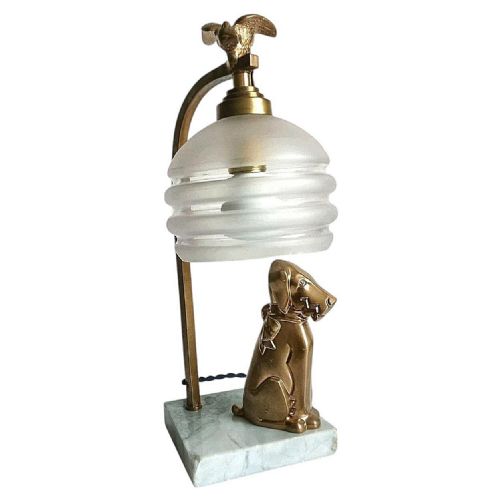
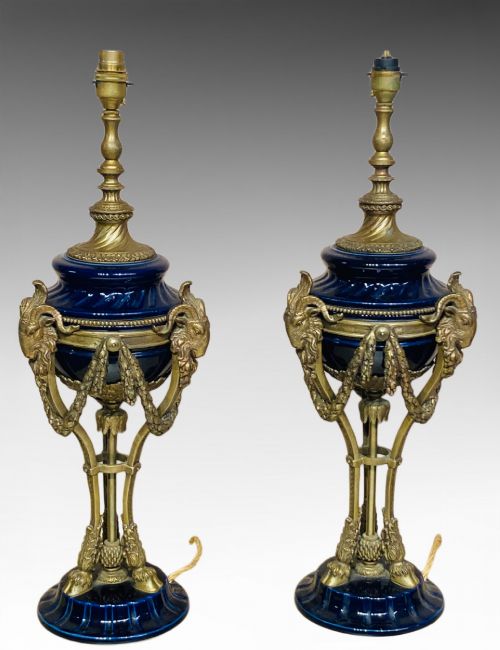
French Bronze Desk Light
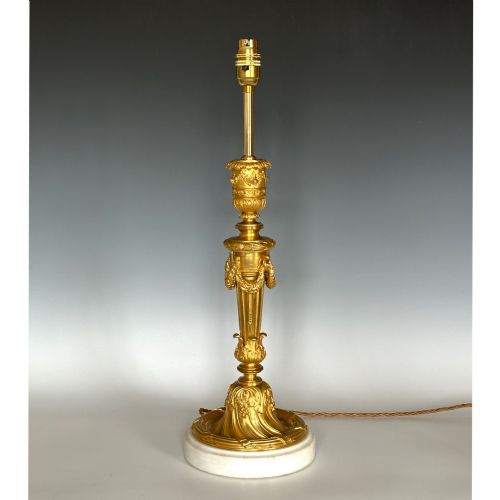
A French bronze desk light brings weight, proportion and distinct period character to a workspace.
French Bronze Desk Light
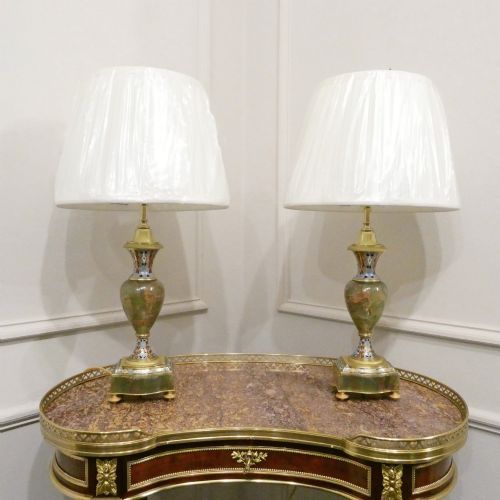
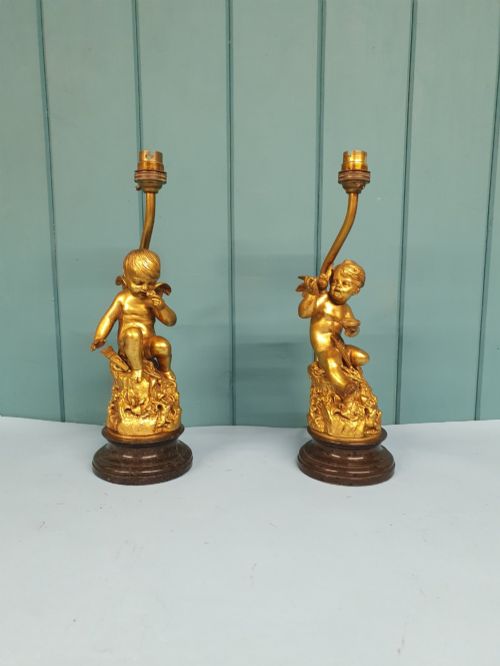
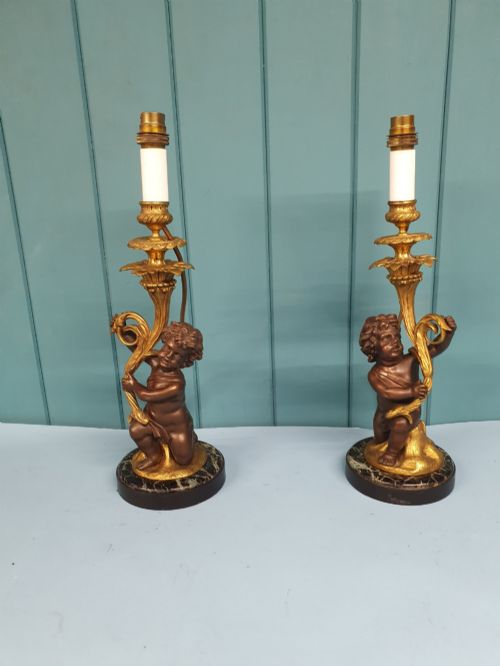
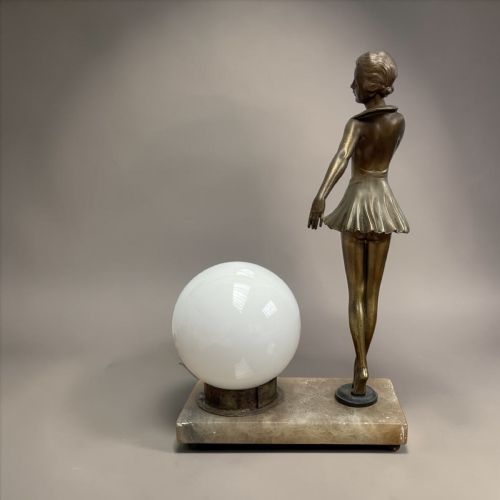
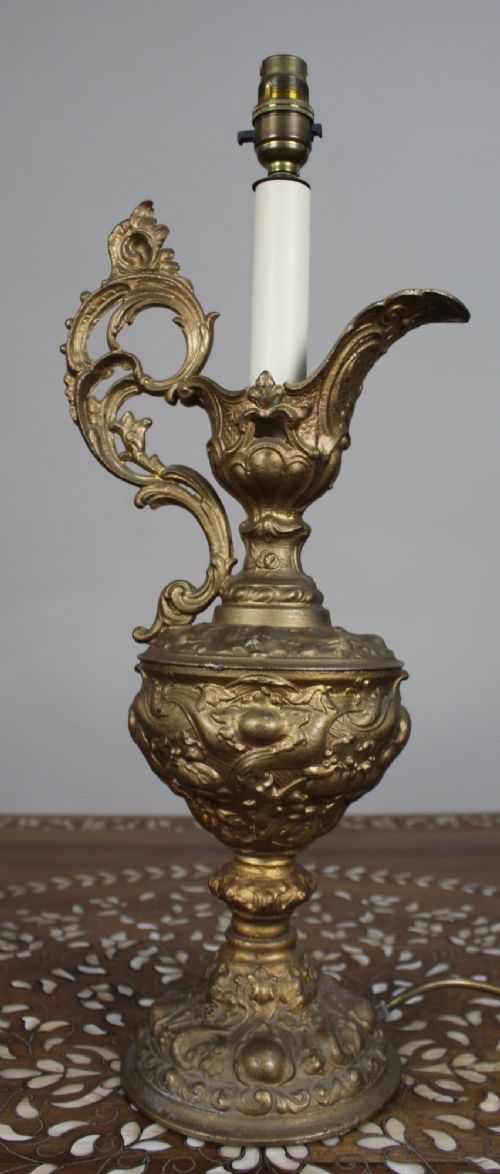
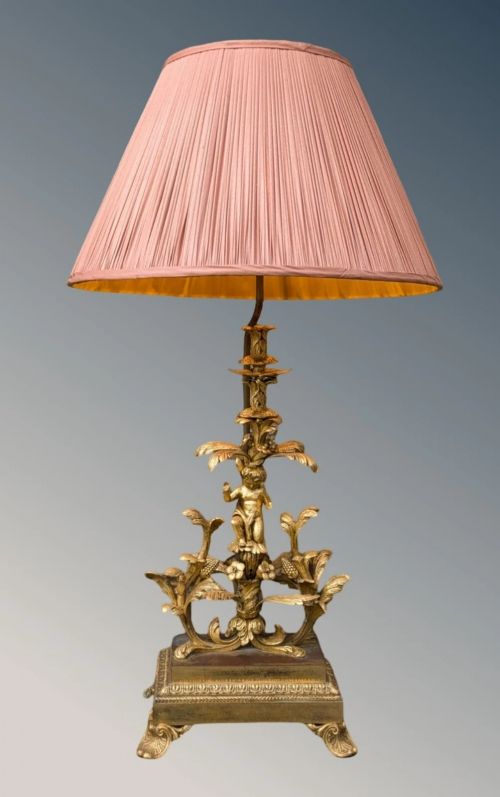
A French bronze desk light encompasses period table lamps, candlesticks adapted for illumination, and specific desk accessories originating from the nineteenth and early twentieth centuries. These pieces emerge in diverse aesthetic movements, ranging from French Neoclassical and Rococo Revival to Art Nouveau and Art Deco.
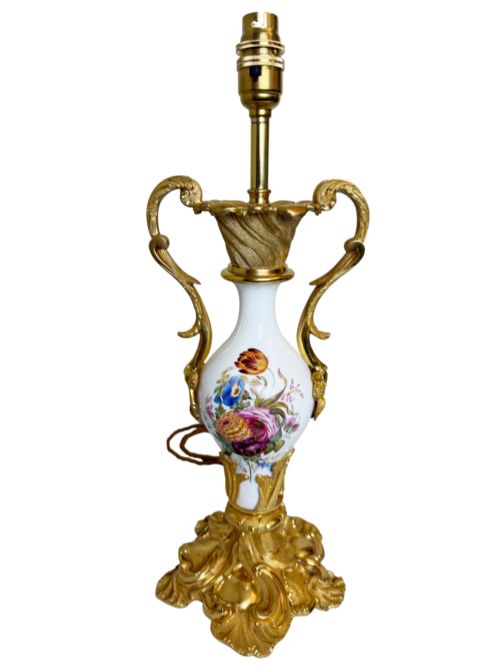
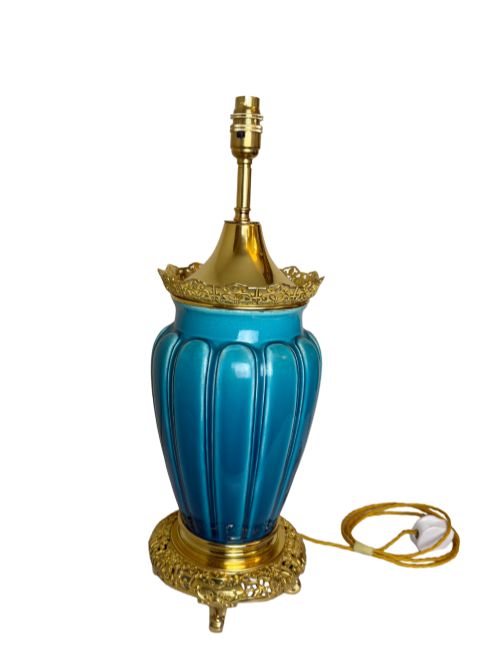
The selection on this page relies heavily on nineteenth-century examples, alongside pieces from the 1900s through the 1930s. Buyers frequently encounter forms combining metalwork with marble, onyx, glass or porcelain elements.
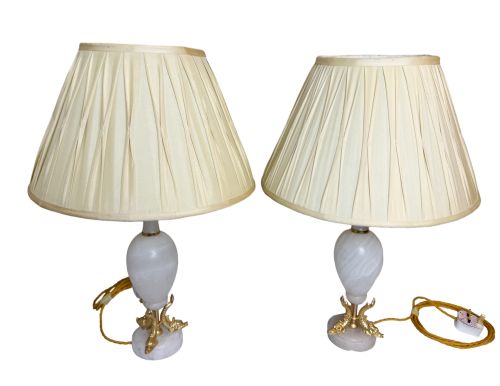
Makers and designers from these eras produced both functional lighting and decorative objects that later found conversion for modern electrical use. Table lamps and lamp bases dominate the current range, often appearing as matched pairs.
How they were made
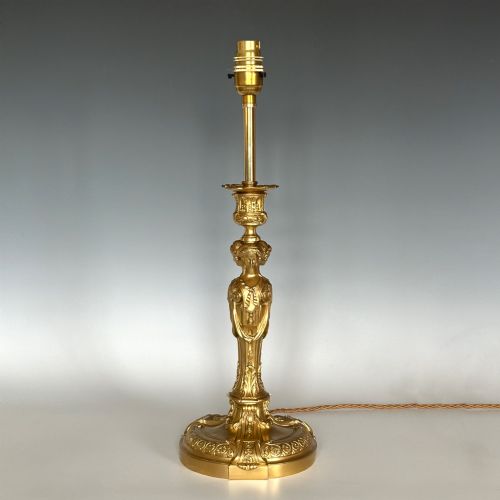
Foundry workers utilised traditional bronze casting methods, shaping patinated or gilt bronze, ormolu, brass and spelter into figurative and architectural forms. Many items integrate carved marble or onyx bases, mounting the metal components with secure fixings.
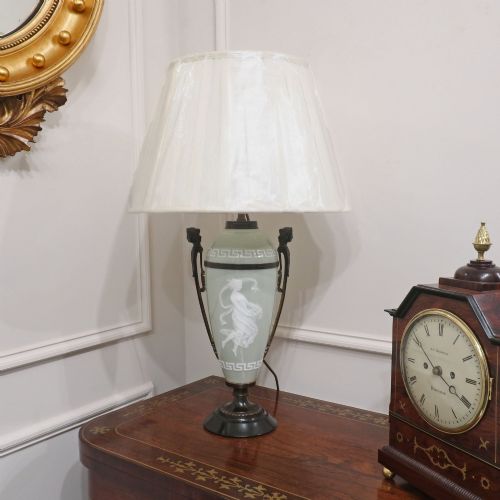
Decorative surface details often involve champlevé enamel work, pate sur pate porcelain panels, or glass cabochons set directly into the metal frame. These mixed-media constructions required close collaboration between metalworkers, ceramicists and stone-carvers.
The listings span from the early nineteenth century through the Art Deco era, featuring materials such as marble, fabric, glass and porcelain.
What varies in quality
The selection of materials creates a clear distinction between standard and exceptional pieces, particularly in the density of the marble, the richness of the gilding or ormolu, and the integration of fine porcelain or glass elements.
L & F Moreau·Georges Leleu·Dugourc
The French Bronze Desk Light Glossary
- Ormolu
- Gilded bronze, where a mercury-gilding technique applies a gold-mercury amalgam to a bronze base. This finish yields a warm, enduring lustre characteristic of fine French decorative arts.
- Champlevé
- An enamelling technique where troughs or cells are hollowed out in the metal surface and filled with vitreous enamel before firing. It frequently appears alongside gilt bronze mounts.
- Patinated bronze
- Bronze that has undergone a chemical treatment to produce a darkened or coloured surface finish. This contrasts with bright gilding to accentuate sculptural depth.
- Pate sur pate
- A ceramic decorating method where liquid clay is applied layer by layer onto a contrasting body to create a low-relief cameo effect. These porcelain plaques often decorate nineteenth-century lamp bodies.
- Cassolette
- A decorative vase or urn with a reversible lid, functioning as a perfume burner or converted into a lamp base. These objects typically feature classical marble and ormolu construction.
French Bronze Desk Light: Frequently Asked Questions
Can these desk lights be rewired safely?
Most antique lamps accommodate modern electrical wiring without altering the underlying antique metal or stone structure. A qualified professional can thread modern flex through the existing central channels.
Careful rewiring preserves the integrity of the original gilt bronze, marble or porcelain components while ensuring compliance with current electrical safety standards.
How do I clean bronze and ormolu?
Dusting with a soft, dry cloth is usually sufficient for maintaining patinated bronze and gilt surfaces. Avoid harsh commercial polishes that can strip fragile gilding or damage patination.
If grime accumulates, a very gentle wipe with a damp cloth followed immediately by thorough drying protects the historic metal finish.
How do I identify Art Nouveau pieces?
Art Nouveau lighting relies on organic motifs, flowing asymmetrical lines and naturalistic forms inspired by plants and the human figure. Look for whiplash curves and integrated glass elements.
These designs contrast sharply with the strict symmetry of earlier Neoclassical or Empire styles found in the same period categories.
What is the difference between bronze and spelter?
Bronze is a robust alloy of copper and tin that takes crisp detail during casting and holds a deep patina or gilding over centuries. Spelter is a softer zinc-based metal used as a cheaper alternative.
Spelter items often feature applied bronze-effect finishes that can show wear or brittleness more readily than genuine bronze or ormolu.