
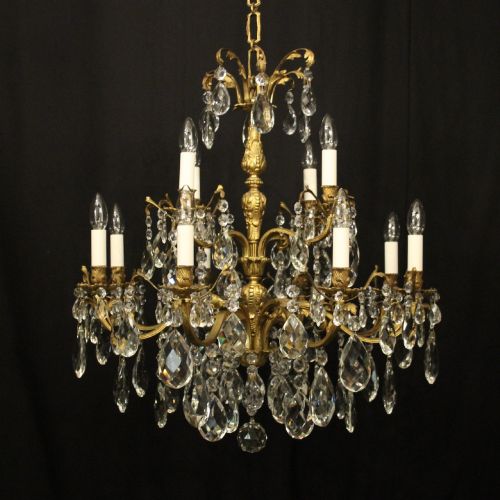
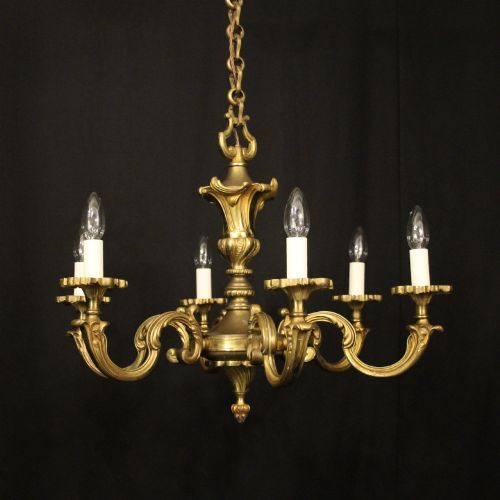
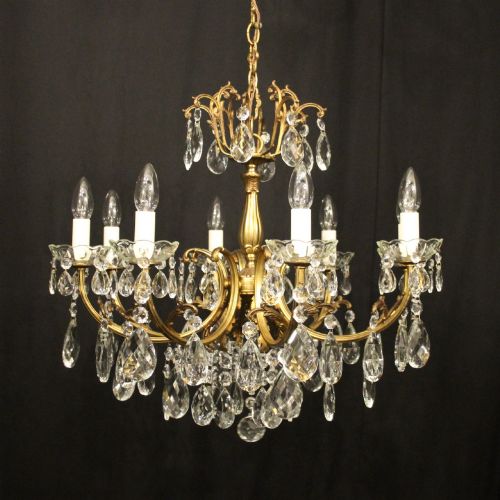
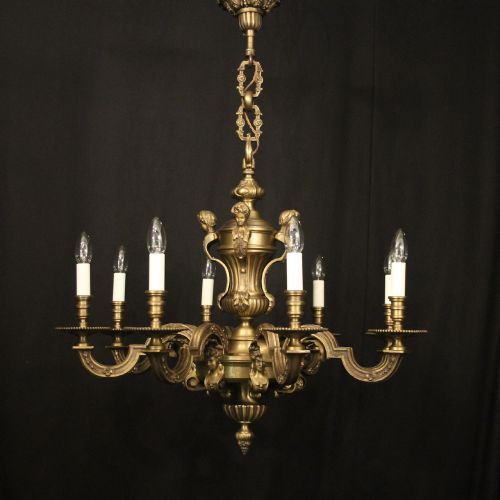
French Bronze Ceiling Pendant
These french bronze ceiling pendant lights bring warmth and historic character to a room through cast metal and crystal.
French Bronze Ceiling Pendant
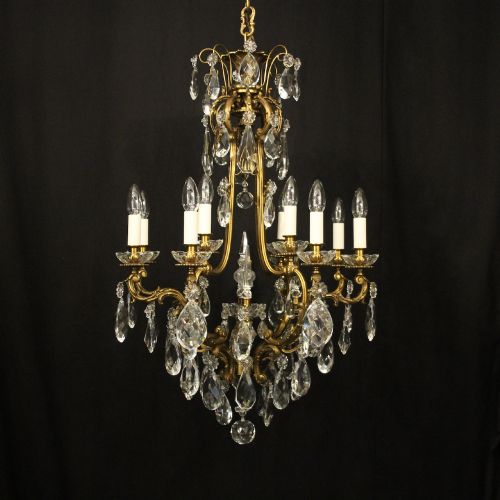
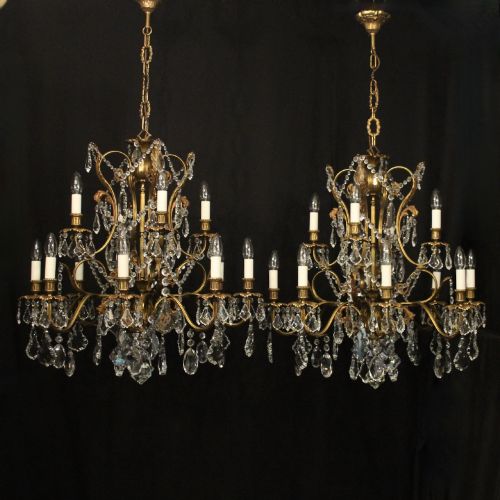
A french bronze ceiling pendant typically takes the form of a chandelier or hall lantern suspended from above to illuminate a space. These fixtures appear across periods spanning the nineteenth century through the early twentieth century.
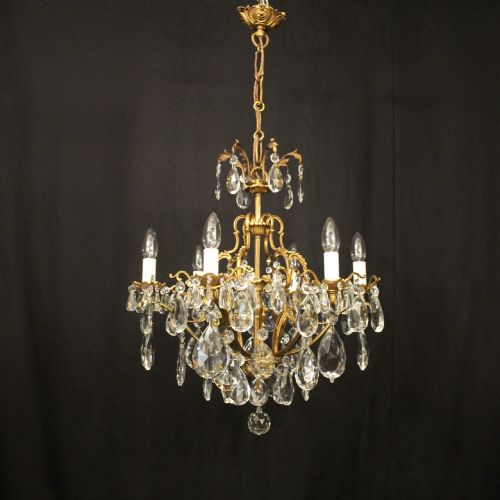
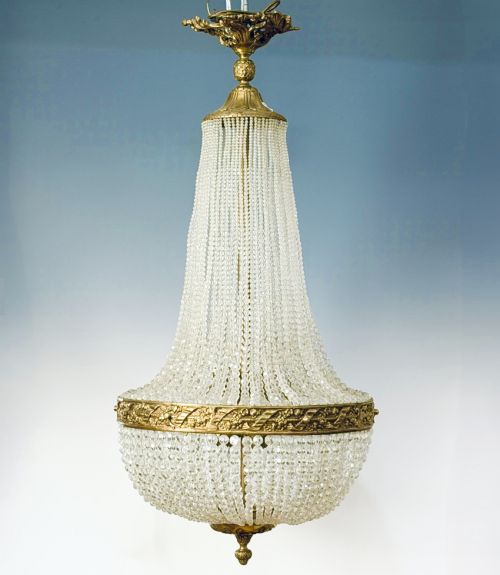
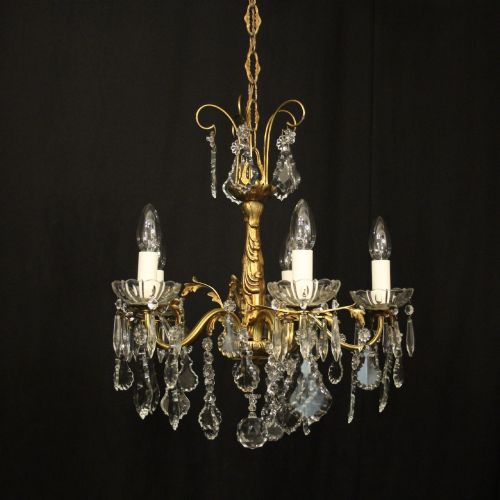
Buyers encountering this selection will frequently find multi-light chandeliers and enclosed lanterns rendered in styles such as Empire, Neoclassical, and Louis Revival. The designs incorporate branches, tents, and waterfalls of glass alongside metal work.
Originating predominantly from French workshops and embracing aesthetics like French Chateau and Rococo, these pieces serve as central overhead lighting fixtures for high-ceilinged rooms.
How they were made
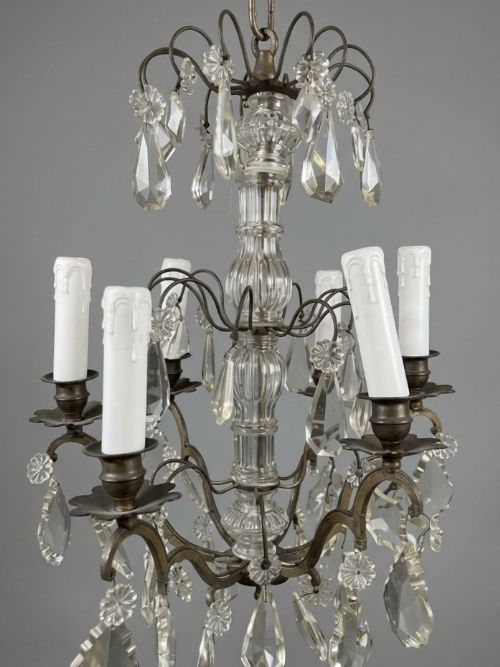
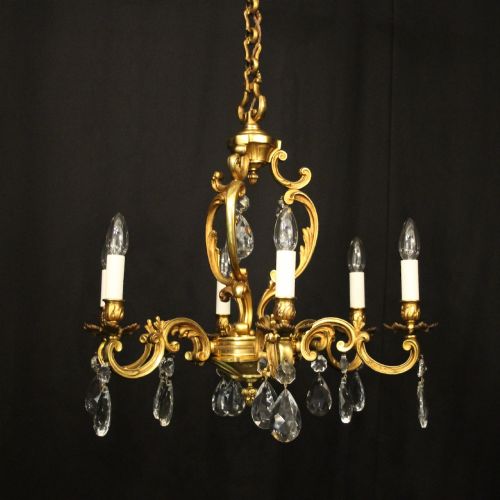
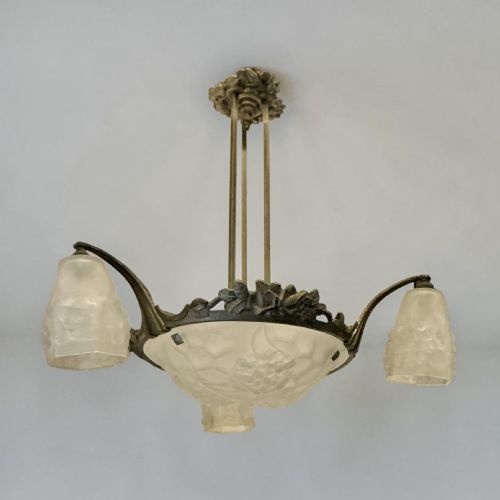
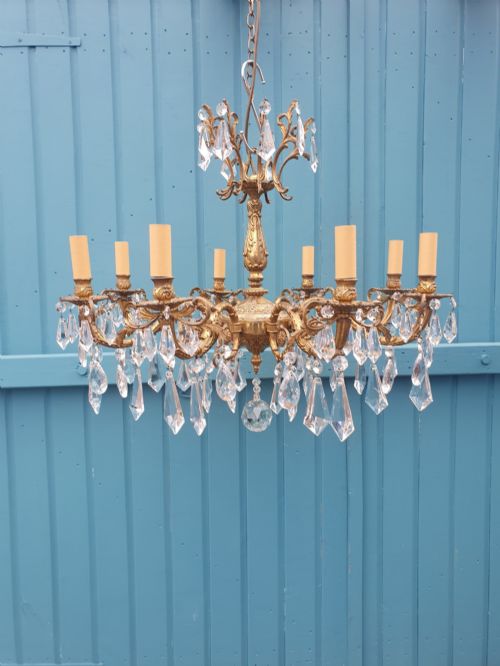
Maker workshops utilised bronze, gilt bronze, and brass as the foundational structural elements for these hanging lights, often applying a gilded or silver gilded finish to the metal surface. These metals were cast and shaped into arms, frames, and decorative mounts.
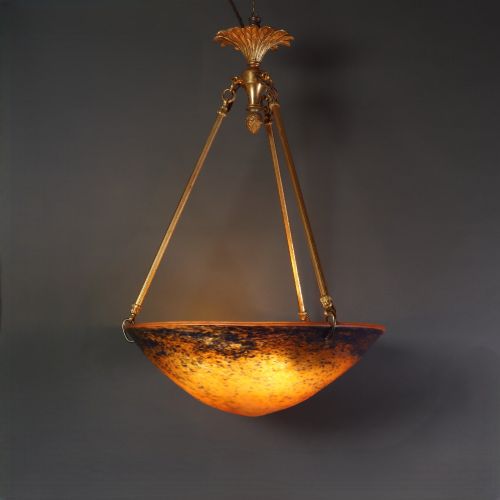
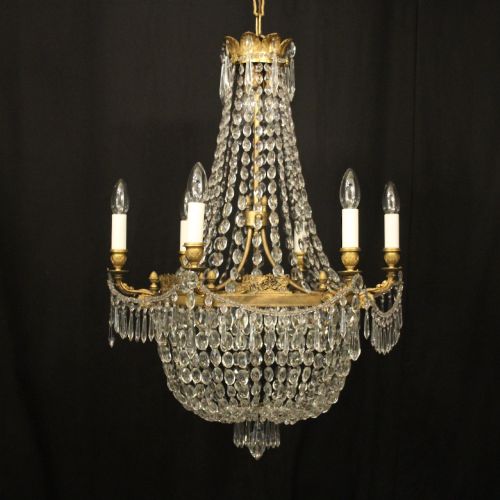
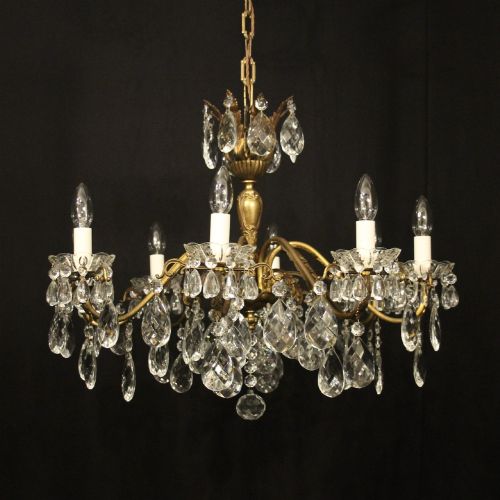
Glass, cut glass crystal, and alabaster components were integrated with the metal frames to refract and diffuse the light from multiple candles or bulbs. Elements like icicle shades, prisms, and convex glass panels completed the assembly.
Flying cherubs occasionally join the crystal drops to hold up the lights.
What varies in quality
The sophistication of the casting and the crispness of decorative details on the bronze or brass separate simpler fixtures from more elaborate examples. Richer gilding and finer chasing across the metal surfaces elevate the visual depth of a piece.
The quantity and cut of the crystal elements also determine the calibre of a hanging light, with extensive tent and waterfall arrangements or intricate drop configurations representing more ambitious manufacturing efforts.
G.E.C
The French Bronze Ceiling Pendant Glossary
- Gilt Bronze
- Bronze metal that has been coated with a thin layer of gold or gold-coloured leaf to give a bright, luxurious finish. This technique protects the underlying bronze while creating a rich reflective surface.
- Hall Lantern
- An enclosed ceiling-hung light designed specifically for corridors, vestibules, and entranceways. These fixtures protect the candles or bulbs behind glass panels.
- Tent and Waterfall
- A chandelier configuration where strings of glass beads form an upper tent shape that drops down into a cascading waterfall effect of crystals. This design maximises the refraction of light.
- Lyre Chandelier
- A lighting fixture shaped like the ancient musical instrument, featuring symmetrical curved frame sides. This neoclassical design motif appears frequently in period French metalwork.
French Bronze Ceiling Pendant: Frequently Asked Questions
How do I hang a heavy bronze chandelier safely?
Suspension requires fixing directly into ceiling joists or using a reinforced metal bracket capable of holding the substantial weight of cast bronze and crystal components.
Professional electrical installation ensures the wiring can support the multi-light capacity safely within an interior space.
What is the difference between a chandelier and a hall lantern?
Chandeliers project open branches of light outward from a central stem, designed primarily to illuminate principal living rooms and dining areas.
Hall lanterns enclose the light source within glazed panels, making them suited for narrow corridors and entrance halls.
How do I clean crystal and bronze pendants?
Gentle dusting with a soft microfibre cloth preserves the delicate gilt surfaces on bronze and brass frames without wearing away the finish.
Crystal drops can be wiped individually with a mild glass cleaner while still attached, or removed for careful washing in lukewarm water.
What rooms suit an antique tent and waterfall chandelier?
These large multi-light fixtures require high ceilings and generous floor space to balance their dramatic vertical drop and crystal arrays.
They traditionally anchor formal reception spaces, stairwells, or large dining rooms where the ambient reflection creates a striking focal point.