

French Brass Ceiling Fixture
A french brass ceiling fixture brings decorative illumination to a room, spanning styles from grand chandeliers to lanterns that suit period interiors.
French Brass Ceiling Fixture
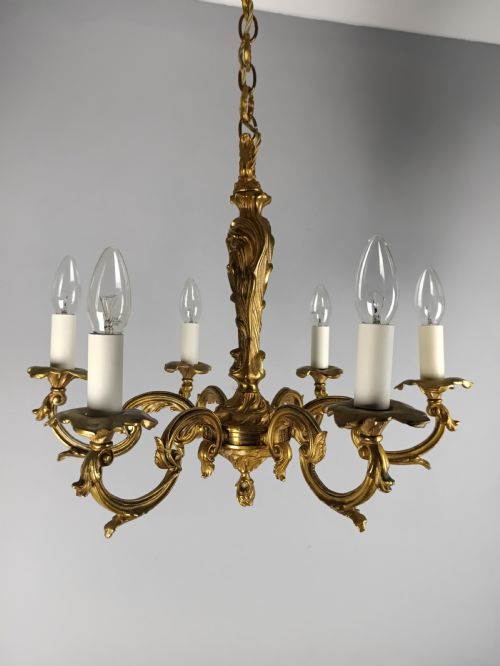
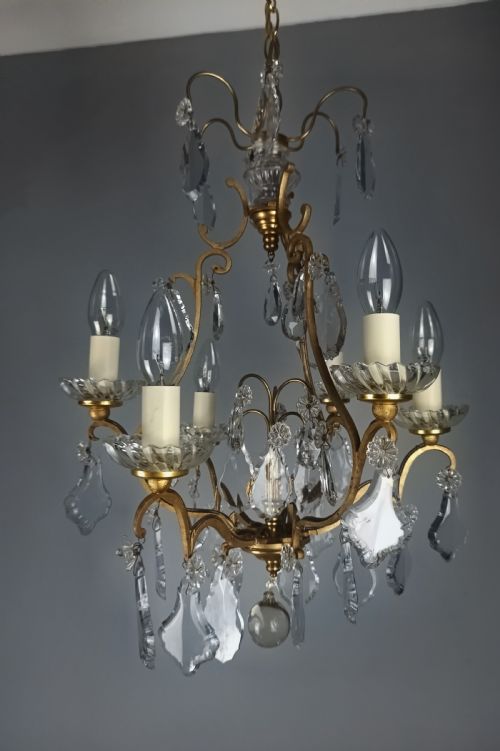
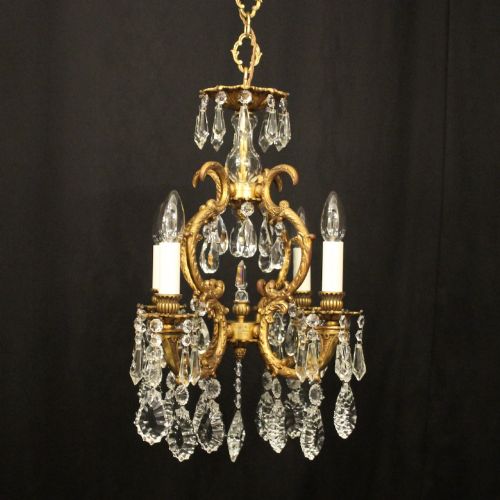
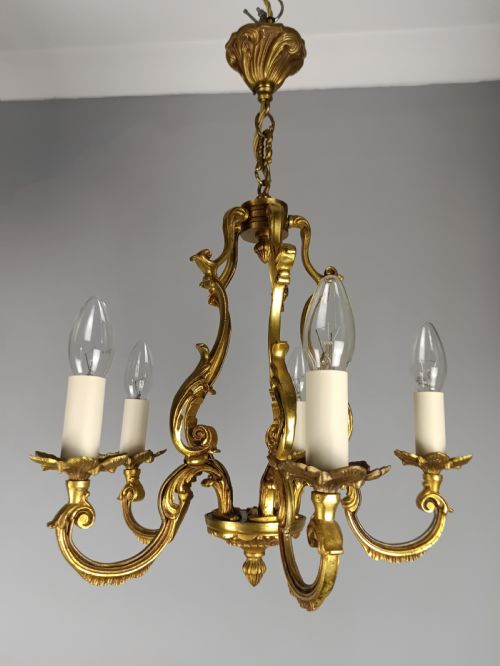
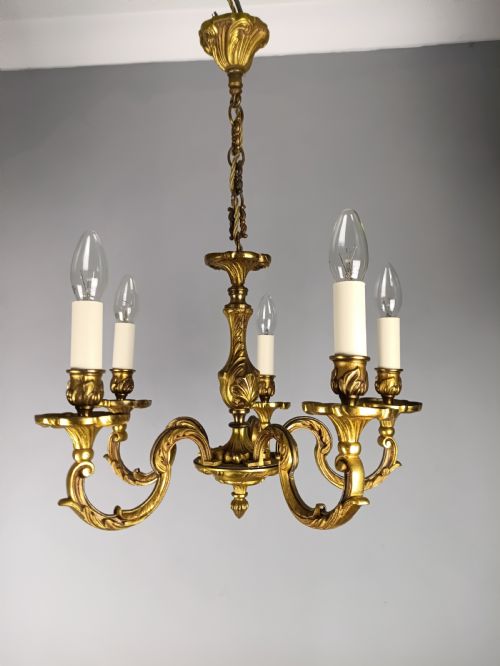
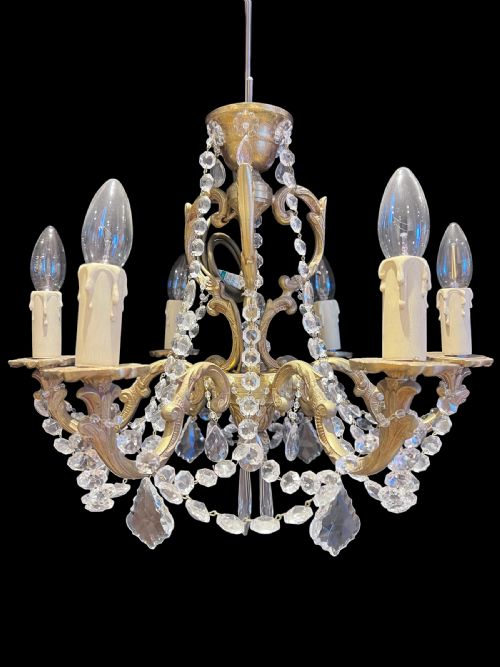
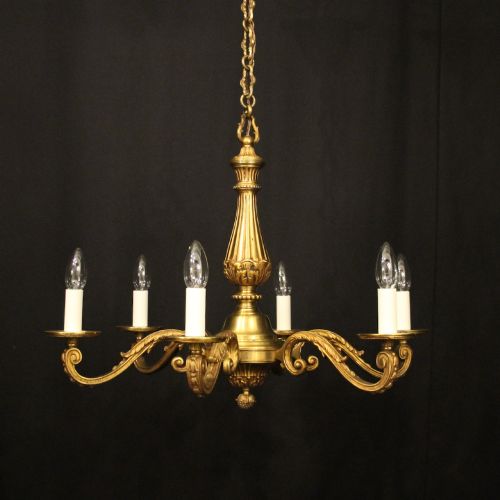
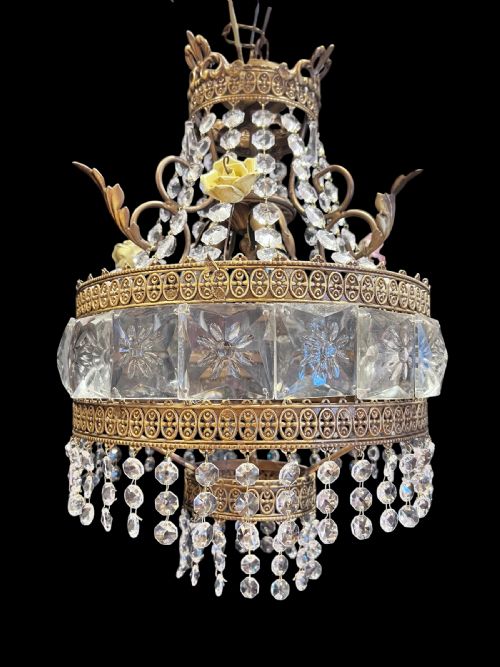
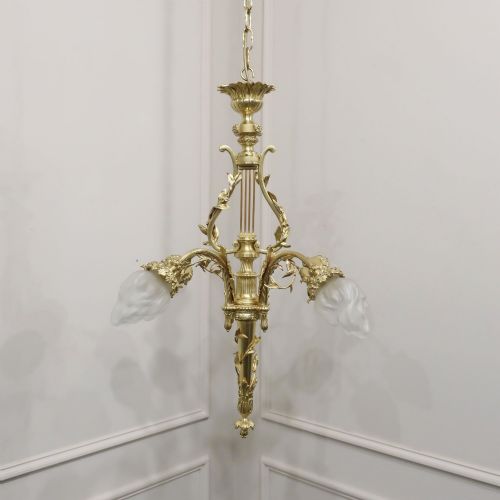
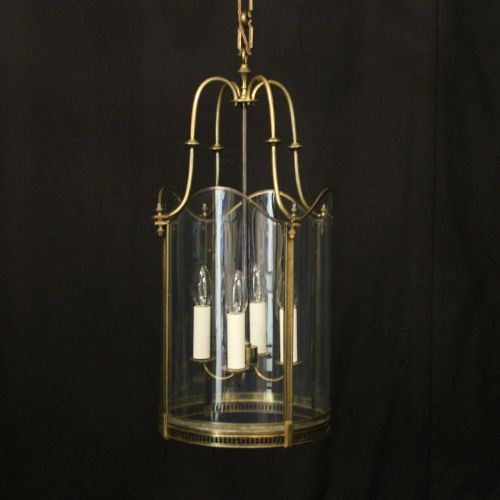
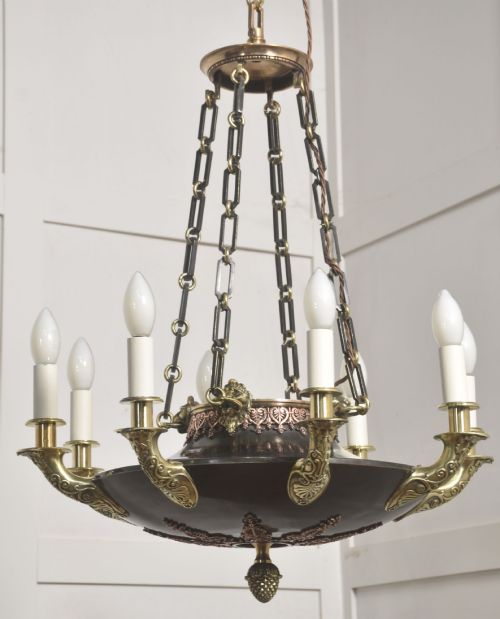
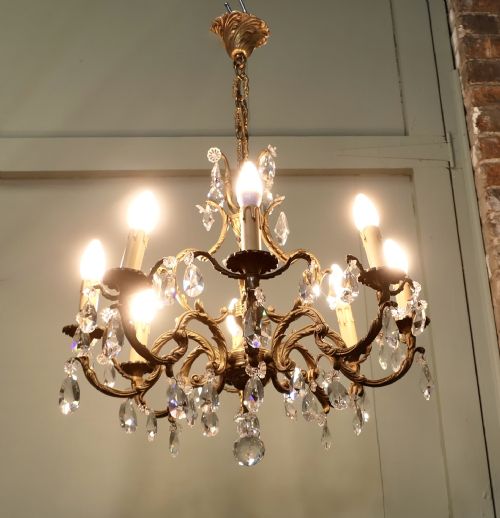
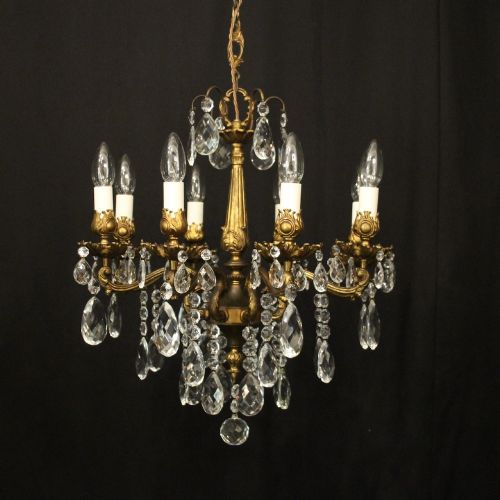
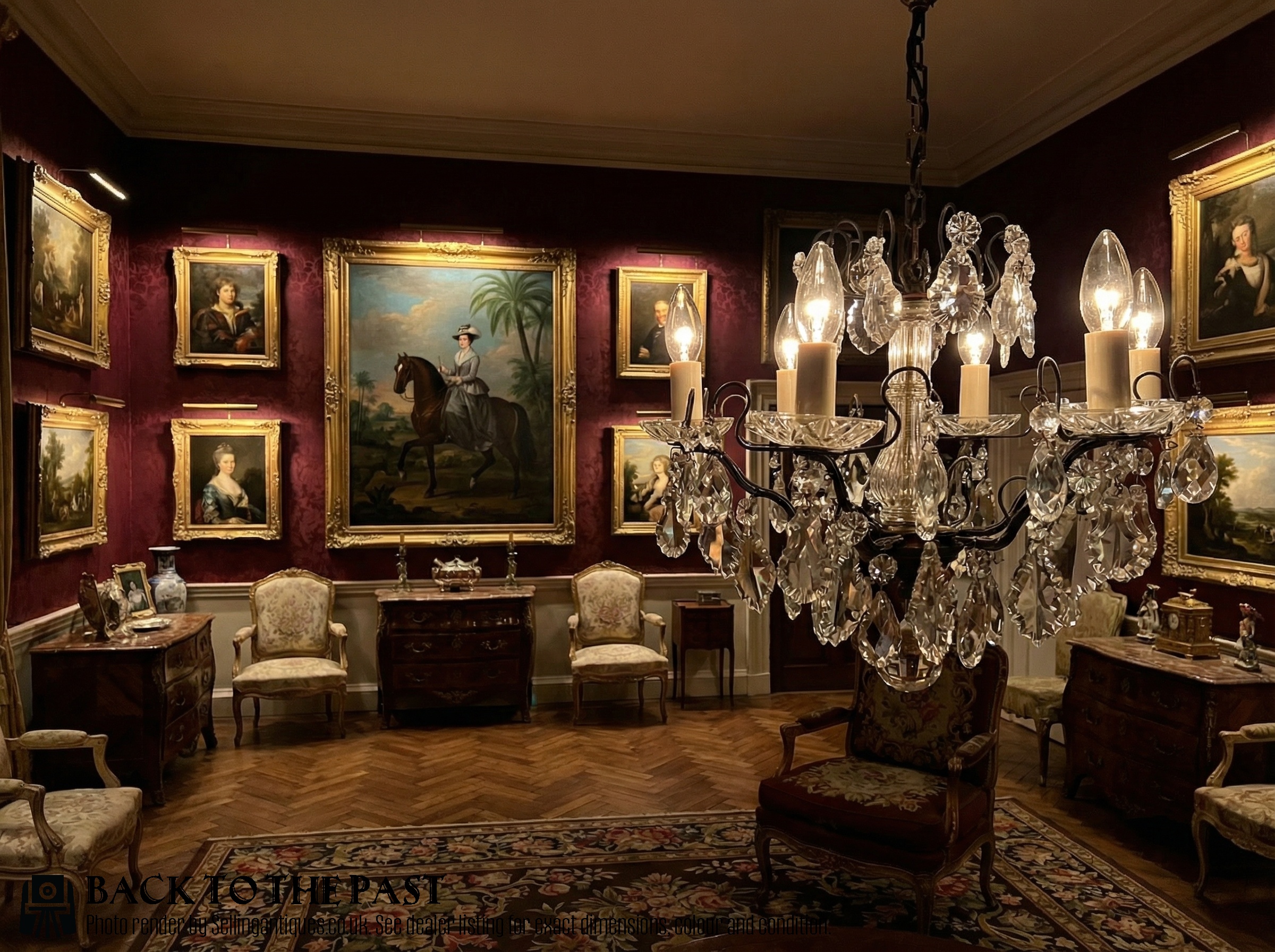
A french brass ceiling fixture encompasses varied lighting forms such as chandeliers, pendant lights, plafonnieres, and hall lanterns designed to hang from overhead spaces. Buyers searching this phrase meet pieces originating from the nineteenth century through the 1930s, including Edwardian examples and items attributed to the Art Deco period. Common configurations span multi-light chandeliers decorated with crystal drops to convex hall lanterns mounted near entryways.
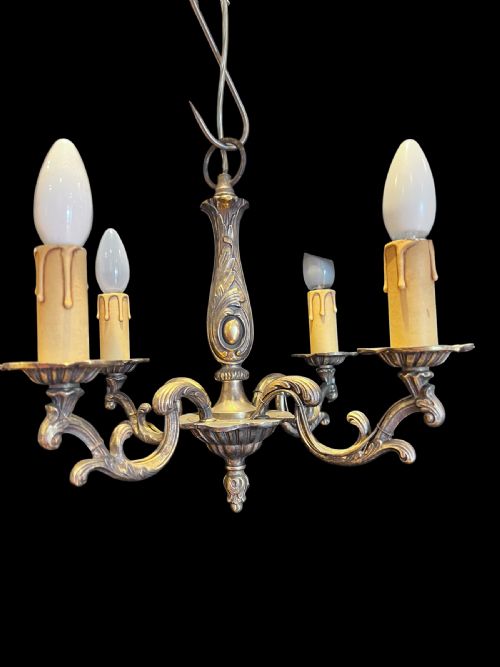
The aesthetic vocabulary draws heavily from established traditions, including French Empire, Neoclassical, Rococo, and Chateau styles alongside Italian Florentine interpretations. Many designs utilise multiple light branches, ranging from compact three-light setups to larger twenty-five light compositions for expansive rooms. Smaller variations such as single-bulb pendants and compact hall lanterns also appear frequently across the selection.
Materials and Construction
Makers constructed these fixtures primarily from brass, bronze, and gilt bronze, often applying surface gilding to enhance the metallic lustre. Structural frames support heavy components such as cut glass, crystal lustres, prisms, and alabaster bowls.
Interiors and decorative flourishes frequently incorporate secondary elements including copper, porcelain flowers, ceramic details, and painted tolewear. Assembly methods combine cast metal frames with hand-cut crystal drops, strung beads, and wired electrical or candle-form bulb holders.
Materials recorded across the inventory include brass, bronze, gilt bronze, crystal, alabaster, and ceramic.
Standards of Craftsmanship
Quality reveals itself in the crispness of the metal casting and the depth of the chased detailing upon the brass or bronze frames. Superior examples display refined proportions, integrated decorative motifs, and substantial weight in the primary metal structure.
The grade of the hanging elements also separates standard pieces from finer ones, with high-end examples employing hand-cut crystal lustres, precise prisms, and robust glass globes rather than pressed glass alternatives. The harmony between the metal armature and the glass components governs the overall presence of the fixture.
The French Brass Ceiling Fixture Glossary
- Chandelier
- A branched ornamental light fixture suspended from the ceiling. These fixtures hold multiple bulbs or candles across tiered arms.
- Lustre
- A cut glass or crystal pendant hung from a lighting fixture. Lustres refract light to create sparkle across the room.
- Plafonniere
- A ceiling-mounted light fixture set flush or very close to the ceiling surface. This form suits rooms with lower overhead clearances.
- Tent and waterfall
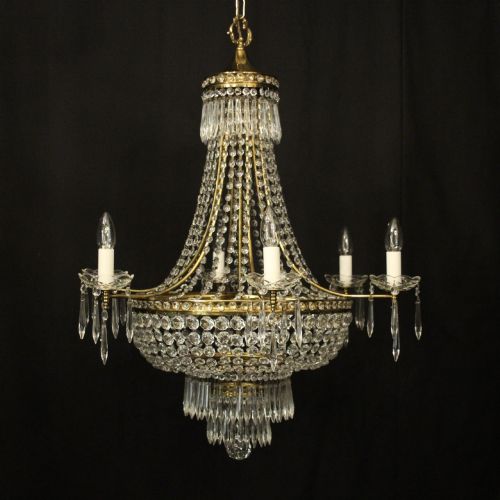
- A specific chandelier arrangement featuring an upper conical tent of strung beads cascading down into a wider bowl of lights. This configuration defines classical French lighting silhouettes.
French Brass Ceiling Fixture: Frequently Asked Questions
Where should I hang a hall lantern?
Hall lanterns suit entranceways, corridors, and high-ceilinged vestibules where vertical clearance allows the fixture to suspend properly. Their enclosed glass sides protect the light source from drafts in busy thoroughfares.
Position the lantern so the bottom clears standard passage height while remaining visible as a focal point upon entry.
How do I identify a Neoclassical style fixture?
Neoclassical pieces display symmetrical lines, architectural motifs, and restrained ornamentation influenced by classical antiquity. Look for geometric balance, urn shapes, and laurel wreaths integrated into the metalwork.
These designs avoid the heavy asymmetry of Rococo pieces, favouring structured elegance instead.
What is a birdcage chandelier?
A birdcage chandelier gets its name from the curved metal framework that forms an open skeletal cage around the central stem. Strands of crystal beads often drape across this curved armature to catch the illumination.
This form gained popularity during the early twentieth century within grand French interiors.
Can I use these fixtures with modern wiring?
Most antique fixtures adapt readily to modern electrical standards during installation by a qualified professional. Rewiring ensures the internal components meet current safety requirements while preserving the exterior metal and crystal work.
Consult an electrician to evaluate the load capacity and mounting hardware before hanging.