

French Bookcase Cabinet
A french bookcase cabinet brings architectural grace to a room while keeping volumes and treasures visible behind glass.
French Bookcase Cabinet
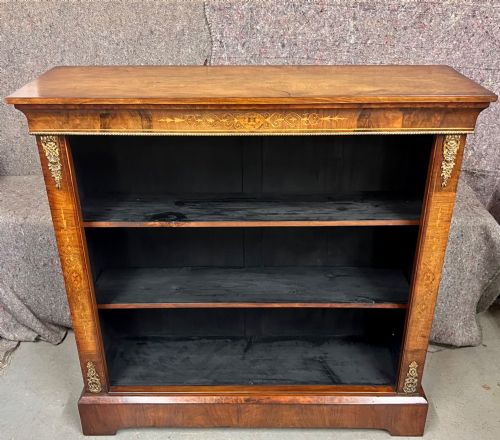
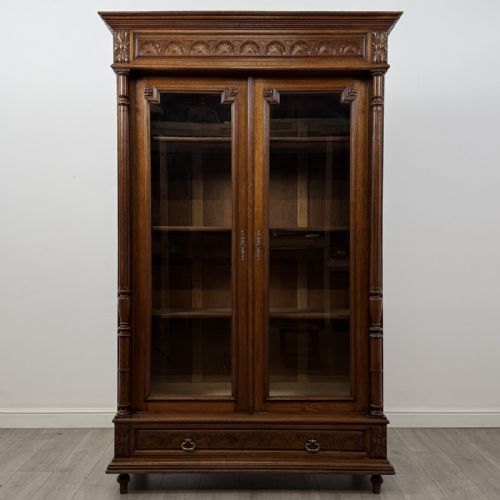
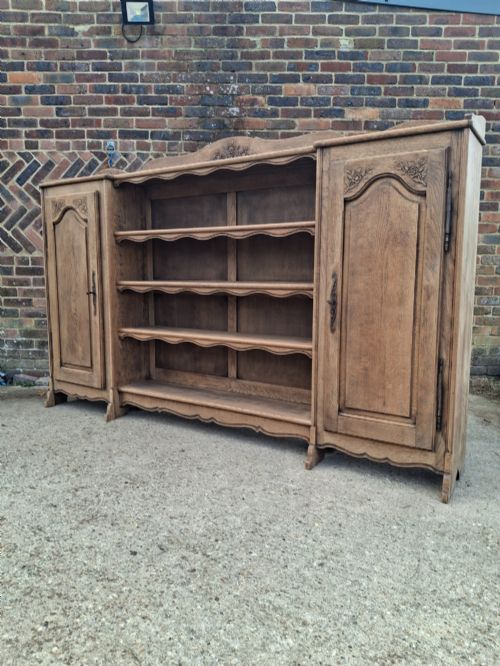
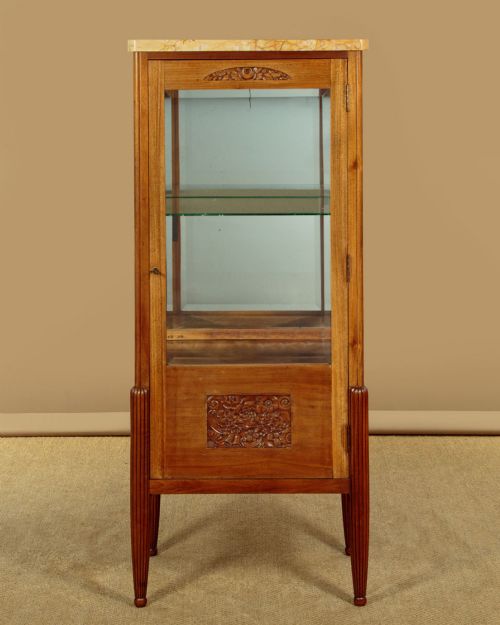
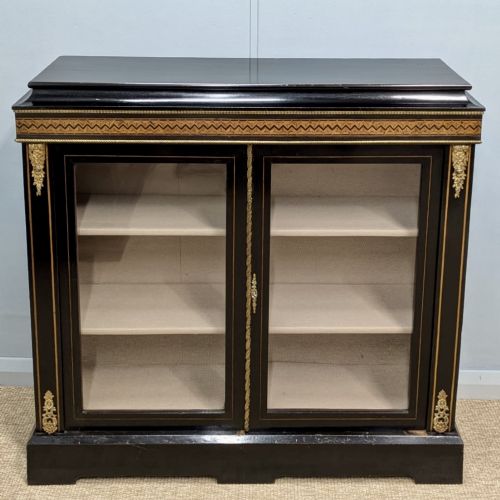
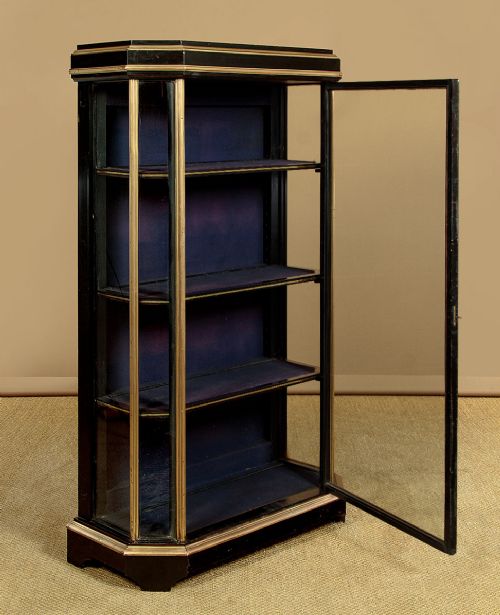
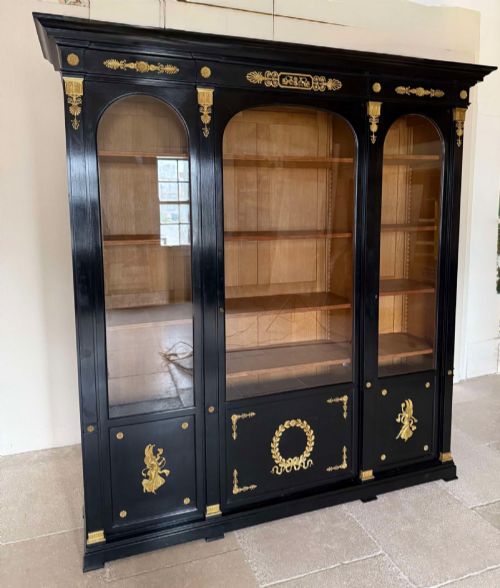
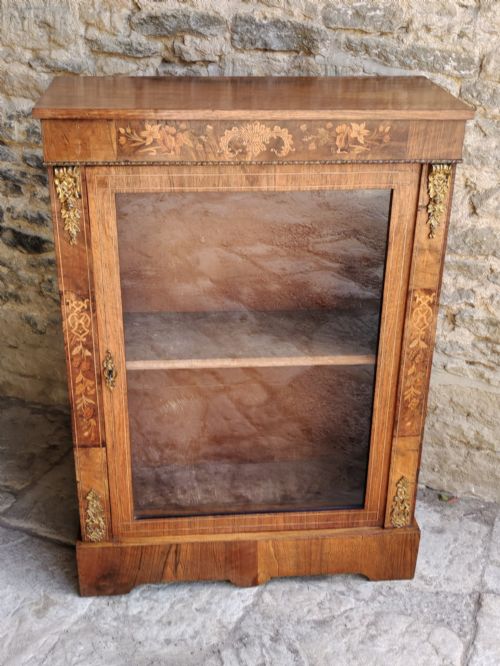
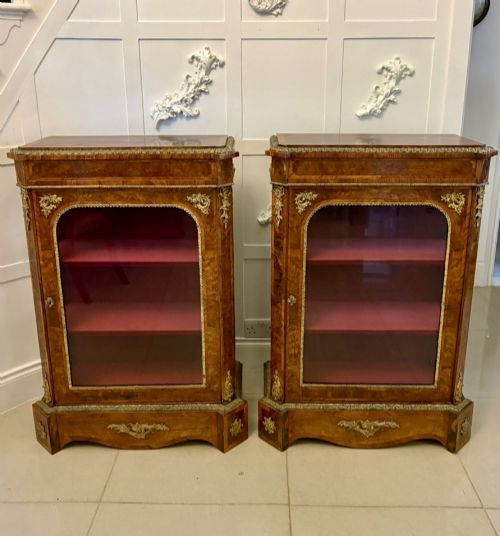
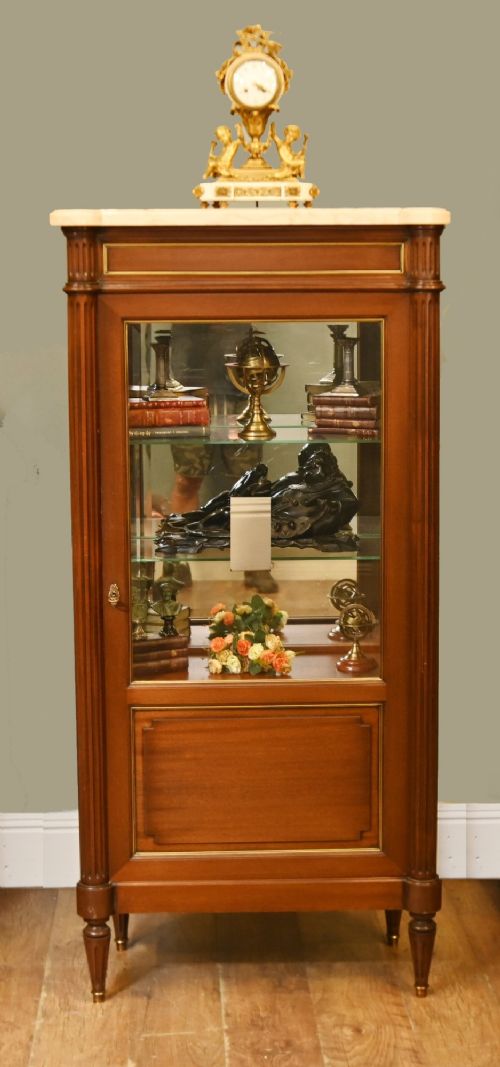
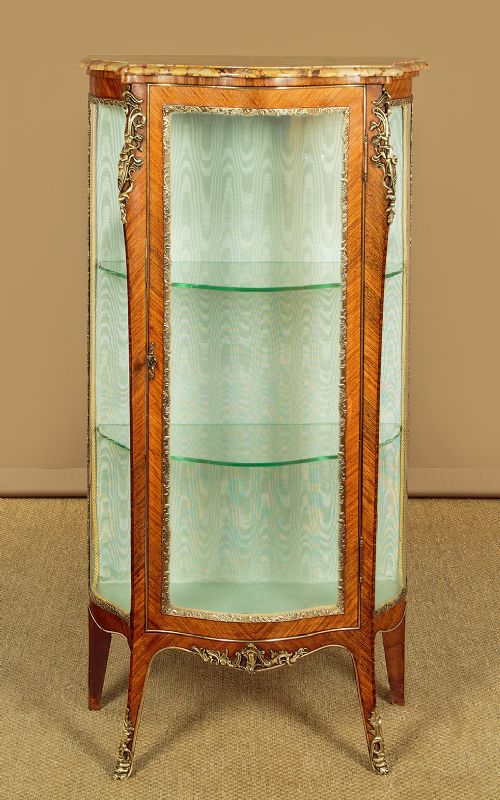
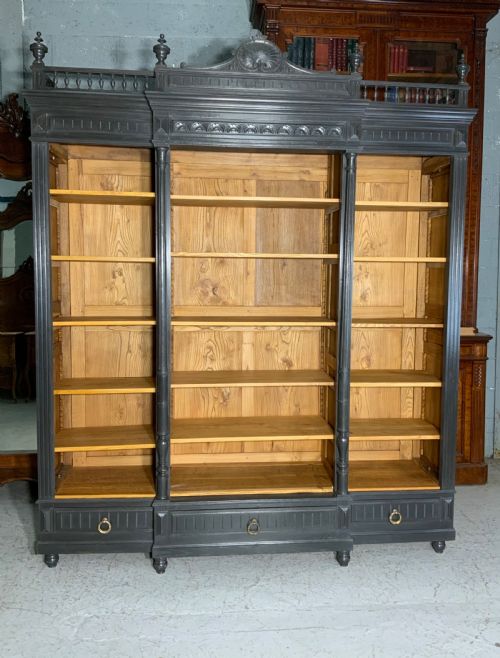
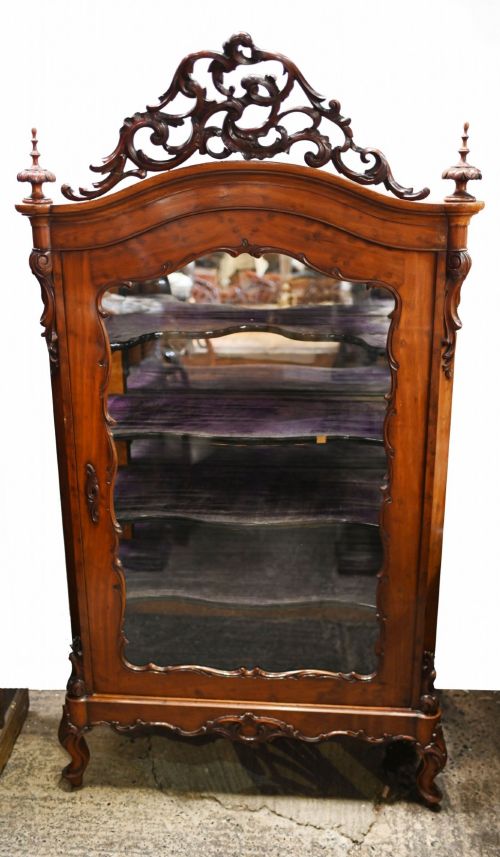
A french bookcase cabinet combines open or glazed shelving with enclosed storage, bridging the gap between a traditional library piece and a display vitrine. When searching for a french bookcase cabinet, buyers encounter forms ranging from monumental walnut libraries to narrow brass-mounted vitrines and rustic oak hunting cupboards.
The selection spans several centuries and regional aesthetics, encompassing formal Louis XV style pieces with curved mounts, restrained Directoire designs, and provincial pine cupboards. Makers such as Gillows, Gabriel Viardot and Mercier Frères appear among the offerings, alongside unmarked regional workshop pieces.
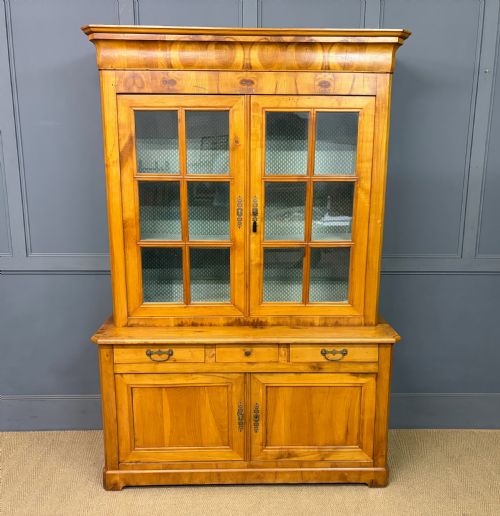
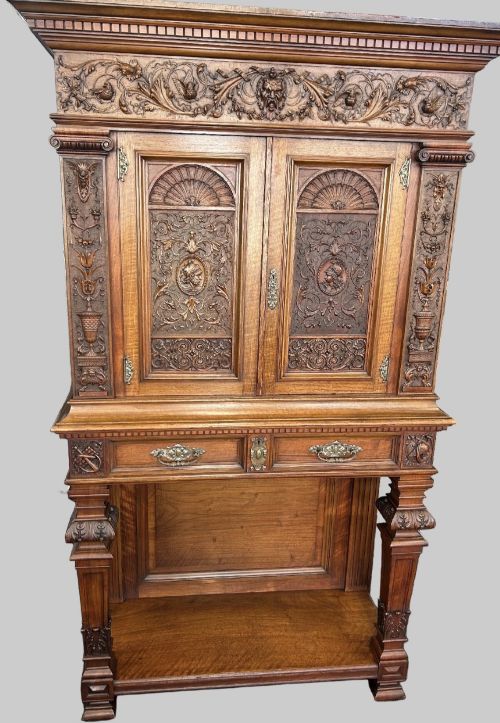
Object types vary widely, taking the form of upright display cabinets, breakfront bookcases, side cabinets, and architectural buffets deux corps. These pieces serve equally well for housing a private library or exhibiting porcelain collections in a principal reception room.
Materials and construction
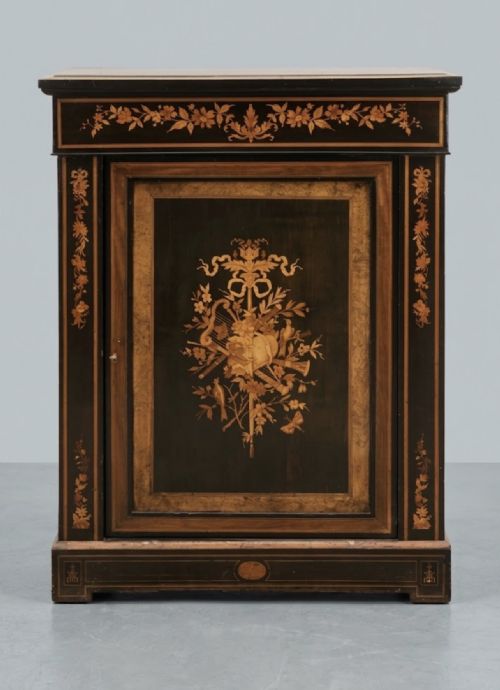
Cabinet makers utilised fine timbers including walnut, mahogany, kingwood, rosewood, amboyna and oak, often laying rich veneers over solid pine or oak carcases. Marquetry inlay work and carved details demonstrate the high level of joinery typical of nineteenth-century workshops.
Ormolu mounts, brass galleries and glazing bars provide structural definition and decorative contrast against the timber surfaces. Interiors frequently incorporate adjustable wooden shelving or fabric-lined back panels behind glazed doors.
French Bookcase Cabinet Retail Price Guide 2026
Typical asking prices for french bookcase cabinet among the pieces listed under this phrase on Sellingantiques today, from the lower quarter to the upper quarter. They describe what is for sale here now, not the wider market.
Listings feature walnut, mahogany, kingwood, rosewood, amboyna, oak, cherry wood, and pine across multiple centuries.
Distinguishing quality
The standard of a french bookcase cabinet rests upon the selection of timber veneers, the crispness of the bronze or ormolu cast mounts, and the integrity of the cabinet work. Finer examples display meticulous marquetry and perfectly fitted glazed doors that operate smoothly within their frames.
Proportion and decorative restraint set superior pieces apart from standard commercial production. Original glass panels, intact surface finishes, and signed maker plaques elevate the status of a cabinet within its period classification.
Gillows·Gabriel Viardot·Mercier Frères
The French Bookcase Cabinet Glossary
- Vitrine
- A glass-fronted display cabinet designed specifically for showing porcelain, glassware, or small decorative objects. These pieces often feature glazed side panels to maximise light exposure.
- Ormolu
- Gilt bronze mounts applied to furniture for decorative effect. High quality mounts are chased by hand after casting to sharpen the surface details.
- Marquetry
- Decorative veneer patterns formed by fitting together small pieces of different coloured wood or other materials. The technique creates pictorial or geometric designs across the face of doors and drawers.
- Buffet deux corps
- A large two-part cupboard, typically featuring an upper glazed section set upon a deeper lower cabinet. This architectural form originates from French provincial cabinet making.
- Pier cabinet
- A low cabinet built specifically to fit the wall space between windows. They frequently incorporate marble tops and glazed doors.
French Bookcase Cabinet: Frequently Asked Questions
How do I care for polished cabinet wood?
Maintain timber surfaces by applying a traditional beeswax polish to nourish the grain and protect the finish. Avoid placing antique cabinets in direct sunlight or near heat sources to prevent timber splitting.
Dust regularly with a soft, dry cloth rather than using silicone-based sprays.
Are the shelves adjustable?
Many nineteenth-century and later cabinets feature adjustable wooden shelving supported by rack-and-pinion mechanisms or traditional wooden support slips. Earlier provincial pieces often rely on fixed shelving integrated into the carcase construction.
Check individual listings to confirm whether shelf heights can be altered for specific book sizes.
How do I date a french cabinet?
Dating relies on identifying stylistic markers such as the curves of Louis XV revival work or the geometric lines of Art Deco pieces. Construction methods, timber choices, and secondary woods like pine or oak also provide clear chronological clues.
Maker stamps or brass plaques occasionally offer definitive evidence of origin and date.