





French Blue Bench
These pieces known as french blue bench span seating forms from the nineteenth century in walnut, mahogany, and paint.
French Blue Bench
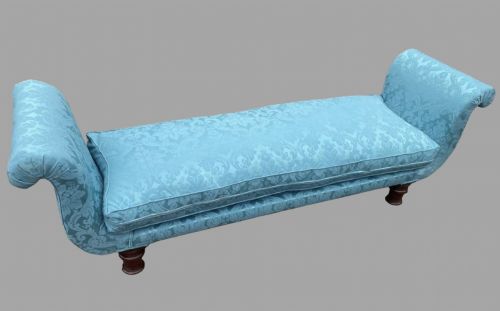
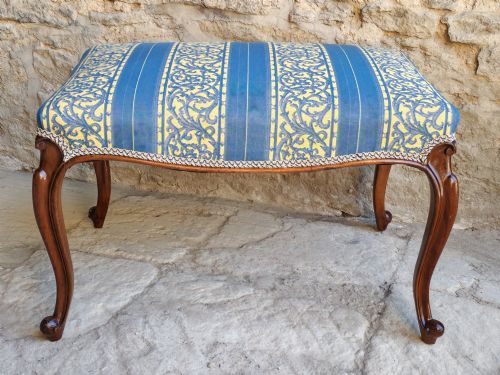
A french blue bench covers a range of nineteenth century seating including settees, sofas, daybeds, and hall benches. These forms emerge in styles such as Louis XV, Louis XVI, Rococo Revival, and Victorian.
The pieces on this page include walnut, mahogany, and painted woodwork paired with upholstery materials like fabric and velvet. Buyers encounter forms designed for halls, bedrooms, and reception spaces across various periods.
How they were made
The construction relies on timber frames of walnut and mahogany alongside painted and giltwood finishes. Carving shapes the structural woodwork in styles reflecting French and Victorian design traditions.
Upholstery incorporates fabric and velvet, sometimes featuring caning or tassel trim. Artisans combined carved wooden frameworks with traditional stuffing and textile covers.
French Blue Bench Retail Price Guide 2026
Typical asking prices for french blue bench among the pieces listed under this phrase on Sellingantiques today, from the lower quarter to the upper quarter. They describe what is for sale here now, not the wider market.
Listings feature nineteenth century periods alongside walnut, mahogany, fabric, velvet, paint, and gold leaf materials.
What varies in quality
Quality appears in the crispness of the carved ornamentation upon the walnut or mahogany frames. Deft hand-carving distinguishes finer examples from simpler production.
The execution of painted and gilded surfaces alongside the choice of upholstery textiles shapes the character of each piece. Superior execution in the woodwork and decorative finish defines the upper end of the range.
The French Blue Bench Glossary
- Settee
- A long upholstered seat for more than one person with a back and arms. This form appears frequently among nineteenth century seating.
- Caned
- Woven cane panels utilised for the backs or seats of chairs and settees. This technique provides a light, textured surface.
- Giltwood
- Wood covered with a thin layer of gold leaf. This finish appears on decorative frames from the period.
- Bergère
- An enclosed upholstered armchair or sofa with wooden framing exposed. These seats often feature upholstered arms and backs.
French Blue Bench: Frequently Asked Questions
Where were these benches used?
These seating forms served multiple rooms within historic homes, from grand reception spaces to bedrooms and hallways. Hall benches provided practical seating near entrances.
Settees and daybeds furnished parlours and bedrooms where comfortable lounging and formal seating were required.
How do I identify the style?
Style identification relies on examining the carved details, frame shapes, and decorative motifs present in the woodwork. Louis XV and Louis XVI styles exhibit distinct carving and structural lines.
Victorian and Rococo Revival examples introduce heavier proportions or exuberant curves that set them apart from earlier neoclassical designs.
What materials are common?
Walnut and mahogany form the primary structural timbers for these seating pieces. Painted finishes and giltwood also appear across the selection.
Upholstery relies on textiles such as velvet and standard fabric, occasionally accented with tassel trim or cane work.