







French Barbizon Oil Painting
A french barbizon oil painting brings the quiet, unidealised pastoral landscapes of nineteenth-century rural France directly into a room.
French Barbizon Oil Painting
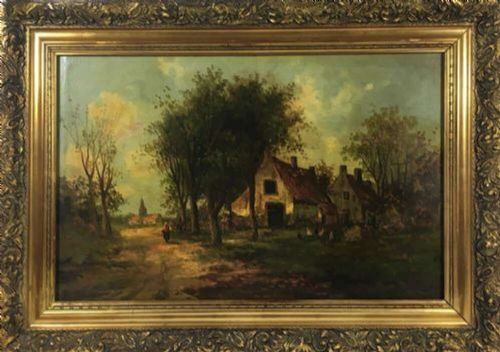
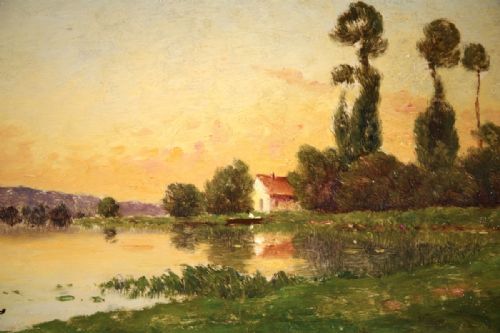
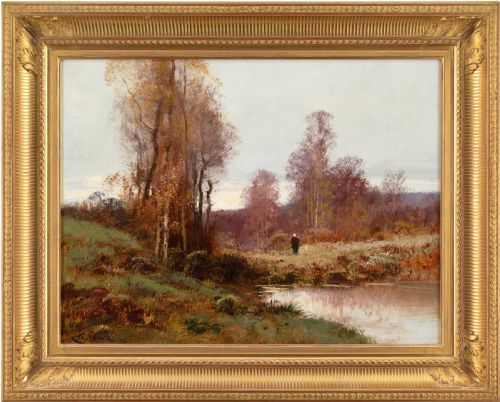
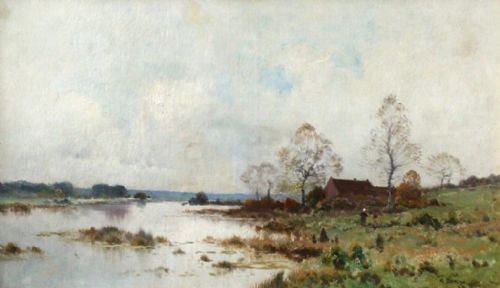
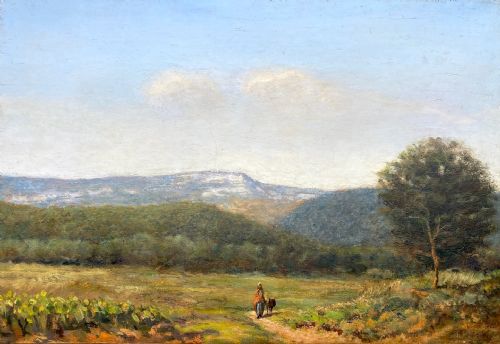
When you search for a french barbizon oil painting, you encounter works rooted in the nineteenth-century movement that championed painting outdoors directly from nature. These pieces capture farmyards, forests, rivers and pastoral scenes painted in France, often associated with the Fontainebleau forest.
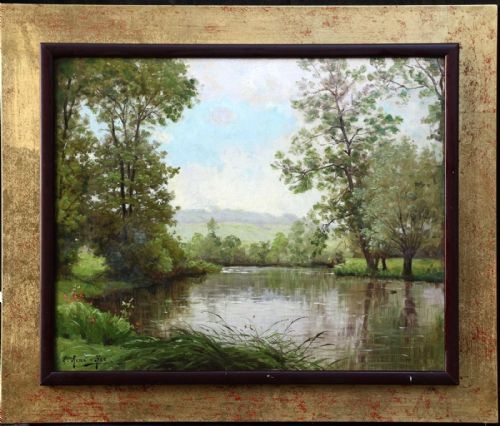
The versions most commonly met on this page date from the nineteenth century, including specific decades such as eighteen-sixty, eighteen-seventy and eighteen-ninety. They typically portray rural life, cattle grazing, lone figures or quiet waterways under natural light.
Objects range from intimate nature studies to larger framed landscapes executed in oil on canvas, board or panel. They reflect traditions developed by French artists who turned away from academic classicism to observe light and atmosphere directly.
Materials and Technique
Painters of this tradition utilised oil paint applied to canvas, wood panels or paper mounted on panel. Pigments were worked with brush and palette knife to capture the textures of foliage, earth, water and sky.
Many works were executed plein air, capturing transitory effects of light and weather in the French countryside. Canals, rivers and forests of Fontainebleau provided the direct subjects for these observations.
Frames made from wood, giltwood and gilded wood frequently house these oils, complementing the tones of the nineteenth-century canvases they enclose.
A mother dogue and her pups resting in the stables occasionally join the quiet cattle and lonely cowherdesses in the forest.
Judging Quality and Execution
Quality rests upon the confidence of brushwork and the artist's ability to render atmosphere, light and depth within a landscape. Stronger works demonstrate a sure handling of tone and colour, particularly in skies and wooded shadows, rather than rigid academic finish.
The connection to the core tradition matters, whether through direct attribution to known painters of the French school, circle works, or unsigned nature studies that capture the observational immediacy of the Fontainebleau forest.
Paul Désiré Trouillebert·Charles Clair·Henri Jaques Delpy·Alphonse Robert·Pierre Emmanuel Eugene Damoye·Charles Edmond Rene His·Henri Joseph Harpignies
The French Barbizon Oil Painting Glossary
- Barbizon School
- A group of French painters who gathered in the village of Barbizon near the Fontainebleau forest to paint landscape and pastoral subjects from direct observation. They laid important groundwork for the development of Impressionism.
- Plein Air
- Painting outdoors in the open air, allowing the artist to record direct observations of natural light, weather and landscape. This technique defined much of the nineteenth-century French landscape tradition.
- Chiaroscuro
- The strong contrast between light and dark within a painting, utilised by Barbizon artists to model volumes of trees, figures and terrain. It creates dramatic depth and mood in forest interiors and sunset scenes.
- Oil on Canvas
- Pigment mixed with drying oil applied to a stretched woven fabric support, which remains the primary medium for the majority of these landscapes.
French Barbizon Oil Painting: Frequently Asked Questions
What is a french barbizon oil painting?
These works are nineteenth-century French landscape and pastoral paintings created by artists who observed nature directly in locations such as the Fontainebleau forest. They portray rural scenes, farmyards, rivers and woodlands with a focus on natural light and atmospheric honesty.
Such paintings formed a bridge between traditional academic landscape art and the emergence of Impressionism, valuing the lived experience of the countryside over grand historical narratives.
How were these paintings displayed originally?
Nineteenth-century oils were typically housed in wooden frames, often finished in giltwood or gilded wood to enhance the warmth of the canvas within domestic interiors. These frames were selected to project the artwork forward on panelled or papered walls.
Today, retaining a period frame maintains the historical integrity of the piece, though many works have been reframed over their long lifespan to suit changing decorative tastes.
How do I live with an antique oil painting?
Living with these landscapes involves placing them away from direct sunlight and excessive humidity fluctuations to protect the oil paint and canvas support. Regular gentle dusting with a soft brush keeps the surface clear without risking moisture damage.
Allowing the canvas to breathe in a stable environment ensures the nineteenth-century materials remain secure within their wooden frames for years to come.
How can I tell the period of these landscapes?
Dating relies on stylistic evidence, artist signatures, biographical records and the physical composition of the canvas, board or panel. Nineteenth-century works often carry specific stylistic markers such as plein air execution and tonal restraint.
Examining the reverse of the canvas or panel frequently reveals historical inscriptions, stamps, or labels that help anchor the painting within the Victorian era or specific decades like eighteen-seventy or eighteen-ninety.