



French Baker Table
A french baker table brings practical utility and enduring character to a kitchen, combining heavy timbers with cool stone surfaces designed for daily preparation.
French Baker Table
A french baker table serves as a sturdy work surface rooted in commercial food preparation, typically found in provincial bakeries and farmhouses. These pieces span the nineteenth century and the early twentieth century, carrying the distinct imprint of heavy daily use in their timber frames and stone slabs.
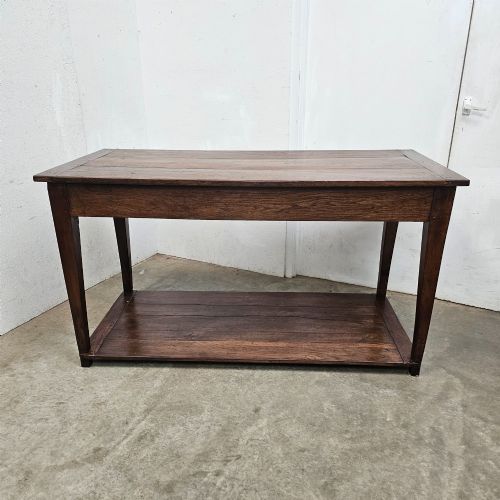
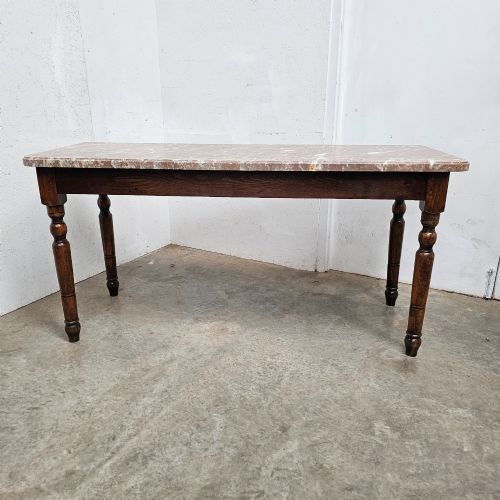
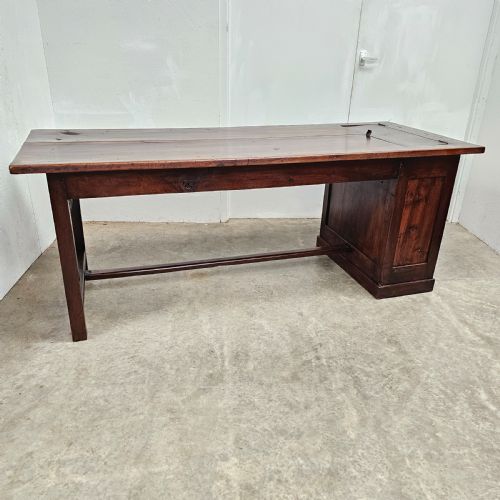
The version most commonly met on this page combines a substantial wooden base in oak, pine, walnut, or fruitwood with a heavy marble or zinc top. Many examples incorporate lower tiers or drawers originally intended for storing baking implements, flour, or daily provisions.
Stylistically, these tables align with rustic farmhouse, French provincial, and industrial traditions. They function equally well today as kitchen prep islands, console tables, or dining surfaces within country-house interiors.
Materials and Construction
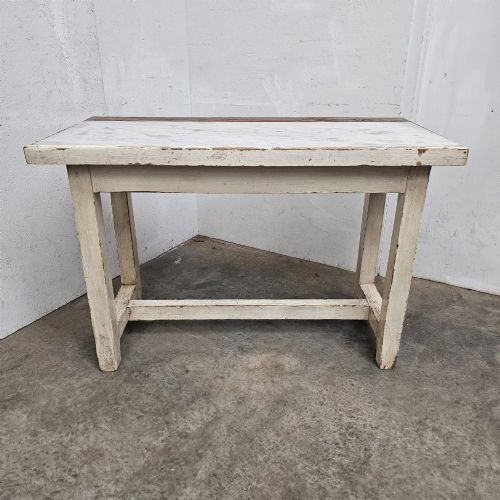
The construction relies on heavy timbers such as oak, pine, and walnut, often joined with robust stretcher bases to support the weight above. Two-board tops and thick planks demonstrate the structural necessity of stability during vigorous kneading and rolling tasks.
Marble and zinc provide the traditional work surfaces, prized for their cool, hygienic properties when handling dough and pastries. Wrought iron and brass elements occasionally appear in the framing and hardware, adding structural rigidity and industrial contrast to the wooden bases.
Many authentic work tables still carry faint flour dust deep within their ancient timber joints, left behind by industrious bakers centuries ago.
What Varies in Quality
The distinction between standard utility pieces and finer examples rests largely on the choice of materials and the integrity of the original top. Tables retaining their thick, original marble slabs or well-figured two-board walnut and oak tops command greater interest than those with replaced surfaces.
The French Baker Table Glossary
- Patisserie
- A French pastry shop or the style of table traditionally used within one. These tables often feature display or preparation surfaces suited to delicate baking.
- Boulangerie
- A French bakery establishment. Pieces originating from these commercial settings typically display robust construction designed to withstand continuous daily labour.
- Charcuterie
- A shop or preparation area dedicated to cured meats. Tables associated with this use often incorporate durable stone tops that resist staining and remain cool.
- Two-Board Top
- A wooden tabletop constructed from two wide planks joined together. This method appears frequently on substantial nineteenth-century preparation tables.
- Wrought Iron
- Iron heated and hammered into shape by a blacksmith. This material provides strong, rigid framing for industrial and provincial tables.
French Baker Table: Frequently Asked Questions
What is a french baker table?
A french baker table is a heavy utilitarian work table originally used in continental bakeries and farmhouses for preparing bread and pastries.
These pieces combine robust wooden frames with cool marble, zinc, or thick timber tops designed to withstand heavy daily labour.
How were they used originally?
Bakers utilised the cool stone or thick wooden surfaces for kneading dough, rolling pastry, and displaying daily goods in shop windows.
Lower tiers and drawers provided accessible storage for flour sacks, baking tins, and mixing utensils during busy shifts.
Where should I place one?
These tables fit naturally into kitchens and pantries as functional island prep stations or casual dining surfaces.
They also serve effectively in hallways or living areas as console tables, bringing texture and historical character to the room.
How do I care for the top?
Marble and zinc surfaces require gentle cleaning with mild soap and water to preserve the finish without scratching the material.
Wooden frames benefit from occasional waxing to nourish the dry timber while maintaining the authentic patination acquired over generations.