





French Art Glass Lighting
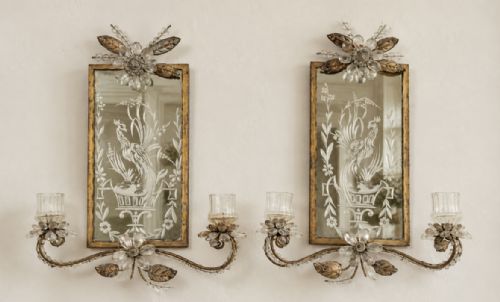
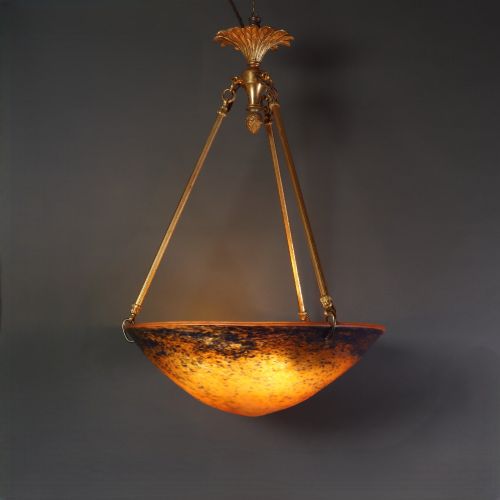
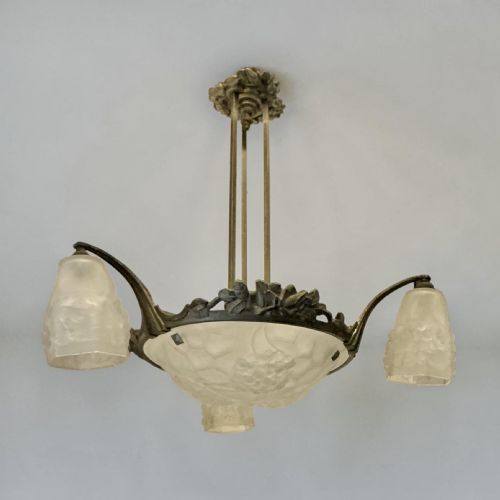
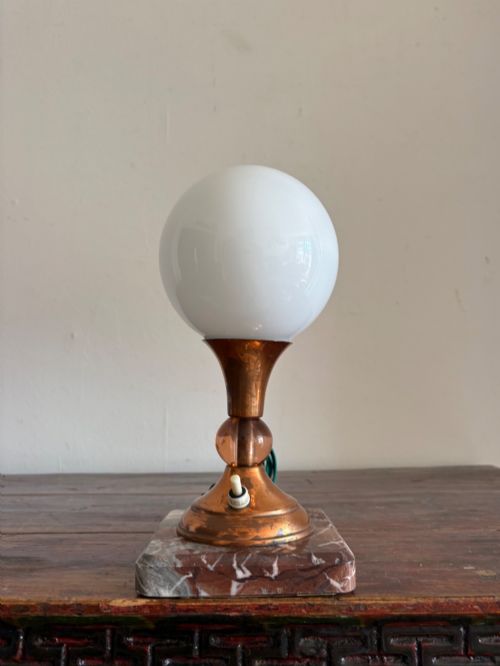
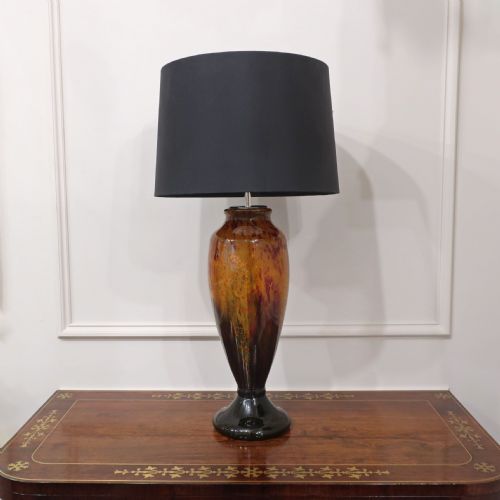
French art glass lighting brings tactile warmth to a room through mottled glass globes, frosted shades and sculptural metal bases.
French Art Glass Lighting
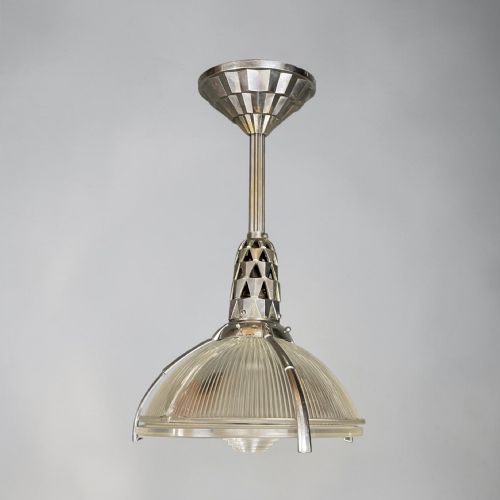
French art glass lighting encompasses functional fixtures designed to illuminate interiors through decorative glass shades paired with supportive metal or marble mounts. Buyers searching for french art glass lighting encounter various forms spanning pendant lights, wall sconces, table lamps and ceiling lights.
The pieces appearing most frequently originate from the early decades of the twentieth century, particularly the 1920s and 1930s. These items showcase distinct stylistic movements, moving from organic Art Nouveau botanical curves to geometric Art Deco silhouettes.
Materials and construction methods
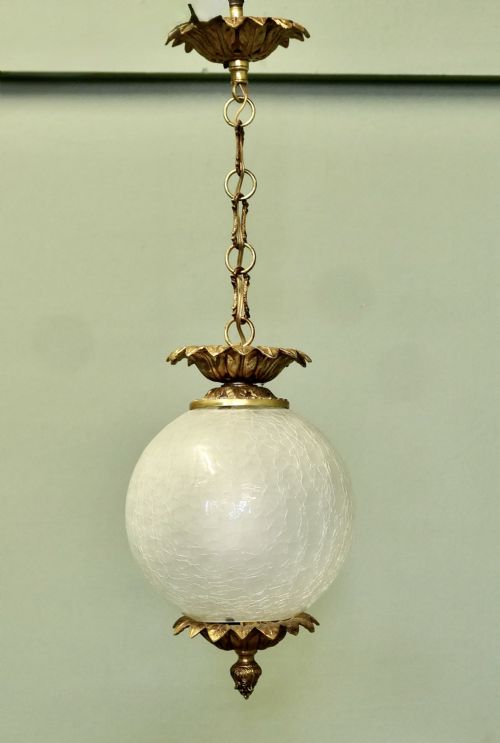
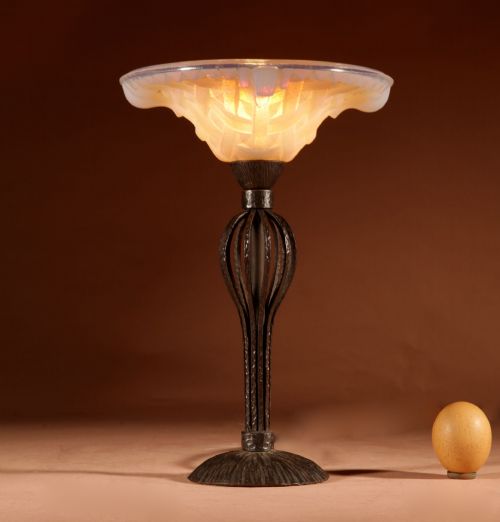
Makers utilised specialised glass techniques, combining frosted, opalescent, enamelled and mottled glass for shades and diffusers. These glass elements diffuse light softly while displaying rich colouration and texture.
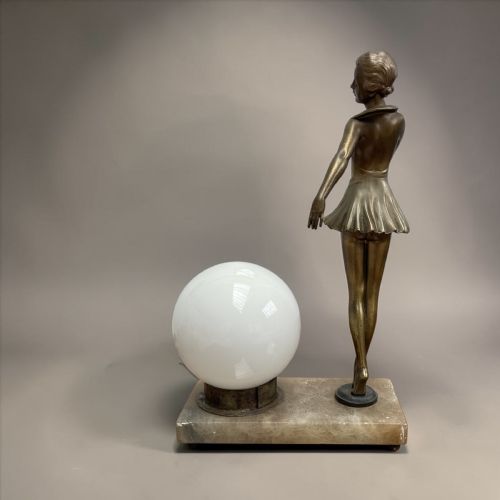
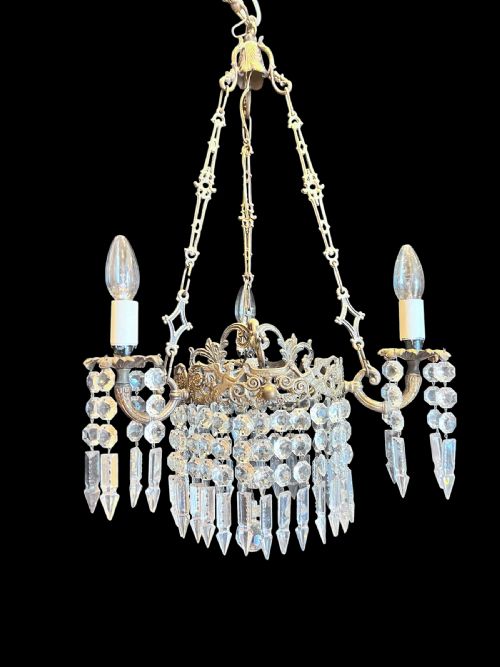
Metalwork provides structural support through brass, bronze, copper, wrought iron and chrome mountings. Bases often incorporate additional tactile materials such as marble, spelter or bakelite to anchor the heavier glass components.
French Art Glass Lighting Retail Price Guide 2026
Typical asking prices for french art glass lighting among the pieces listed under this phrase on Sellingantiques today, from the lower quarter to the upper quarter. They describe what is for sale here now, not the wider market.
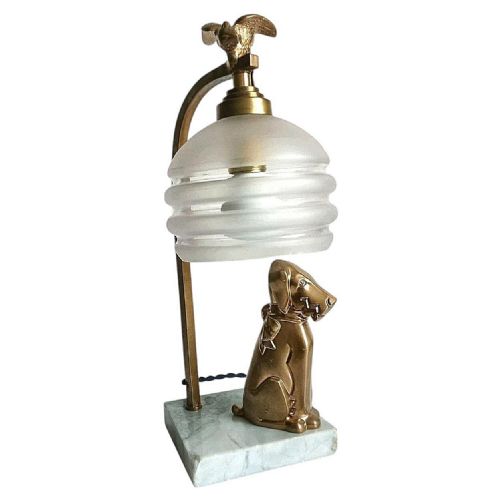
Novelty animal bases featuring dogs and parrots remind us that past owners enjoyed a touch of humour with their evening illumination.
Factors influencing quality
Quality rests upon the execution of the glasswork, where depth of colour, uniformity of mottling and sharpness of moulded relief distinguish standard production from exceptional pieces. The weight and finish of the supporting metal components, whether hand-forged iron or cast bronze, contribute equally to the overall standard.
Attribution to known workshops or signatures etched into the glass elevate a piece. The integrity of the original pairing between shade and base also dictates the desirability of any given light fixture.
Maison Bagues·Charles Schneider·Degué·Émile-Jacques Ruhlmann·R Lalique·Daum·Muller Bros·Baccarat
The French Art Glass Lighting Glossary
- Plafonnier
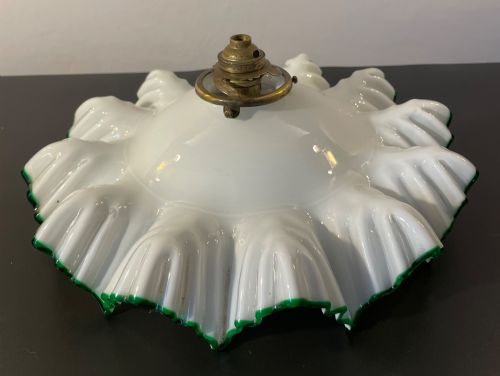
- A ceiling-mounted bowl light that sits flush or close to the ceiling surface. These fixtures cast an even downward glow across a room.
- Opalescent glass
- Glass that exhibits a milky, milky-blue or iridescent appearance when light passes through it. This technique creates subtle shifts in tone.
- Spelter
- A zinc alloy frequently utilised as a cost-effective substitute for bronze in decorative lamp bases. It takes patination well to resemble heavier metals.
- Mottled glass
- Glass incorporating patches of contrasting colour swirled together during the heating process. It yields a dappled surface texture when illuminated.
French Art Glass Lighting: Frequently Asked Questions
Can these antique lamps take modern bulbs?
Many fixtures accommodate standard modern screw or bayonet bulbs provided the physical dimensions fit within the glass shade. However, older wiring requires professional inspection and rewiring to meet contemporary safety standards.
Consult a qualified electrician to assess the internal components before connecting the lamp to a power source. LED bulbs are recommended to reduce heat output inside enclosed antique glass shades.
How do I tell Art Nouveau from Art Deco pieces?
Art Nouveau designs draw inspiration from the natural world, featuring flowing plant stems, floral elements and undulating asymmetrical lines. Bronze and brass frames often mimic organic growth.
Art Deco shifts toward rigid geometry, industrial materials and streamlined symmetry. Understanding this transition from organic curves to sharp angles helps date and categorise the lighting.
Where should I place a glass pendant light?
Glass pendant lights and plafonniers suit hallways, dining spaces or bedrooms where ambient illumination is required. Their translucent shades distribute light evenly across the surrounding area.
Consider the hanging height in relation to traffic paths and ceiling clearance. Pairing them with a dimmer switch allows control over the brightness of the room.