
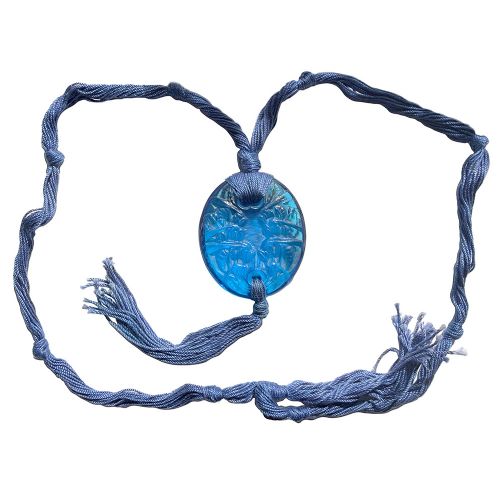
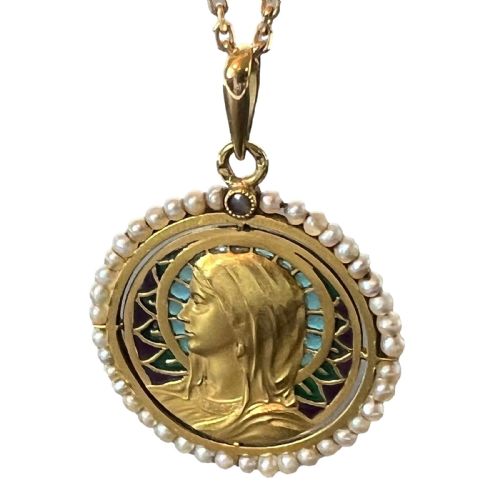
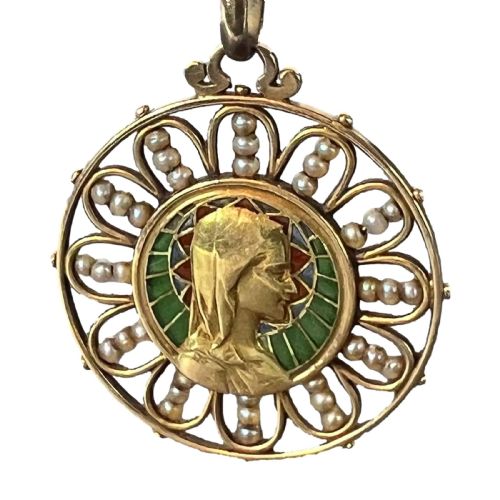


French Art Glass Jewellery
French art glass jewellery combines intricate moulded glass and enamel with precious metals, offering wearable miniature sculptures from the late nineteenth and early twentieth centuries.
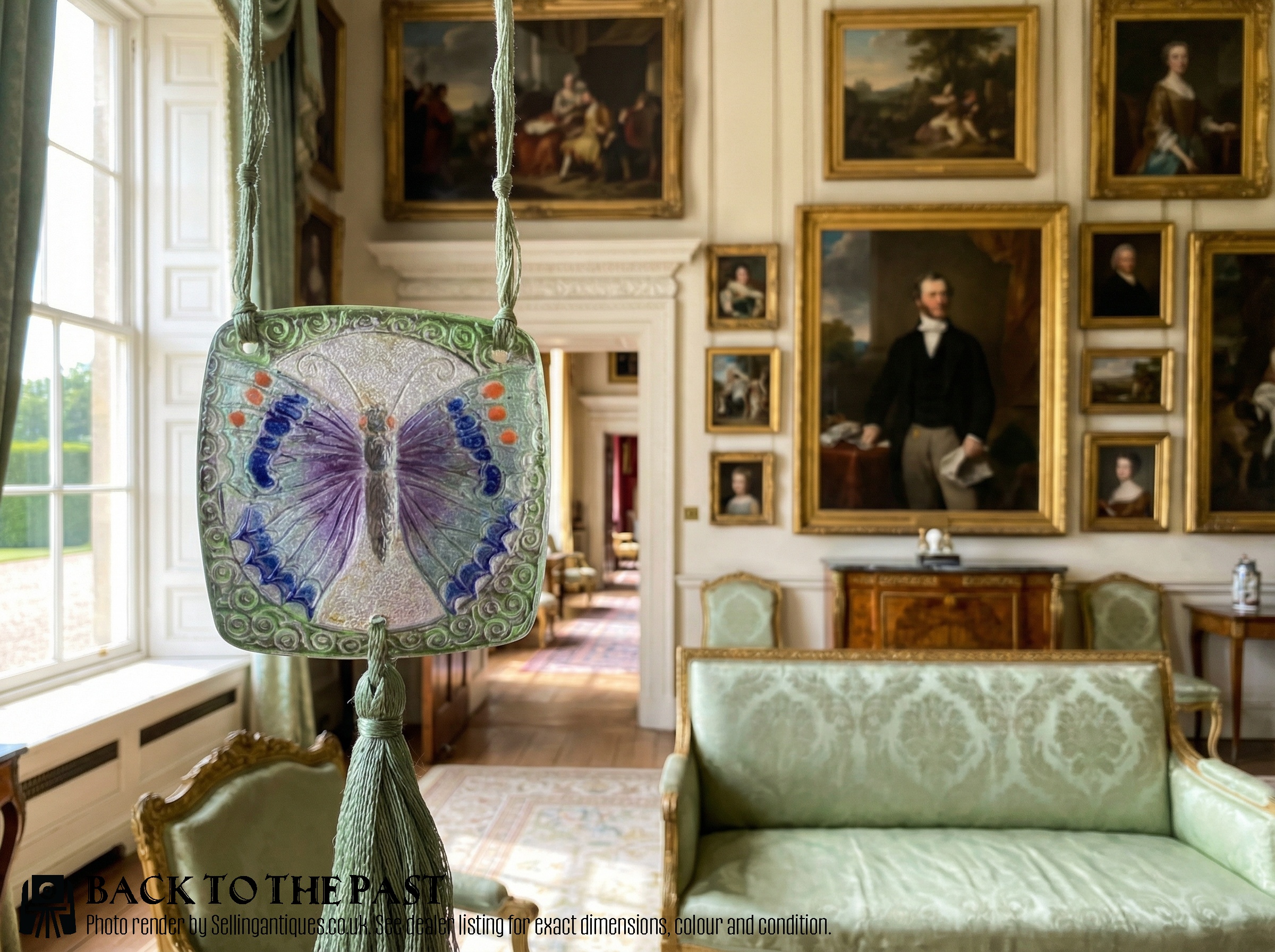
French Art Glass Jewellery
When you search for french art glass jewellery, you encounter wearable works created during the height of the Art Nouveau and Art Deco movements. These pieces bridge the gap between fine metalwork and innovative glassmaking, focusing on botanical, insect, and devotional motifs.
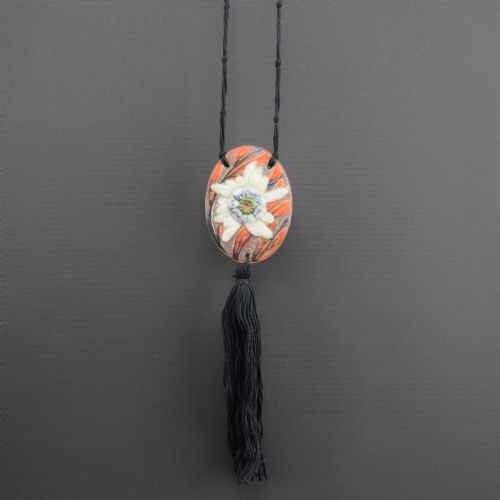
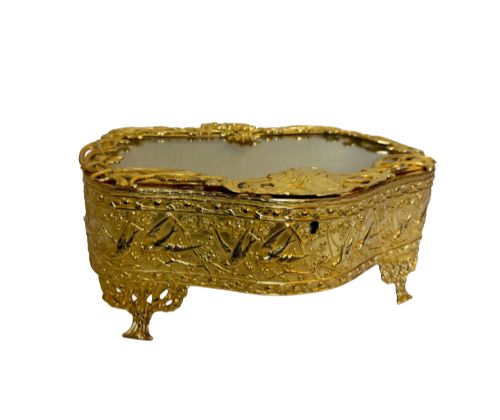
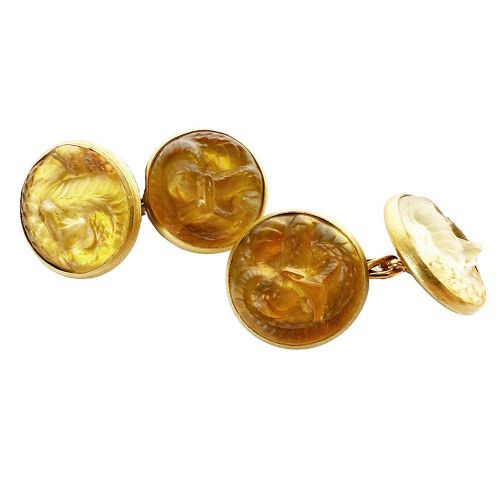
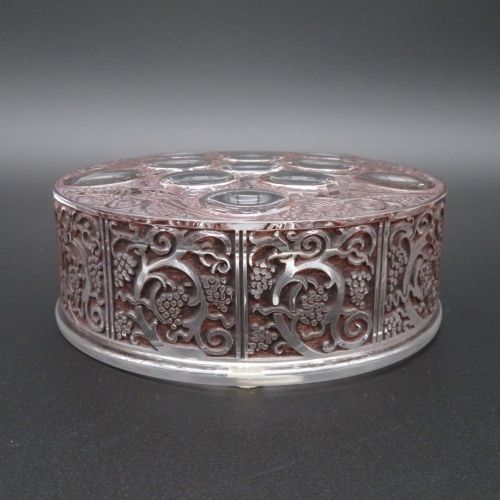
The items seen here span from the eighteen-eighties through the nineteen-thirties, featuring pendants, cufflinks, and vanity boxes. Pendants dominate the selection, often suspended from textile cords and showcasing intricate pate-de-verre or plique-à-jour techniques.
The most common examples combine moulded glass plaques with precious settings like eighteen-karat yellow gold or gilt bronze. Buyers find both naturalistic floral designs from the early decades and geometric, stylised forms from later periods.
How they were made
Makers utilised specialised glass techniques such as pate-de-verre, where powdered glass is fused in a kiln to achieve rich colour gradation and a textured, matte finish. This method allows for deep relief work that captures fine details on pendants and decorative boxes.
Metalworkers combined cast or gilt bronze and eighteen-karat yellow gold to frame the glass elements securely. Plique-à-jour enamel frequently appears alongside the glass, creating translucent cells of colour that catch the light like stained glass windows.
Listings feature items spanning the eighteen-eighties to the nineteen-thirties, encompassing both Art Nouveau and Art Deco movements.
What varies in quality
The crispness of the moulded relief and the depth of colour within the pate-de-verre separate standard pieces from exceptional examples. Master glassmakers achieved subtle shading and sharp definition that lesser workshops failed to replicate in their secondary casts.
The integration between the metal mount and the fragile glass centre dictates the structural success of the jewellery. Superior mountings hold the glass securely without obscuring the delicate edges of the design.
Rene Lalique·Gabriel Argy Rousseau·Amalric Walter
The French Art Glass Jewellery Glossary
- Pate-de-verre
- A French term for glass paste, created by packing finely crushed glass into a mould and firing it in a kiln. This technique produces a distinctive frosted texture and varied colour density.
- Plique-a-jour
- An enamelling technique where enamel is applied to open-backed cells, allowing light to pass straight through the translucent material. It resembles miniature stained glass.
- Art Nouveau
- A design style flourishing from the late nineteenth century until the First World War, characterised by flowing, organic lines inspired by plants and insects. Pieces from this era often feature natural motifs like serpents and thistles.
- Art Deco
- A later style emerging in the nineteen-twenties that favours symmetry, geometric patterns, and stylised representations of nature. It moves away from the sweeping curves of the preceding movement.
French Art Glass Jewellery: Frequently Asked Questions
How do I care for fragile glass pendants?
Store each pendant separately in a lined box to prevent scratching against other items. Avoid exposing vintage glass and enamel to ultrasonic cleaners, harsh chemicals, or sudden temperature changes.
Clean the surface gently using a soft, dry cloth. Take care when wearing pieces with textile cords to avoid pulling on the delicate bail or suspension loop.
How do I distinguish Art Nouveau from Art Deco pieces?
Art Nouveau pieces, generally dating from the earlier decades, feature asymmetrical, flowing lines inspired by natural forms like insects, flowers, and serpents. The overall aesthetic feels organic and soft.
Art Deco items embrace symmetry, crisp geometric shapes, and stylised depictions of flora or fauna. The transition reflects a broader shift in design tastes during the interwar period.
What materials are typical in these designs?
The primary component is moulded art glass, often executed in pate-de-verre or translucent coloured formulations. Metal mounts typically consist of eighteen-karat yellow gold or gilt bronze.
Enamel work, particularly plique-a-jour, frequently appears alongside pearls or textile cords. Each material was chosen to maximise the play of light through the jewellery.