




French Art Deco Bar
A french art deco bar brings striking geometric lines and luxurious materials into a room, offering both functional service and sculptural presence.
French Art Deco Bar
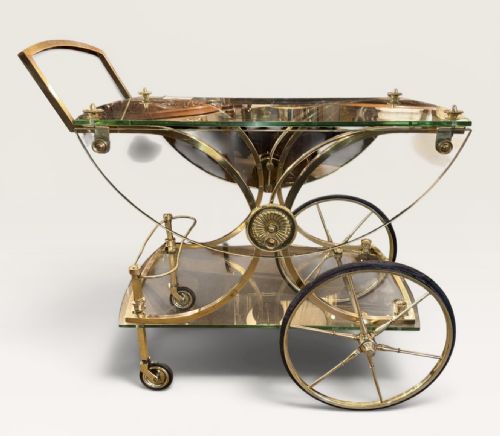
A french art deco bar encompasses a range of entertaining equipment and furniture from the early twentieth century, spanning large cabinets, drinks trolleys, and smaller barware accessories. When exploring this search phrase, buyers encounter substantial pieces such as parchment inlaid cabinets and burr amboyna cocktail carts, alongside mobile chrome carts designed for serving guests.
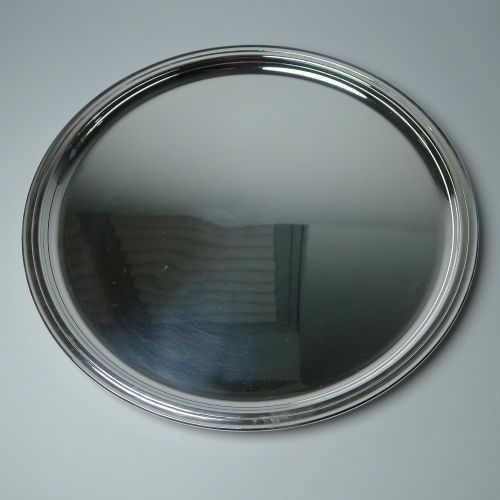
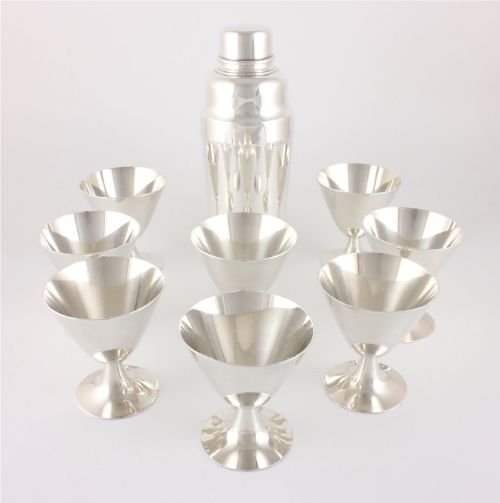
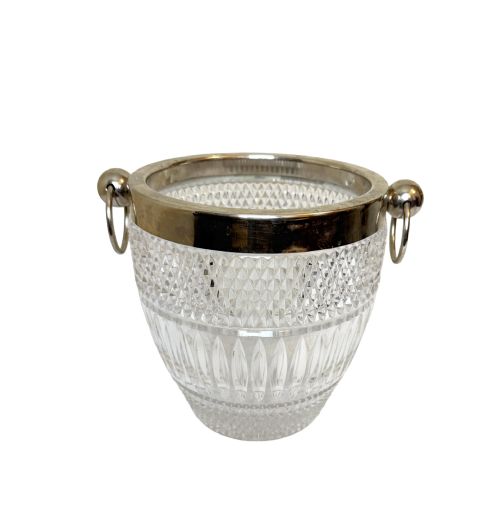
The selection also includes smaller tabletop items and personal accessories created in the same design vocabulary, including silver-plated cocktail shakers, cut crystal ice buckets, and novelty cocktail sticks. Most examples date from the nineteen-thirties, with related pieces appearing from the nineteen-twenties and nineteen-forties.
Beyond larger furniture, the category extends to associated hardware and decorative objects like bronze door pulls and gold bar brooches. These diverse objects share the characteristic sleek geometry and quality manufacturing associated with the period.
How they were made
Craftsmen built these pieces using a combination of rich exotic woods and reflective metals, applying materials like macassar ebony, burr amboyna, and parchment over sturdy wooden carcasses. Metalwork played a central role, utilising chrome, brass, bronze, and silver-plate to construct trolleys, ice buckets, and decorative details.
Glass and crystal were frequently incorporated into bottles, trays, and ice containers, often paired with metal mounts or cut with geometric patterns. Specialised manufacturing techniques also included enamel work and precision casting for smaller cocktail accessories and figural items.
French Art Deco Bar Retail Price Guide 2026
Typical asking prices for french art deco bar among the pieces listed under this phrase on Sellingantiques today, from the lower quarter to the upper quarter. They describe what is for sale here now, not the wider market.
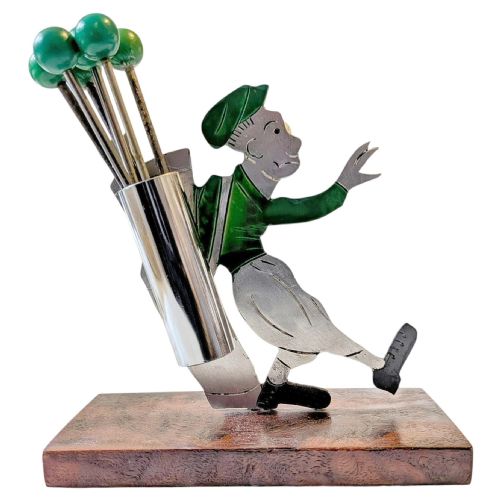
Among the barware are comical golfer and cherry man cocktail sticks ready to spear an olive.
What varies in quality
The weight and finish of the metal components, from silver-plated shakers to heavy chrome trolleys, indicate the original standard of production. Finer items demonstrate careful attention to detail in their joints, hardware, and decorative surfaces.
Christofle Paris·Maurice Jallot·Maison Bagues·Sudre
The French Art Deco Bar Glossary
- Art Deco
- A design style characterised by streamlined forms, geometric patterns, and modern materials that dominated the interwar period. It emphasises sleek lines and functional elegance.
- Parchment
- Animal skin used as a luxury veneer on high-end furniture surfaces during the period. It provides a smooth, pale, tactile finish.
- Macassar
- A heavily figured tropical hardwood prized for its dark brown and black grain patterns. It was frequently used by leading designers for statement cabinetry and trays.
- Silver-plate
- A base metal coated with a thin layer of silver to give the appearance of solid precious metal. It was widely utilised for cocktail shakers and barware.
- Burr amboyna
- A highly decorative wood burl exhibiting intricate swirling grain patterns. It was selected for luxury cabinetwork and cocktail carts.
French Art Deco Bar: Frequently Asked Questions
What defines a french art deco bar?
These pieces are defined by their distinct interwar aesthetic, utilising geometric shapes, polished metals, and exotic wood veneers. They combine practical entertaining functions with striking sculptural design.
Items range from large drinks cabinets and mobile trolleys to smaller silver-plated shakers and crystal ice buckets, all reflecting the sophisticated entertaining culture of the period.
How were drinks trolleys used?
Drinks trolleys served as mobile stations for hosting guests, allowing hosts to transport bottles, glassware, and ice around a room with ease. They were central accessories for domestic entertaining during the nineteen-thirties.
Their tiered designs provided dedicated space for decanters and glasses, combining utility with a visible display of hospitality.
How do I care for wood and metal pieces?
Maintenance involves keeping wooden surfaces away from direct heat and moisture to protect delicate veneers like parchment or exotic timbers. Regular dusting with a soft cloth preserves the finish.
Metal components such as chrome and silver-plate benefit from gentle cleaning to maintain their reflective quality without abrasive polishes that might damage plated surfaces.
How can I distinguish nineteen-twenties from nineteen-thirties pieces?
Pieces from the nineteen-twenties often retain transitional elements blending earlier decorative traditions with emerging modernist geometry. They frequently feature rich details and fine metal mounts.
Items from the nineteen-thirties lean further into streamlined, industrial aesthetics, with a greater emphasis on chrome, clean planes, and functional efficiency.