



French Art Bronze Lighting
French art bronze lighting brings together figures, lamps, and chandeliers that illuminate rooms with the character of the nineteenth and twentieth centuries.
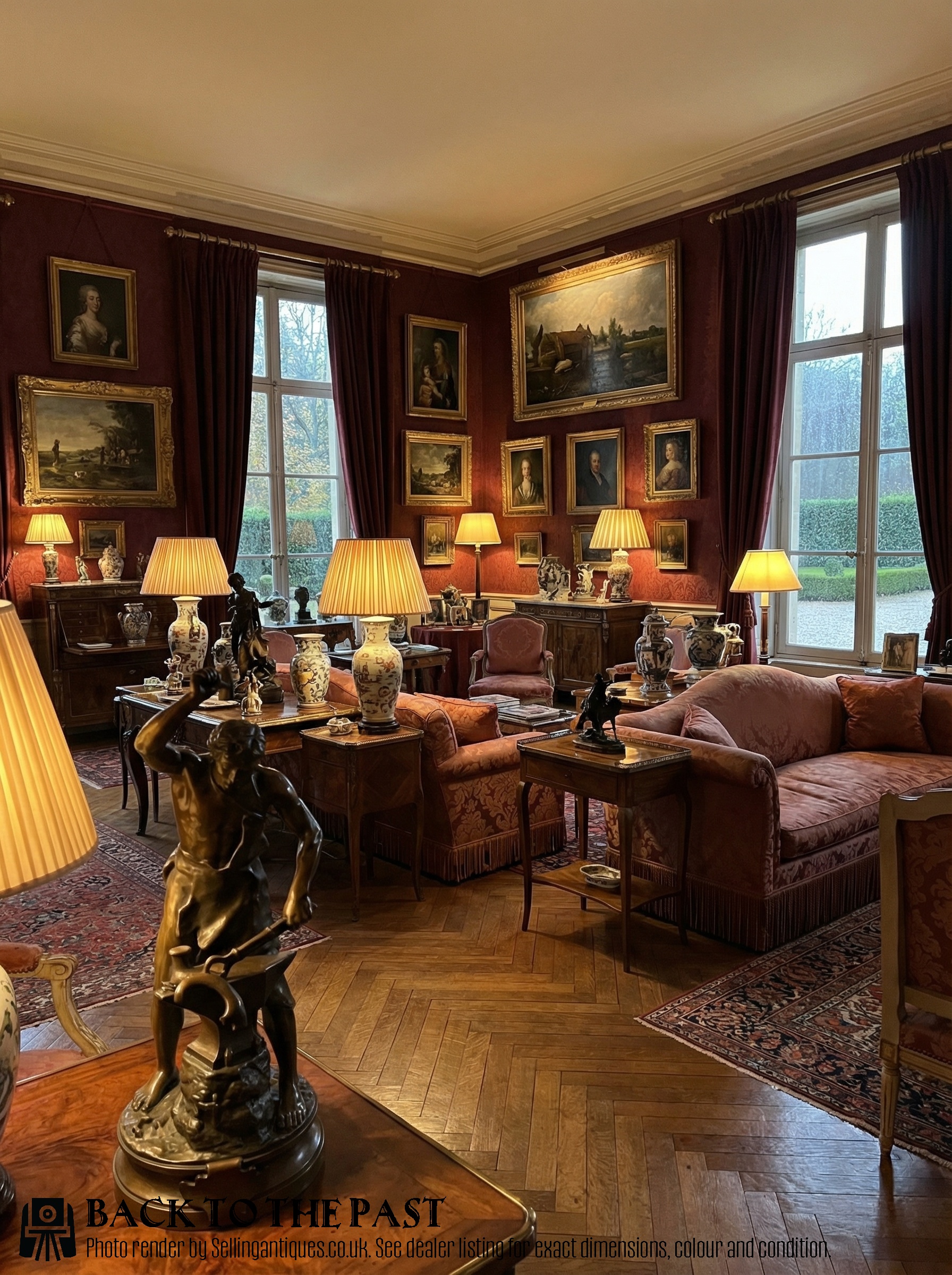
French Art Bronze Lighting
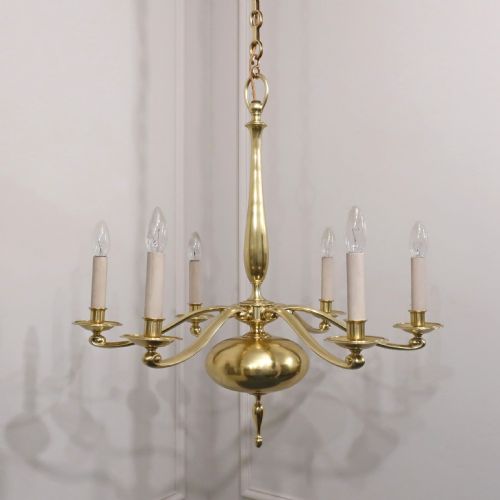
French art bronze lighting encompasses table lamps, wall sconces, chandeliers, and desk lamps originating from periods spanning the nineteenth century through the 1930s. Buyers seeking these fixtures find works shaped by Art Nouveau, Art Deco, Arts and Crafts, and Rococo Revival movements.
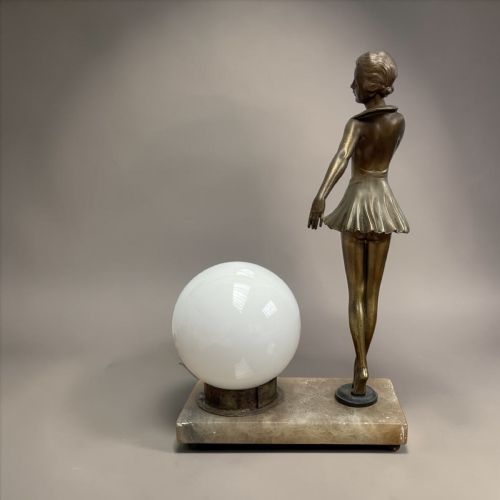
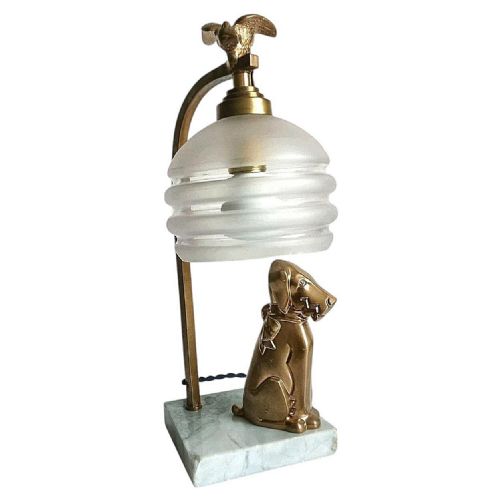
Makers and sculptors of the period produced figural lady lamps and animal subjects that double as sculptural works of art. These pieces reflect the French design aesthetics of the Belle Epoque and subsequent modernist decades.
How these pieces were made
Foundries cast bronze and spelter into intricate figural lamp bases, wall lights, and chandelier frames using traditional metalworking techniques. Metal components often received gilt, silvered, or bronzed surface treatments to achieve specific visual finishes.
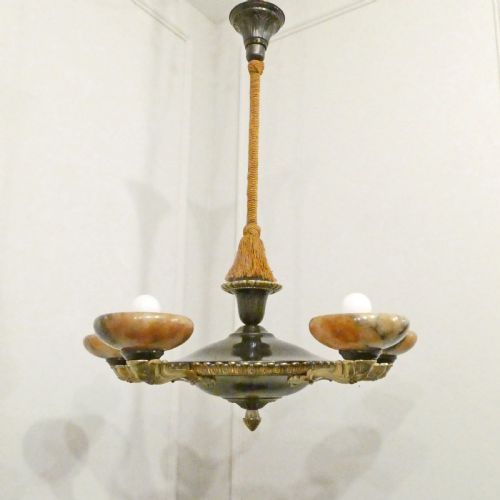
Craftsmen combined cast metals with carved marble bases, alabaster bowls, and pressed or frosted glass shades. Details such as glass cabochons and enamel work were integrated into bronze frameworks to add colour and texture to lamps and lanterns.
Materials paired with bronze across these pieces include marble, alabaster, frosted glass, and fabric.
What varies in quality
The distinction in quality rests upon the fidelity of the metal casting and the artistry of the sculptural form. Finer pieces display crisp definition in figural subjects and hand-finished patination that accentuates the contours of the bronze or spelter.
The choice of secondary materials, such as heavy marble bases, genuine alabaster, and shaped frosted glass, separates standard production items from more substantial commissions. Maker attribution and signed works by known sculptors further define the upper tier of the range.
L & F Moreau·G.E.C·Georges Leleu·Abel Landry·Henri Honore Ple·Adrien Gaudez·Auguste Moreau·P.Sega
The French Art Bronze Lighting Glossary
- Spelter
- A zinc alloy frequently utilised as a cost-effective alternative to bronze for figural lamp bases and sculptures. It takes patination well to simulate heavier metals.
- Gilt Bronze
- Bronze that has been coated with a thin layer of gold or gold leaf to give a bright, lustrous finish. It appears frequently on decorative chandeliers and wall lights.
- Art Nouveau
- A stylistic movement characterised by flowing, organic lines inspired by natural forms like plants and flowers. This aesthetic dominates many late nineteenth-century lamps and wall sconces.
- Art Deco
- A design style from the 1920s and 1930s favouring geometric shapes, streamlined forms, and modern materials. It is common in ceiling lights and table lamps from this era.
French Art Bronze Lighting: Frequently Asked Questions
How do I identify Art Nouveau lighting?
Art Nouveau lighting is distinguished by sinuous, organic lines and floral motifs that reflect natural growth. These pieces often incorporate figural elements such as flowing ladies alongside glass shades.
The materials frequently include bronze and spelter with patinated finishes, produced around the turn of the twentieth century. Look for whiplash curves and handcrafted plant-like details in the metalwork.
What is the difference between bronze and spelter?
Bronze is a durable copper alloy that patinates richly and holds fine sculptural detail over centuries. Spelter is a softer zinc alloy used widely for decorative figures and lamp bases.
Spelter is lighter than bronze and requires a painted or electroplated surface finish to resemble bronze or gilt metal. Many figural lamps from the early twentieth century utilise spelter.
How were these vintage lamps used originally?
Table lamps and desk lamps provided task and ambient lighting for boudoirs, libraries, and drawing rooms. Larger chandeliers and wall sconces illuminated halls and principal reception rooms.
Figural lamps also served as sculptural works of art that functioned as decorative focal points within French interiors. Their design allowed them to act as both art objects and functional light sources.
How do I care for antique bronze fixtures?
Dust bronze and metal surfaces gently with a soft, dry cloth to prevent the accumulation of dirt. Avoid harsh chemical cleaners or polishes that can strip the original historical patina.
Marble bases and glass shades can be cleaned with a damp cloth and dried immediately. Ensure electrical components are checked by a qualified professional before regular use.