

French Trinket
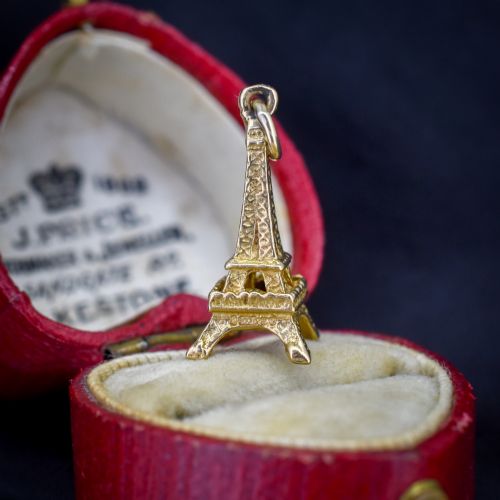
French antique trinket boxes and small caskets offer miniature architectural and decorative skill, holding everything from snuff to jewellery.
French Trinket
A french antique trinket selection includes small vessels designed for personal adornment, such as snuff boxes, pill boxes, jewellery caskets, and powder boxes. These containers served intimate daily rituals on dressing tables and in pockets throughout the nineteenth and early twentieth centuries.
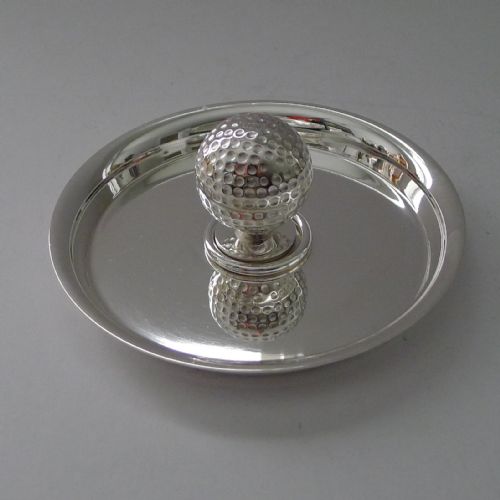
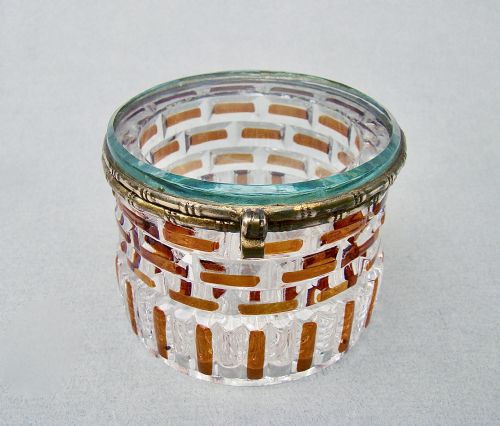
The objects span diverse shapes, from circular porcelain powder boxes and glass jars to hinged double-sided pill boxes and larger wooden glove boxes. Many items bridge utility and display, functioning as miniature strongboxes or decorative vide-poche dishes.
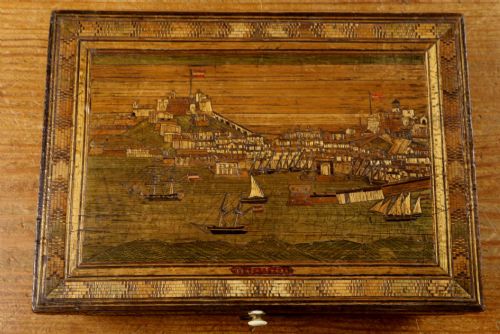
Makers utilised specific regional traditions, yielding pieces that range from Provincial faience and Napoleonic straw-work to Parisian ormolu-mounted crystal and Sevres porcelain.
Materials and Construction
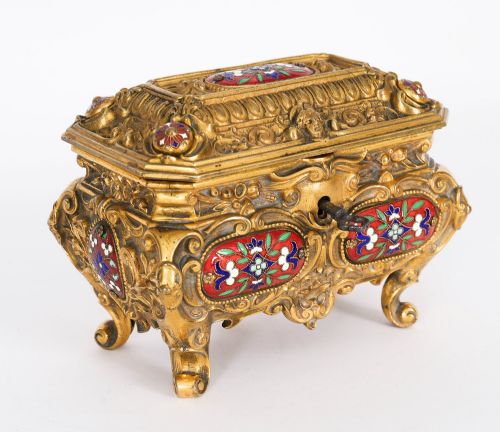
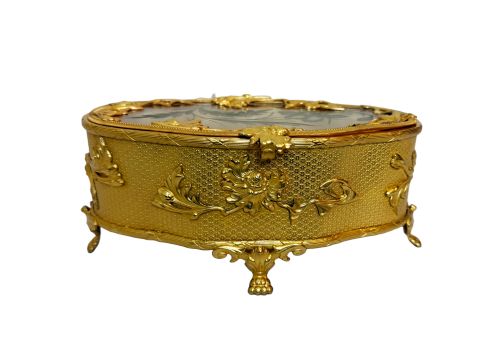
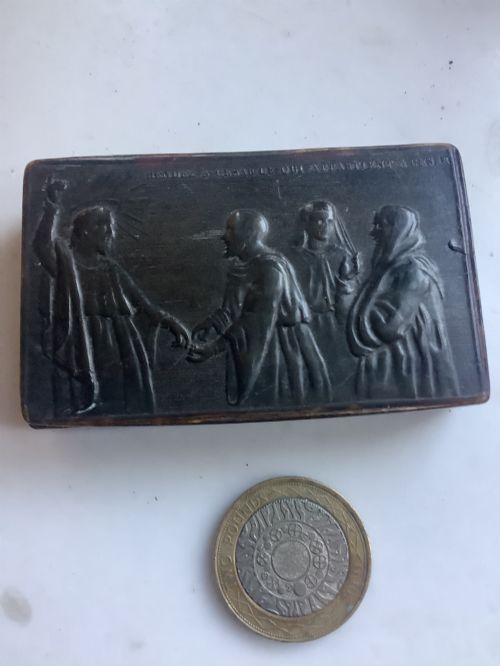
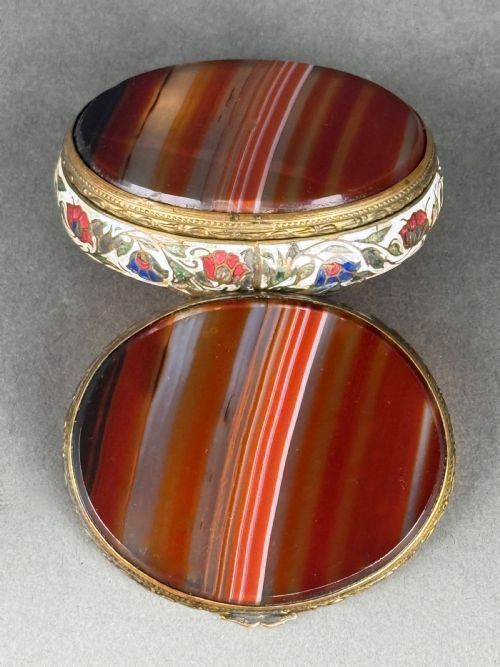
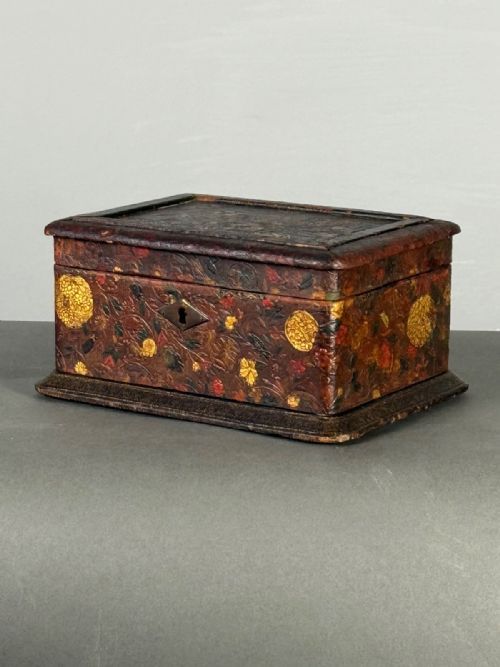
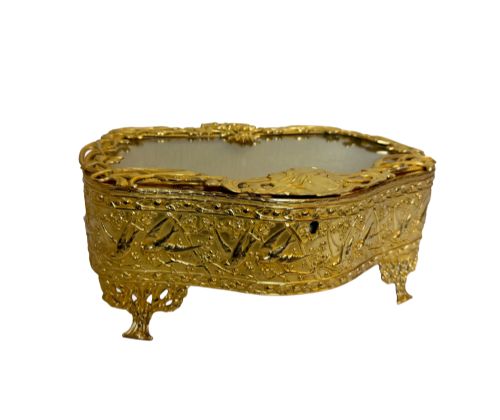
Metalwork forms the framework for many pieces, utilising brass, gilt bronze, ormolu, and solid gold to mount panels of glass, crystal, agate, and porcelain. Skilled artisans combined champleve enamel, hand-painted ceramic scenes, and tooled leather over wood or papier mache cores.
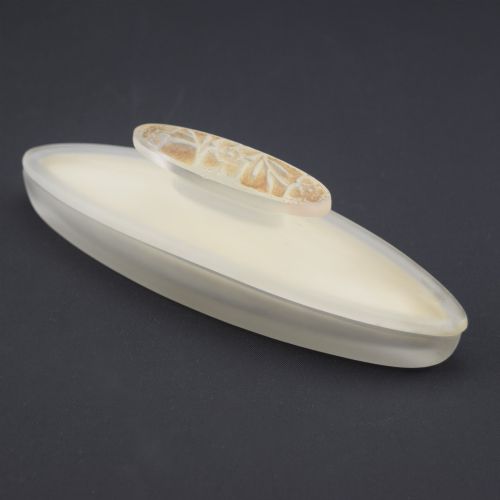
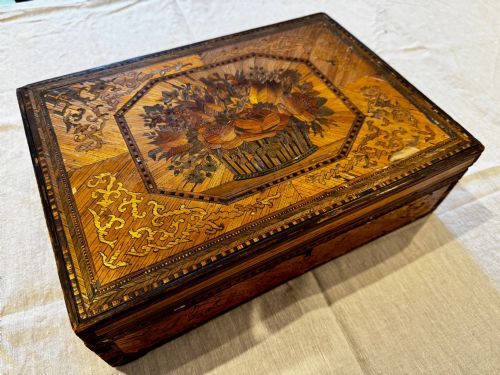
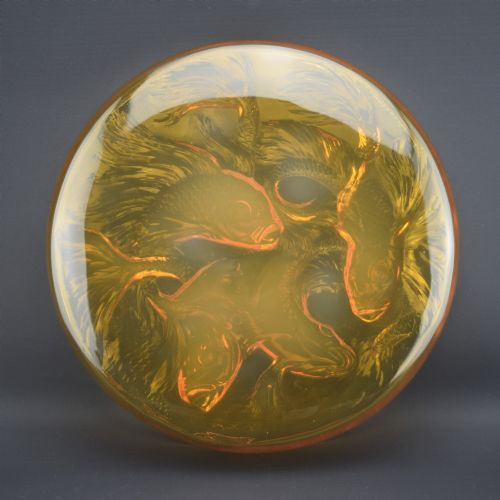
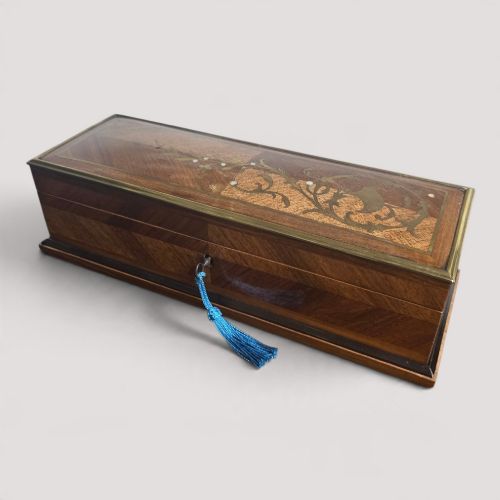
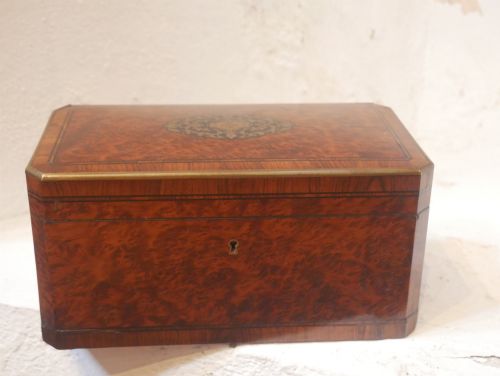
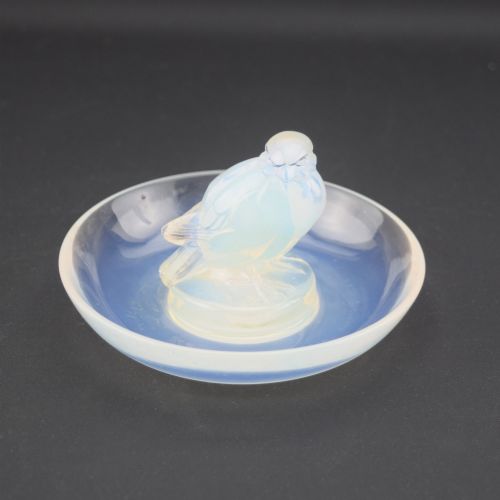
Glass production involved amber, blue, and clear crystal, often shaped into opaline dishes or pressed by notable makers like Rene Lalique and Baccarat. Wooden carcases received marquetry veneers such as kingwood and amboyna, or intricate straw-work decoration executed by prisoners of war.
French Trinket Retail Price Guide 2026
Typical asking prices for french trinket among the pieces listed under this phrase on Sellingantiques today, from the lower quarter to the upper quarter. They describe what is for sale here now, not the wider market.
Napoleonic prisoners passed the time crafting intricate decorative boxes out of simple wheat straw.
Evaluating Quality
Distinctions in quality rest upon the precision of the metal mounts, the clarity of the glass or crystal, and the delicacy of hand-painted enamel or porcelain details. Superior examples exhibit seamless joins in ormolu and secure hinges that align without play.
The choice of core materials also determines standard, separating simple turned wood or papier mache from heavy cast bronze, solid gold, and banded agate set with precious stones.
Rene Lalique·Susse Freres Paris·Van Cleef & Arpels·W Comyns
The French Trinket Glossary
- Ormolu
- A gilded bronze technique used extensively for decorative mounts on nineteenth-century boxes and caskets. It provides a bright golden surface that frames porcelain and glass panels.
- Boulle
- A form of marquetry employing tortoiseshell and brass inlay, named after French cabinetmaker Andre-Charles Boulle. It appears on miniature boxes and larger caskets alike.
- Opaline glass
- An opaque or translucent art glass popular in nineteenth-century France, frequently coloured in soft blues or greens and finished with gilt edges.
- Champleve
- An enamelling technique where troughs are dug into a metal surface and filled with vitreous paste before firing. This creates intricate coloured patterns on pill boxes and snuff containers.
- Faience
- Tin-glazed earthenware produced in various French regions such as Desvres, Rouen, and Quimper. It yields decorated hand-painted dishes and boxes with distinctive blue and white palettes.
French Trinket: Frequently Asked Questions
What were antique French trinket boxes used for?
These small containers held personal treasures, including rings, necklaces, pins, and small keepsakes kept on a bedroom dressing table.
Others served as functional receptacles for tobacco, snuff, pills, or cosmetic powder during daily social outings.
How do I care for antique glass and enamel boxes?
Keep delicate enamel and gilt-mounted glass away from direct sunlight and excessive moisture to prevent fading or tarnishing of the metal.
Clean surfaces gently with a dry or barely damp soft cloth, avoiding harsh chemical cleaners that might strip the gilding.
How can I tell a nineteenth-century box from a later piece?
Examine the construction methods, hinge types, and material patination, as nineteenth-century pieces often display hand-cut joinery and heavy fire-gilt mounts.
Maker marks, hallmarks on silver or gold components, and traditional regional styles like Napoleonic straw-work offer reliable chronological markers.
Are antique pill boxes and snuff boxes durable enough for daily use?
Most antique boxes constructed from solid gold, thick brass, or heavy porcelain remain structurally robust for careful handling.
Delicate items featuring delicate straw-work, thin glass panels, or fine enamel work require gentle treatment rather than heavy everyday carry.