



French Chain
A French antique chain is a masterclass in metalwork and utility, offering everything from delicate gold necklaces and watch chains to the robust mechanisms of fusee clock movements.
French Chain
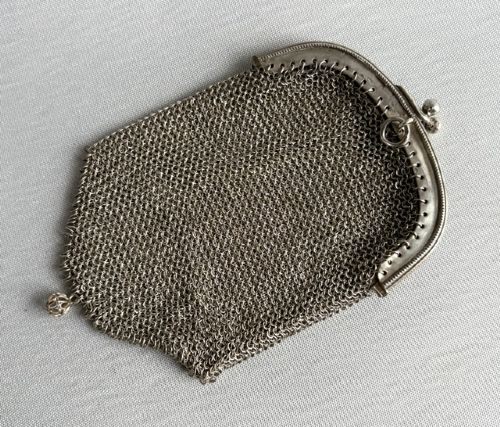
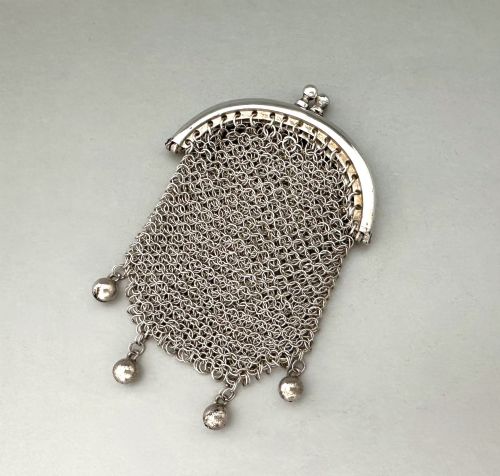
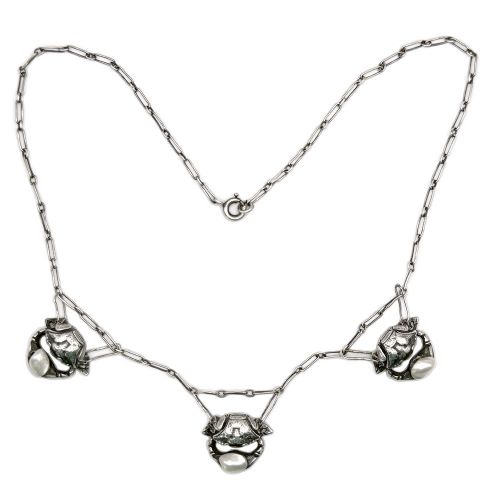
A French antique chain appears in several distinct forms across the selection, shifting from personal jewellery such as yellow gold longuard chains and curb link necklaces to functional accessories like cocktail purses.
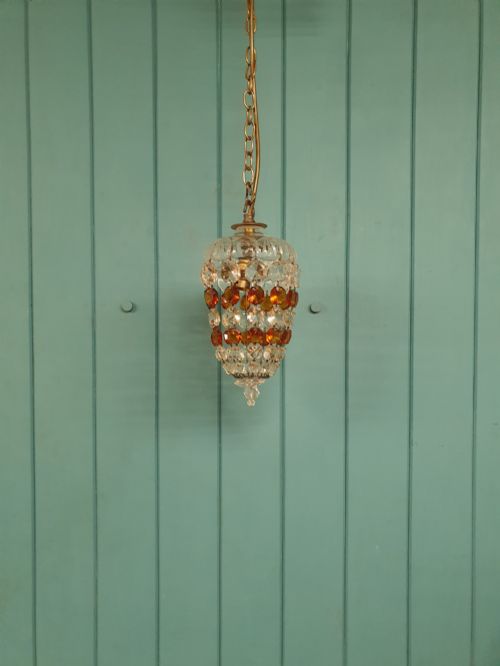
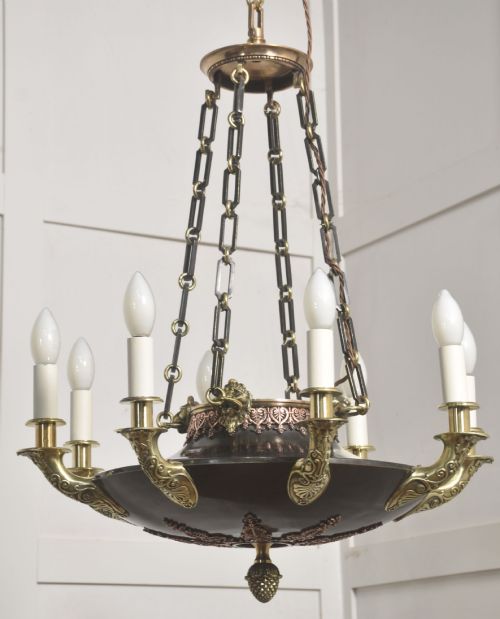
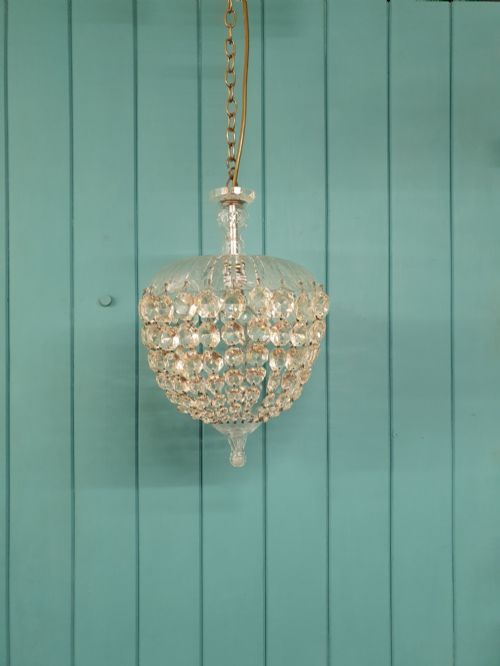
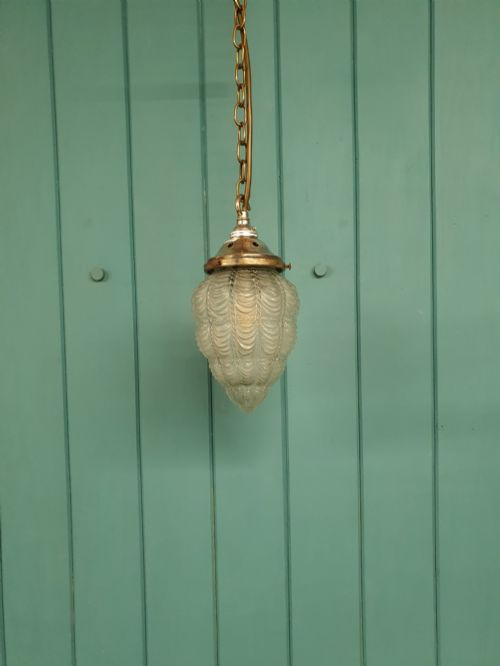
The selection also spans mechanical applications, including bronze and ormolu mantel clocks driven by chain fusee movements, along with decorative hanging light fixtures and even a chain-driven toy tricycle.
Originating predominantly across the nineteenth and early twentieth centuries, these items capture periods from the Regency and Victorian eras through to Edwardian and Art Nouveau designs.
Materials and construction methods
Construction relies heavily on metals such as yellow gold, silver, brass, copper, iron, ormolu, and gilded bronze, frequently paired with glass, wood, and painted surfaces.
Goldsmiths and metalworkers shaped these materials into intricate links, bezels, and mechanical gear trains, utilising casting, chasing, and soldered link assembly to ensure both decorative and functional durability.
French Chain Retail Price Guide 2026
Typical asking prices for french chain among the pieces listed under this phrase on Sellingantiques today, from the lower quarter to the upper quarter. They describe what is for sale here now, not the wider market.
Distinctions in craftsmanship and execution
Quality separates pieces through the precision of the metalwork, seen in the crispness of chased ormolu mountings on clock cases and the uniform proportion of hand-assembled gold links.
The refinement of internal components, such as the delicate gear trains in chain fusee mantel clocks or the structural integrity of a cocktail purse clasp, marks the difference between standard production and master craftsmanship.
Henry Miault·Prosper Lecourtier·Payne London·FB Adams London·Fisher Braithwaite·Perigal and Duterrau·Payne and Co London
The French Chain Glossary
- Chain fusee
- A mechanism in antique clocks that uses a conical pulley and a tiny metal chain to equalize the decreasing power of a declining mainspring.
- Ormolu
- A method of applying finely ground high-carat gold to an object of bronze, creating a rich golden surface finish.
- Longuard chain
- A lengthy Victorian necklace designed to suspend pocket watches, lorgnettes, or pendant lockets securely.
- Plafonnier
- A ceiling-mounted glass light shade that sits flush or close to the surface, popular during the early twentieth century.
- Curb link
- A style of jewellery chain where the oval links are slightly twisted and flattened to lie level against the skin.
French Chain: Frequently Asked Questions
What is a chain fusee clock?
A chain fusee clock employs a small metal chain wound around a conical pulley to regulate the power delivered from the mainspring to the gear train. This clever mechanical arrangement ensures the clock maintains an even force as the spring unwinds.
Such movements are typically found in higher-quality nineteenth-century bracket and mantel clocks housed in bronze, ormolu, or ebonised wood cases.
How do I wear a longuard chain?
A longuard chain is traditionally worn doubled around the neck or draped long, often terminating in a swivel clasp designed to hold a pocket watch or decorative pendant. These versatile gold chains date from the nineteenth and early twentieth centuries and suit contemporary layering.
When wearing one, ensure the clasp mechanism remains secure to support the weight of any attached charms or lockets.
What materials are common in French chains?
French antique chains and related items utilise a variety of metals, most notably yellow gold, silver, brass, copper, and gilded bronze. Jewellery pieces frequently incorporate 18ct gold, while decorative items and clock components use heavier cast bronze and ormolu.
Some chain-associated items also integrate non-metal elements, such as glass beads, river pearls, or fabric linings within small cocktail purses.
How should I care for antique metal chains?
Antique metal chains require gentle handling to preserve delicate links, clasps, and soldered joints. Clean them sparingly using a soft, dry cloth and avoid harsh chemical dips that can strip historical patinas from silver, gold, or bronze surfaces.
Store necklaces and watch chains flat or suspended individually to prevent kinks, tangles, or undue stress on the older links.