



French Animalier Art
French animalier art captures creatures in bronze, spelter, and carved wood, bringing character and movement to any interior through masterly foundry work.
French Animalier Art
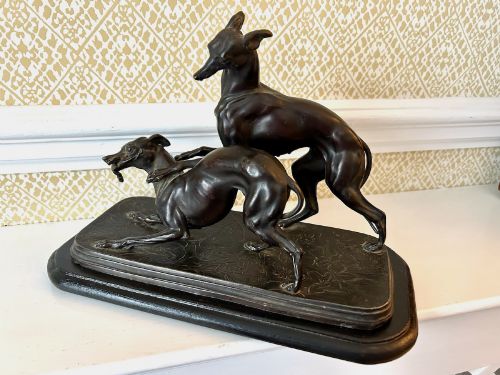
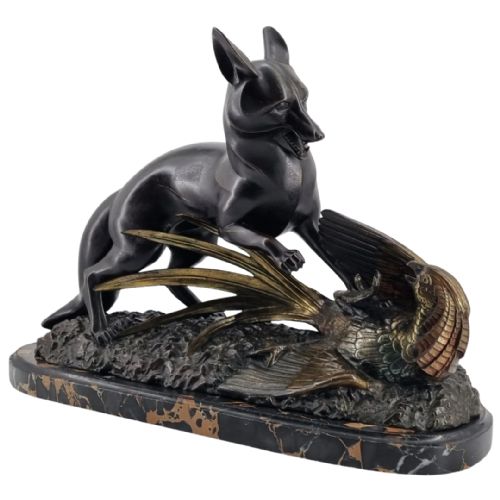
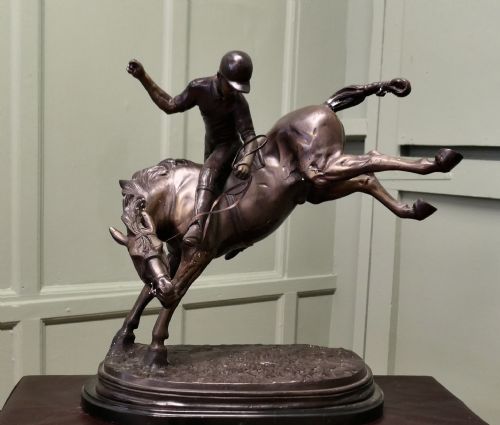
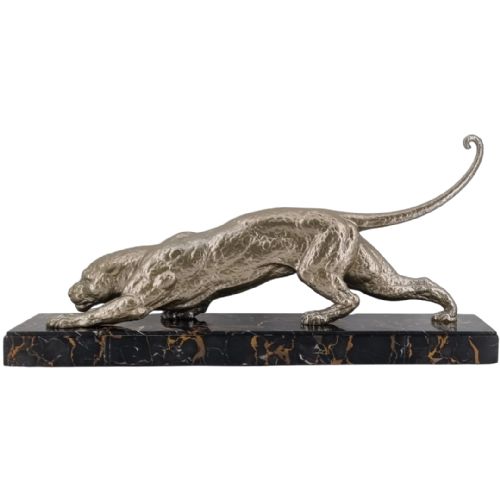
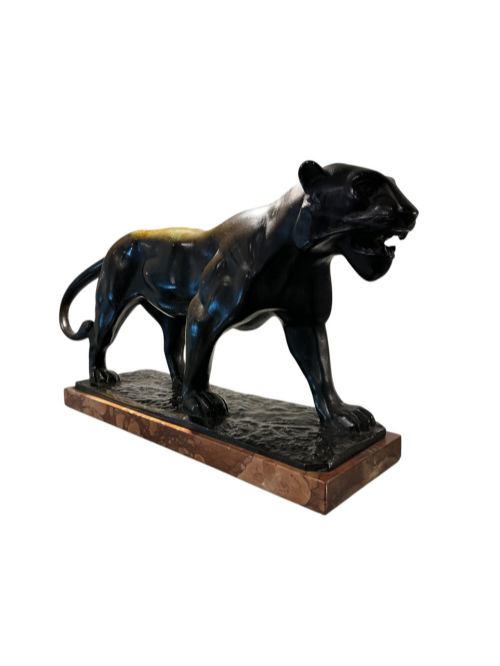
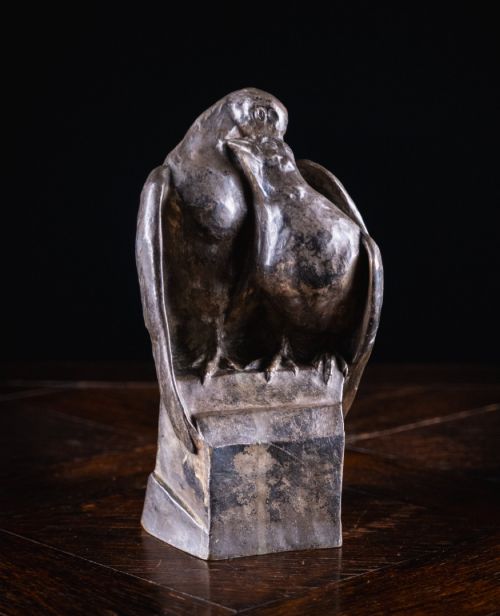
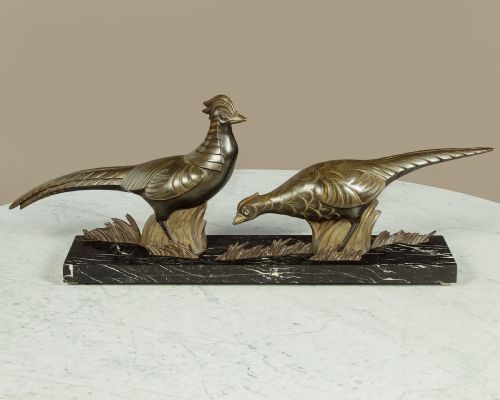
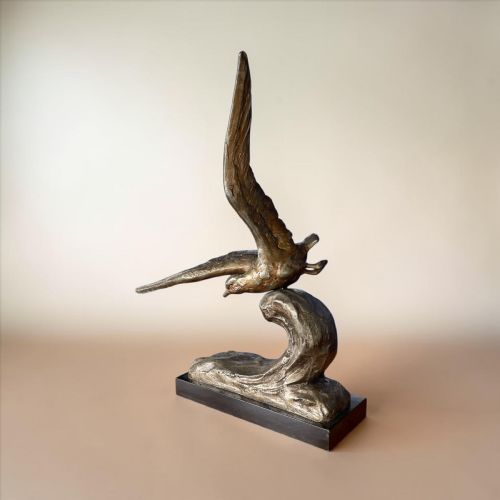
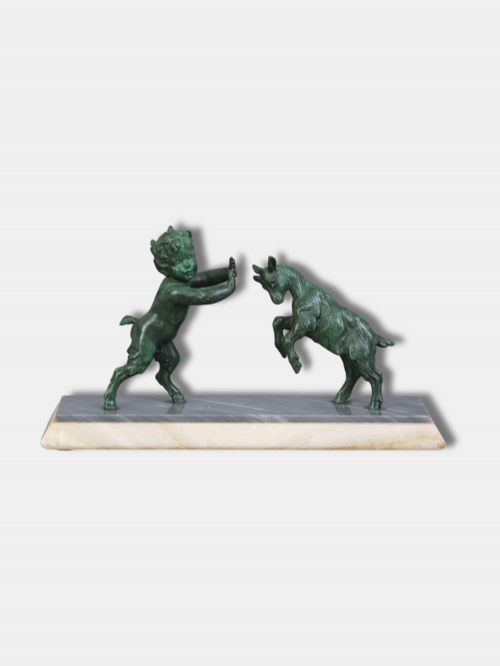
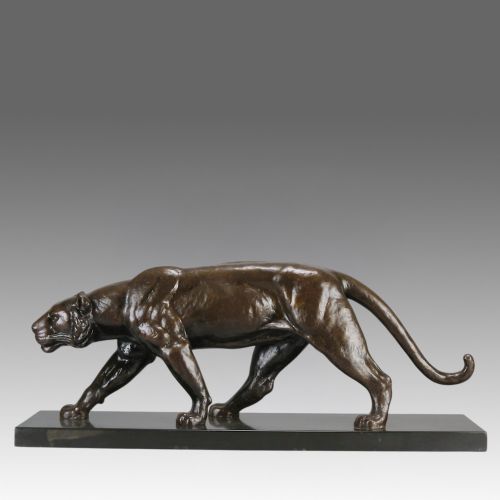
When you examine french animalier art, you find figures ranging from stealthy panthers and sleek whippets to golden pheasants and majestic stags. These pieces capture animals in motion, whether hunting, drinking, or resting on naturalistic bases.
The selections here lean heavily into the twentieth century, with numerous examples emerging from the Art Deco period alongside earlier nineteenth-century works. Figures take the form of standalone sculptures, bookends, and functional inkwells.
Foundations typically comprise contrasting materials, pairing metal figures with black marble, portoro marble, or onyx bases. This combination grounds the heavier forms and highlights the finish of the metal above.
How they were made
Foundries cast these figures in bronze or spelter, applying patination to achieve deep brown, green, or metallic surface tones. Certain pieces receive a gilded finish or utilise nickel bronze to alter the visual weight of the metal.
Woodcarving also appears within the genre, employing dense timbers to shape figures like lionesses mounted on stone plinths. Metal elements frequently screw directly into marble or onyx bases shaped to complement the posture of the beast.
French Animalier Art Retail Price Guide 2026
Typical asking prices for french animalier art among the pieces listed under this phrase on Sellingantiques today, from the lower quarter to the upper quarter. They describe what is for sale here now, not the wider market.
Cats dominate the menagerie here, outnumbering dogs, birds, and stags combined in hunting and prowling poses.
What varies in quality
Quality rests upon the crispness of the casting and the fidelity of the anatomy. A superior sculpture captures muscle tension and feather texture with precision, whereas weaker examples lose detail in the fur or plumage.
The choice of base matters equally. Heavy, well-cut marble or multi-coloured onyx supports the sculpture properly, while poorer examples employ lesser stones that lack depth and proper proportion to the figure.
Lavroff·D. H. Chiparus·Frederique Cederlund-Ozanne·Emile Carlier·Alexandre Ouline·Eugene Emile Borga·C Masson·Michel Decoux·Georges Gardet·P. Marec·I. Rochard·Pierre Jules Mene·Ernest Louis Adnin
The French Animalier Art Glossary
- Animalier
- A nineteenth and twentieth-century artistic movement dedicated to the realistic portrayal of animals. Sculptors in this tradition studied anatomy closely at menageries.
- Spelter
- A zinc alloy commonly utilised as a less expensive alternative to bronze. It takes patination well and mimics heavier metals when finished correctly.
- Patination
- The chemical or thermal treatment applied to metal surfaces to alter colour and tone. This process adds depth and simulates age.
- Portoro marble
- A distinctive black limestone with intense gold and yellow veins. It provides a striking, high-contrast base for metal animal sculptures.
French Animalier Art: Frequently Asked Questions
What is french animalier art?
French animalier art refers to sculptures and decorative objects depicting animals, produced primarily by French artists and foundries during the nineteenth and twentieth centuries.
Subjects range from wild cats and birds of prey to domestic hounds and farm animals, modelled with close attention to natural posture.
How do I tell bronze from spelter?
Bronze feels significantly heavier than spelter and demonstrates greater tensile strength in slender parts like legs and tails. Spelter is softer and may show a greyish metal underneath where the surface finish has worn away.
Foundries often patinated spelter to resemble bronze, so examining the weight and underside helps clarify the composition.
Where should I place these sculptures?
These pieces suit sideboards, desks, and mantelpieces where the contrasting marble bases and patinated metals catch the light. Bookends function practically on shelves while holding volumes in place.
Keep them away from direct heat sources and moisture to preserve the condition of the metal and stone.
How do I clean marble bases?
Dust marble and onyx bases gently with a soft, dry cloth to remove grit. Avoid abrasive cleaners or excess water, which can seep into stone fissures or damage patinated metal elements attached above.
Wax polish formulated for stone can be applied sparingly to maintain the sheen on black marble.