
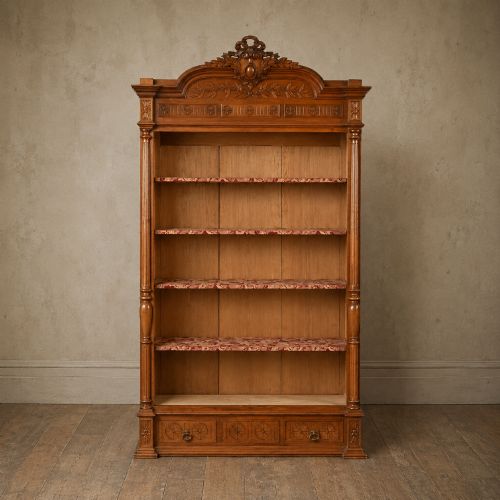
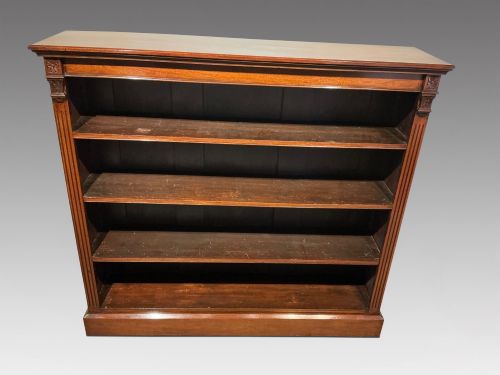
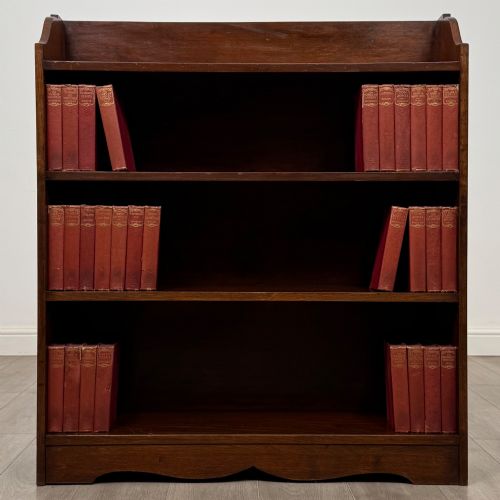
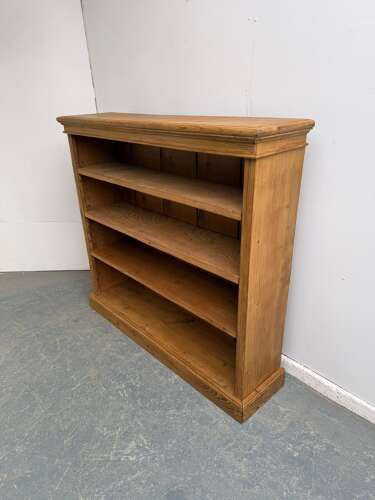
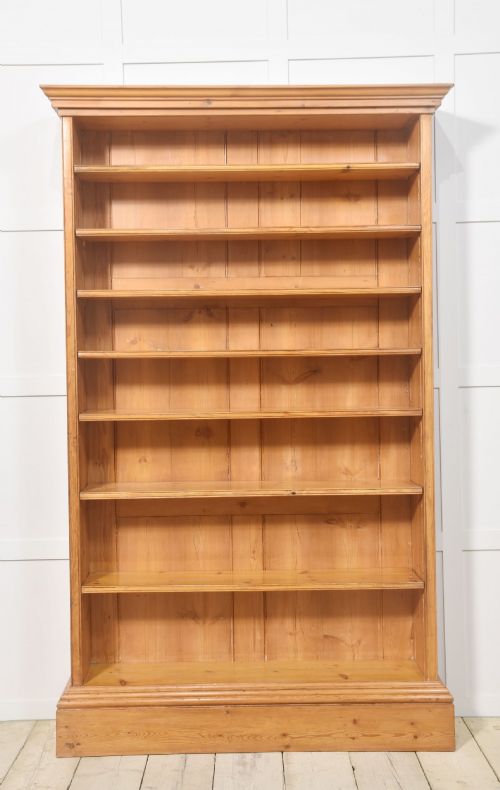
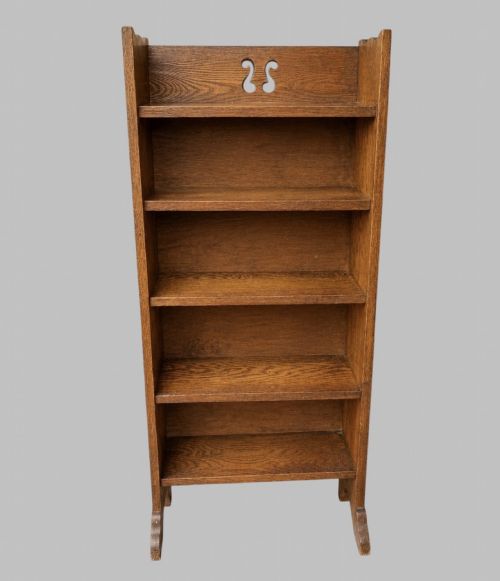


Freestanding Wooden Bookshelf
A freestanding wooden bookshelf brings warmth and order to a room, offering adaptable display space for a growing library.
Freestanding Wooden Bookshelf
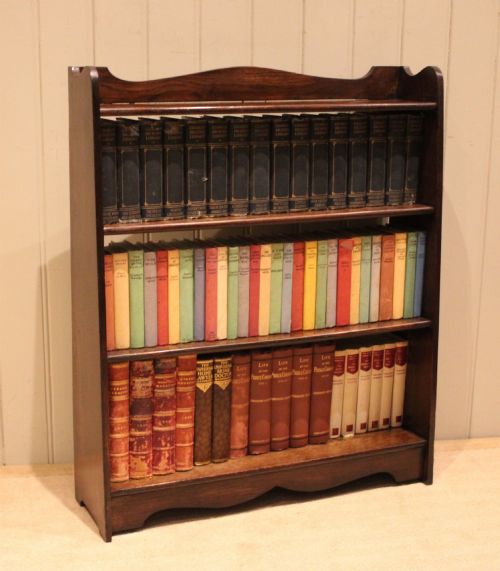
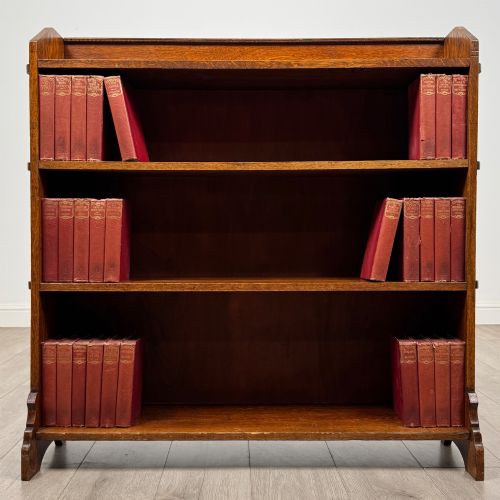
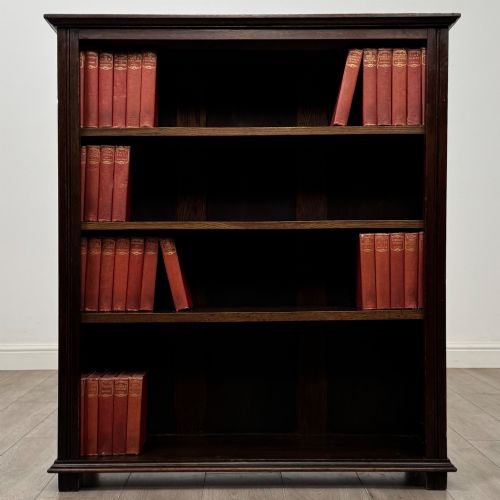
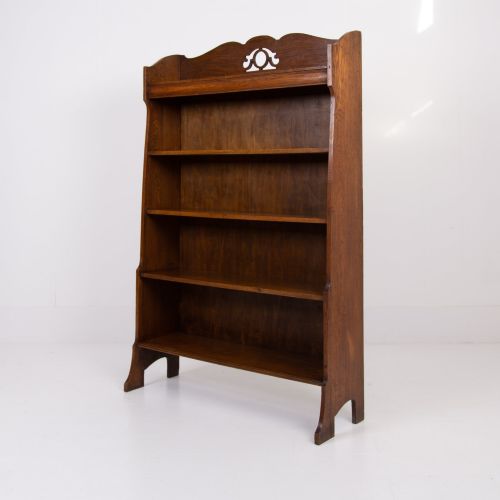
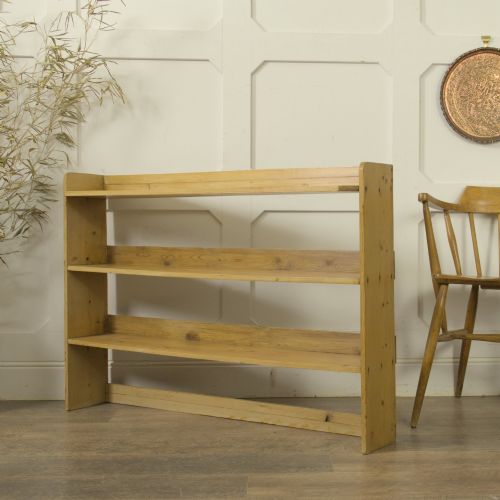
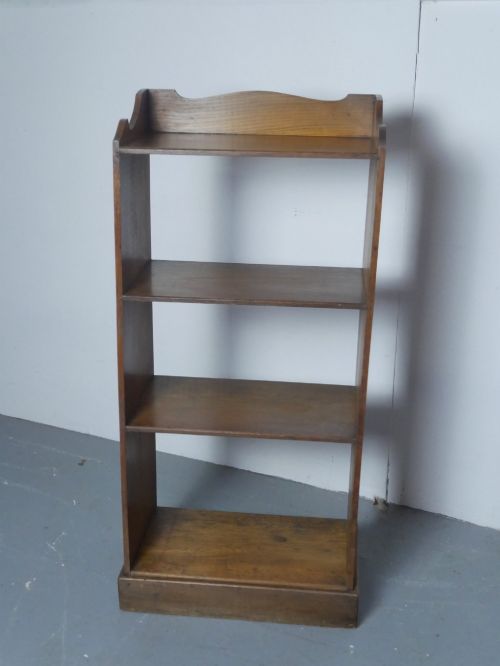
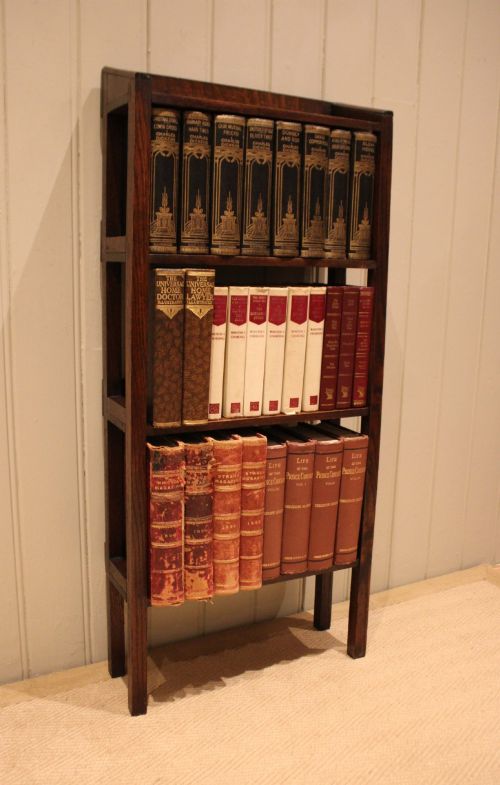
A freestanding wooden bookshelf provides accessible storage for volumes while standing independently against a wall or within a room. When searching for a freestanding wooden bookshelf, buyers encounter forms ranging from simple open shelves to revolving stands and multi-tiered whatnots.
The selections span periods from the nineteenth century through the Edwardian era into the nineteen-thirties, with oak and mahogany appearing most frequently. These pieces adapt easily to modern interiors while retaining the proportion and character of their original periods.
How they were made
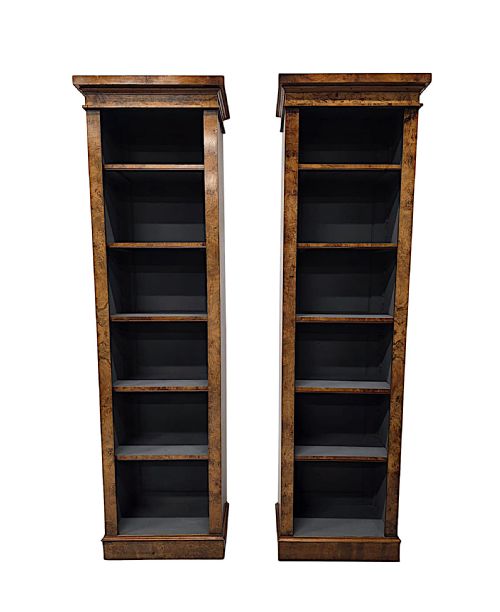
Cabinet makers utilised solid timbers such as oak, mahogany, pine and walnut, occasionally applying burr walnut veneers or patinated brass and cast iron details. Construction methods involved sturdy joinery designed to support heavy weights of bound volumes over decades of daily use.
Surfaces received traditional finishes including wax, polish or carved mouldings that highlight the natural grain of the wood. Adjustability in shelving was achieved through simple wooden supports or functional vertical slots.
Some Victorian whatnots are so eager to please they spin round on the spot just to show you their good side.
What varies in quality
Quality rests upon the selection of timber, the weight and stability of the frame, and the crispness of any carved detailing or mouldings. Superior examples show thoughtful proportion, harmonious grain matching across panels and robust construction that prevents warping.
Simpler pine or utility pieces prioritise straightforward utility, whereas exhibition quality items from the Victorian or Edwardian periods incorporate decorative cut-outs, finer timbers like partridge wood, and sophisticated revolving mechanisms.
The Freestanding Wooden Bookshelf Glossary
- Open bookcase
- A bookcase lacking doors, allowing direct and immediate access to the contents. This form is common across Edwardian and nineteenth century examples.
- Revolving bookcase
- A compact bookcase mounted on a low rotating base. It allows multiple shelves of books to be accessed easily from a single stationary position.
- Burr walnut
- Timber taken from a growth or burl on a walnut tree, prized for its swirling, highly decorative grain pattern. It was often applied as a veneer on finer nineteenth century pieces.
Freestanding Wooden Bookshelf: Frequently Asked Questions
How do I care for my bookshelf?
Keep the timber away from direct heat sources and sudden humidity changes to prevent splitting. Dust regularly with a dry cloth and apply a traditional beeswax polish occasionally to nourish the surface.
Avoid using modern chemical sprays that can strip the historic finish over time. Let the wood breathe and develop its natural patina.
Are the shelves adjustable?
Many taller and Edwardian examples feature adjustable shelving to accommodate volumes of varying heights. This is usually managed through internal wooden supports or slotted uprights.
Simpler or older vernacular pieces often have fixed shelves secured permanently within the frame. Check the specific description if shelf flexibility is essential for your collection.
How do I date a wooden bookcase?
Dating relies on timber choices, construction techniques, and stylistic markers such as Arts and Crafts cut-outs or Art Deco mouldings. Victorian and Edwardian pieces often display heavier proportions and rich mahogany or oak patination.
Nineteenth-century examples frequently utilise solid construction methods with hand-planed backs. Comparing decorative motifs helps narrow the decade of manufacture.
Can these bookcases stand in the middle of a room?
Free-standing bookcases with finished backs can stand away from a wall as room dividers. Many period pieces are designed to be viewed from all sides, including revolving models and open library bookcases.
Ensure the piece has a polished or panelled reverse if it will not sit directly against a wall. Stability is key when placing taller units away from structural support.