




Freestanding Pantry Unit
A freestanding pantry unit is a practical larder or kitchen cupboard offering versatile storage, essential for organising provisions in any kitchen space.
Freestanding Pantry Unit
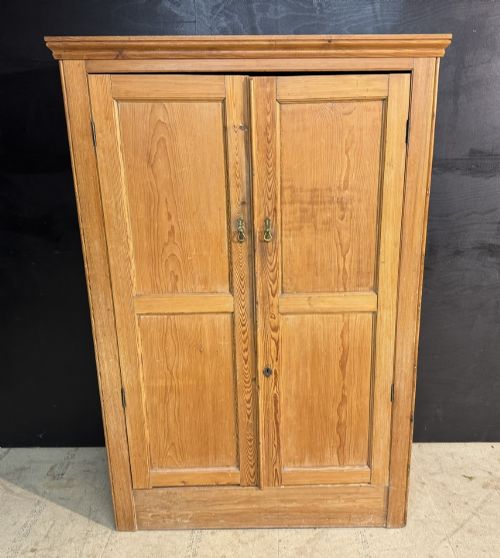
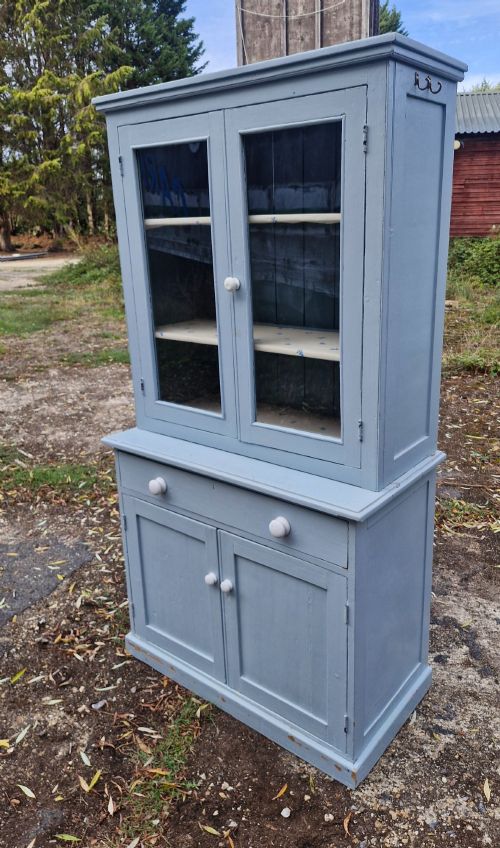
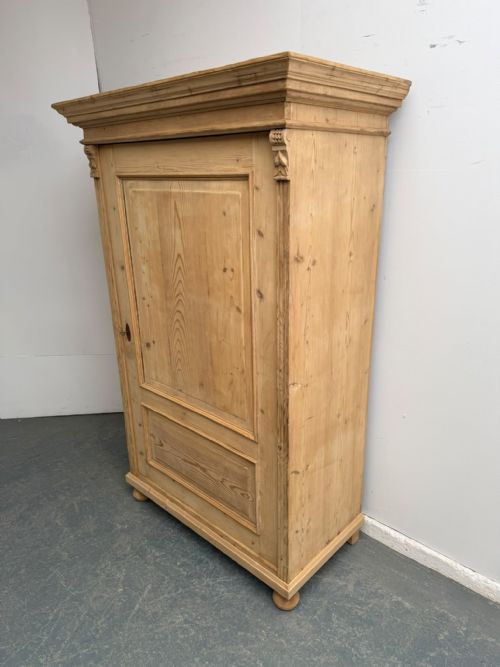
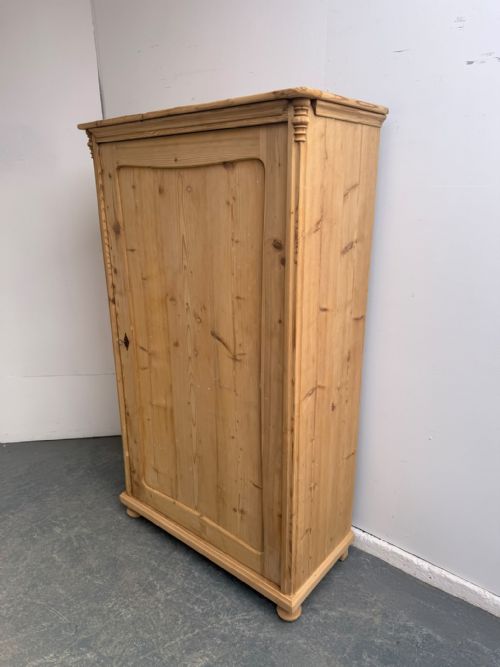
A freestanding pantry unit brings traditional utility to the home, appearing across periods from the Victorian era through the early twentieth century. Buyers seeking a freestanding pantry unit will encounter various forms including kitchen cupboards, larders, housekeepers cupboards, and dressers.
Most examples date from the nineteenth and early twentieth centuries, with several retaining painted finishes or stripped wood surfaces ready for waxing. These functional pieces range from simple single-door storage cabinets to substantial two-part kitchen units and four-door cupboards.
How they were made
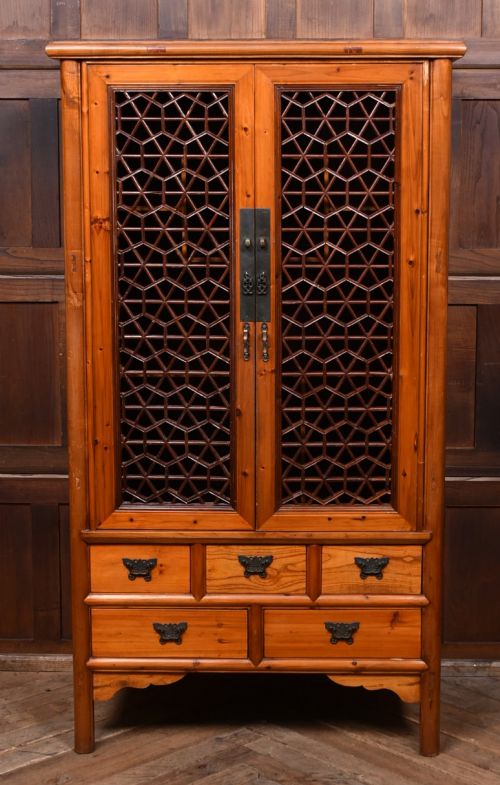
Makers utilised solid timbers such as pine and oak for the primary structures, employing traditional joinery methods to build durable carcasses and panelled doors. Iron and brass hardware, including hinges and latches, secure the doors on these heavy kitchen cabinets.
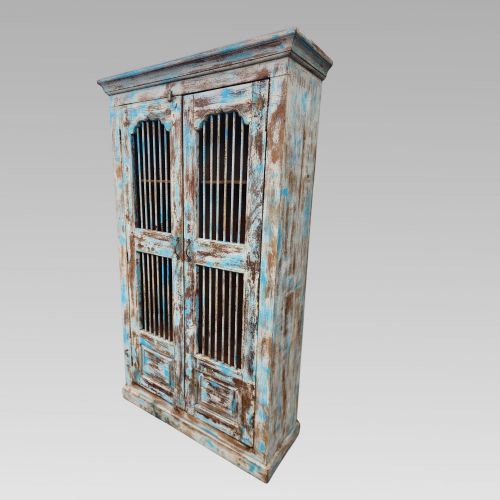
Surface treatments vary between natural wood finishes intended for waxing and painted applications. Some utility cupboards incorporate glass panes or vented panels to aid air circulation for stored foodstuffs.
Freestanding Pantry Unit Retail Price Guide 2026
Typical asking prices for freestanding pantry unit among the pieces listed under this phrase on Sellingantiques today, from the lower quarter to the upper quarter. They describe what is for sale here now, not the wider market.
Listings feature pine as the predominant material, alongside oak, cedar, and teak across Victorian and early twentieth-century periods.
What varies in quality
The distinction between standard utility cupboards and finer examples lies in the selection of timber and the sophistication of the hardware. Superior pieces display thoughtful proportions, well-fitted panelled doors, and original metalwork that complements the scale of the unit.
Hudson Bros
The Freestanding Pantry Unit Glossary
- Freestanding pantry unit
- A movable storage cabinet designed for kitchen provisions, distinct from built-in joinery. These units typically feature internal shelves and cupboards.
- Housekeepers cupboard
- A large storage piece traditionally used for linens and dry goods in country houses. They often combine deep shelving with a sturdy wooden carcass.
- Fielded panel
- A raised central panel set within a wooden door frame, common in traditional cabinetry. This technique allows the timber to expand and contract with humidity changes.
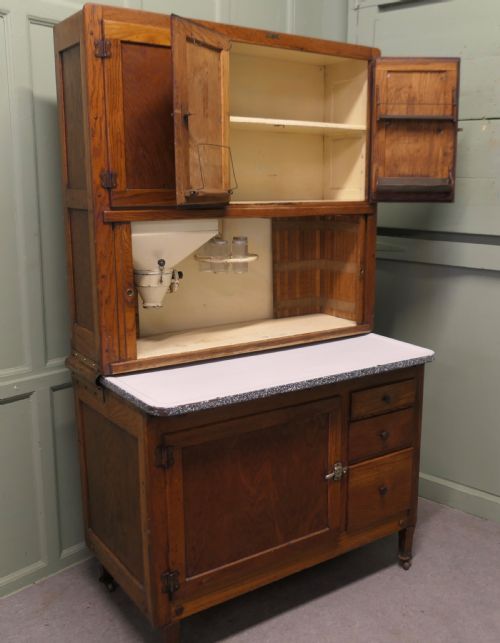
- Hoosier cabinet
- A specific type of American kitchen cabinet combining work surfaces and storage compartments. These units streamlined kitchen tasks in the early twentieth century.
Freestanding Pantry Unit: Frequently Asked Questions
How do I clean a pine pantry?
Maintenance depends largely on whether the wood has a waxed or painted finish. Dust regularly with a dry cloth and apply appropriate beeswax to untreated pine surfaces.
Avoid excessive moisture on older timber, as water can raise the grain or damage antique finishes. Gentle cleaning preserves the natural patina accumulated over decades.
Can I use these in modern kitchens?
These cabinets provide practical storage space that suits contemporary kitchens seeking traditional character. Their freestanding nature allows placement against any suitable wall without permanent installation.
Measuring available floor space and ceiling height ensures the chosen cupboard fits comfortably among modern appliances.
What is a housekeepers cupboard?
A housekeepers cupboard is a tall storage unit historically used for storing household linens and dry goods. They offer substantial internal capacity with multiple shelves behind sturdy doors.
These pieces originate from domestic utility rooms and large country houses where ample storage was essential.
How do I date a pine cupboard?
Dating relies on examining construction techniques, tool marks, and hardware types used in the assembly. Hand-cut dovetails and wrought iron hinges generally suggest nineteenth-century origins.
Changes in timber thickness and fastener styles help distinguish Victorian examples from early twentieth-century pieces.