


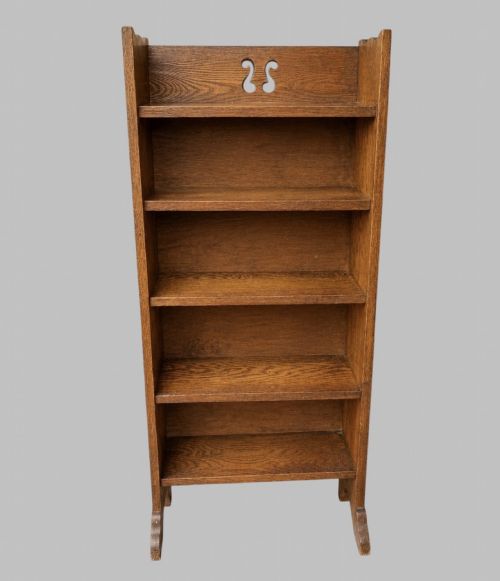


Freestanding Oak Shelving
Freestanding oak shelving provides versatile open storage, combining durable timber with accessible display space for books and objects.
Freestanding Oak Shelving
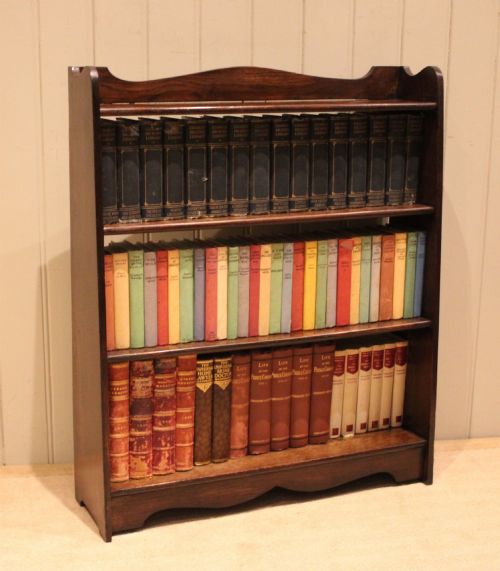
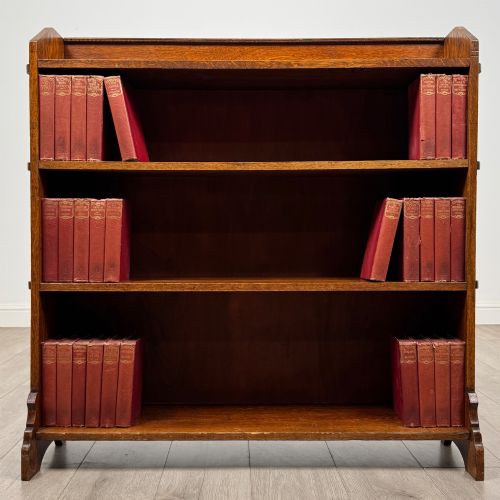
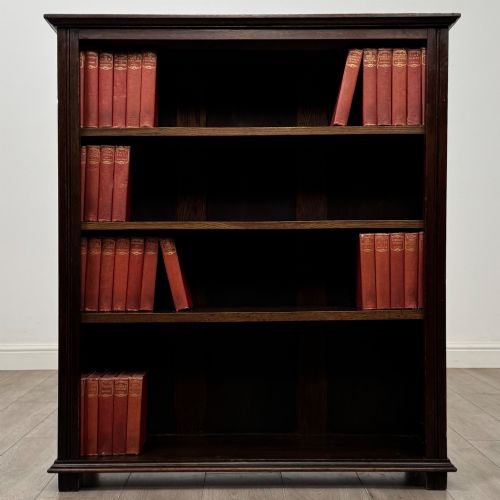
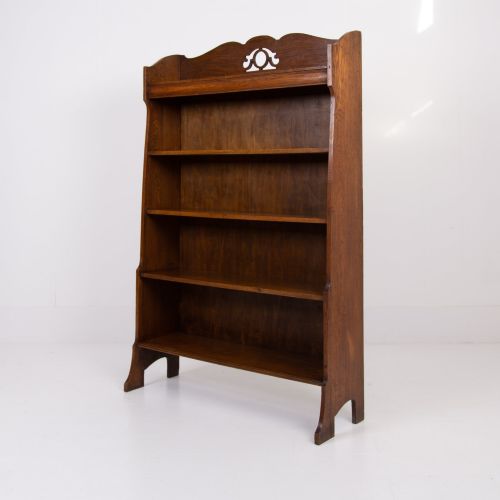
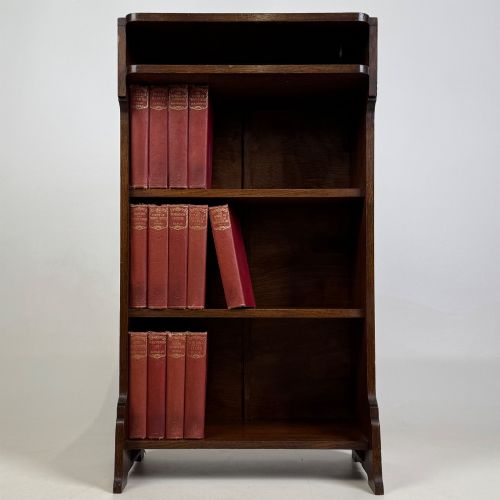
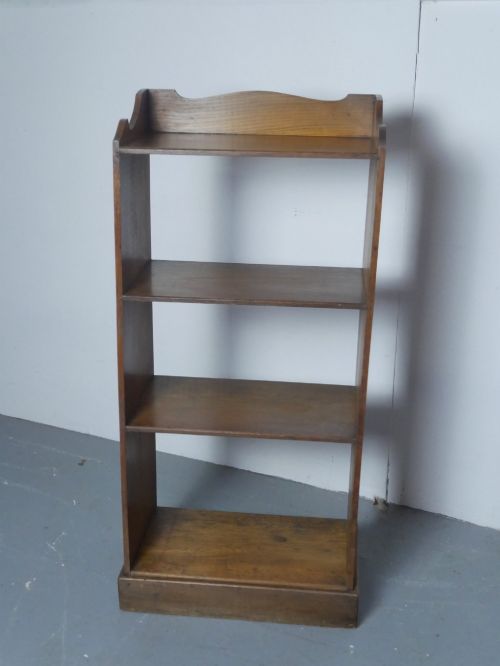
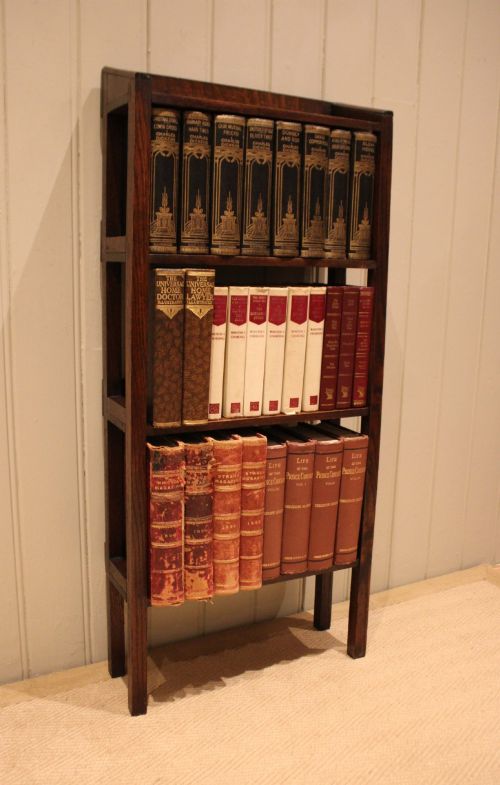
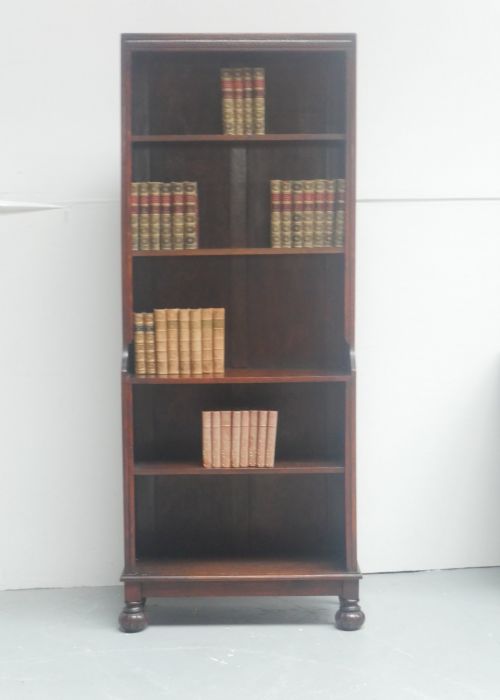
Freestanding oak shelving primarily comprises open bookcases and standing shelving units made from oak. These items offer accessible storage without requiring wall mounting.
The pieces appearing most frequently on this page date from the Edwardian period, 1910, and 1920, alongside examples from the 19th Century and 1930. Forms range from small open bookcases to larger standing units.
Makers and craftsmen utilised styles including Edwardian, Arts and Crafts, Art Deco, English Country, and Victorian Gothic to shape these functional items. Buyers select them for domestic utility and period character.
How they were made
Construction relies primarily on oak timber, sometimes complemented by mahogany or metal elements. Workshops applied decorative mouldings, beaded edges, and cut-outs to finish the surfaces.
Design variations include open backs, angled shelves, waterfall tiers, and adjustable shelving mechanisms. These structural choices dictate how each piece supports weight and displays items.
Early twentieth-century makers occasionally added decorative cut-outs to bookcase sides, giving serious oak storage a sudden wink of whimsy.
What varies in quality
The caliber of the timber and the precision of the joinery define the upper tier of these pieces. Select examples display superior grain patterns in golden oak and refined architectural mouldings.
Simpler constructions utilise plain boards and minimal detailing, while higher quality items incorporate decorative cut-outs, beaded edges, or sophisticated period styling such as Arts and Crafts or Victorian Gothic.
The Freestanding Oak Shelving Glossary
- Open bookcase
- A piece of furniture with shelves for books that does not feature doors enclosing the front. This design allows immediate access to the contents.
- Edwardian
- Pertaining to the reign of King Edward VII, characterised by lighter furniture forms and a revival of earlier stylistic motifs. Pieces from this era often exhibit clean lines and practical proportions.
- Arts and Crafts
- A design movement emphasising handcraftsmanship, simple forms, and traditional joinery. Items in this style highlight the natural grain and texture of the oak.
- Waterfall bookcase
- A tiered shelving unit where each successive shelf is shallower than the one below, stepping back towards the top. This profile creates a distinctive cascading silhouette.
- Victorian Gothic
- A style drawing inspiration from medieval architecture, featuring pointed arches, heavy mouldings, and robust construction. It produces a dramatic architectural presence in furniture.
Freestanding Oak Shelving: Frequently Asked Questions
How do I place freestanding oak shelving in a room?
Position these units against interior walls where open access to books and objects is required. Ensure the floor is level so the standing structure remains stable without wall fixings.
Allow sufficient clearance around angled or waterfall designs to appreciate their profile. Keep them away from direct heat sources to protect the oak timber.
What is the difference between Edwardian and 1920s bookcases?
Edwardian pieces often display traditional decorative flourishes and lighter proportions inherited from late Victorian tastes. They frequently incorporate fine cornices and subtle panel work.
Items from the 1920s tend towards cleaner, more utilitarian lines reflecting interwar sensibilities. Mouldings become simpler and structures focus purely on open storage utility.
Can I adjust the shelves on these units?
Certain pieces, specifically designated adjustable bookcases from the Edwardian period, feature mechanisms to alter shelf heights. This allows customization for different book sizes.
Many other standing units possess fixed shelves built permanently into the side panels. Check the specific configuration of each piece before planning your storage.
How do I care for antique oak shelving?
Dust the surfaces regularly with a soft, dry cloth to prevent dirt accumulation in the grain. Avoid silicone-based polishes that can build up a residue on the timber over time.
Maintain stable humidity levels in the room to prevent the oak from warping or splitting. Occasional application of suitable wax helps nourish the wood finish.