

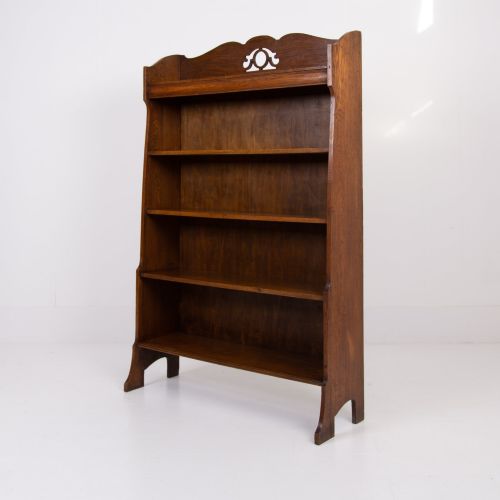
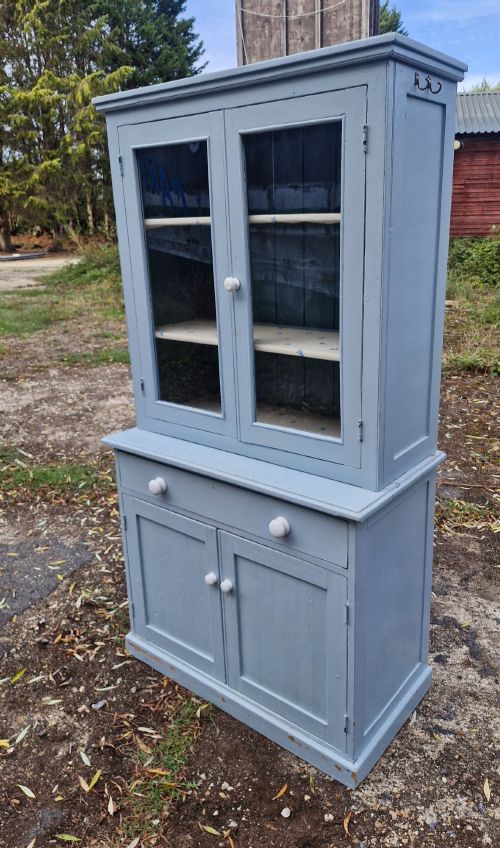
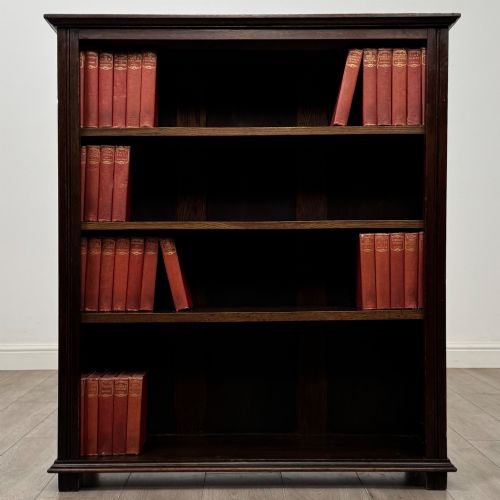
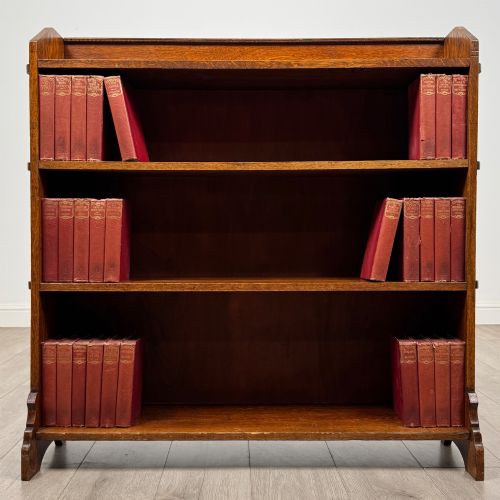
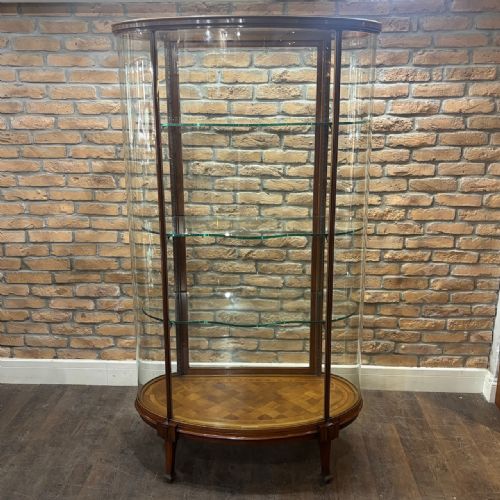
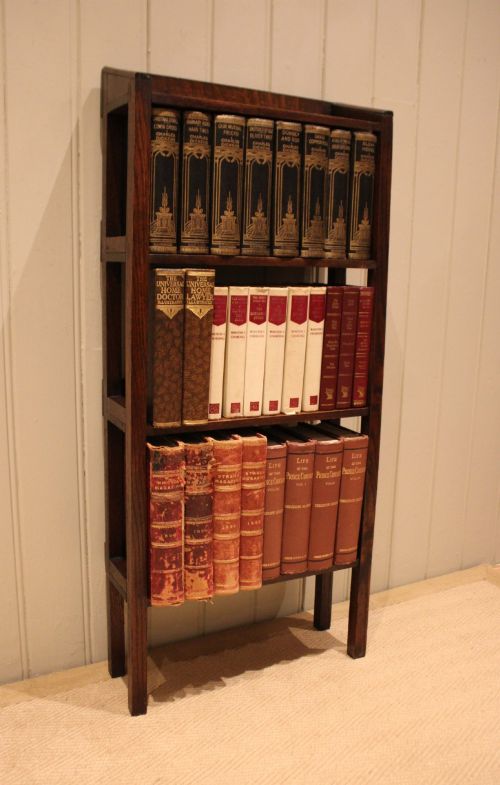
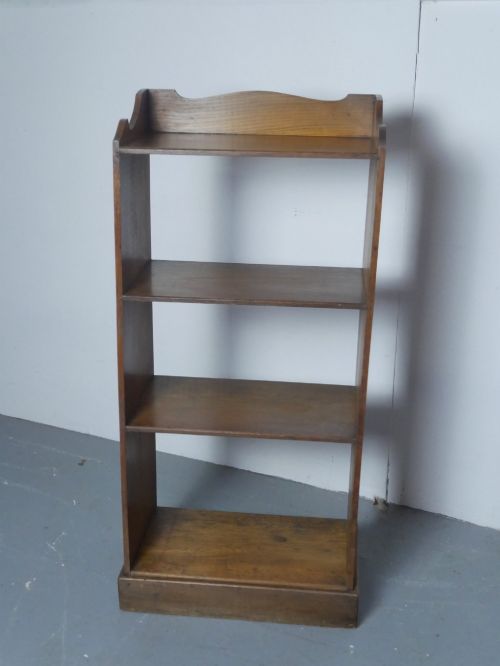
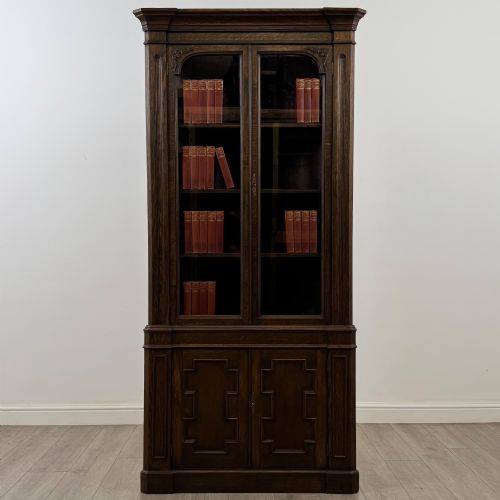
Freestanding Display Unit
A freestanding display unit brings height and structure to a room while holding books, china or collections without needing a wall fixing.
Freestanding Display Unit
A freestanding display unit provides dedicated surface and storage space that stands independently anywhere in a room. When you search for a freestanding display unit, you encounter pieces designed to show off objects or organise volumes.
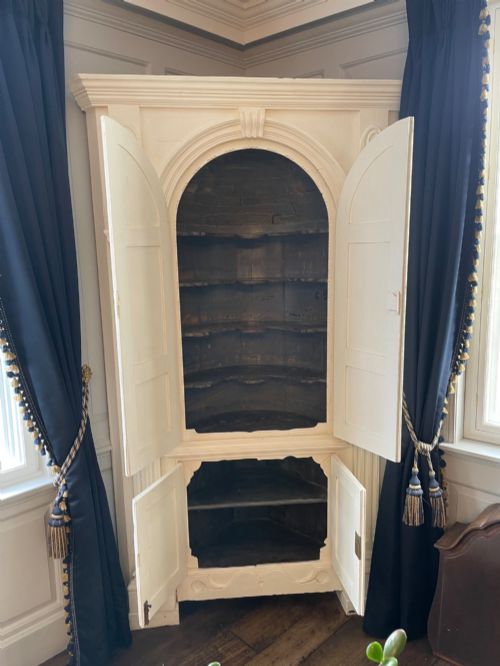
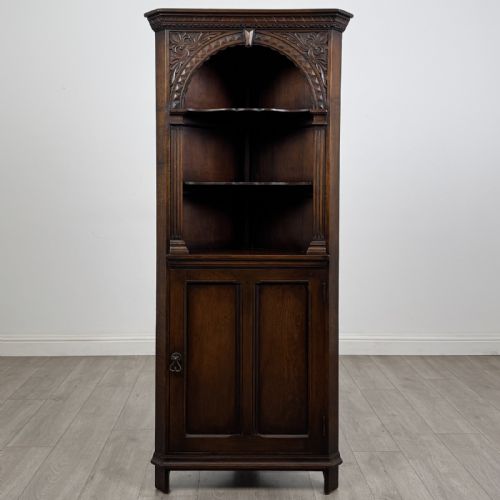
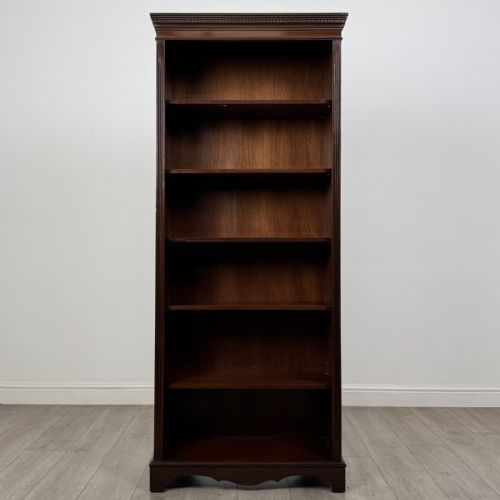
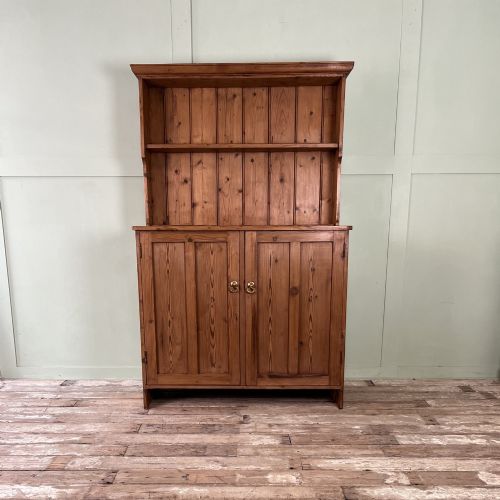
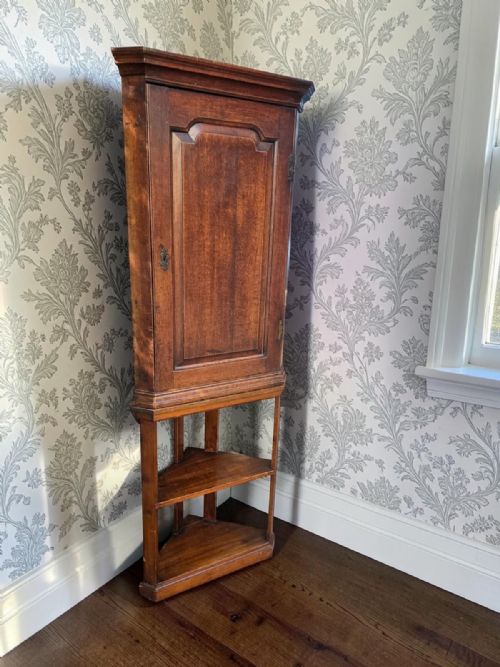
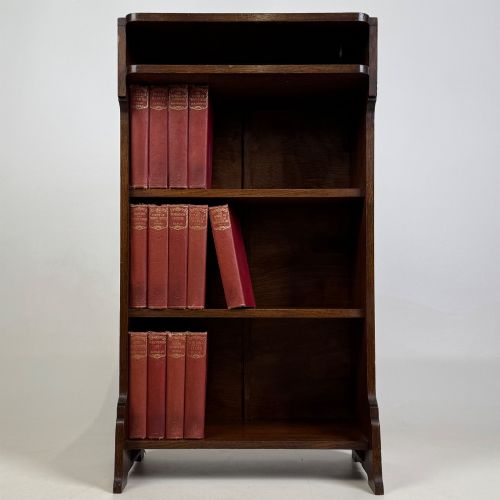
The selections span centuries of interior display, from early walnut corner cupboards to oak bookcases and tall glass-fronted cabinets. Oak and pine pieces from the Edwardian era and the early twentieth century appear most frequently on this page.
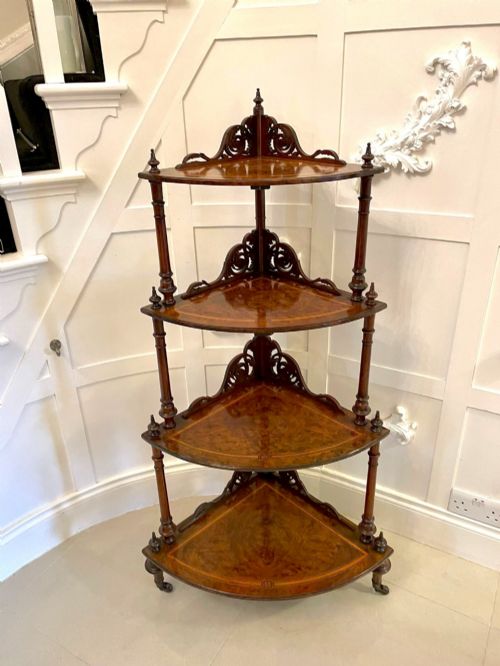
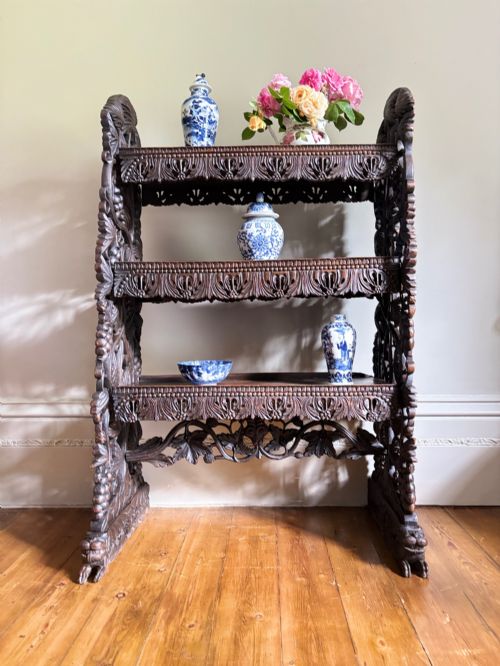
Forms range from open-backed shelving units and corner whatnots to glazed shop cabinets and industrial bakers racks. Each type serves a specific domestic function, whether holding a kitchen supply or exhibiting fine porcelain.
How they were made
Timbers like oak, mahogany, walnut and pine form the primary structure of these items, often joined with traditional cabinet-making methods. Carpenters selected denser woods for formal display furniture and softer pine for kitchen cupboards and utility shelves.
Surface finishes vary from polished mahogany and burr walnut to waxed pine and painted treatments. Carved edges, raised galleries, decorative cut-outs and inlaid details add architectural interest to the woodwork.
Freestanding Display Unit Retail Price Guide 2026
Typical asking prices for freestanding display unit among the pieces listed under this phrase on Sellingantiques today, from the lower quarter to the upper quarter. They describe what is for sale here now, not the wider market.
Some nineteenth-century patisserie racks quietly transitioned from cooling French pastries to holding dusty paperback novels in British sitting rooms.
What varies in quality
The selection of timber and the precision of the joinery dictate the baseline quality of each piece. Finer examples utilise burr walnut, figured mahogany or quarter-sawn oak with meticulous attention to grain alignment and edge profiling.
Structural integrity depends on how well shelves, doors and corner joints bear weight over decades of use. Pieces featuring adjustable shelving mechanisms, well-fitted glazed doors or integrated carved details demonstrate higher craftsmanship than utilitarian utility shelving.
F. Sage & Co
The Freestanding Display Unit Glossary
- Whatnot
- A multi-tiered open set of shelves designed for displaying ornaments, books or small objects. These pieces often fit neatly into corners or stand against flat walls.
- Bakers rack
- A tall, open metal or wooden framework originally used for cooling baked goods in commercial kitchens. Modern interiors utilise these industrial structures for storing kitchenware and plants.
- Corner cupboard
- A triangular storage cabinet built specifically to fit into the ninety-degree angle of a room. This form makes efficient use of otherwise dead architectural space.
- Gallery
- A raised wooden or metal rim running along the edge of a shelf or top surface. Its purpose is to prevent objects from sliding off the edge.
- Padauk
- A dense tropical hardwood known for its deep reddish-brown colour. Makers used this material in mid-nineteenth-century items imported from or influenced by Anglo-Indian traditions.
Freestanding Display Unit: Frequently Asked Questions
What is a freestanding display unit used for?
These units provide practical storage and display space for books, kitchenware, and decorative objects without requiring permanent wall installation. They allow you to organise a room while keeping items easily accessible.
Different forms serve different spaces, from narrow corner cabinets that utilise neglected angles to open bookcases and glass-fronted display cases that protect delicate collections.
Where should I place a corner cabinet?
Corner cabinets fit directly into the internal angles of a room, making them ideal for smaller spaces where flat wall furniture might crowd the floor plan. They turn unused corners into functional storage.
Ensure the height and swing of any cupboard door have enough clearance from adjacent furniture before positioning your unit.
Are bakers racks suitable for indoor living spaces?
Original iron and steel bakers racks bring an industrial aesthetic to modern interiors, functioning well as plant stands or kitchen storage units. Their open framework keeps rooms feeling light and uncluttered.
Pairing these metal structures with wooden boards or surrounding them with soft textiles balances their robust industrial character.