
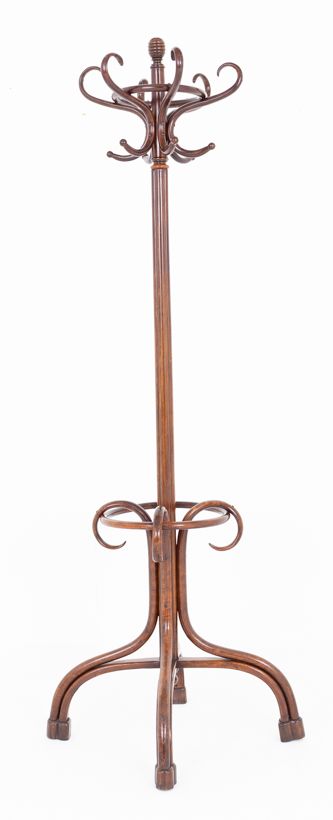
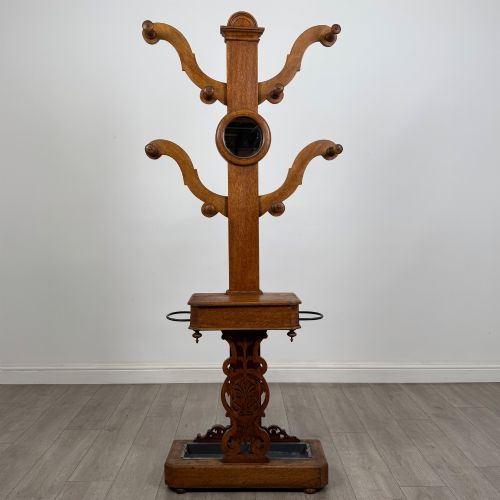
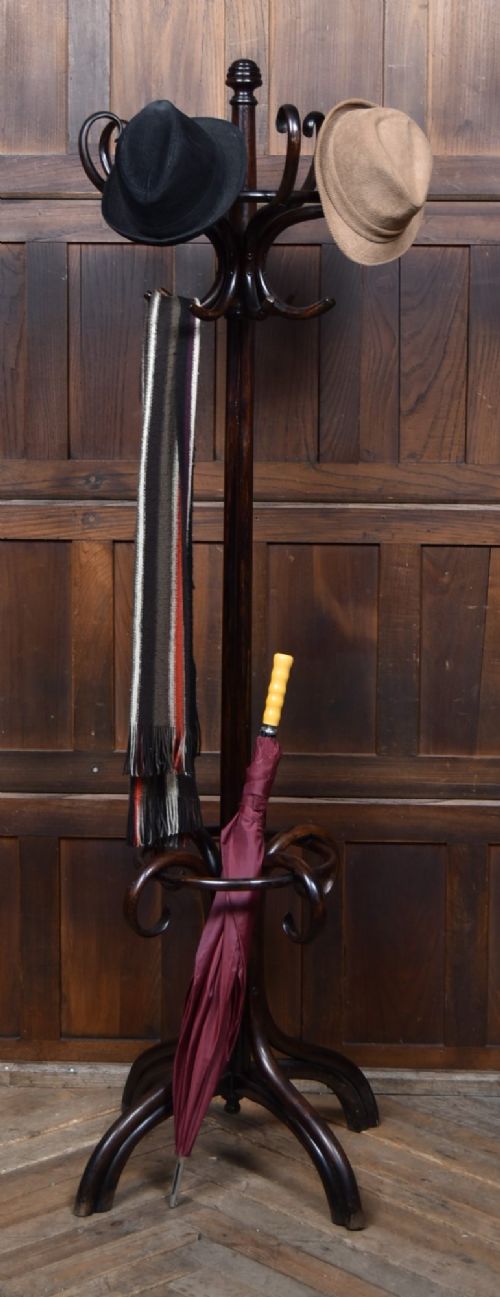
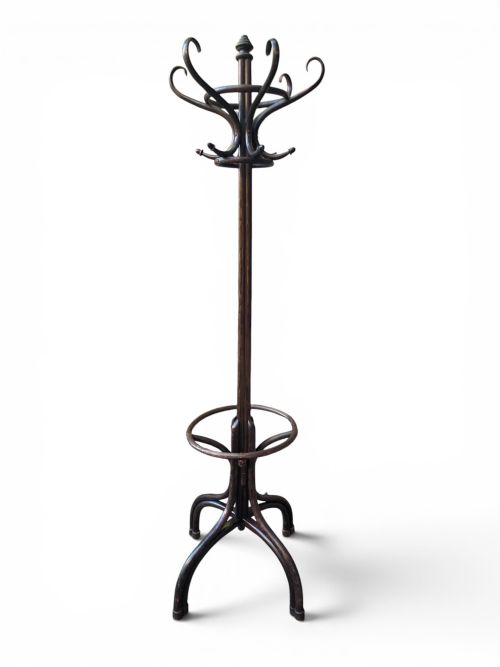
Freestanding Coat Hat Stand
A freestanding coat hat stand organises hallway life with vertical timber and iron, offering practical hanging space for everyday garments.
Freestanding Coat Hat Stand
A freestanding coat hat stand provides upright storage for garments in hallways and entrance spaces. These hall pieces emerge across multiple decades, spanning Victorian and Edwardian iterations alongside later twentieth-century examples.
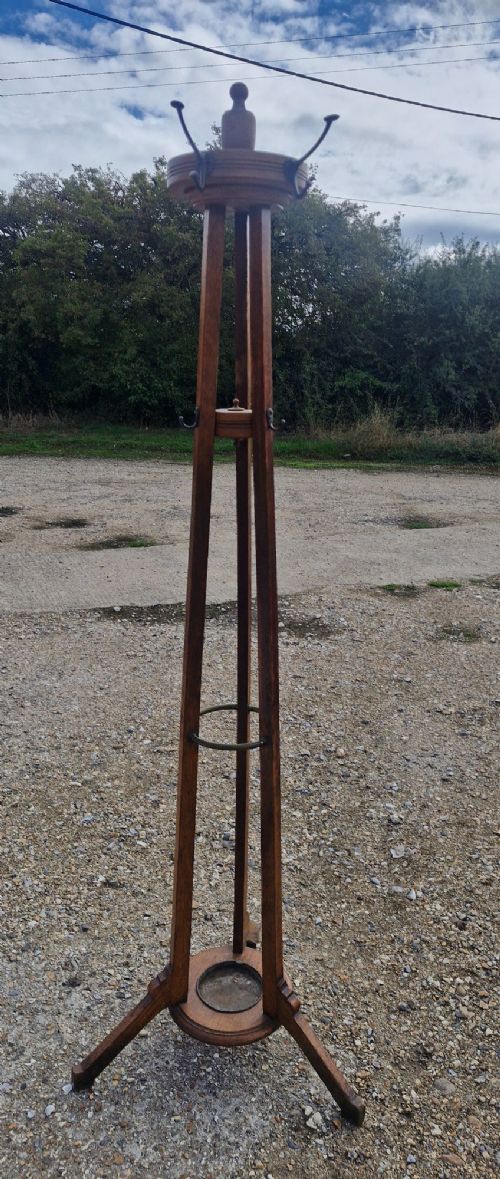
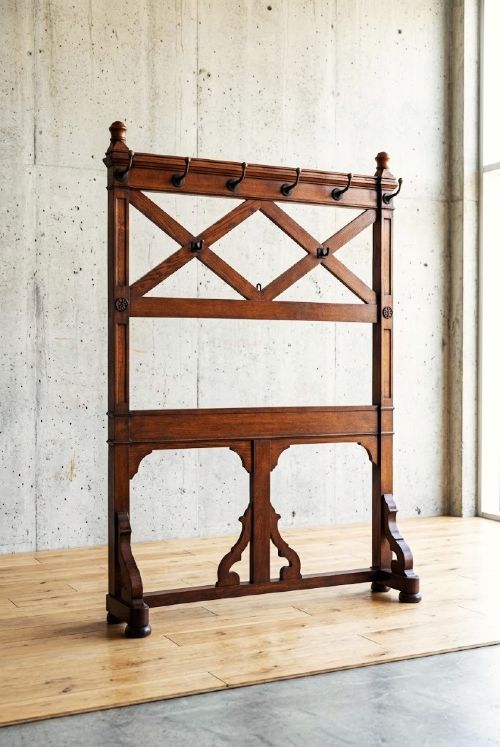
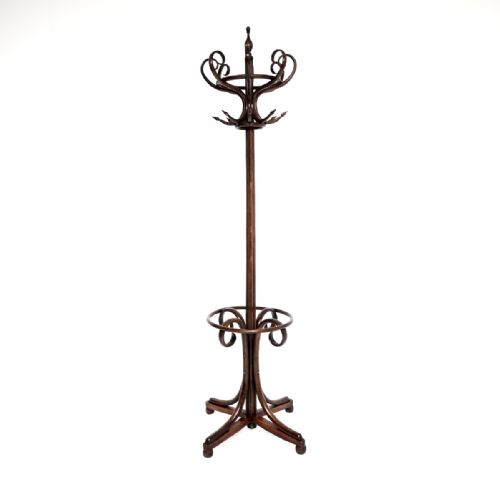
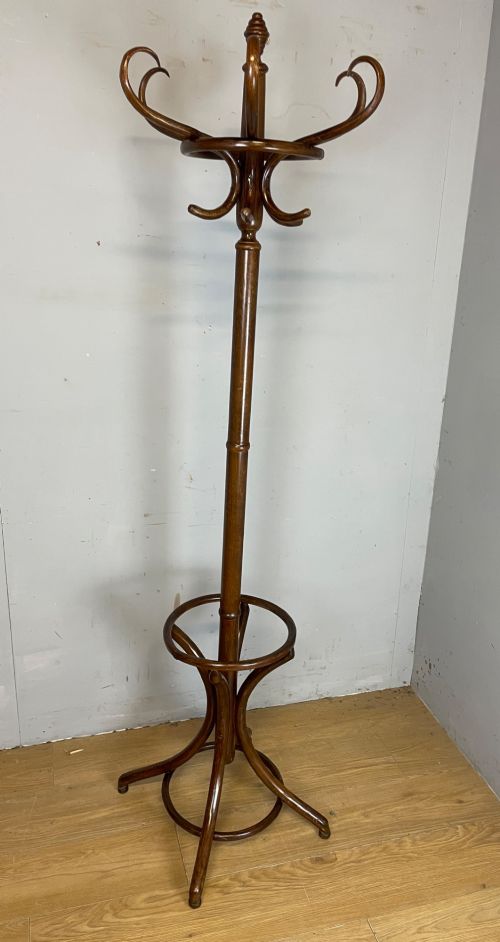
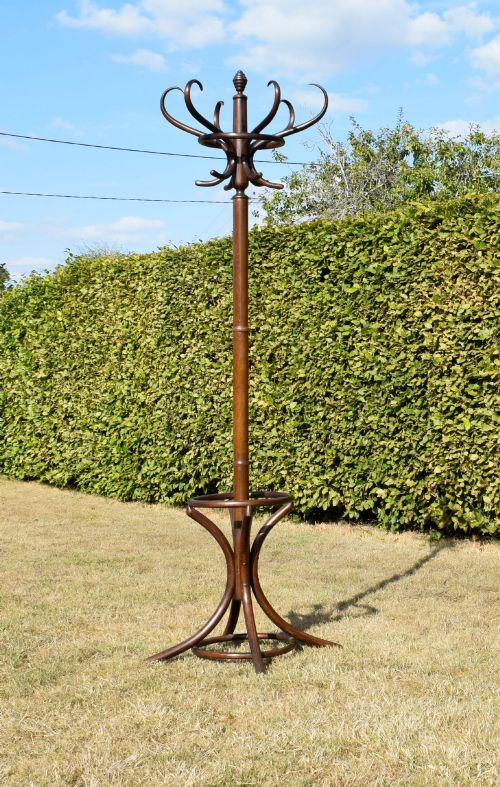
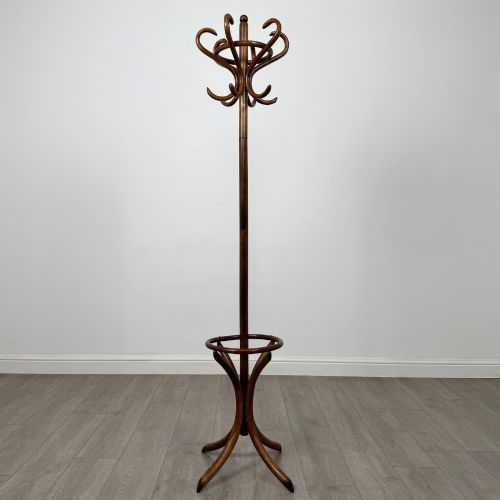
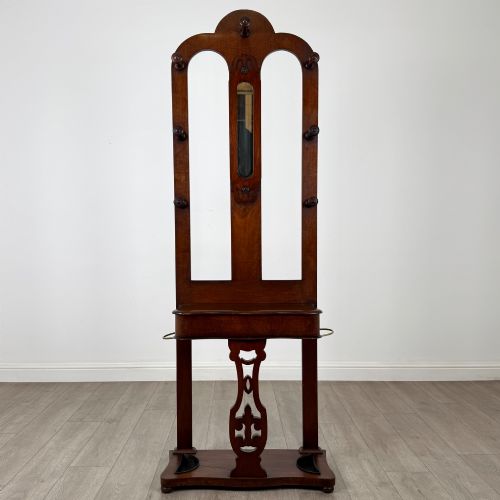
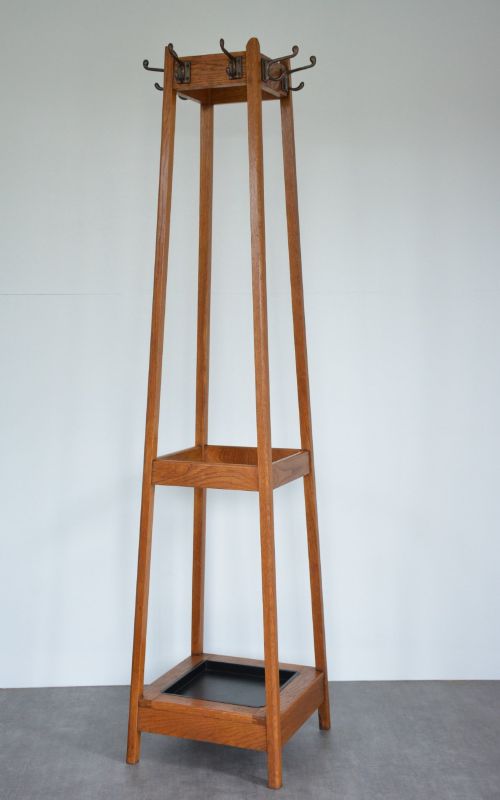
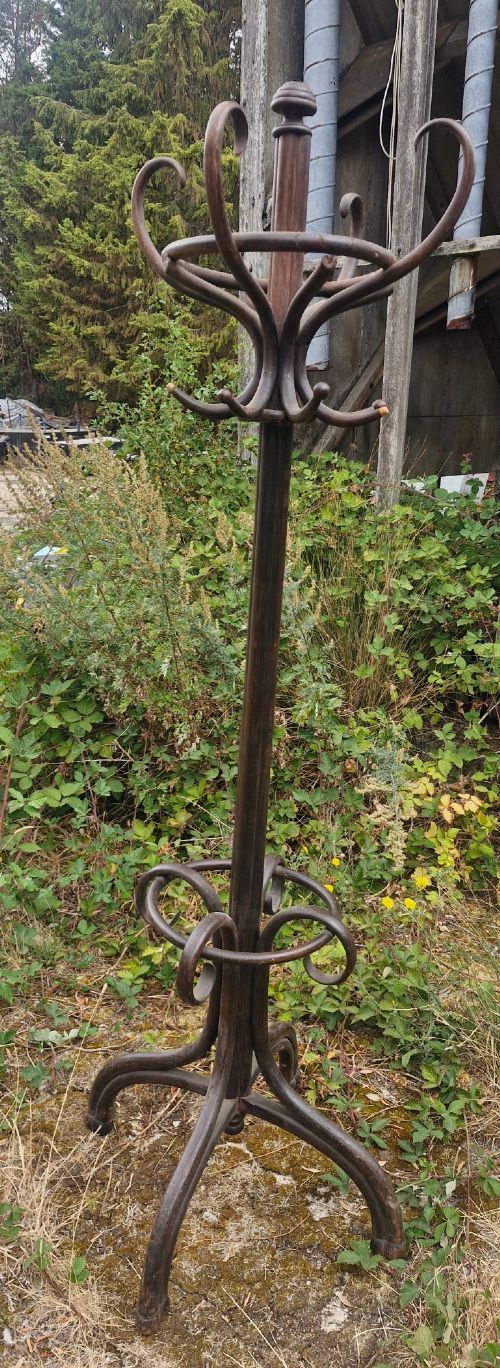
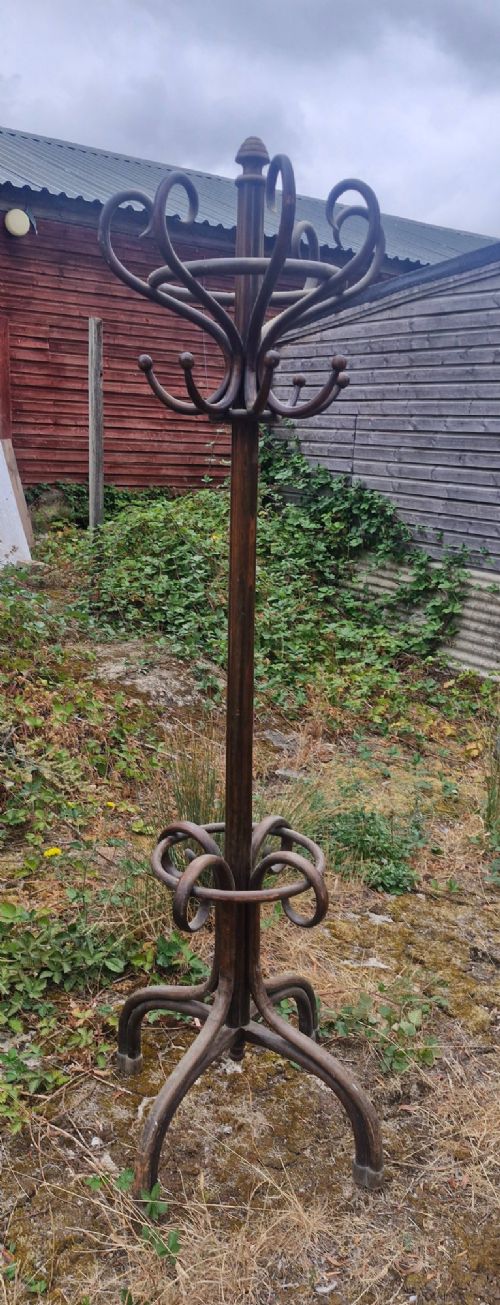
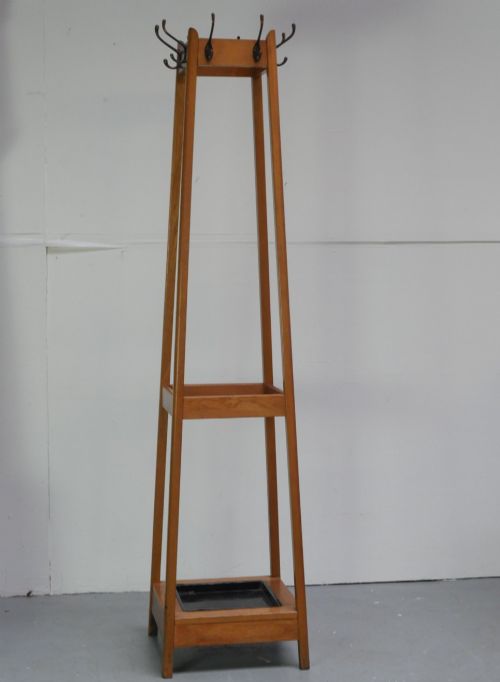
The selections on this page feature sturdy wooden frameworks designed to hold outerwear, hats, and sticks. Buyers encounter forms ranging from simple bentwood poles to substantial oak hall stands fitted with umbrella holders and drip trays.
Origins stretch from English workshops to continental makers, incorporating styles such as Arts and Crafts, Gothic Revival, and industrial designs. The common thread is domestic utility combined with period craftsmanship.
How they were made
Construction relies heavily on timbers like oak, mahogany, walnut, and beech, often shaped through steam-bent techniques. Beechwood is frequently steamed to create the characteristic curved framework seen in bentwood designs.
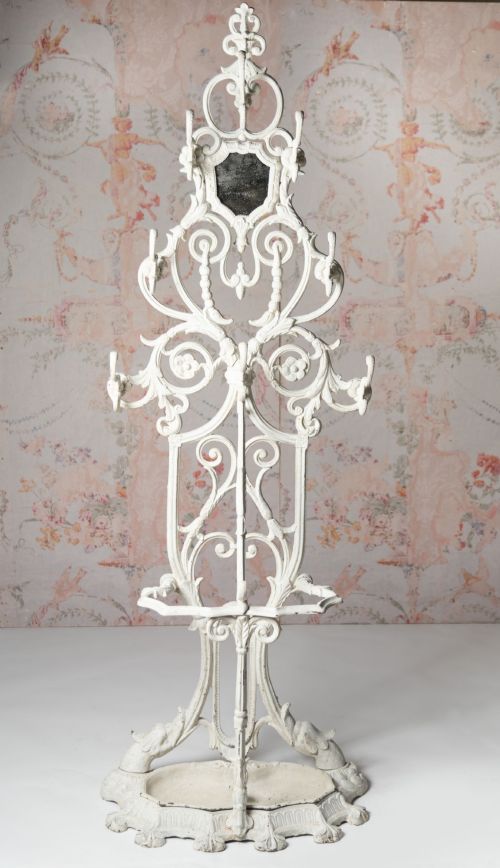
Metal components such as cast iron and brass appear in structural brackets, hooks, and lower drip trays for umbrellas. Solid wood panels and turned columns provide stability to the heavier hall stand variants.
Listings feature items spanning the nineteenth century through to the 1950s, constructed predominantly in oak, beech, and mahogany.
What varies in quality
The standard of timber selection and the complexity of joinery define the upper tier of pieces. Solid oak and carved walnut demonstrate greater architectural ambition than simpler pine or composite structures.
Original hardware, including marked metal hooks and intact brass drip trays, elevates a piece. The fluidity of steam-bent curves and the rigidity of the upright column separate standard items from superior examples.
Astrola·Jas Shoolbred·Fischel·GW Evans
The Freestanding Coat Hat Stand Glossary
- Bentwood
- Wood shaped by applying steam to render it pliable, allowing manufacturers to create curves for coat stands and chairs. This technique defines many Edwardian and Victorian hall items.
- Hall stand
- A piece of hallway furniture combining coat hooks, hat racks, and frequently a mirror or umbrella storage. They anchor the entrance of period homes.
- Drip tray
- A metal or ceramic basin positioned at the base of a stand to catch rainwater from wet umbrellas. It protects the surrounding timber floor.
- Revolving
- A rotating top section on a hat and coat stand that allows users to access garments from multiple angles. This mechanism requires precise central balancing.
- Demi lune
- A half-moon shape used for wall-adjacent hall stands to save floor space. The flat back sits flush against the hallway wall.
Freestanding Coat Hat Stand: Frequently Asked Questions
Where should I place a freestanding coat hat stand?
Position your stand in a hallway or entrance lobby where it receives adequate clearance for hanging coats and hats. Placing it near the primary entrance ensures practical daily use for outdoor garments.
Ensure the floor surface is level so the upright structure remains stable under the weight of heavy winter coats. Allow enough room around the piece to access hooks or revolving top sections easily.
How do I maintain the wood on my stand?
Dust the timber regularly with a dry cloth and apply a quality beeswax periodically to nourish the grain. Avoid placing the stand near direct heat sources that might dry out the wood.
Check metal hooks and fixings occasionally to ensure they remain tight against the wooden frame. Promptly wipe moisture from drip trays to prevent water marks on lower wooden components.
Can these stands handle heavy winter coats?
Most solid oak, mahogany, and heavy bentwood stands are engineered to support substantial outdoor garments. Distributing weight evenly across the available hooks preserves the balance of the upright frame.
Lighter or more delicate pieces benefit from lighter items like scarves and hats rather than heavy wool overcoats. Examine the central column and base connections to gauge the load capacity of older pieces.
How do I identify a bentwood piece?
Look for smooth, rounded wooden curves that appear seamless without traditional angular joinery. Manufacturers achieved these shapes by steaming beech or similar timbers before bending them into position.
Check for maker stamps or labels near the base, as firms like Thonet and Fischel often marked their work. The resulting frames are surprisingly resilient while maintaining a slender profile.