

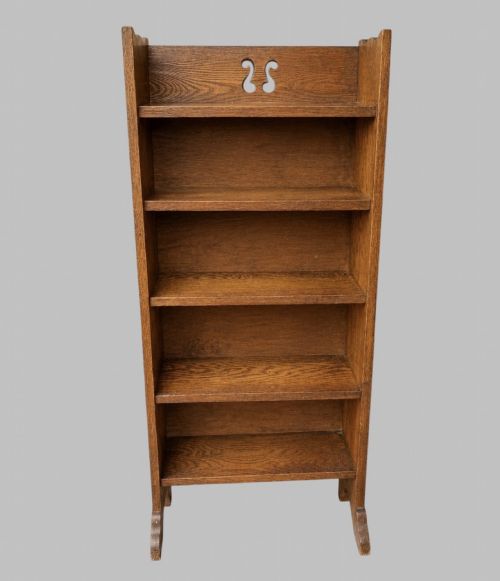

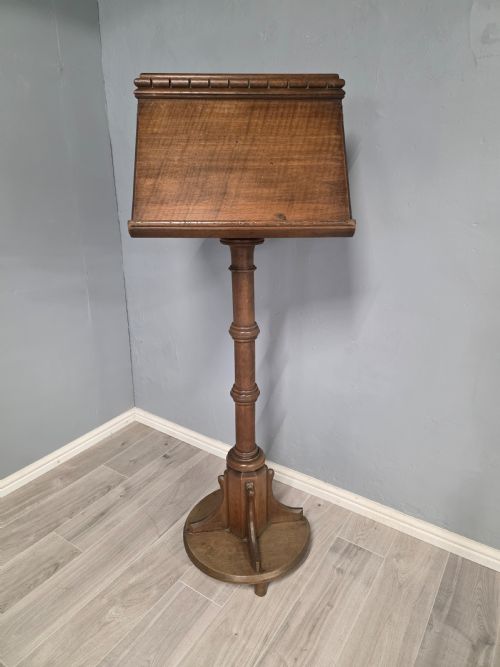
Freestanding Book Stand
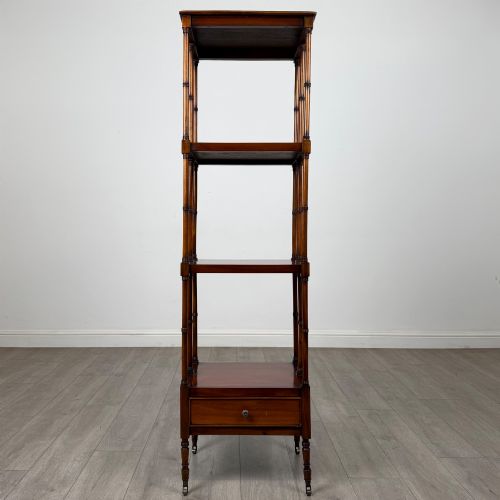
When you search for a freestanding book stand, you are looking at open bookcases, revolving tiers, and reading lecterns designed to place volumes anywhere in a room.
Freestanding Book Stand
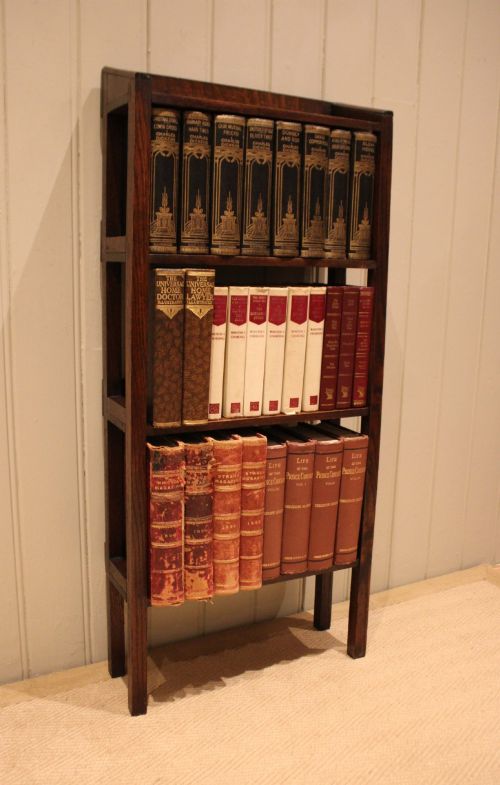
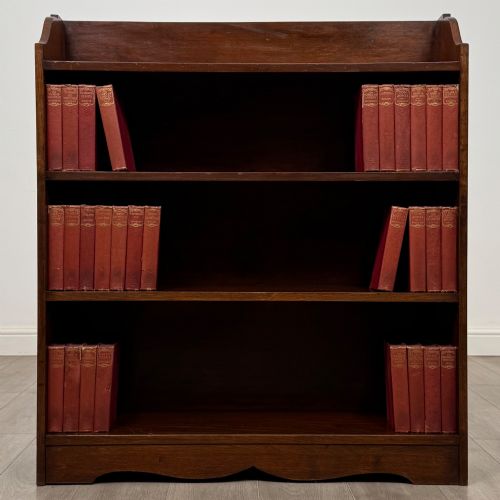
A freestanding book stand serves as a versatile piece of furniture designed to hold volumes without relying on wall support, taking forms such as revolving bookcases, library troughs, and reading podiums. The pieces encountered most frequently on this page originate from the nineteenth and early twentieth centuries, spanning Victorian, Edwardian, and Art Deco periods.
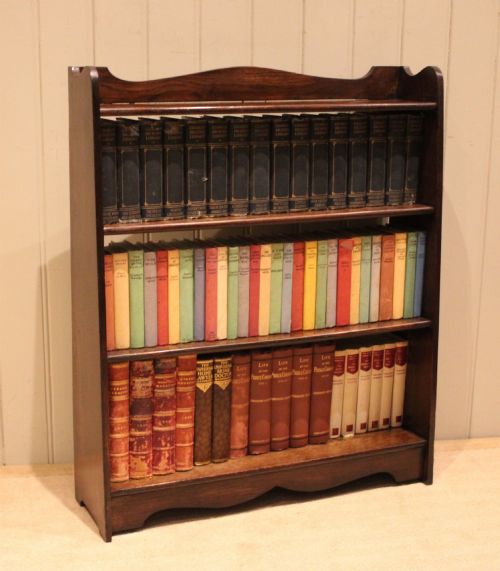
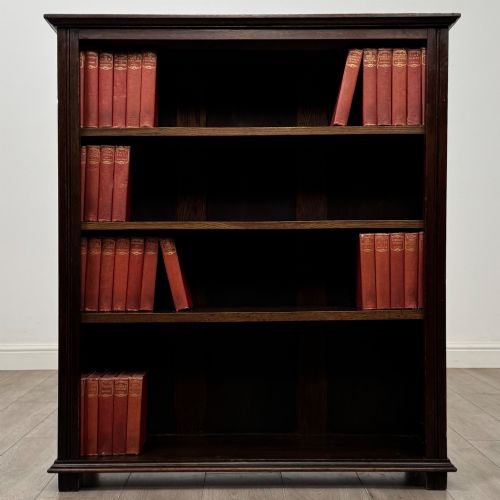
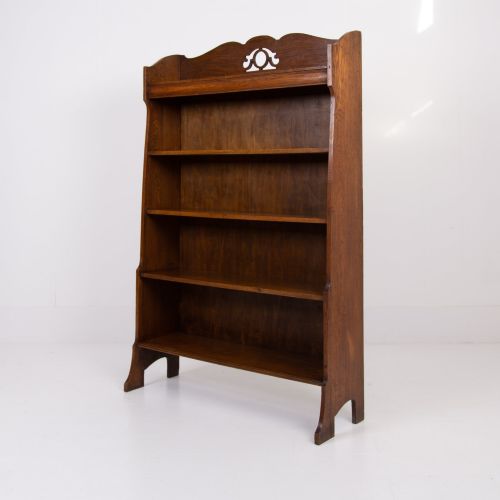
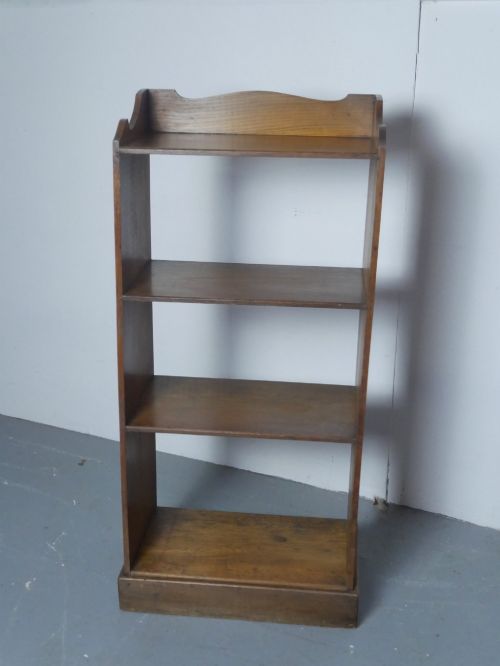
Makers and craftsmen utilised various configurations to suit domestic and institutional spaces, ranging from compact open oak shelves to large flame mahogany lawyer book troughs. Stylistic expressions lean heavily towards Edwardian utility, Arts and Crafts plainness, and Victorian Gothic Revival mass.
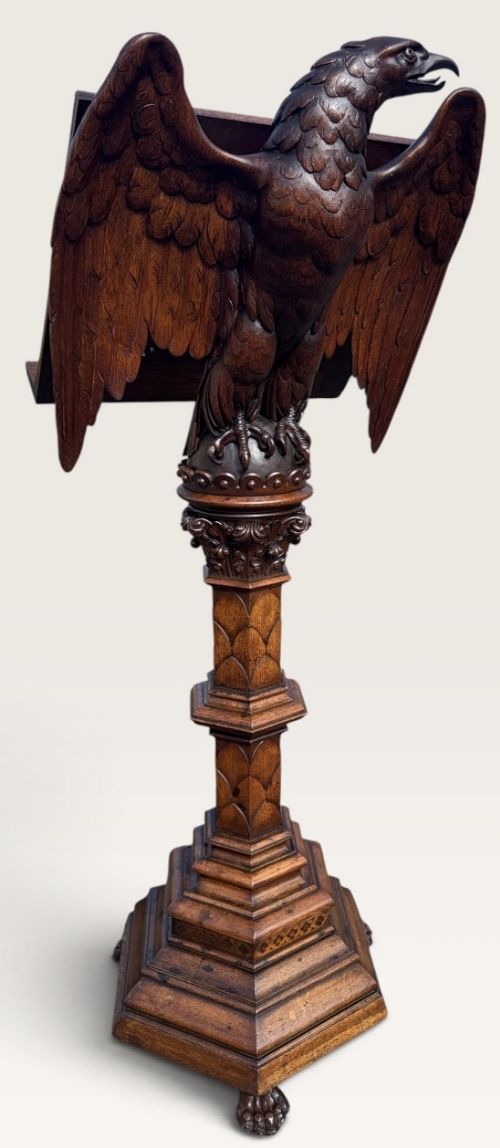
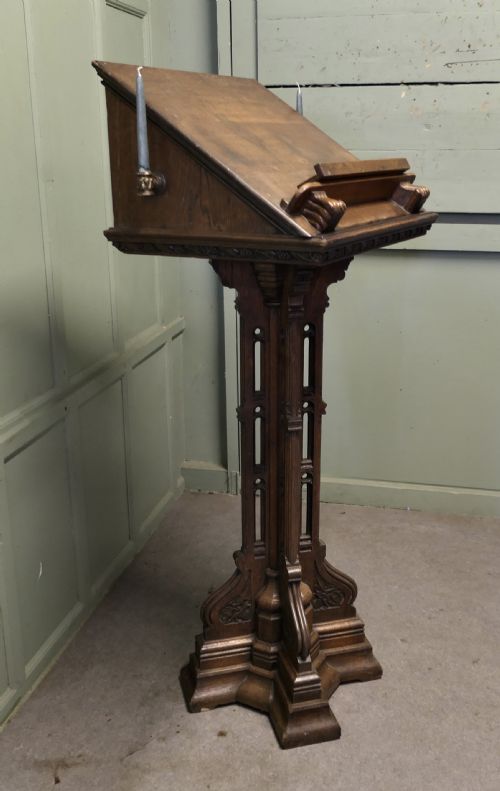
The phrase encompasses utilitarian items made for everyday reading alongside ecclesiastical brass eagle lecterns and carved oak menu stands. Buyers select these designs to integrate accessible book storage into rooms where built-in shelving is absent.
What Varies in Quality
The grade of a piece rests upon the selection of timber, where figured grains, uniform oak planks, and rich flame mahogany distinguish superior examples from standard utility items. Construction integrity also dictates worth, seen in the smooth rotation of a revolving mechanism or the stability of an adjustable shelf frame.
Carving and detailing mark the distinction between mass-produced furniture and workshop commissions, particularly within Arts and Crafts and Gothic Revival pieces. Original hardware, intact castors, and well-preserved patination elevate the standing of a stand within its period.
Materials recorded across the archive include oak, mahogany, walnut, brass, and cast iron.
Waring and Gillows·Muirhead Moffat Glasgow·Heals of London
The Freestanding Book Stand Glossary
- Revolving bookcase
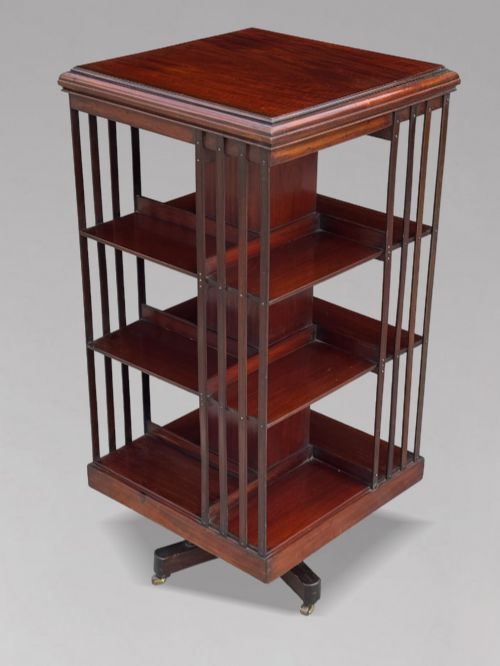
- A low, freestanding bookcase mounted on a hidden rotating platform that allows access to books from all sides. These units were popular in Edwardian libraries and studies.
- Lectern
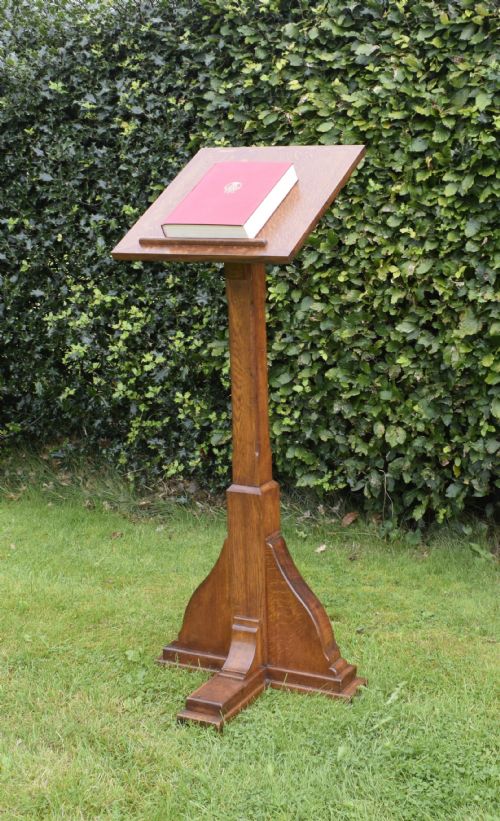
- A slanted reading stand designed to hold large volumes or documents at an ergonomic angle. Examples range from simple wooden reading pods to monumental brass church stands.
- Book trough
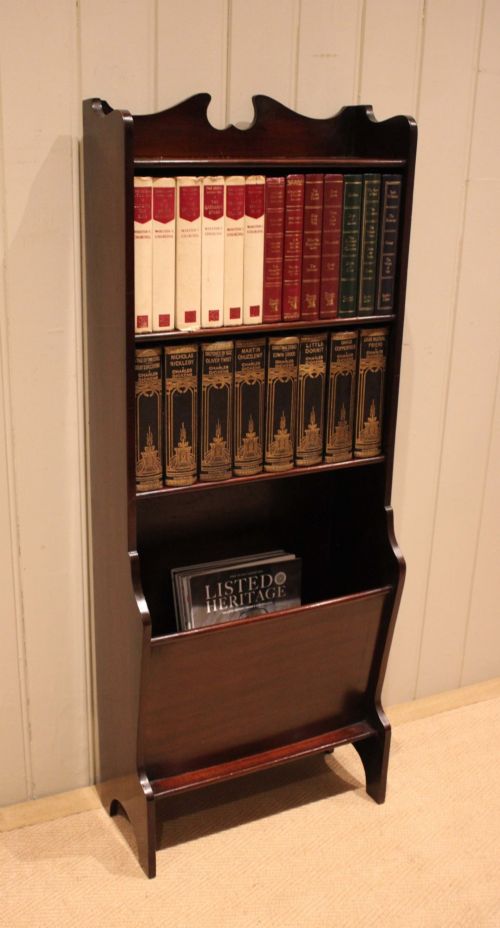
- A V-shaped open container positioned on a stand or desk to hold a selection of current reading material. They are frequently encountered in mahogany and oak.
- Flame mahogany
- A decorative wood veneer cut from the branch junction of a mahogany tree, producing a flame-like or feather pattern. It was favoured for high-status nineteenth-century furniture.
- Arts and Crafts
- A design movement spanning the late nineteenth and early twentieth centuries that emphasised honest construction and visible handcrafting. Pieces from this era often display plain oak and decorative cut-outs.
Freestanding Book Stand: Frequently Asked Questions
What is a freestanding book stand used for?
These pieces provide accessible storage and display for books, periodicals, and reference volumes away from walls. They allow readers to keep frequently used texts close at hand in studies, living rooms, and libraries.
Different formats serve specific purposes, from revolving units holding paperbacks to reading lecterns supporting large volumes. Their freestanding nature makes them flexible additions to room layouts.
How do I date an oak book stand?
Dating relies on combining the stylistic markers, construction methods, and materials recorded in the piece. Edwardian and 1920s examples often feature simpler, lighter oak frames compared to heavier Victorian interpretations.
Arts and Crafts pieces from around 1910 frequently display characteristic hand-carving or decorative cut-outs. Examining the type of screws, fixings, and timber preparation helps narrow the decade of production.
Are revolving bookcases stable?
Quality revolving bookcases utilise a heavy internal cross-base and ball-bearing or metal spider mechanisms to maintain balance. When loaded evenly, they turn smoothly without tipping.
Heavier Victorian and Edwardian iterations use dense hardwoods like mahogany and oak to provide a low centre of gravity. Checking the platform mechanism reveals how well the unit distributes weight.