



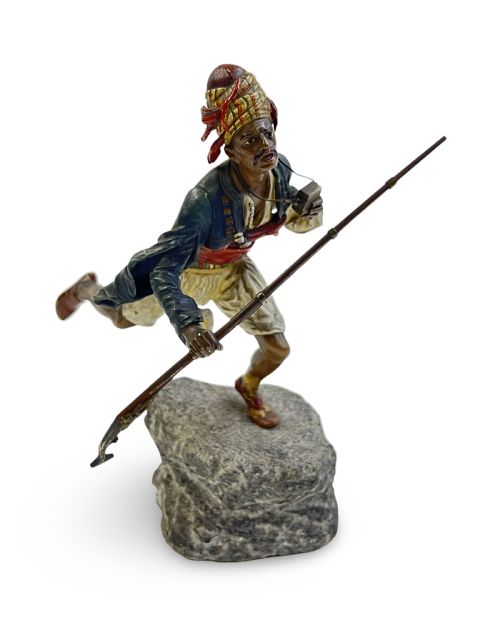
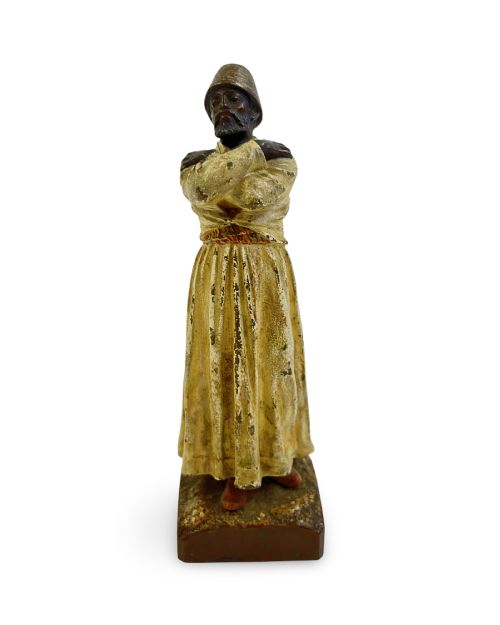
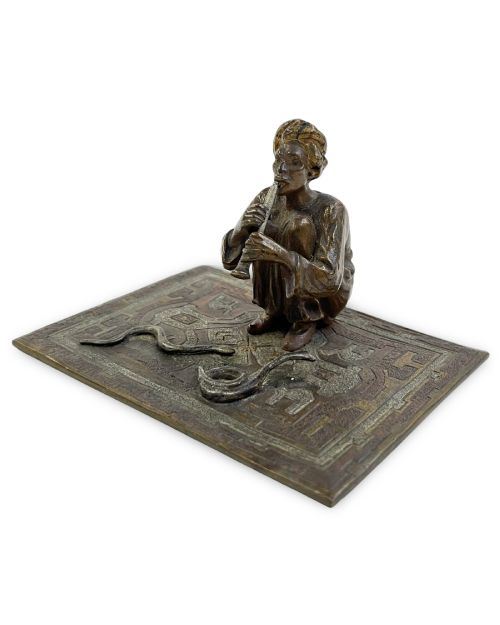


Franz Bergman Figurine
A franz bergman figurine brings the lively palette and rich detail of Viennese metalwork into any room.
Franz Bergman Figurine
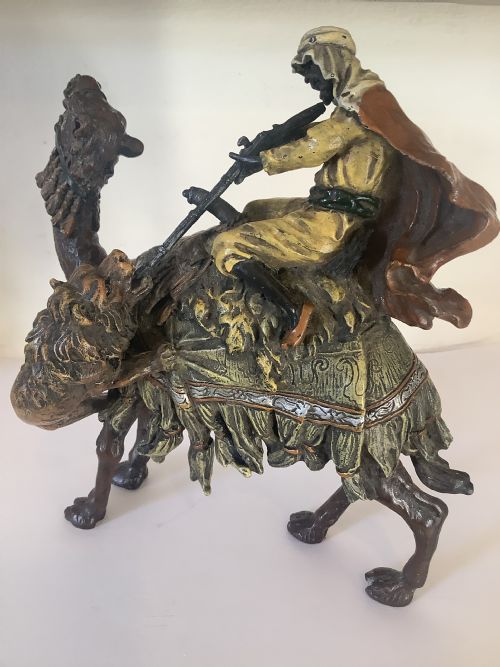
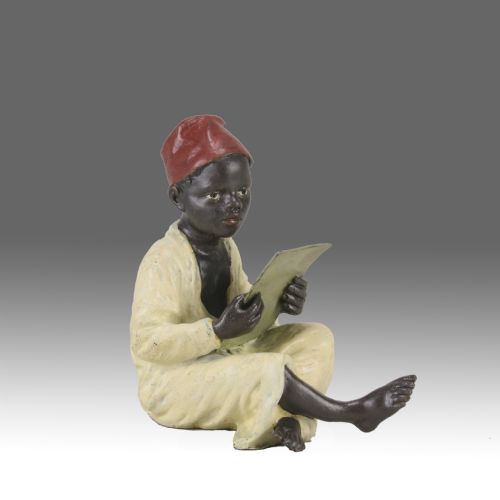
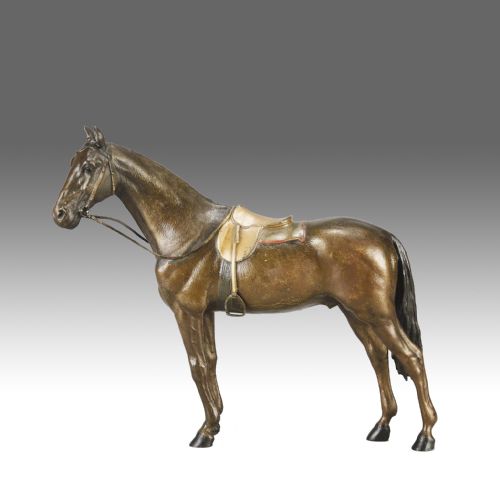
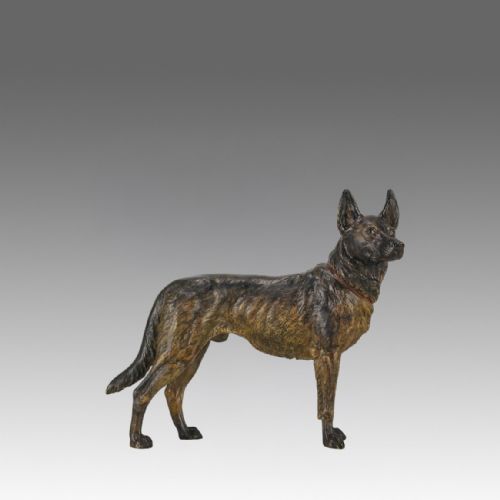
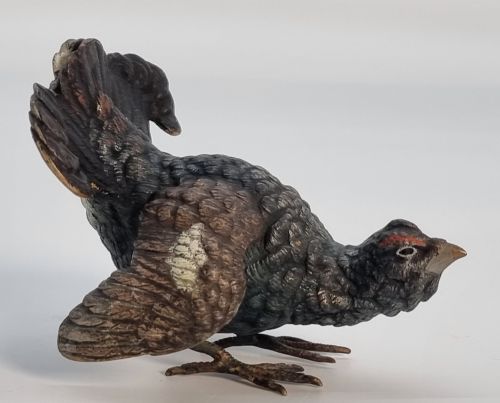
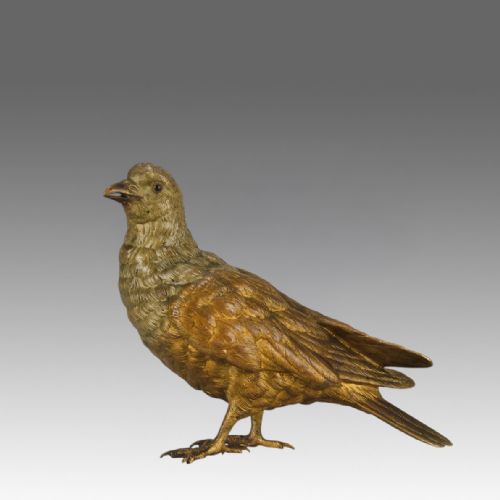
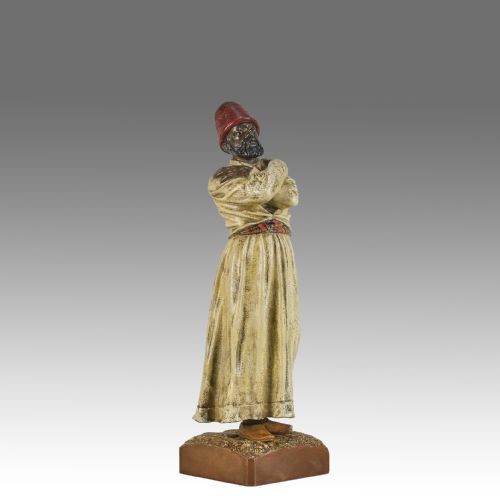
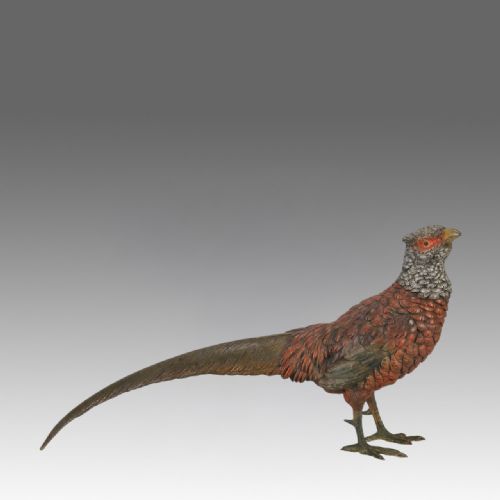
When you search for a franz bergman figurine, you encounter small metal sculptures originating from Austria during the late nineteenth and early twentieth centuries. These pieces typically depict human figures such as warriors, merchants, and dancers, alongside a diverse array of animals including birds, dogs, horses, and reptiles.
The versions most commonly met on this page date from the Victorian, Edwardian, and early twentieth century periods. They belong to distinct artistic movements such as Orientalism, Vienna Bronze, Viennese Animalier, Art Nouveau, and Art Deco.
Many of these sculptures function purely as decorative figurines, while others incorporate practical elements like dishes or small studies. Their subjects range from everyday domestic scenes and wildlife to theatrical and exotic cultural portrayals.
How they were made
The foundational element of these pieces is cast bronze, shaped into intricate forms representing human subjects, animals, and architectural or domestic items. Bronze provides the durable structural base necessary for detailed sculptural work and delicate appendages.
Following the casting process, artisans applied surface decoration using cold-paint techniques rather than traditional kiln-firing enamels. This method utilised oil paint, enamel paint, and standard cold paint applied directly to the metal surface.
Certain sculptural compositions integrate additional natural materials to enhance the base or provide a contrasting setting. Alabaster and marble occasionally appear as mounting bases or structural elements alongside the painted bronze.
Franz Bergman Figurine Retail Price Guide 2026
Typical asking prices for franz bergman figurine among the pieces listed under this phrase on Sellingantiques today, from the lower quarter to the upper quarter. They describe what is for sale here now, not the wider market.
Common object forms include standalone figurines, complex sculptural groups, dishes, and detailed animal studies.
What varies in quality
The distinction between tiers of work rests largely on the precision of the casting and the crispness of the underlying detail. Finer examples display meticulous rendering in facial expressions, plumage, and fabric folds before any colour is applied.
Surface decoration is another primary differentiator, determined by the preservation and finesse of the cold-painted finish. Superior pieces retain complex multi-layered applications of oil or enamel paint that highlight the texture of clothing, fur, or feathers.
Franz Bergman·Franz Xaver Bergman
The Franz Bergman Figurine Glossary
- Cold-Painted Bronze
- A metal sculpture painted after casting using unheated paints rather than fired enamels. This technique allowed for vibrant, varied surface colours but remains susceptible to flaking over time.
- Vienna Bronze
- A small cast bronze figure produced in Austrian workshops during the late nineteenth and early twentieth centuries. These items are celebrated for their naturalistic animalier subjects and detailed Orientalist scenes.
- Orientalism
- An artistic style depicting Middle Eastern and North African subjects, architecture, and dress. In these sculptures, it manifests as figures in traditional garments, tent scenes, and desert wildlife.
- Animalier
- A genre dedicated to the realistic portrayal of animals in sculpture. This style focuses closely on the anatomy, posture, and natural behaviour of creatures ranging from birds and dogs to horses.
- Alabaster
- A soft, fine-grained stone used for carving decorative objects and sculptural bases. It provides a smooth, pale foundation that contrasts with dark or brightly painted bronze.
Franz Bergman Figurine: Frequently Asked Questions
What is a franz bergman figurine made of?
These sculptures are constructed primarily from cast bronze, which provides a sturdy and detailed foundation for sculptural work. The metal is then finished with cold-applied paints, including oil and enamel, to add colour and texture.
In some instances, complementary natural stones such as marble or alabaster are incorporated into the design, serving as bases or structural mounts for the bronze figures.
Where were these bronzes manufactured?
Production took place primarily in Vienna, Austria, during the late Victorian and early twentieth-century periods. Viennese workshops employed skilled metalworkers and painters to create these intricate sculptural objects.
These pieces were exported widely and became popular across Europe and Britain for their whimsical animal studies and exotic Orientalist subjects.
How do I identify a genuine piece?
Identification relies on examining the weight and quality of the bronze casting, alongside the style of the cold-painted finish. Many pieces feature specific foundry marks, stamps, or artist signatures associated with the Bergman workshops.
The subject matter, typical colour palette, and casting techniques characteristic of early twentieth-century Austrian production also help determine authenticity.