




Francois Linke Vitrine
A francois linke vitrine is a masterclass in nineteenth-century French cabinet-making, prized for opulent ormolu mounts and exquisite marquetry.
Francois Linke Vitrine
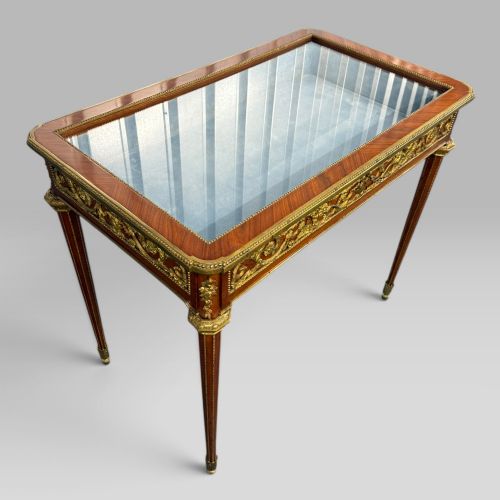
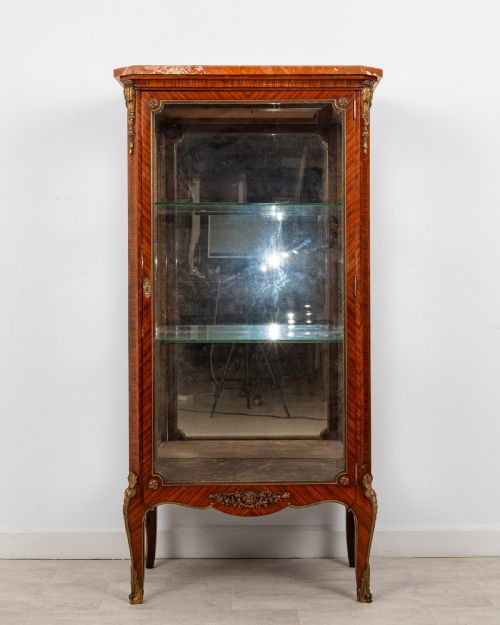
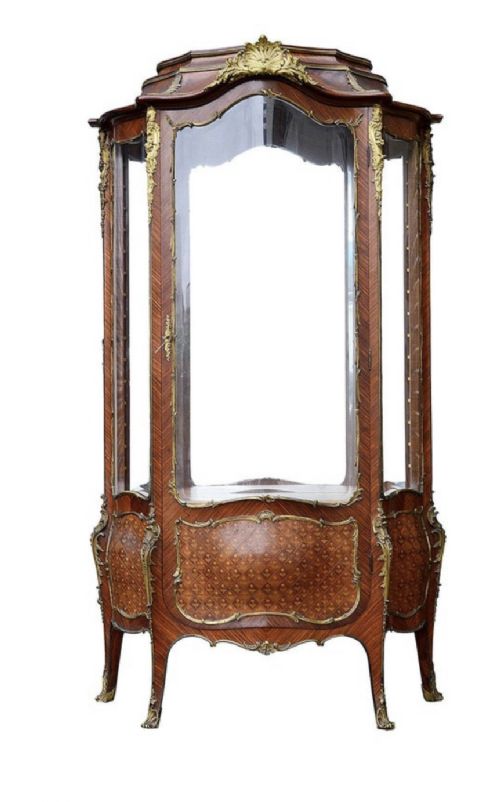
When you search for a francois linke vitrine, you are looking at nineteenth-century French display cabinets and display tables created during the Louis XV and Louis XVI revivals. These pieces combine elaborate timber work with cast gilt bronze and glass panels designed to showcase precious objects.
You are most likely to meet nineteenth-century pieces bearing the maker's actual signature alongside later interpretations made in the twentieth century. The forms range from tall freestanding vitrines with marble tops to smaller bijouterie display tables.
The evidence shows makers working within French Rococo and Chateau styles, utilising rich veneers like kingwood, rosewood, and mahogany. These grand cabinets serve as focal points in period interiors, built specifically to catch the light and display collections.
How they were made
The construction relies on solid carcases dressed in fine timber veneers such as kingwood and rosewood, often complemented by hand-painted Vernis Martin panels. Ormolu mounts, cast in gilt bronze, wrap around corners and frame glass panels with intricate botanical and scroll motifs.
Casting and chasing the ormolu required immense skill, resulting in mounts that fit the curved contours of the timber cabinets precisely. Marble tops, frequently chosen for their weight and grain, sit securely atop the robust display carcases.
Francois Linke Vitrine Retail Price Guide 2026
Typical asking prices for francois linke vitrine among the pieces listed under this phrase on Sellingantiques today, from the lower quarter to the upper quarter. They describe what is for sale here now, not the wider market.
Listings for a francois linke vitrine frequently feature Louis XV and Louis XVI revival styles utilising kingwood, rosewood, and ormolu.
What varies in quality
The crispness of the gilt bronze chasing separates standard workshop output from exceptional cabinet-making. Sharp, deeply undercut ormolu mounts indicate superior craftsmanship compared to softer, shallower castings.
The complexity of the timber marquetry and the fidelity of the revival styling also dictate the standing of a piece. Original nineteenth-century maker signatures command closer attention than later twentieth-century interpretations.
François Linke
The Francois Linke Vitrine Glossary
- Ormolu
- Gilt bronze mounts applied to furniture. This technique involves coating bronze with a gold amalgam and heating it to leave a rich finish.
- Vernis Martin
- Simulated Japanese lacquer developed in France. Artisans applied multiple layers of varnish to create translucent painted panels on furniture.
- Vitrine
- A glass-fronted cabinet designed for displaying porcelain and curiosities. These cabinets feature glazed sides to maximise light exposure.
- Kingwood
- A dense Brazilian hardwood with striking dark violet and brown stripes. Cabinet-makers prized it for high-end veneered surfaces during revival periods.
- Bijouterie table
- A low display table with a glazed top and compartment for jewellery or small valuables. They sit on slender legs within formal reception rooms.
Francois Linke Vitrine: Frequently Asked Questions
What is a francois linke vitrine?
A francois linke vitrine is an elaborate nineteenth-century French display cabinet featuring gilt bronze mounts and fine wood veneers. These pieces reflect the pinnacle of Parisian cabinet-making during revival periods.
They combine glass display space with ornate woodwork, serving as both functional storage and decorative art objects in grand interiors.
How do I identify a linke piece?
Look for signature markings on the bronze mounts or timber work, alongside exceptional crispness in the gilt bronze chasing. The quality of the ormolu and the complexity of the veneers offer strong clues.
Many pieces also exist in the manner of or are attributed to the maker based on stylistic similarities in the mounts and proportions.
Where should I place a vitrine?
Place a vitrine in a principal reception room or drawing room where natural light can illuminate the glass panels and interior contents. Ensure it sits away from direct sunlight to protect delicate wood veneers and fabrics.
Because these cabinets command visual attention, they work best against a neutral wall that allows the ormolu mounts to stand out.
What is vernis martin?
Vernis Martin is a decorative lacquer technique developed in eighteenth-century France and revived in later cabinet-making. It uses translucent varnish layers over painted scenes to create a luminous finish.
You will find these decorative panels inset into the lower doors of select display cabinets.