




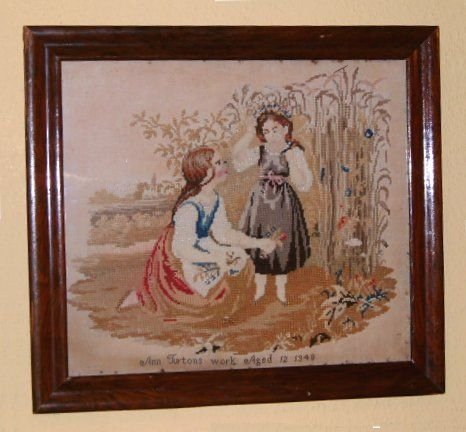


Framed Wool Sampler
A framed wool sampler brings centuries of domestic handwork to your walls, offering charming scenes and traditional lettering stitched by hand.
Framed Wool Sampler
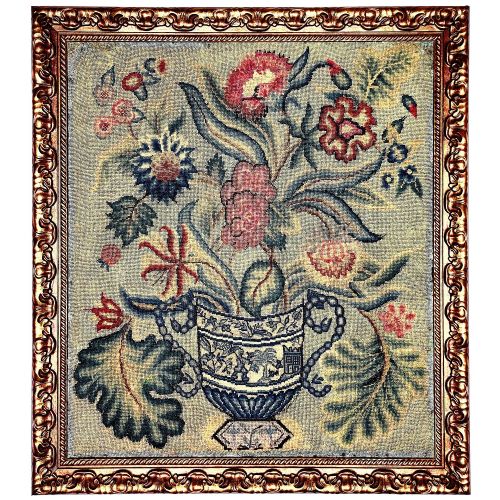
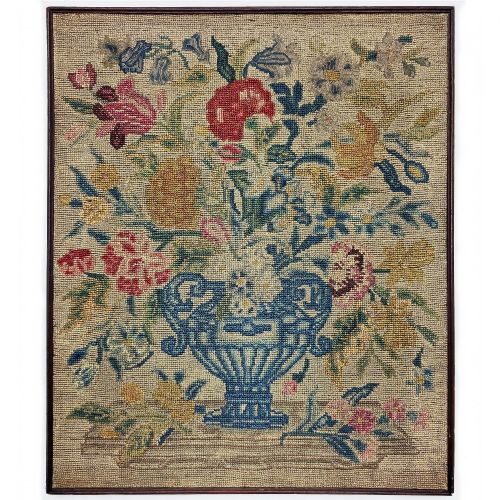
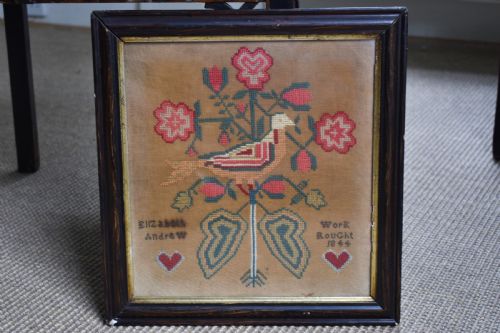
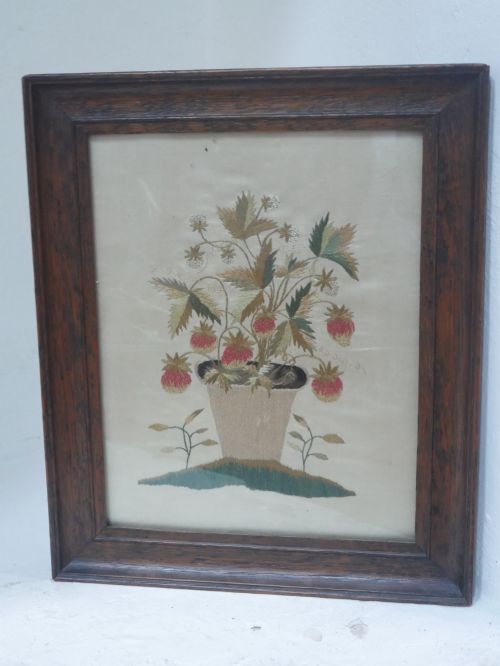
A framed wool sampler captures centuries of textile art, ranging from simple religious subjects and traditional lettering to intricate botanical and figurative scenes. When you browse a framed wool sampler, you encounter needlework pictures created across the eighteenth century, the Victorian era, and into the early twentieth century.
The pieces appearing here include traditional educational samplers alongside pictorial needlework and tapestry pictures. You are most likely to meet Victorian wool work and eighteenth-century needlework pictures preserved behind glass in original wooden surrounds.
Makers ranged from young girls practising their stitches to skilled needlewomen producing elaborate pictures for domestic display. Each framed wool sampler preserves a distinct fragment of needlework history, reflecting the domestic arts and aesthetic tastes of its period.
Materials and construction
These textile works rely on wool and silk threads stitched onto woven linen or canvas foundations. Artisans employed various embroidery techniques, including gros point and petit point, to build up textured surfaces and detailed pictorial compositions.
Framing methods reflect the period of the textile, utilising woods such as rosewood and gilded wood to protect the delicate needlework beneath glass. The combination of durable wool yarns and sturdy wooden frames ensures these stitched pictures survive in domestic settings.
Framed Wool Sampler Retail Price Guide 2026
Typical asking prices for framed wool sampler among the pieces listed under this phrase on Sellingantiques today, from the lower quarter to the upper quarter. They describe what is for sale here now, not the wider market.
One Victorian Scottish sampler faithfully preserves an authentic stitch error left behind by eleven-year-old Maggie Muir.
Assessing quality
Quality in these textiles rests upon the precision of the stitching, the complexity of the design, and the fidelity of the pictorial representation. Finer examples display meticulous control of gros point and petit point stitches, creating subtle shading and expressive detail in figures and botanicals.
The framing contributes significantly to the overall integrity of the piece, with period surrounds like rosewood enhancing the visual impact of the textile. Condition and originality of both the needlework and its housing separate standard schoolgirl exercises from masterworks of domestic art.
The Framed Wool Sampler Glossary
- Gros point
- A coarse needlepoint stitch executed on canvas, often used to cover large background areas in tapestries quickly.
- Sampler
- A piece of needlework produced to demonstrate proficiency in various stitches, alphabets, or motifs.
- Needlework picture
- A decorative textile created with thread on canvas or linen, designed purely for display rather than as an exercise in stitching.
Framed Wool Sampler: Frequently Asked Questions
How do I date a sampler?
Dating relies on the style of the lettering, the choice of motifs, and the materials used in the foundation and frame. Eighteenth-century examples often feature different pictorial conventions compared to Victorian pieces.
Examining the type of wool and the construction of the wooden frame provides further clues to the decade of creation.
Were all samplers made by children?
Educational samplers were indeed stitched by young girls learning letters and basic stitches, as seen in dated schoolroom examples.
Many other pieces were produced by accomplished adult needlewomen creating elaborate tapestries and pictorial works for the home.
How should I hang my framed textile?
Protect the wool and linen from direct sunlight to prevent fading of the dyed yarns over time. Keep the piece away from damp environments to preserve the integrity of the natural fibres and the wooden frame.
Ensure the picture hangs securely using appropriate fixings suited to the weight of the glass and frame.
What is the difference between a sampler and a tapestry?
A sampler traditionally displays various alphabet rows, numbers, and decorative motifs used to practice different embroidery techniques. A tapestry or needlework picture depicts a complete scene, such as a figure, landscape, or botanical study.
Both fall under the wider umbrella of historic needlework art.