


Framed Wildlife Artwork
Framed wildlife artwork brings the natural world indoors through traditional paintings, delicate watercolours and detailed prints spanning multiple centuries.
Framed Wildlife Artwork
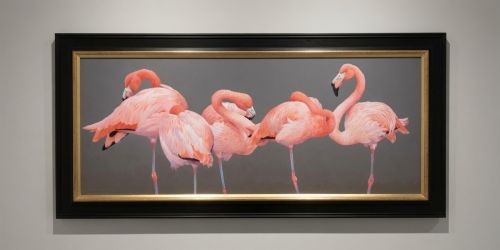
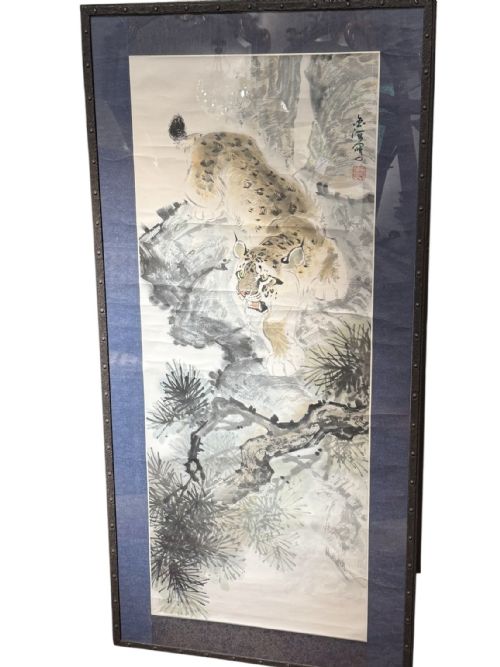
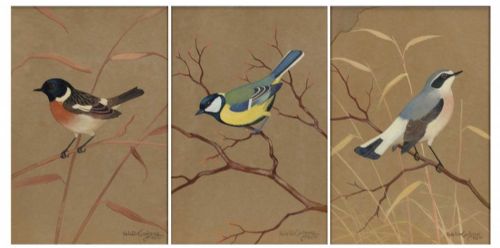
Framed wildlife artwork encompasses traditional oil paintings, delicate watercolours, and detailed prints depicting animals in their natural habitats. Buyers search for these pieces to bring the natural world indoors through historic depictions of birds, big cats, and landscapes.
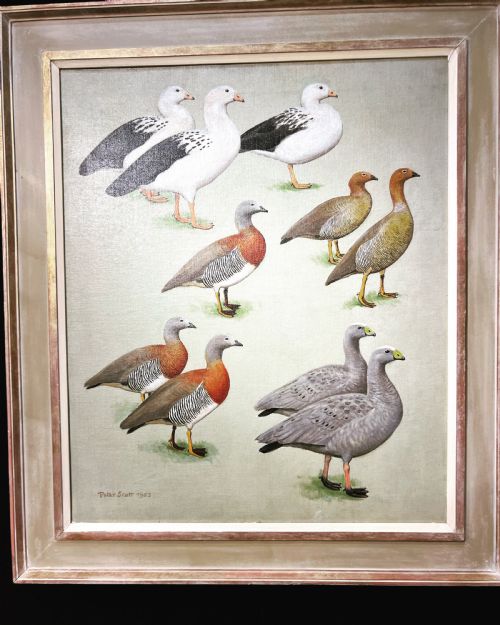
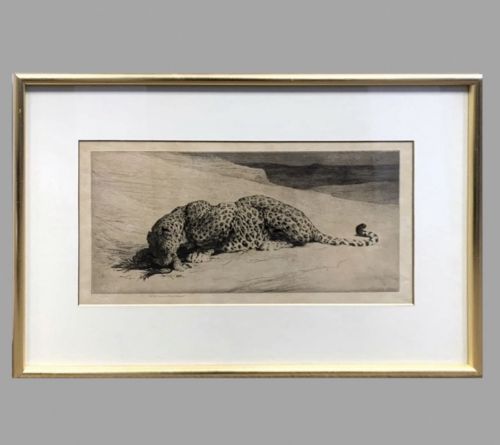
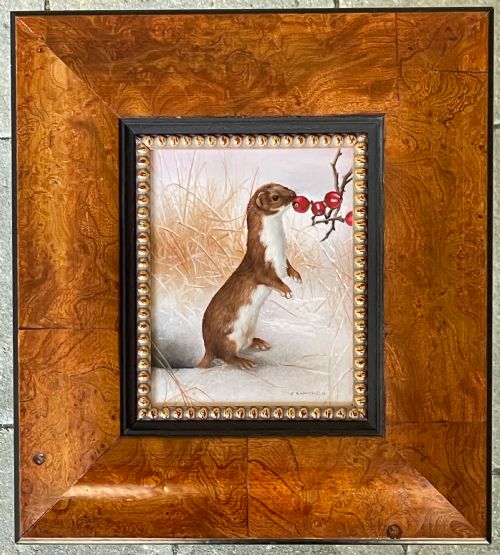
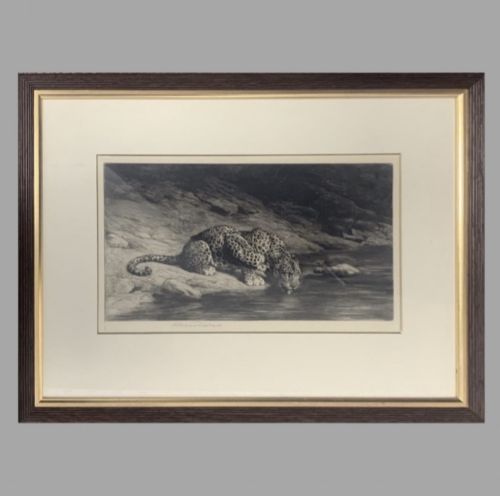
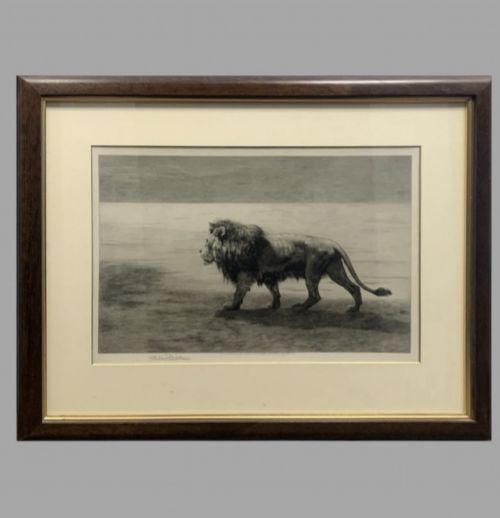
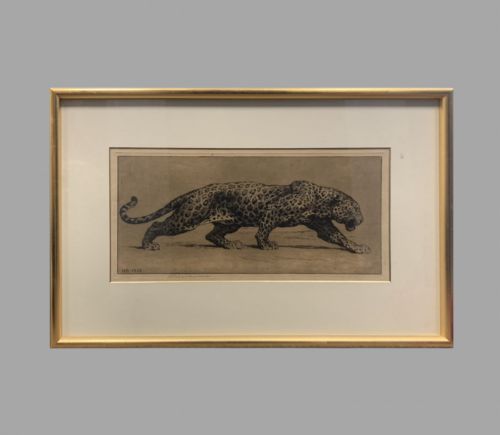
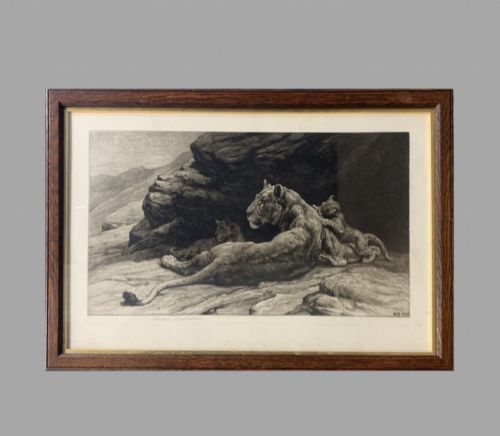
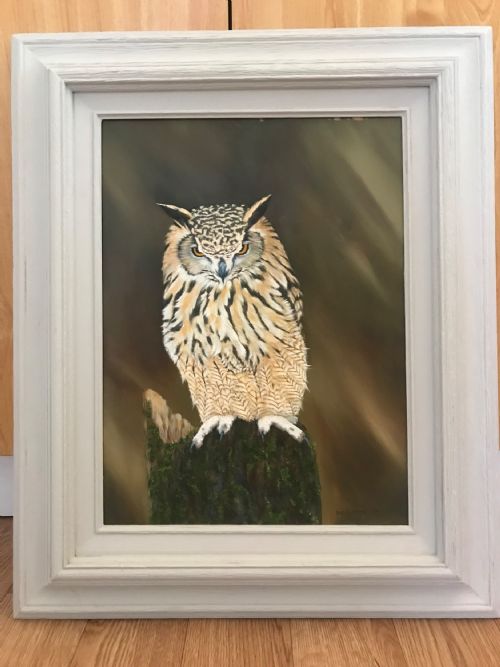
The selections available range from 19th-century Victorian animalier studies to mid-century British bird paintings and early etchings. Works on paper, canvas, and panel showcase subjects from native British wildlife to exotic animals rendered in realistic styles.
Victorian and Edwardian naturalist illustrations share space with mid-century watercolours and oils, giving collectors a diverse array of historical interpretations. Natural history illustration and British Naturalism form the backbone of the styles most frequently encountered on this page.
Materials and Techniques
Artists utilised traditional mediums including oil paint on canvas and panel, detailed watercolours on paper, and fine etchings pulled on vellum. Gouache and pastel also appear across landscape and animal studies, often complemented by period wood and gilt wood framing.
Etchings rely on meticulous plate work and printing as artist proofs, whilst paintings employ layered oils or fluid watercolours to capture feather and fur textures. Paper, canvas, and wood provide the foundational supports for these diverse illustrative techniques.
Several depictions feature unexpected animal companions, capturing frogs, toads, and peacocks sharing space with leopards and ducks.
Assessing Quality and Execution
Quality rests in the precision of the draughtsmanship and the artist's ability to render anatomical accuracy and natural movement. Fine brushwork in oil paintings and crisp, well-inked impressions in limited edition etchings distinguish superior works from standard illustrative pieces.
The integration of the subject within its natural habitat demonstrates the maker's observational skill, moving beyond simple depiction to capture atmosphere and behaviour. Preservation of the original paper, canvas, and framing further elevates the standing of a piece.
Herbert Dicksee·Carl Whitfield·David Orr Kerr·Ralston Gudgeon·Elisabeth Frink·Charles F Tunnicliffe·Constant Ludovic Artz·Cuthbert Edmund Swan
The Framed Wildlife Artwork Glossary
- Etching
- A printmaking technique where lines are bitten into a metal plate with acid before ink is applied and transferred to paper or vellum.
- Animalier
- A style focusing on the realistic depiction of animals, prevalent in nineteenth-century sculpture and painting.
- Vellum
- A fine parchment made from calfskin, frequently utilised for printing high-quality etchings and artist proofs.
- Artist proof
- An impression of a print taken before the final edition is produced, typically retained by the artist for quality review.
Framed Wildlife Artwork: Frequently Asked Questions
What periods do these wildlife artworks come from?
The pieces span from the eighteenth century through the nineteenth and twentieth centuries, capturing evolving artistic interpretations of nature. Victorian, Edwardian, and mid-century eras are particularly well represented in the current selection.
Collectors will find works created during distinct artistic movements like British Naturalism and Realism. Each period brings its own characteristic approach to materials and subject matter.
How should I care for historic watercolours and paper art?
Works on paper require protection from direct sunlight to prevent fading of watercolours and inks. Maintaining stable indoor humidity levels protects both the delicate paper supports and the historic frames.
Framing with conservation-grade materials helps preserve the integrity of vintage etchings and drawings. Regular gentle dusting of the exterior glass keeps the surface clear without disturbing the antique frame.
What is the difference between an etching and a painting?
Paintings are unique, hand-painted works created directly on canvas, panel, or paper using mediums like oil or watercolour. Etchings are printed multiples created from a metal plate, often signed as limited edition artist proofs.
Whilst paintings offer direct brushwork and unique textures, etchings provide precise linear detail and historical printmaking provenance.
Where were these wildlife scenes typically displayed?
Historic wildlife art was created for domestic interiors, country houses, and studies to celebrate natural history and field sports. These pieces served both decorative and educational purposes for collectors interested in ornithology and zoology.
Today, they transition easily into modern living spaces, bringing historic charm and natural subjects to gallery walls or study rooms.