




Framed Wall Art Collection
A framed wall art collection brings together curated groupings of prints, miniatures, and panels that transform an entire wall with historical depth.
Framed Wall Art Collection
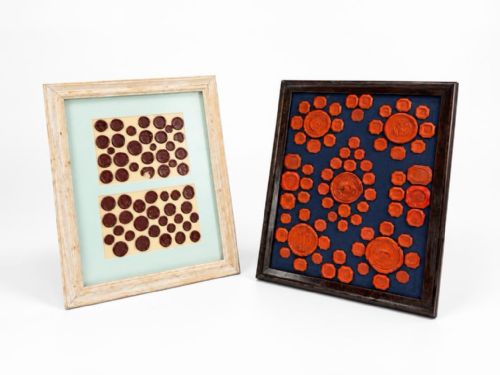
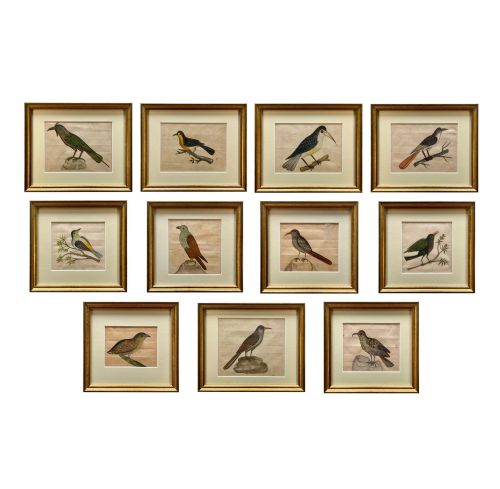
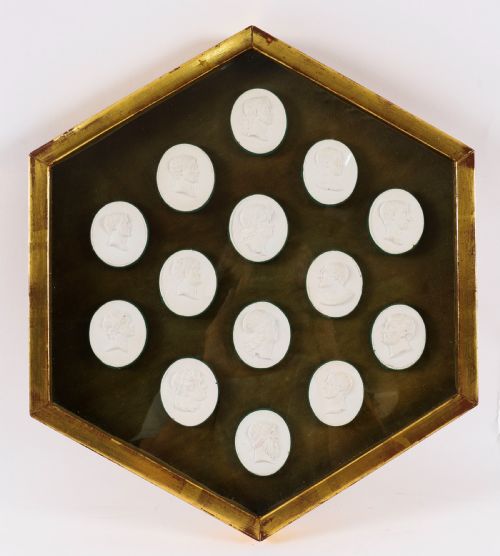
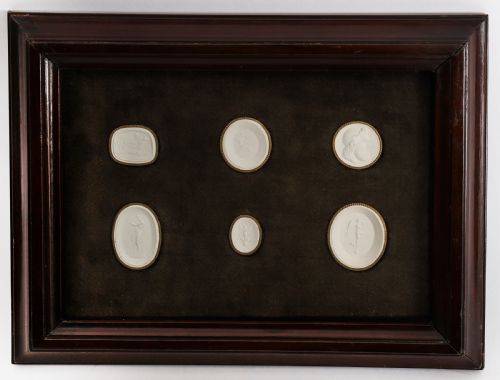
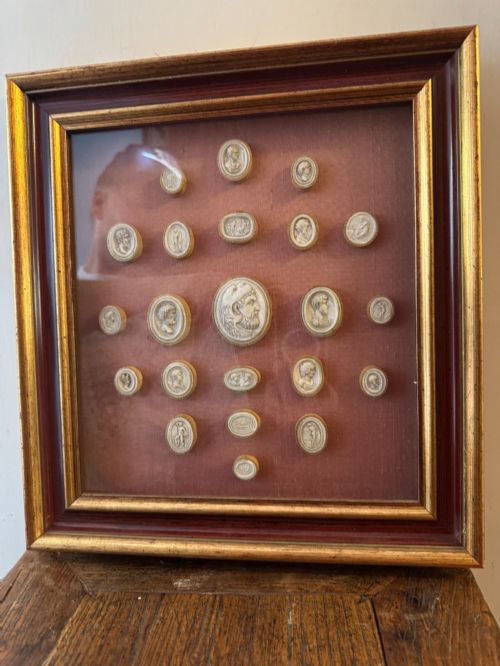
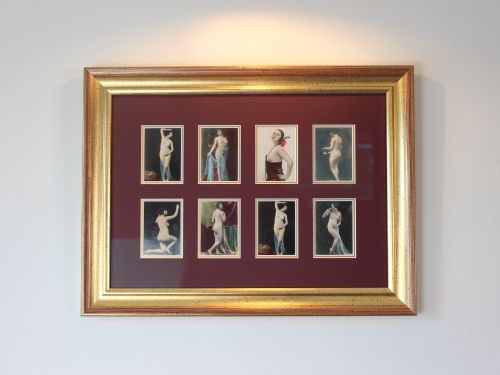
A framed wall art collection encompasses multi-item groupings and series of works presented together within single or matched frames. When exploring a framed wall art collection, buyers most frequently encounter sets of classical intaglios, botanical specimens, photographic prints, and historical sketches spanning the eighteenth to the twentieth centuries.
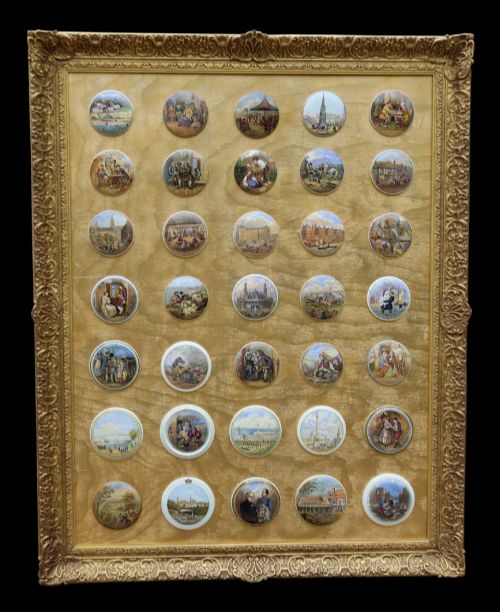
These groupings range from Grand Tour plaster cast medallions and intaglio cameo panels to botanical specimens, hand-tinted prints, and theatrical decoupage. The materials and forms reflect diverse domestic and scholarly pursuits across the Victorian, Regency, and Georgian periods.
The configurations vary from small intimate portrait miniatures to extensive sets of prints and ornamental stone displays. Each arrangement preserves a coherent body of work, whether documenting classical antiquities, theatrical history, or natural sciences.
How they were made
Makers utilised traditional framing materials such as wood, gilt wood, and glass to protect and display delicate contents. Paper, fabric, and velvet frequently serve as backing or mounting surfaces for prints, sketches, and portrait miniatures.
Plaster, gypsum, and gold leaf appear in sculptural cast collections, while ink and photographic emulsions capture images on paper surfaces. Skilled mounting techniques secure multiple items within a single display frame, maintaining alignment and visual balance.
Framed Wall Art Collection Retail Price Guide 2026
Typical asking prices for framed wall art collection among the pieces listed under this phrase on Sellingantiques today, from the lower quarter to the upper quarter. They describe what is for sale here now, not the wider market.
Listings feature works from the 18th, 19th, and 20th centuries, utilising materials such as gilt wood, velvet, glass, and gold leaf.
What varies in quality
The distinction between tiers rests upon the cohesion and completeness of the grouping rather than mere decorative appeal. Sets that retain their original arrangement and matching mounts demonstrate superior provenance compared to later or mixed aggregations.
Material execution dictates the grade of the work, from finely cast plaster and crisp hand-tinted printing to detailed miniature painting. The preservation of the backing materials, glass integrity, and frame condition further separates standard examples from exceptional scholarly specimens.
Julian Mandel·Giovanni Liberotti·Hubert Coutts·W. Edward Grey
The Framed Wall Art Collection Glossary
- Intaglio
- An engraved or incised design that sinks below the surface, commonly seen in classical cameo collections. These small carved stones or casts were popular souvenirs of the Grand Tour.
- Pratt Ware
- A type of earthenware with coloured underglaze decoration, frequently used for decorative pot lids in the Victorian era. These ceramic pieces are often mounted in dedicated display frames.
- Tinsel print
- A nineteenth-century theatrical print embellished with pieces of tinsel, fabric, and foil. They portray actors in character and reflect popular stage culture of the Regency period.
- Botanical specimen
- A preserved plant sample mounted for scientific or decorative study. Nineteenth-century sets record classification efforts and natural history interests.
Framed Wall Art Collection: Frequently Asked Questions
What is included in a framed wall art collection?
These groupings typically comprise multiple related items mounted together, such as sets of prints, photographic series, botanical specimens, or classical intaglios.
They offer a ready-made gallery display that preserves the historical context of the individual pieces.
How were these collections used historically?
Many were assembled by travellers on the Grand Tour to record classical antiquities, while others served as domestic scientific studies or theatrical mementos.
Owners displayed them in studies and libraries to demonstrate scholarly interests and aesthetic refinement.
How do I care for framed multi-item displays?
Keep collections away from direct sunlight to prevent fading on paper, fabric, and photographic prints.
Ensure hanging environments maintain stable humidity levels to protect delicate plaster casts, wood frames, and paper backings.
How are different periods identified in these sets?
Stylistic markers, framing techniques, and mounting materials indicate the era of assembly, ranging from eighteenth-century engravings to twentieth-century photography.
Accompanying inscriptions, printing methods, and backing papers provide additional chronological evidence.