




Framed Victorian Colour Print
When you search for a framed victorian colour print, you look for mid to late nineteenth-century works preserved under glass in wood frames.
Framed Victorian Colour Print
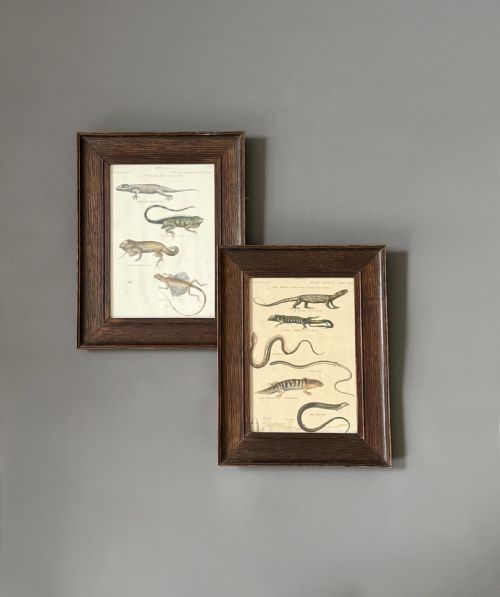
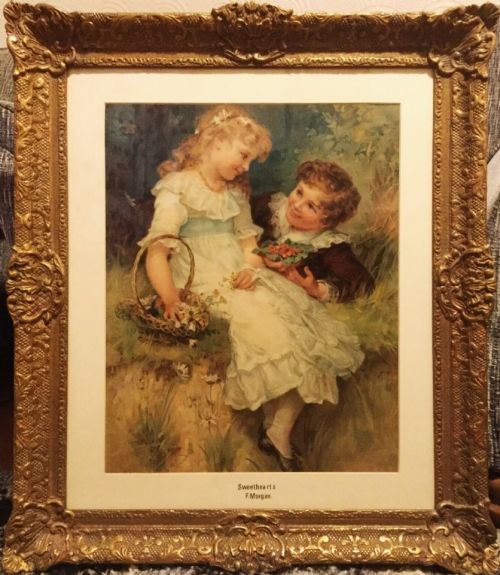
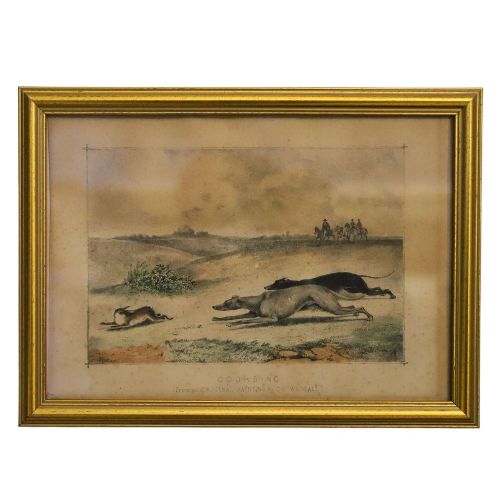
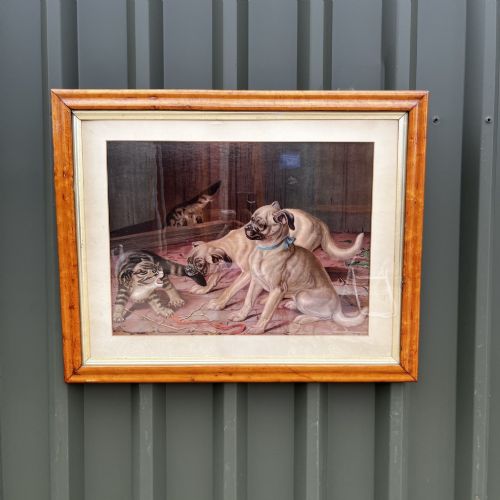
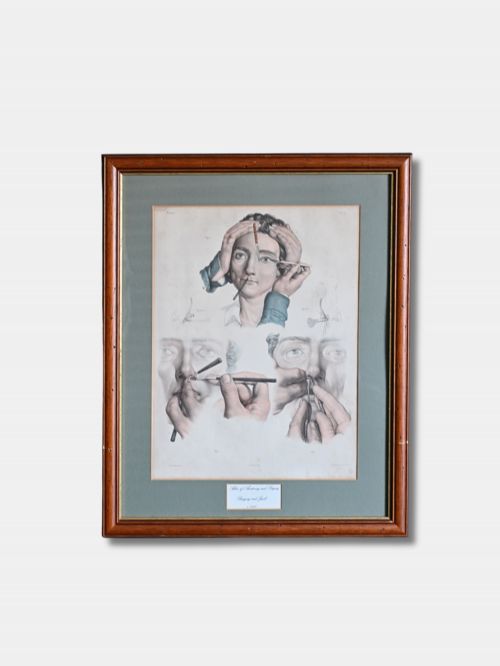
A framed victorian colour print brings nineteenth-century imagery into domestic spaces through various reproductive techniques on paper. These pieces encompass natural history plates, sporting scenes, topographical views, and portraiture housed behind glass.
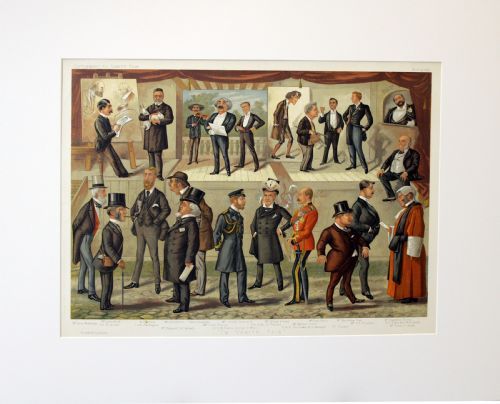
Most examples originate from the nineteenth century, including works from the Victorian era alongside related lithographs and engravings. Buyers frequently encounter subjects ranging from botanical studies and ornithology to political cartoons and genre scenes.
The presentation typically involves period wood frames, sometimes finished in gilt wood or gold leaf, protecting the ink and watercolour mediums used to add colour to the printed base.
Materials and Methods
Production relied on paper supports marked by techniques such as lithography, chromolithography, etching, and wood engraving, often finished with hand-colouring in watercolour or ink. These printed sheets capture detailed illustrations originally drawn by artists and naturalists of the period.
Framing utilised wood, frequently enhanced with gilded wood or gold leaf, to enclose the sheet alongside glass for preservation. The combination of durable paper and protective timber framing ensures many examples survive intact from the nineteenth century.
Listings feature items dated across the nineteenth century, including specific years such as 1830, 1844, 1850, 1855, 1877, 1885, and 1887.
Factors Determining Quality
Quality depends upon the clarity of the underlying impression and the precision of the applied colour work, whether through multi-layered chromolithography or delicate hand-colouring. Stronger examples maintain crisp lines and vibrant pigment without fading or bleeding across the paper.
The integrity of the framing materials also distinguishes pieces, with original carved wood and gilt surrounds offering greater authenticity than later replacements. The preservation of the paper surface free from heavy foxing or damp damage marks the higher tier of surviving examples.
William Bird MD FLS·C H Weigall·Horatio Henry Couldrey·Jonathan Couch·T A Prior·David Roberts·John Curtis·William Powell Frith·Francis Calcroft Turner·Thomas Worth
The Framed Victorian Colour Print Glossary
- Chromolithography
- A planographic colour printing technique using multiple limestone blocks to build up rich hues. This method allowed nineteenth-century publishers to issue vibrant reproductions of paintings and illustrations.
- Lithography
- A printing process based on the mutual repulsion of oil and water on a limestone or metal plate. Artists drew directly onto the stone to produce tonal and linear marks.
- Engraving
- A technique where lines are cut directly into a metal plate with a sharp tool called a burin. The resulting incisions hold ink to print fine details onto paper.
- Crystoleum
- A Victorian method of applying a transparent print to the inside of concave glass, hand-colouring it, and backing it with paint. This process created a luminous, three-dimensional painted appearance.
- Etching
- A printmaking method where acid bites lines into a metal plate covered with an acid-resistant ground. Ink applied to these recessed lines transfers to paper under pressure.
Framed Victorian Colour Print: Frequently Asked Questions
How do I care for my framed print?
Keep the piece away from direct sunlight to prevent the ink, watercolour, and paper from fading over time. Maintain a stable room temperature to protect both the antique paper and the wood frame.
Avoid hanging prints in damp areas like kitchens or bathrooms where moisture can cause foxing spots and damage the glass seal. Dust the wood frame gently with a dry cloth without applying harsh chemical cleaners.
What is a crystoleum picture?
A crystoleum is a distinct Victorian picture created by taking a photographic or printed image, pasting it face down onto glass, and rubbing away the paper backing. The remaining transparent image was then meticulously hand-painted from behind.
Once coloured, additional layers of paint were applied to create depth before sealing the back with a protective backing. These pieces offer a glossy, layered finish unlike standard paper prints.
How can I tell a hand-coloured print from a chromolithograph?
Hand-coloured prints show brushstrokes under magnification where watercolour or tint was applied by hand over a monochrome engraving or lithograph. The colour sits directly on top of the printed lines and can exhibit slight variations between copies.
Chromolithography uses separate ink stones for each colour, resulting in a dot or pattern matrix visible under magnification rather than fluid brushwork. Each colour layer is printed mechanically rather than applied with a brush.
Were these prints always framed?
Many nineteenth-century prints were initially published in books, bound volumes, or periodicals such as magazines and weekly journals. Owners subsequently had these unbound plates framed individually for wall display according to their personal taste.
Some specialised natural history plates, maps, and Vanity Fair prints circulated both as loose sheets and bound sets. Consequently, framing styles often reflect the decorative preferences of the period when the owner mounted the work.