

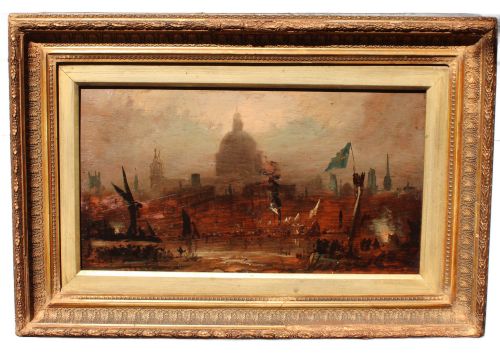
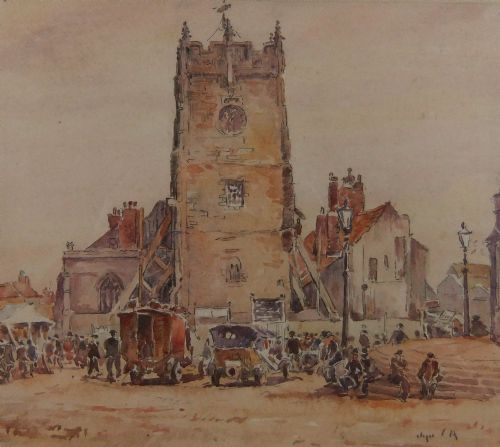
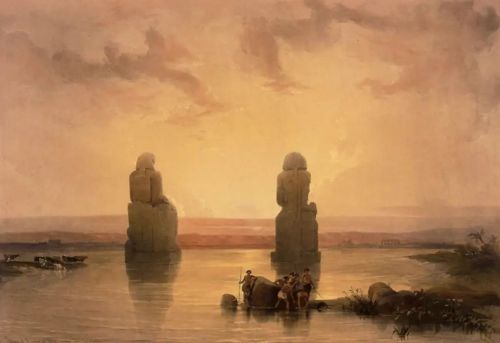
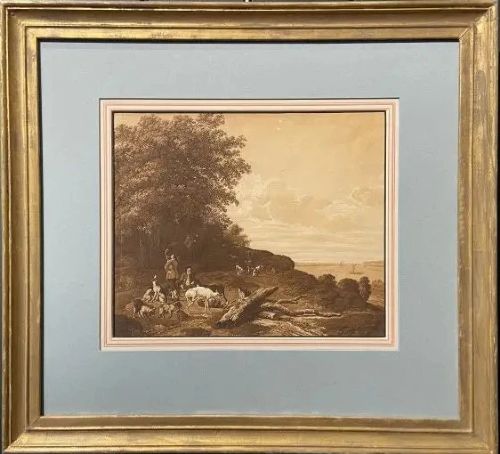
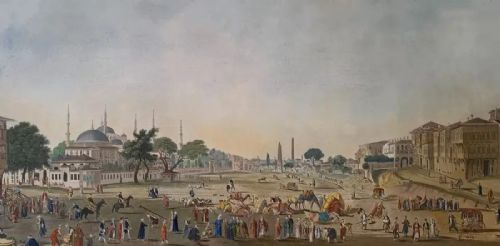


Framed Sepia Landscape Artwork
Framed sepia landscape artwork brings monochrome warmth and tonal depth to a room through historic drawings, watercolours and prints.
Framed Sepia Landscape Artwork
Framed sepia landscape artwork encompasses historic drawings, watercolours and prints rendered in monochromatic brownish tones. These pieces capture rural views, architectural studies and coastal scenes from past centuries.
The selection here draws primarily upon nineteenth-century and early twentieth-century examples, alongside Georgian works and pieces from the nineteen-twenties, thirties and forties. Buyers encounter genuine period watercolours, pencil and wash drawings, and vintage prints.
Makers and artists range from named watercolourists to accomplished members of regional British and European schools. Each framed piece relies on paper, ink, watercolour pigment and wood to present its muted landscape vision.
Materials and technique
Works are executed on heavy rag paper or card using iron gall ink, sepia pigment derived from cuttlefish, or watercolour washes. Artists employed fine brushes and graphite pencils to build delicate tonal layers and fine architectural lines.
Glazing with glass protects the delicate paper and water-soluble pigments from atmospheric moisture and dust. Wooden frames, sometimes finished with gilt or constructed from burr timber, house and support the artwork.
Many a Victorian watercolourist inadvertently invited a tiny studio fly to dry permanently inside their sepia wash.
Assessing quality
Quality rests upon the sureness of the draughtsmanship and the subtlety of the tonal gradation across the monochrome palette. Stronger works demonstrate confident handling of light and shade that defines the landscape space without relying on colour.
The integrity of the original materials also distinguishes better examples, including stable paper without heavy foxing and period frames that complement the artwork. The reputation of the artist or the specific regional school adds historical weight.
John Smith Atherton·David Roberts·George Arthur Fripp·Hercules Brabazon Brabazon·Samuel Palmer·W. Tatton Winter·Frank W. Scarborough·Thomas Clavering Alder·George Graham·Walter Emsley·Sir Muirhead Bone·Arthur Netherwood·Fred Lawson·J.D. Walker
The Framed Sepia Landscape Artwork Glossary
- Sepia
- A dark brown pigment originally prepared from the ink sac of the cuttlefish. It became widely used by artists for monochromatic drawings and tonal watercolours.
- Wash
- A thin, semi-transparent layer of diluted watercolour or ink applied evenly across paper. It establishes broad areas of tone and atmospheric depth in landscape compositions.
- Foxing
- Small brownish spots or patches that appear on old paper due to chemical reactions involving iron impurities. It is a common characteristic of antique paper artefacts.
- Gilt
- A thin layer of gold leaf or gold paint applied to wooden frames. It adds a reflective metallic border that enhances the framed artwork.
Framed Sepia Landscape Artwork: Frequently Asked Questions
What is sepia art?
Sepia art consists of drawings and paintings created in shades of brown using ink or pigment derived from the cuttlefish. This monochrome palette creates atmospheric, historic imagery.
Artists favoured this medium for capturing light, shadow and landscape topography before colour photography and modern printing techniques became widespread.
How do I hang antique watercolours?
Antique watercolours require placement away from direct sunlight to prevent the paper and pigments from fading over time. Stable indoor humidity protects both the delicate paper support and the wooden frame.
Using museum glass or UV-filtering glazing provides an extra layer of conservation security for vulnerable nineteenth-century drawings and prints.
Are these works original?
The selection includes original hand-drawn watercolours, pencil sketches and mixed-media paintings created directly by artists. Each unique piece bears the individual hand and touch of its creator.
Some listings also feature period prints from the eighteenth and nineteenth centuries, which reproduce original compositions using traditional printmaking methods.
How do I date these artworks?
Dating relies on stylistic evidence, artist signatures, inscriptions, and the physical characteristics of the paper and framing materials. Georgian and Victorian pieces often show distinct paper watermarks and framing styles.
Subject matter, clothing styles in figurative elements, and recorded exhibition dates help narrow the period of creation to specific decades.