

Framed Royal Artwork
Framed royal artwork captures centuries of monarchical history, naval heritage and dynastic portraiture through oils, watercolours and delicate mezzotints.
Framed Royal Artwork
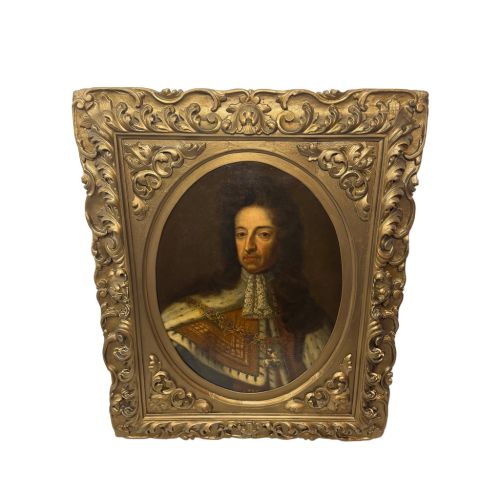
When buyers search for framed royal artwork, they encounter centuries of heritage depicted through portraits of monarchs, military officers and court figures. The pieces span periods from the seventeenth century through to the twentieth, reflecting shifting artistic movements from Baroque oils to twentieth-century pastels.
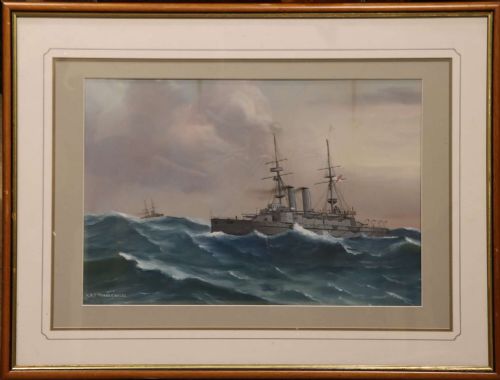
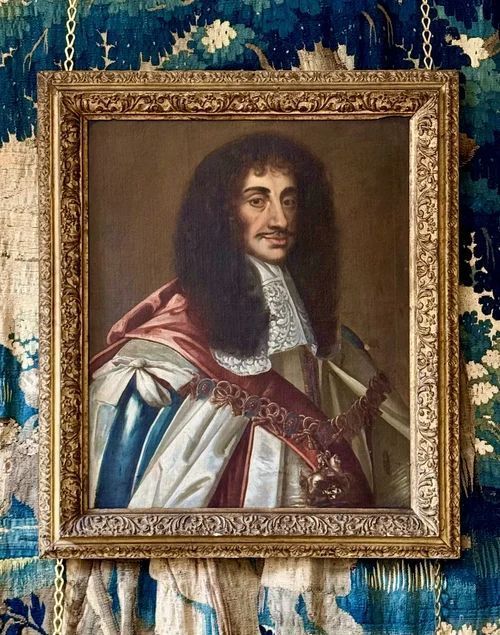
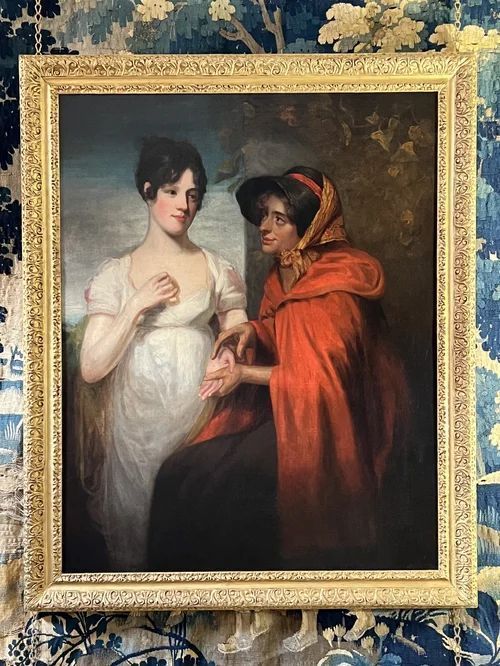
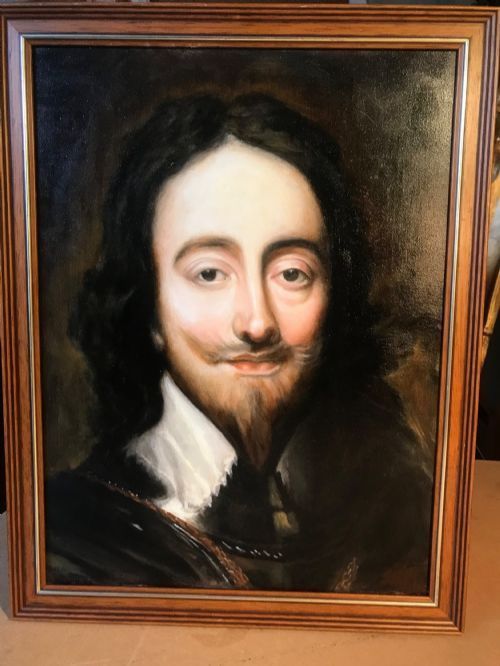
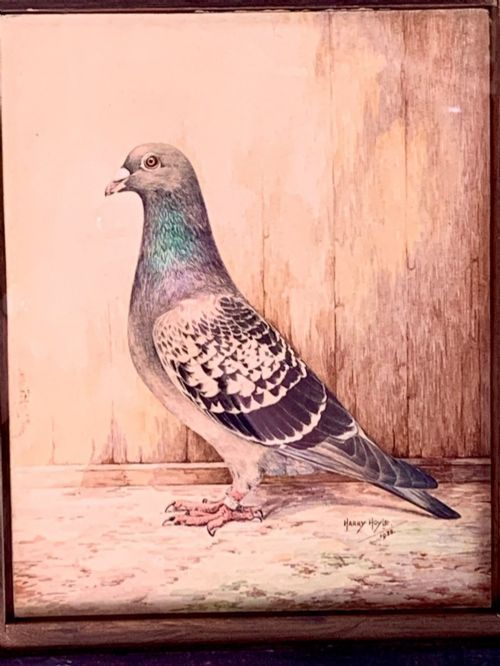
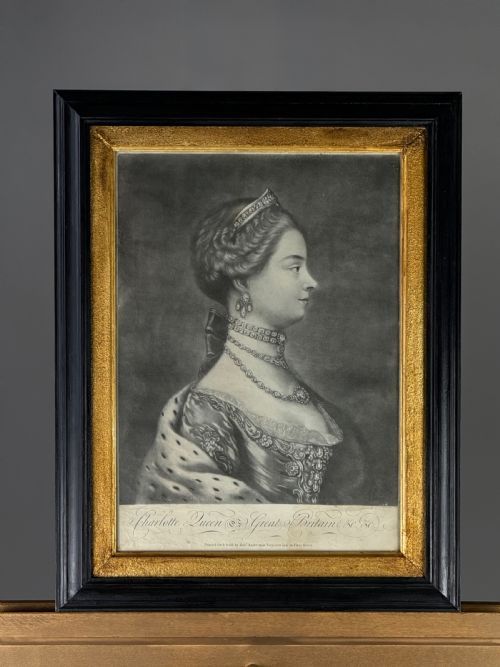
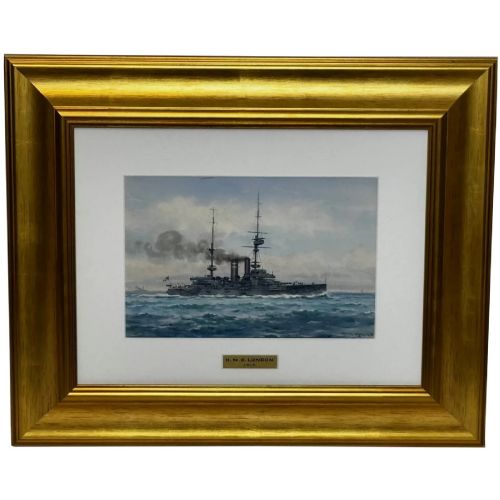
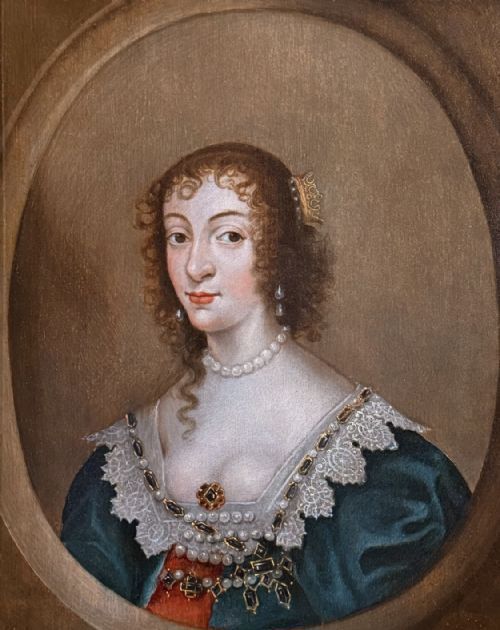
Oil paintings on canvas and panel sit alongside watercolours, gouache sketches and printed mezzotints. Subjects range from sovereign rulers like King Charles I and Queen Charlotte to royal residences, naval vessels and thoroughbred horses.
Most examples found on this page combine historical significance with traditional framing, often utilising giltwood or wood structures to house paper, canvas or glass supports. These works preserve the visual record of royal patronage and military pageantry across generations.
Traditional media and supports
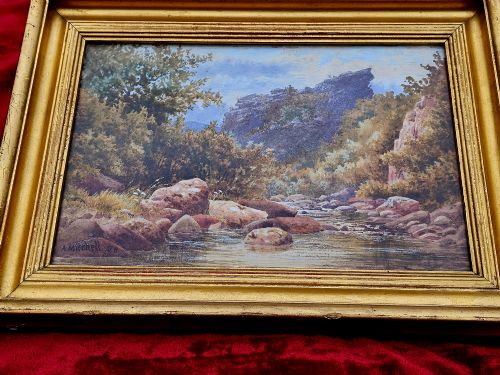
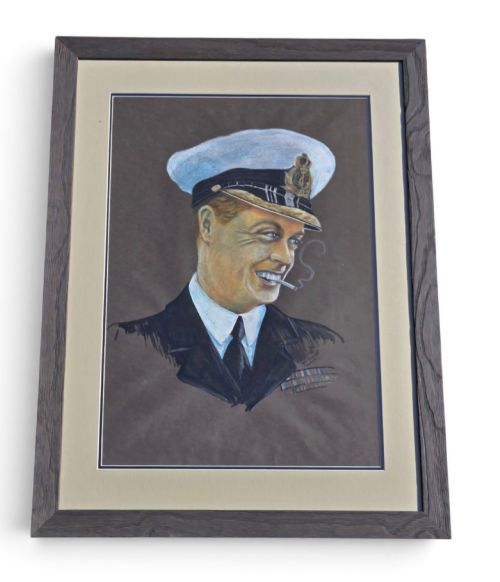
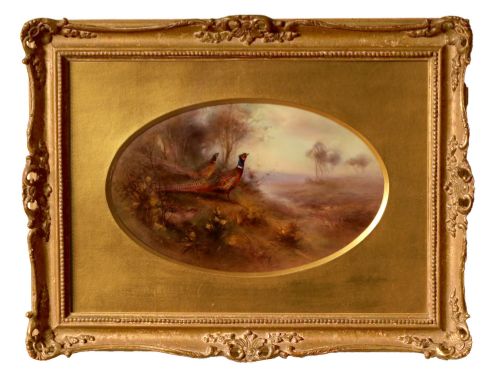
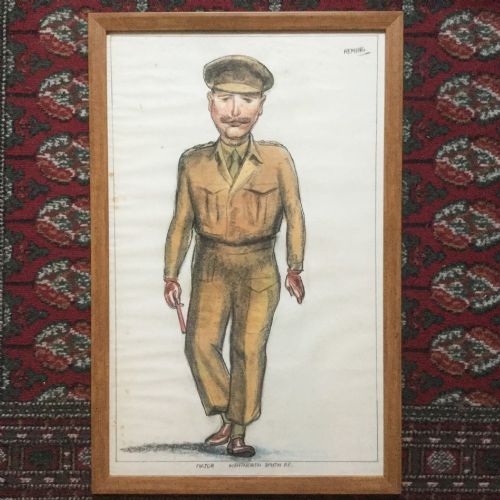
Oil paint applied to canvas or wood panel forms the foundation of many formal portraits, allowing artists to build deep layers of colour and texture. Watercolour, gouache and pastel on paper capture more immediate sketches, marine studies and detailed royal messenger scenes.
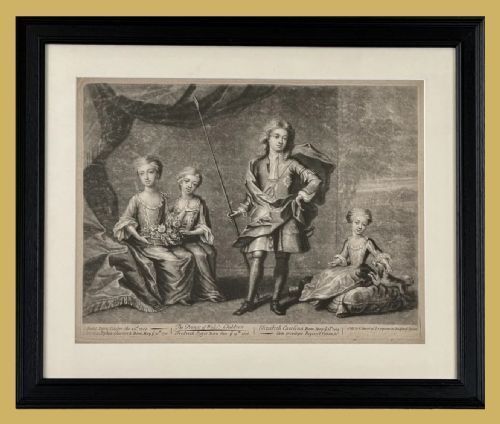
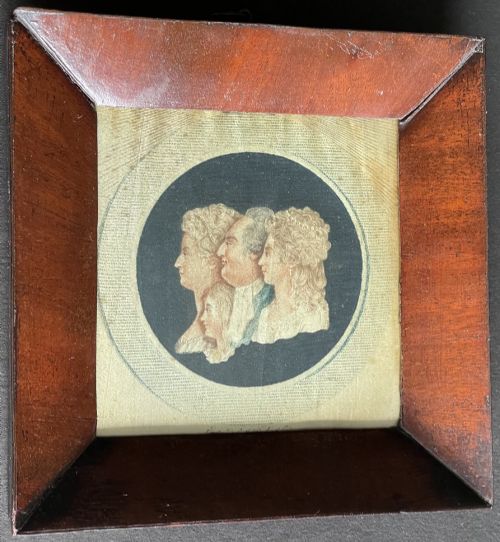
Mezzotints and reverse glass prints utilise intricate engraving and printing techniques popular in earlier centuries to disseminate royal likenesses widely. Hand-painted porcelain plaques introduce ceramic pigments fired onto a rigid backing.
Original frames of giltwood or carved wood enclose these works, providing structural support and aesthetic complement to the imagery within.
Listings feature works spanning the seventeenth to twentieth centuries, executed in oil, watercolour, pastel and print on paper, canvas and porcelain.
Artist skill and historical association
The degree of artistic execution separates works by royal academy painters and circle artists from anonymous studio productions. Finer brushwork, accurate anatomical proportions and expressive facial rendering elevate the status of a portrait.
Direct connection to historical figures, royal provenance or documented exhibition history enhances the significance of an artwork. Pieces created by royal family members or associated with specific historical events carry distinct documentary weight.
The condition of the medium - whether oil, watercolour or print - and the originality of the accompanying period frame influence the integrity of the surviving piece.
John Smith·Sir Peter Lely·John Opie·Anthony Van Dyck·James McArdell·Jeremiah Meyer·Frank Watson Wood·James Stinton·Nicholas Condy·Richard Purcell·Bertram Priestman·Princess Alice Maud Mary·Vincenzo D Esposito·Robert Little·Maharaja Sir Duleep Singh·Reginald Grange Brundrit·William Mellor·Arthur Hopkins
The Framed Royal Artwork Glossary
- Mezzotint
- A printmaking process of the intaglio family where the image is worked from dark to light by roughening the copper plate. This technique allows for rich tonal variations and smooth gradations of shadow.
- Giltwood
- Wood that has been coated with a thin layer of gold leaf or gilt powder. It appears frequently on the decorative frames enclosing historical paintings.
- Gouache
- An opaque water-based paint consisting of pigment, water, and a binding agent such as gum arabic. It dries to a flat, matte finish and is often combined with watercolour.
- Provenance
- The chronological ownership and custody history of a work of art. A documented lineage confirms authenticity and historical context.
- Oil on panel
- A painting technique where pigments bound in oil are applied to a wooden board rather than fabric canvas. This method was standard for many early portraits.
Framed Royal Artwork: Frequently Asked Questions
How do I identify seventeenth-century royal portraits?
Seventeenth-century portraits typically feature specific clothing styles such as lace collars, doublets and elaborate wigs, painted in oil on canvas or wood panel. The handling of light often follows Baroque traditions established by prominent court painters of the era.
Examining the stretcher bars, canvas weave and any historical inscriptions on the reverse helps determine the approximate age. Comparison with known works by circle artists or contemporary masters provides further verification.
What is a reverse glass print?
A reverse glass print involves transferring an engraved image onto a glass plate and painting it by hand from the reverse side. This technique produces a luminous surface quality popular in eighteenth-century interior decoration.
Because the paint sits behind the glass, the surface is protected from environmental wear but remains vulnerable to impact. Collectors value these pieces for their distinct reflective sheen and period craftsmanship.
How should I care for antique watercolours?
Antique watercolours and pastels require protection from direct sunlight to prevent fading of the delicate pigments on paper. Displaying them in rooms with stable humidity levels preserves both the paper support and the surrounding frame.
Glazing with UV-filtering glass offers an added layer of defence against environmental degradation. Avoid hanging paper-based artworks on damp exterior walls.
Why do some listings mention royal provenance?
Royal provenance indicates that an artwork was commissioned by, presented to or owned by members of the royal family. This documented history connects the object directly to historical households and events.
Exhibition labels, archival records or traditional inscriptions often support these claims. Such association adds an extra layer of historical narrative to the piece.