
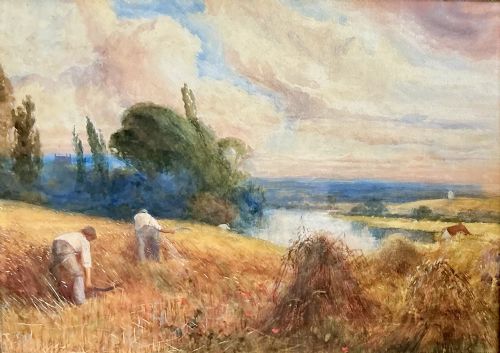


Framed River Watercolour
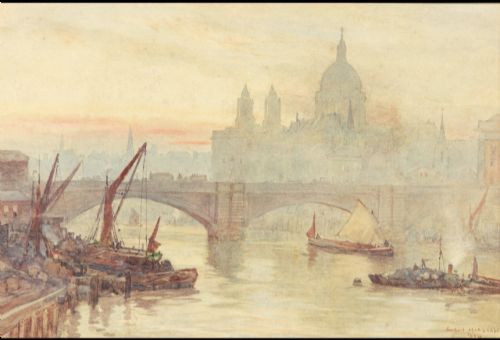
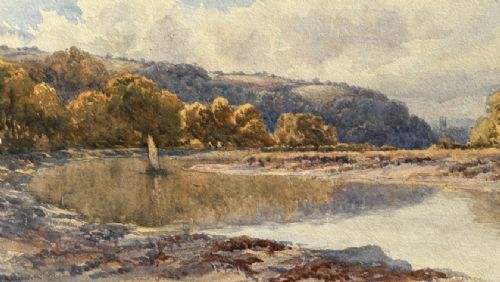
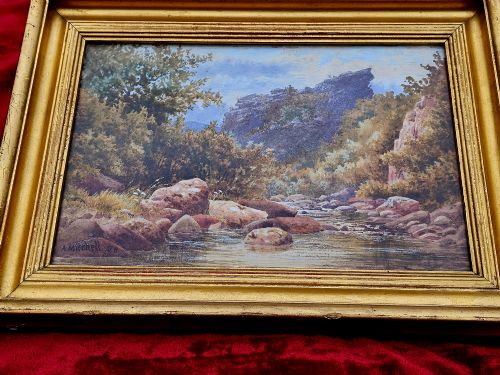
These framed river watercolour works capture watercourses, pastoral banks and maritime views through nineteenth and early twentieth-century British artistry.
Framed River Watercolour
A framed river watercolour brings together delicate pigment work and protective glass framing, focusing on rural streams, tidal estuaries and bustling commercial rivers. The works most commonly met on this page date from the Victorian and Edwardian eras, reflecting a strong British appetite for landscape painting.
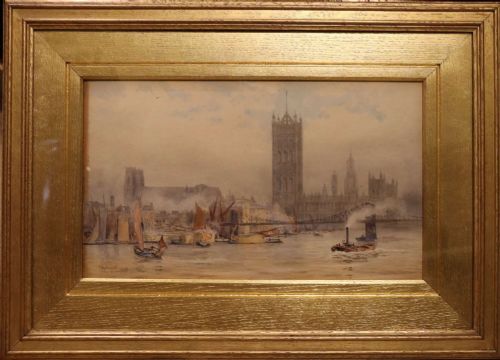
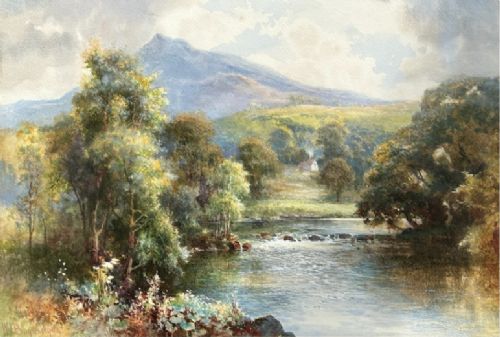
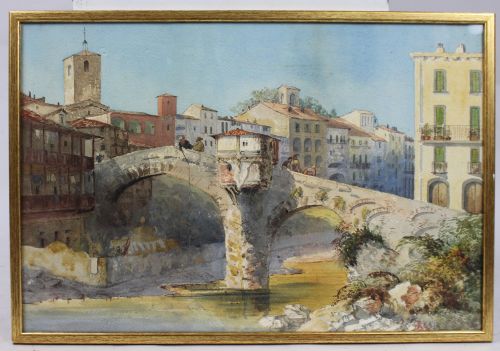
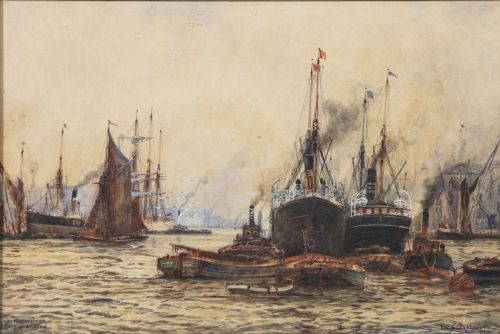
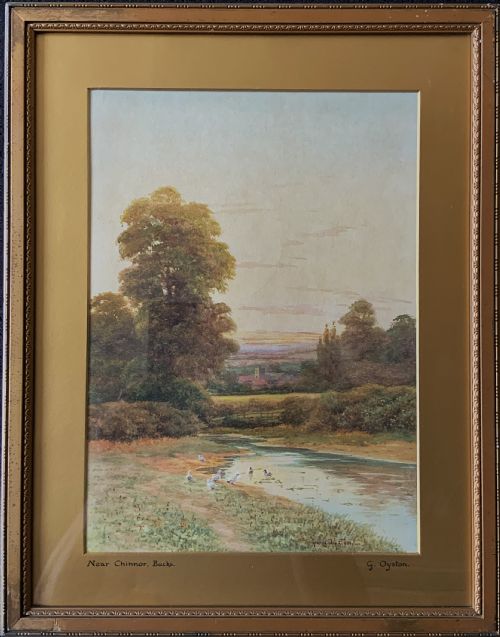
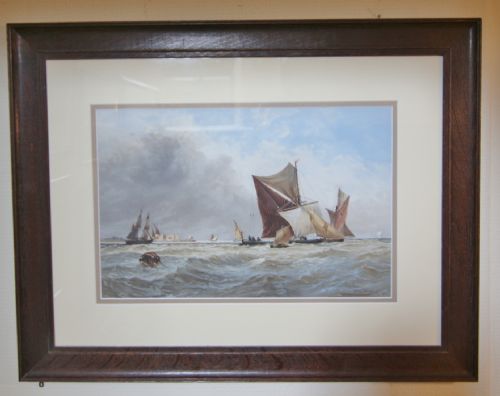
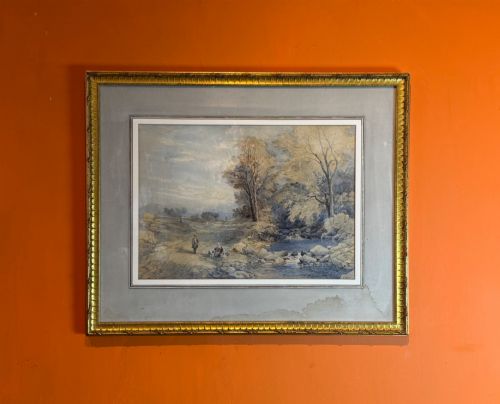
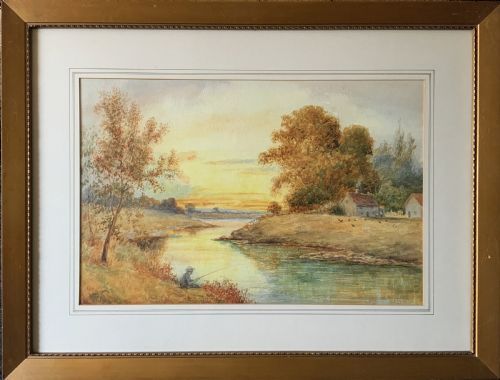
Compositions often feature figures by banks, grazing cattle, distant castles or arched stone bridges alongside calm stretches of water. Artists captured settings ranging from the Thames and the River Esk to continental scenes in Holland and Italy.
These framed paintings appear in various scales, from intimate country sketches to large gallery pieces bearing the signatures of Royal Academy exhibitors and regional school painters.
Materials and Technique
Works are executed using watercolour pigment suspended in water-soluble binders, applied freely or meticulously to heavy paper surfaces. Artists relied on the natural white of the paper to provide highlights, washing translucent layers of pigment to build depth in skies and water reflections.
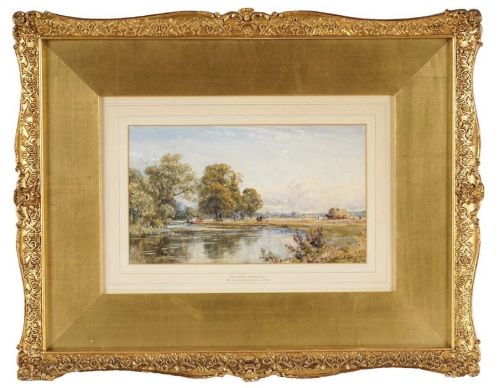
Surviving examples are preserved behind glass within wooden frames, frequently finished in gilt to complement the tone of the painting. The combination of water-based pigment on paper requires consistent environmental protection to prevent fading from direct light.
Cows appear with surprising regularity by nineteenth-century riverbanks, serving as reliable indicators of pastoral scale.
Quality and Execution
Quality rests upon the artist's handling of light, atmosphere and fluid medium, distinguishing hurried sketches from finished exhibition pieces. Master hands achieve luminous clarity in the rendering of moving water and overcast skies without overworking the paper.
The integrity of the original framing, the strength of surviving provenance and the clarity of the signature or attribution further elevate the standing of a piece within its period.
Frank William Scarbrough·Robert Thorne Waite·George Oyston·Thomas Bush Hardy·Cornelius Pearson·Robert Winchester Fraser·Henry John Kinnaird
The Framed River Watercolour Glossary
- Watercolour pigment
- Finely ground colour particles mixed with a water-soluble binder. This medium allows for rapid washes and delicate transparency on paper.
- Gilt wood
- Timber framing coated with a thin layer of gold leaf or metallic paint. This traditional finish enhances nineteenth-century paintings.
- Provincial school
- A regional grouping of artists working outside major capital academies. Their output often documents local rivers and rural topography.
- Estuary
- The tidal mouth of a large river where the tide meets the stream. Painters frequently recorded these wide, flat horizons and shipping activity.
Framed River Watercolour: Frequently Asked Questions
How should I hang these watercolours?
Keep framed works away from direct sunlight and damp walls to protect the delicate pigments on paper.
Position them at eye level in rooms with stable humidity to preserve the original wooden frames and glass seals.
How do I identify a Victorian river scene?
Look for characteristic nineteenth-century palettes, pastoral subjects with cattle or figures, and period framing techniques.
Signatures, artist registry records and exhibition labels often confirm the exact decade and working school.
Were these paintings always framed?
Most finished works were placed behind glass soon after completion to protect the absorbent paper surface from dust and moisture.
Original framing helps retain the historical context of the piece, even if mouldings have been updated over the decades.
What subjects are most common?
British river valleys, rural backwaters, Welsh landscapes and Thames towpaths dominate the available nineteenth-century compositions.
Artists also travelled to continental ports and Italian waterways, expanding the geographical range of these framed views.