

Framed River Painting
A framed river painting captures the quiet movement of water and light, bringing historic waterways onto the wall.
Framed River Painting
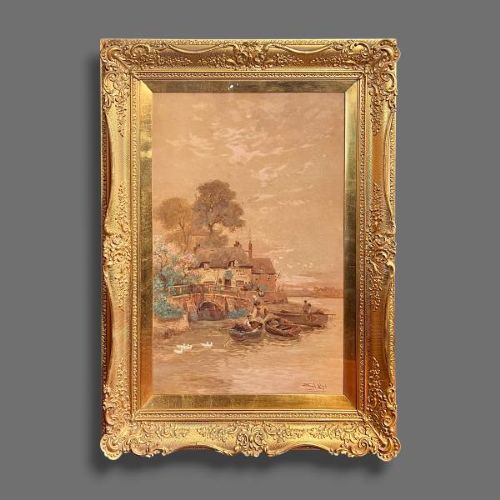
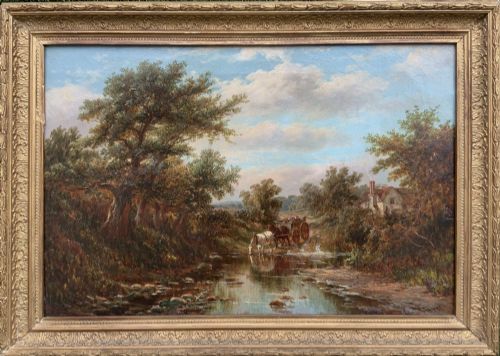
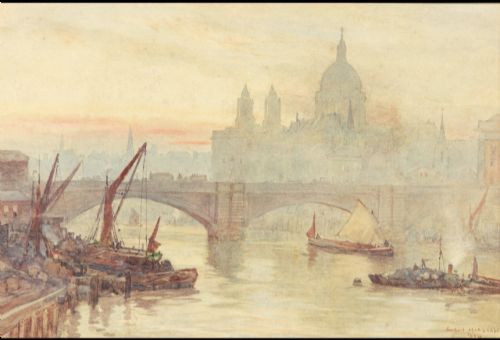
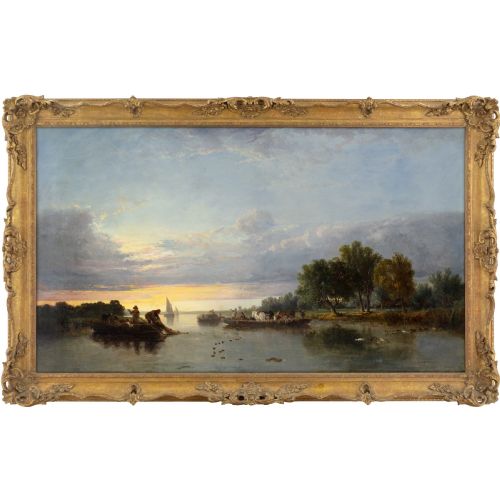
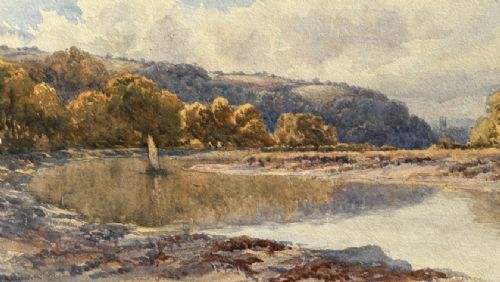
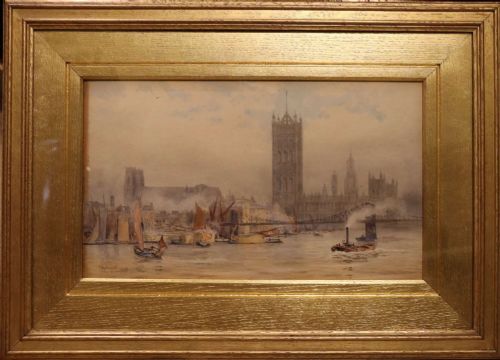
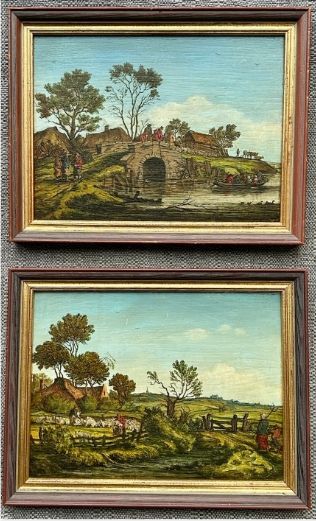
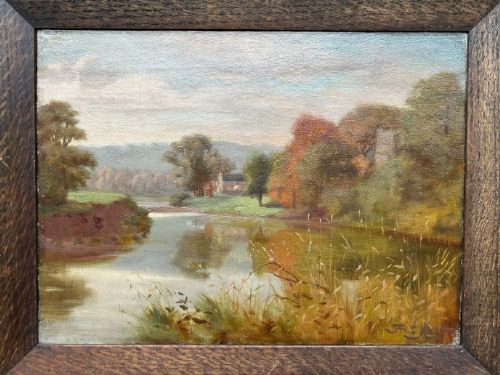
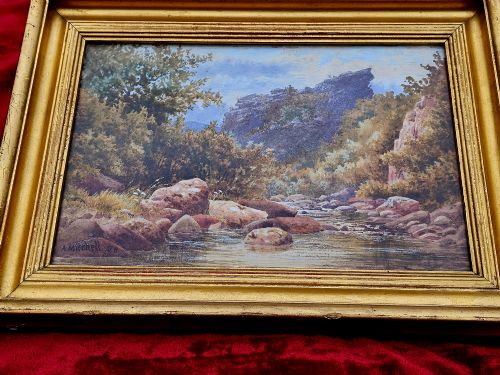
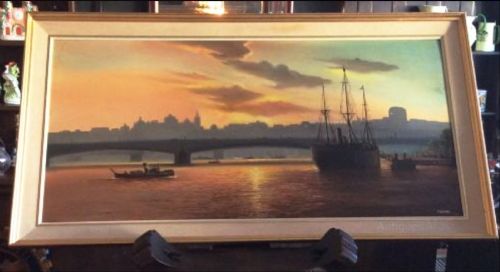
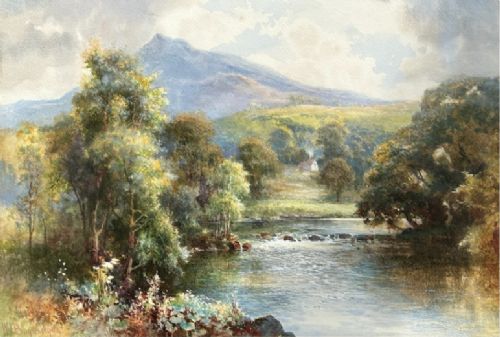
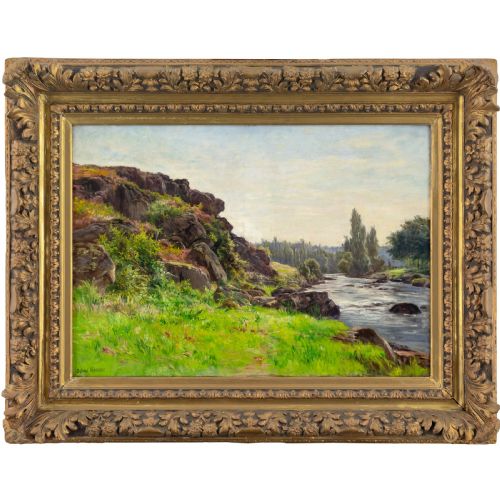
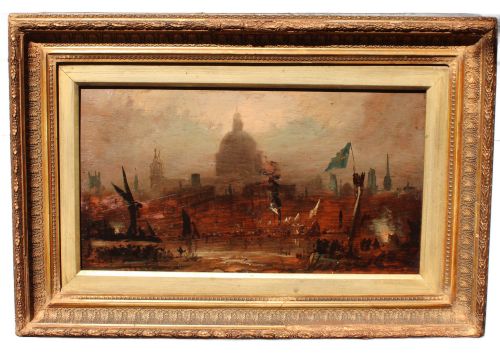
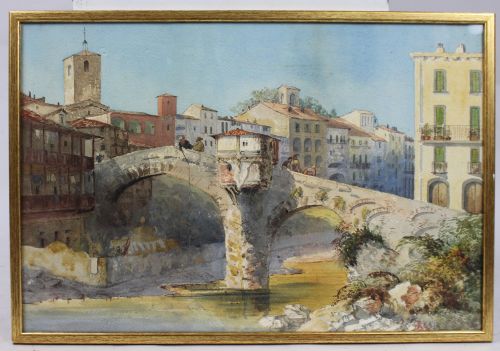
A framed river painting captures the historic topography of waterways, canals and rural banks through the eyes of past artists. When searching this phrase, buyers encounter works spanning the nineteenth and twentieth centuries, executed in both oil and watercolour.
The most common formats on this page include oils on canvas and delicate watercolours on paper, often housed in period wooden and gesso frames. Subjects range from local English scenes along the Thames to continental canalscapes and pastoral streams.
These artworks reflect various historical movements, including British and French Impressionism, Romanticism and the Barbizon School. Each piece documents a specific nineteenth or early twentieth-century landscape before industrial changes altered the waterways permanently.
Determinants of Quality
Quality in a framed river painting rests upon the artist's ability to render atmospheric depth and the natural movement of light across the water's surface. Masterful brushwork distinguishes works with lively texture and confident handling from formulaic or strictly decorative topographical records.
The integration between the artwork and its period frame also influences overall merit, as original gilt gesso mouldings enhance the visual coherence of nineteenth-century canvases. Furthermore, the precision of perspective and the harmonious balance of pastoral or urban elements elevate the standing of any landscape composition.
George Graham·Frederick Marriott·William Joseph Boyes·Gabriel Mathieu·Francis Moltino·Willem Bos·Henri Ottmann·George Oyston·TB Hardy·Sir Alfred East·Herbert Royle·Paul Desire Trouillebert·Florence Adelina Hess·T C Hofland·Henry H Parker·David Cox·Frederick Hines·William R Dommersen
The Framed River Painting Glossary
- Gesso
- A plaster-like material applied to wooden frames before gilding or painting to create a smooth, sculptural surface. It provides the base for intricate moulded ornamentation.
- Oil on Canvas
- Pigments bound in drying oils applied to a woven fabric support. This technique allows for rich colour blending and textured impasto effects.
- Watercolour
- Pigments suspended in a water-soluble binder, applied to paper to achieve translucent washes. It is frequently paired with pencil or charcoal underdrawing.
- Barbizon School
- A mid-nineteenth-century French art movement focused on tonal realism and direct observation of nature. Painters within this circle preferred moody, atmospheric landscapes.
- Impressionism
- An artistic style characterised by relatively small, thin yet visible brush strokes and an emphasis on accurate depiction of light. It emerged strongly in British and French painting during the later nineteenth century.
Framed River Painting: Frequently Asked Questions
How do I date a river painting?
Dating relies upon stylistic cues, costume details of figures near the banks, and the construction methods of the stretcher or wooden panel behind the canvas. Signature styles and dated inscriptions on the reverse also offer direct historical confirmation.
Framing styles provide further clues, as nineteenth-century gesso mouldings differ noticeably from twentieth-century profiles. Comparing the pigment type and canvas weave helps narrow the creation period further.
Where should I hang these paintings?
These works suit traditional living spaces, studies, or hallways where natural light can illuminate the brushwork without causing fading. Placing them away from direct heat sources protects both the canvas and the historical frame.
Pairing a watercolour behind glass with subdued ambient lighting preserves the delicate paper pigments over time. Oil paintings on canvas are more resilient but still benefit from stable indoor humidity levels.
Are these works original antiques?
The listings comprise original paintings and watercolours created during the nineteenth and early twentieth centuries, rather than modern reproductions. Each piece represents a unique hand-painted record of historical rivers and coastal ports.
Signatures, artist ciphers, and period framing authenticate the age of individual pieces. Archival records often link these works to specific academic painters or regional schools.
What is the difference between oil and watercolour?
Oil paintings utilise thick, opaque pigments on canvas or wood, offering textured brushwork and deep colour saturation. Watercolours employ translucent washes on paper, producing a luminous and immediate effect.
Oils are generally heavier and require robust wooden frames without glass protection. Watercolours are lighter and require archival mounting beneath glass to prevent environmental degradation.