
Framed River Landscape Artwork
Framed river landscape artwork brings natural watercourses and pastoral banks indoors, offering tranquil views captured across the nineteenth and early twentieth centuries.
Framed River Landscape Artwork
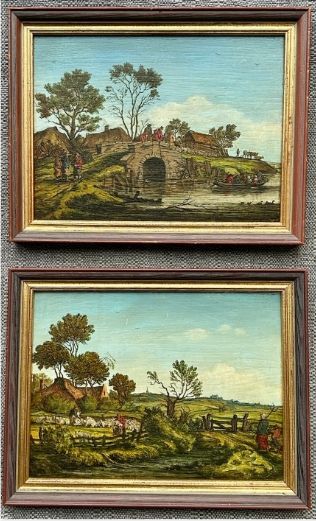
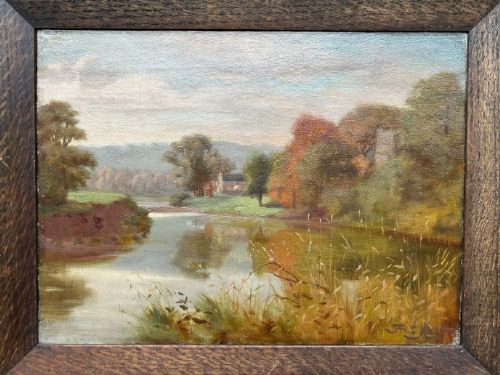
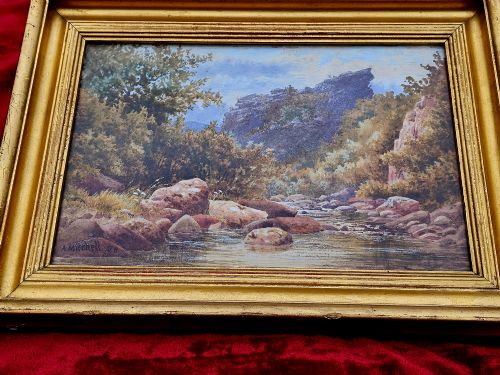
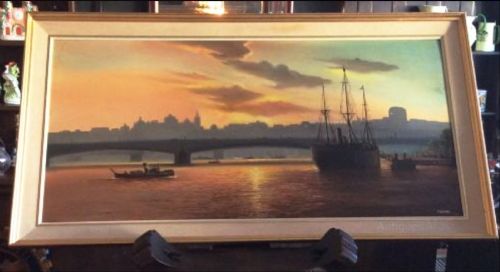
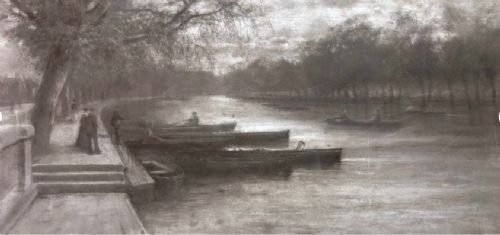
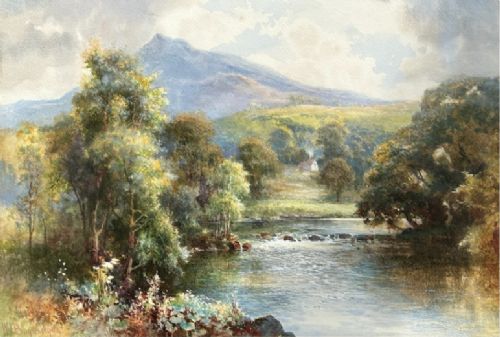
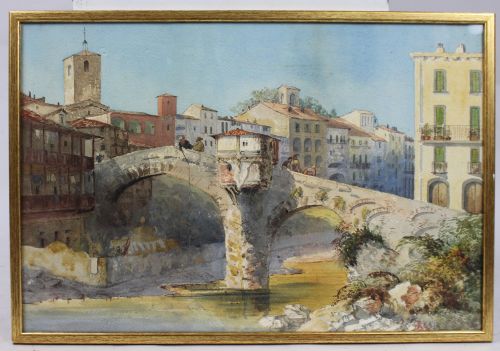
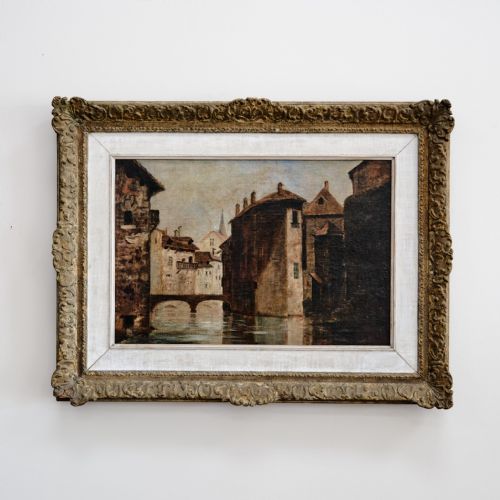
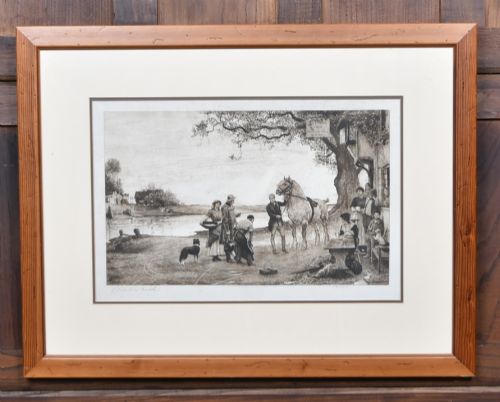
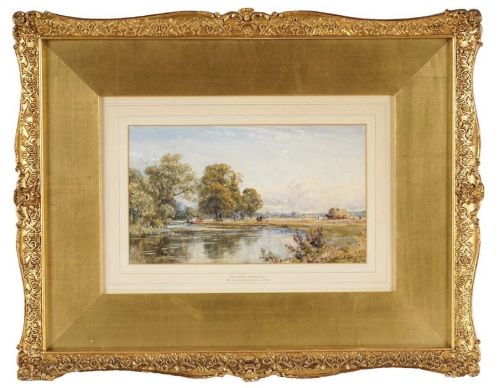
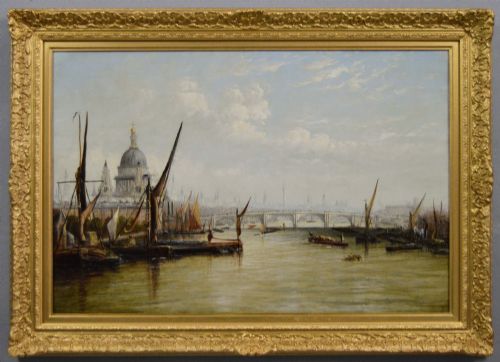
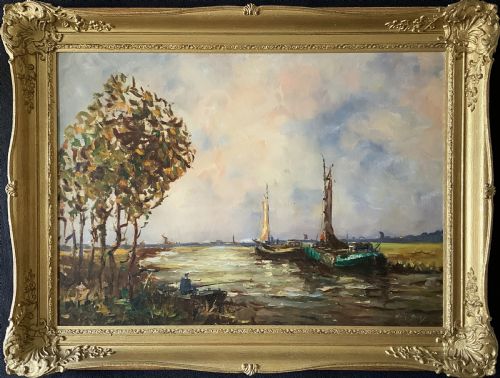
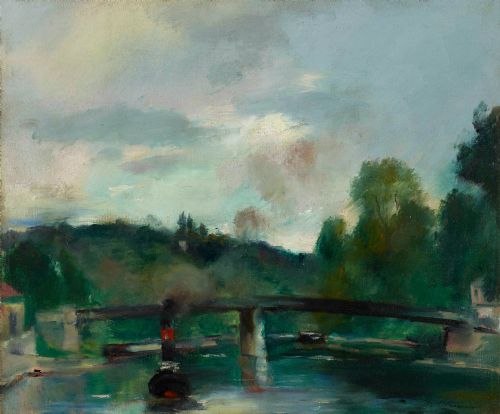
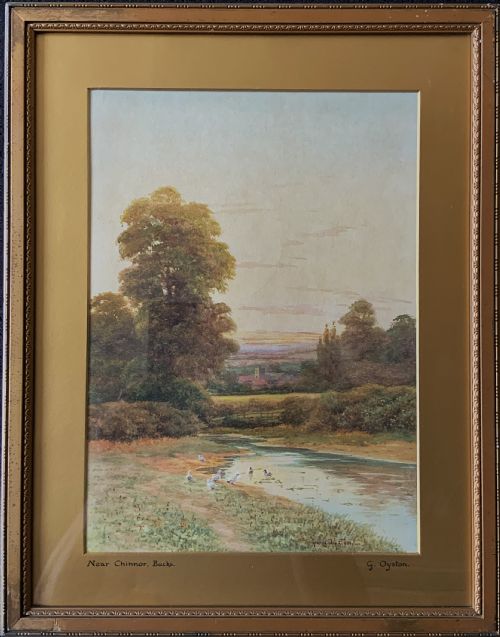
A framed river landscape artwork typically depicts natural waterways, bridges, and pastoral banks rendered in oils, watercolour, or charcoal. The pieces span nineteenth-century studies to early twentieth-century interpretations, featuring British, Dutch, and French scenes.
Most examples encountered here combine traditional oil on canvas or delicate watercolour on paper within period wood and gesso frames. These works range from expansive panoramic water-based vistas to intimate rural stream studies.
Materials and technique
Painters applied oil and watercolour pigments onto prepared canvas, wood panels, and paper supports, often building translucent washes or heavy impasto. These techniques created atmospheric depth, capturing shifting light upon water and surrounding foliage.
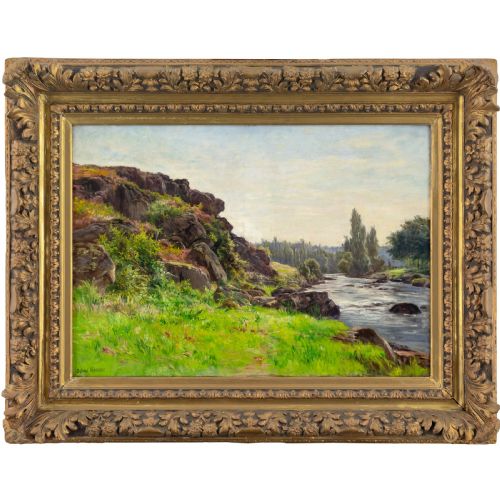
Moulded gesso and timber frames enclose the works, providing structural support while complementing the aesthetic of the period. The combination of traditional pigments and handcrafted framing secures the longevity of each composition.
Framed River Landscape Artwork Retail Price Guide 2026
Typical asking prices for framed river landscape artwork among the pieces listed under this phrase on Sellingantiques today, from the lower quarter to the upper quarter. They describe what is for sale here now, not the wider market.
Listings feature nineteenth and early twentieth-century works executed in oil, watercolour, and charcoal on canvas, wood, and paper.
Evaluating quality
Quality rests upon the artist's handling of light, perspective, and atmospheric movement across the water's surface. Superior works demonstrate confident brushwork and precise tonal balance, whereas simpler pieces rely on formulaic compositions.
The integrity and originality of the surrounding wood and gesso frame influence the overall standard. Retaining period materials without excessive restoration marks the distinction between fine examples and routine decorative items.
W Klombeck·Frederick Marriott·William Joseph Boyes·Gabriel Mathieu·Robert W Macbeth·Francis Moltino·Willem Bos·Henri Ottmann·George Oyston·Alfred East·Albert Rieger·Herbert Royle·Florence Adelina Hess·Henry H Parker·John Ferneley Senior
The Framed River Landscape Artwork Glossary
- Gesso
- A plaster-like mixture applied to wood frames before gilding or painting. It provides a smooth surface for ornamental moulding.
- Impasto
- Paint laid thickly on a surface so that it stands out from it. This technique adds tactile dimension to water highlights and foliage.
- Watercolour
- Artists' paint made with water-soluble binders and transparent pigments. It creates luminous washes frequently utilised for river skies.
- Panel
- A flat piece of wood used as a rigid support for oil painting. Panels were standard before canvas became widespread.
Framed River Landscape Artwork: Frequently Asked Questions
How do I hang a heavy framed oil painting safely?
Secure the frame using appropriate wall anchors and picture wire rated for the weight of the wood and canvas.
Position the artwork at eye level away from direct sunlight and fluctuating heat sources to protect the pigments.
What periods do these river artworks represent?
The collection spans the eighteenth, nineteenth, and early twentieth centuries, reflecting changing landscape painting conventions.
Victorian and Edwardian eras dominate the selection alongside French and Dutch regional schools.
Are these watercolours framed behind glass?
Works on paper and watercolour paintings require glass protection to shield fragile pigments from atmospheric moisture and dust.
Oils on canvas or wood panels typically remain unglazed to let the textured paint surface breathe.
How do I clean an antique gilded frame?
Dust the gesso surface gently with a soft dry brush to remove accumulated particles without damaging the finish.
Avoid liquid cleaners and damp cloths, which can dissolve delicate historic water-gilding layers.