


Framed Profile Painting
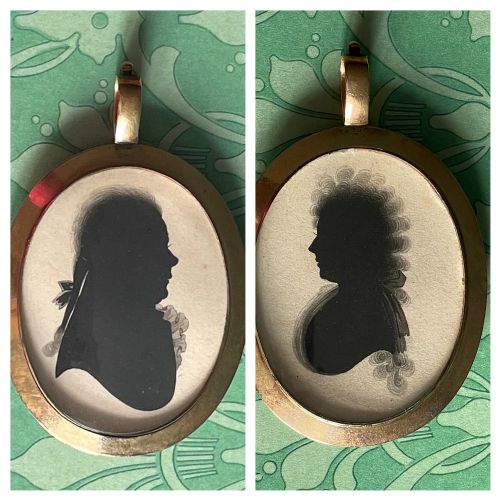
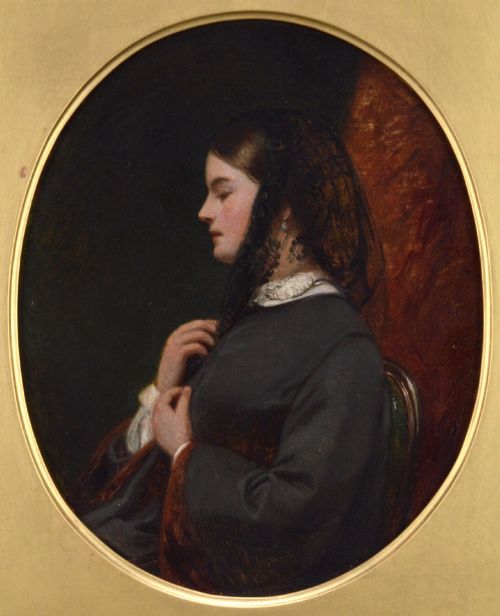
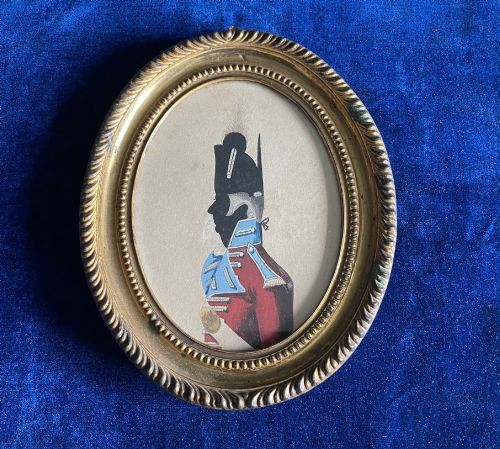
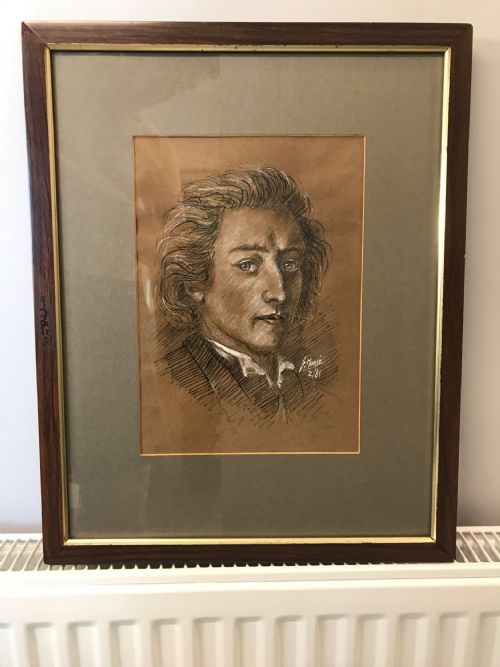
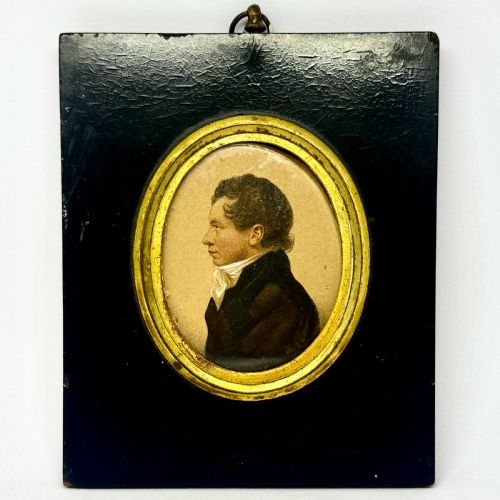
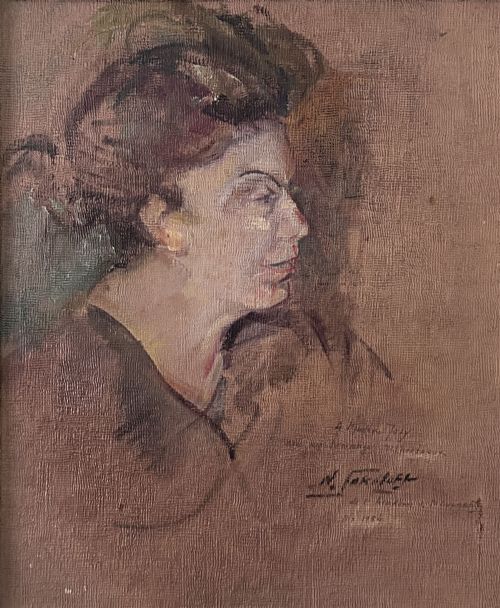
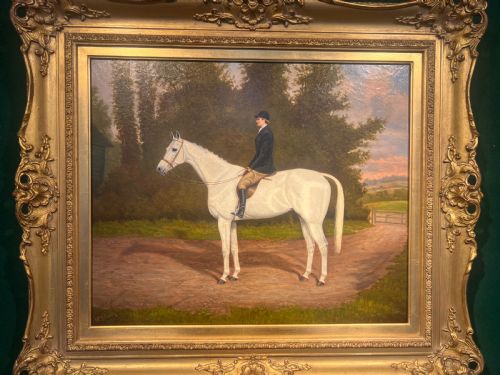
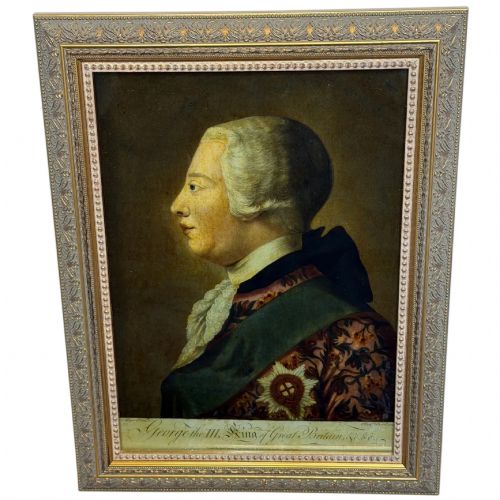
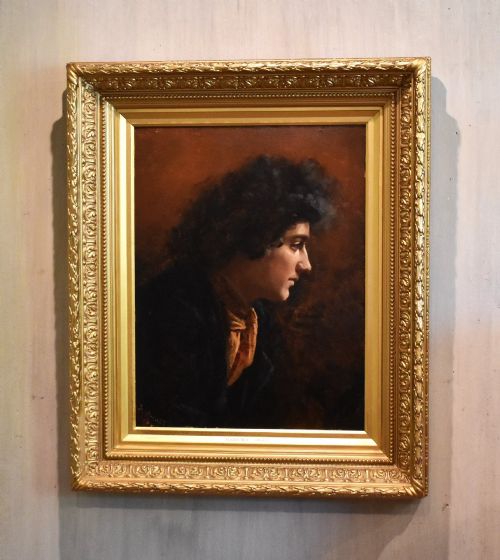
A framed profile painting captures the exact likeness of a sitter in silhouette or strict side view, housed in wood, glass, and gilt.
Framed Profile Painting
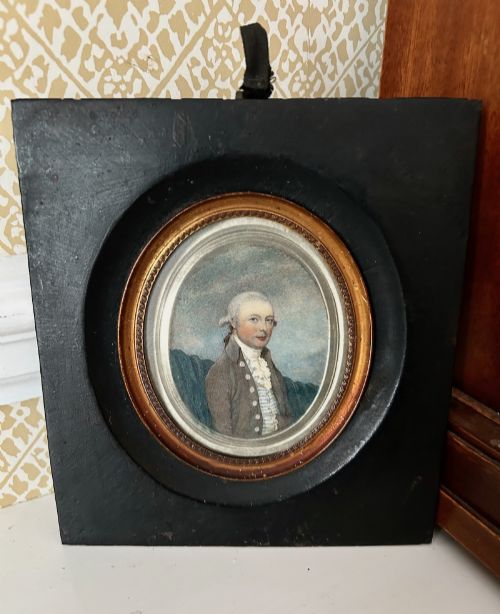
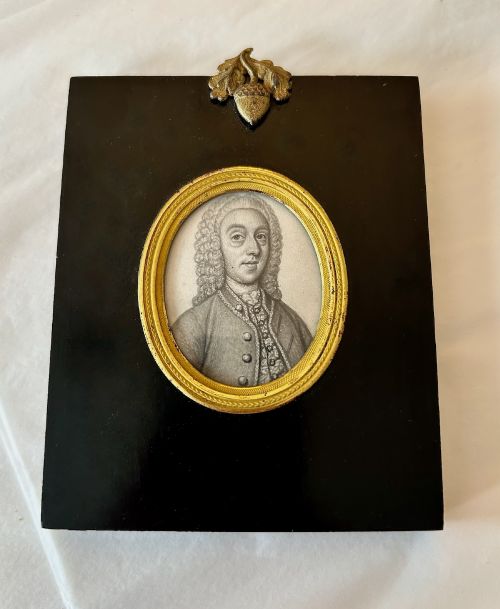
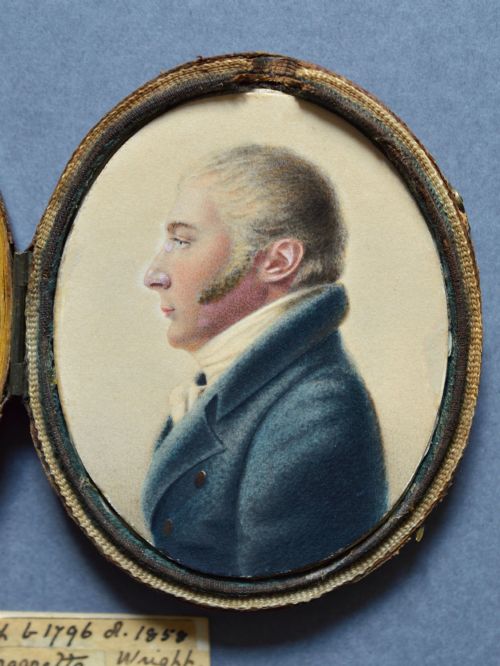
The format embraces several distinct traditions, ranging from crisp cut paper silhouettes to delicate miniatures painted directly on glass or ivory. Regency and Georgian examples dominate the selection, often preserved in deep wooden or gilded surrounds.
How They Were Made
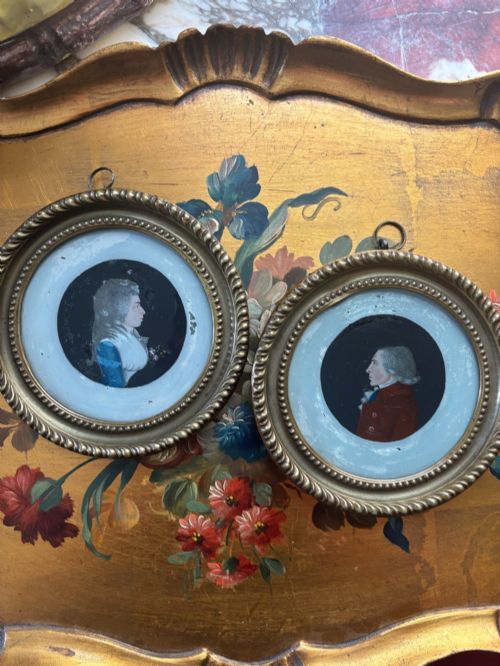
Makers applied ink, watercolour, or oil onto paper, card, plaster, glass, and canvas, frequently housing the finished work behind protective glass. Reverse painting on glass required precise brushwork executed backwards so the final image appeared correctly through the front.
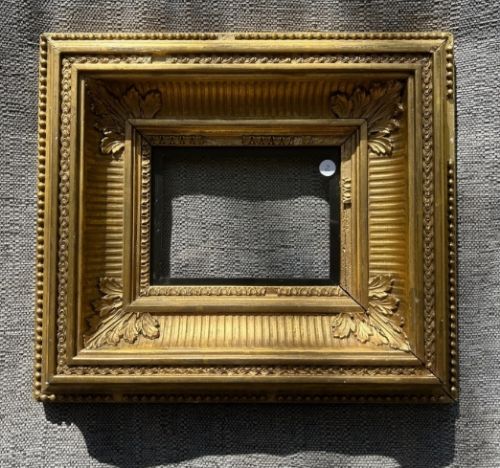
Frames play an integral structural role, utilising turned rosewood, maple, or deep giltwood and gesso moulded into hollow or fluted profiles. Many silhouettes combine hand-cut paper with subtle gold leaf highlights added to collars and headdress.
Framed Profile Painting Retail Price Guide 2026
Typical asking prices for framed profile painting among the pieces listed under this phrase on Sellingantiques today, from the lower quarter to the upper quarter. They describe what is for sale here now, not the wider market.
Listings feature works spanning the eighteenth century through to the mid-twentieth century, utilising glass, paper, wood, brass, watercolour, and oil paint.
What Varies in Quality
Original mounting and framing preserve value, particularly when convex glass and period papier-mâché or rosewood surrounds remain intact. Signed works or those bearing contemporary identification on the reverse demonstrate superior provenance.
James Sharples·Thomas John Horsley·Florence Small·Richard Purcell·Bertram Priestman·Alfred Darbyshire·George Atkinson·Archibald Skirving·John Miers
The Framed Profile Painting Glossary
- Silhouette
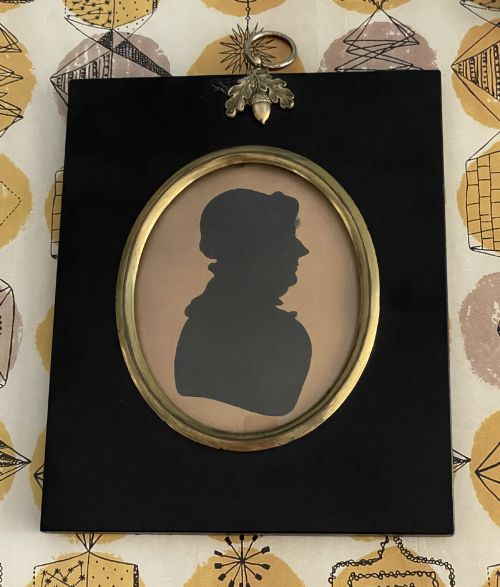
- A portrait represented as a solid shape of a single colour, usually black, showing a profile view. The technique relies entirely on outline and contour rather than internal shading.
- Reverse painting on glass
- An image applied to the rear surface of a glass pane and viewed from the front. This method protects the pigment from dust and fading.
- Giltwood
- Wood carved and coated with gold leaf or a gold-coloured finish. It provides a bright, reflective border popular in nineteenth-century framing.
- Miniature portrait
- A small-scale painting executed with fine detail, often on ivory, vellum, or card. These portable likenesses were designed to be held or hung closely.
- Plaster
- A solid backing material used in profile portraits to provide a smooth, flat surface for ink or paint. John Miers famously utilised plaster for his finished profiles.
Framed Profile Painting: Frequently Asked Questions
How do I hang a framed profile painting?
These compact works suit small wall spaces, narrow alcoves, or gallery arrangements where multiple pieces cluster together.
Keep them away from direct sunlight to protect delicate watercolours, paper, and pigments from fading over time.
Were silhouettes always painted?
Makers produced profiles through various methods, including freehand ink drawing, watercolour washes, and cutting paper with scissors.
Some artists combined cut paper with subtle pencilling or added gold leaf highlights to enhance clothing details.
Why are so many profiles shown in profile?
The strict side view emphasised the distinctive contours of the human face, making identification immediate and recognizable.
Before the invention of photography, this format offered an accessible and accurate method of recording personal likeness.
How can I date an antique frame?
Georgian and Regency examples often feature narrow turned rosewood or maple frames, sometimes paired with convex glass.
Victorian pieces frequently utilise deeper, heavier giltwood and gesso mouldings with ornate fluted hollows.