


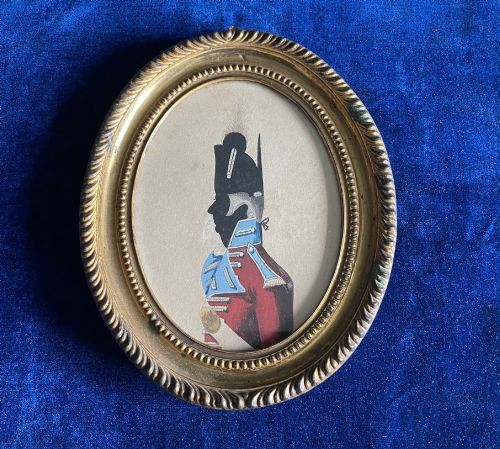


Framed Profile Miniature
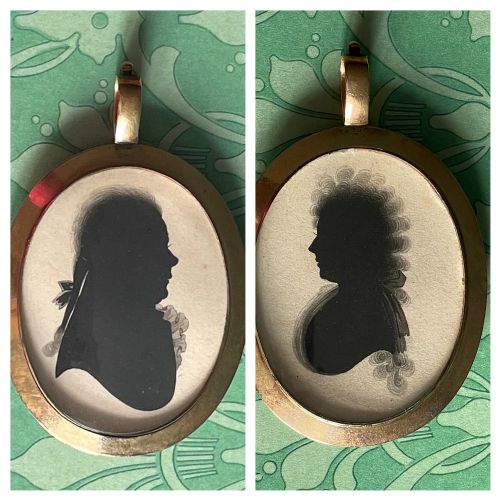
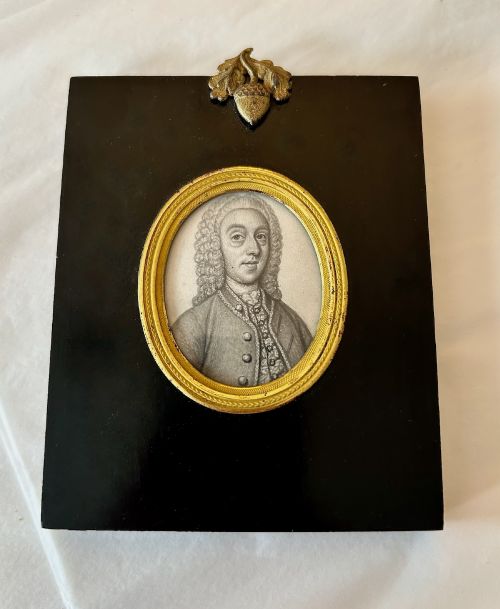
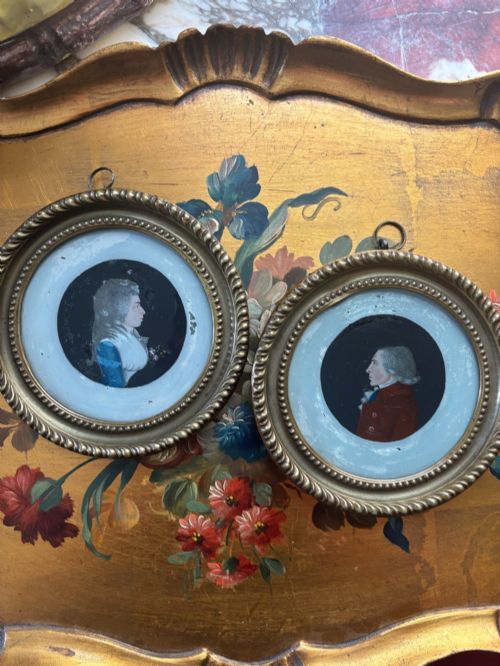
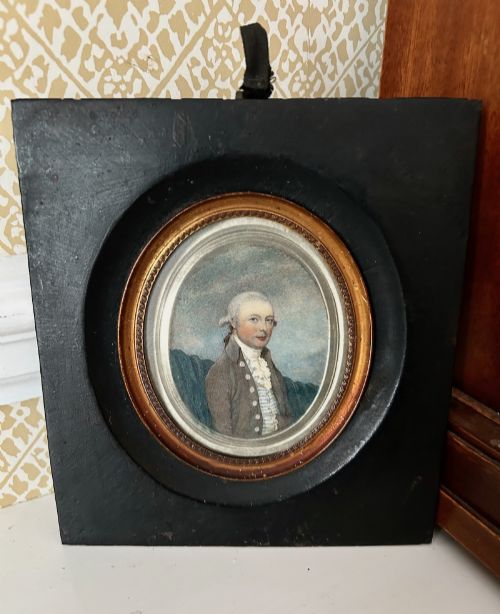
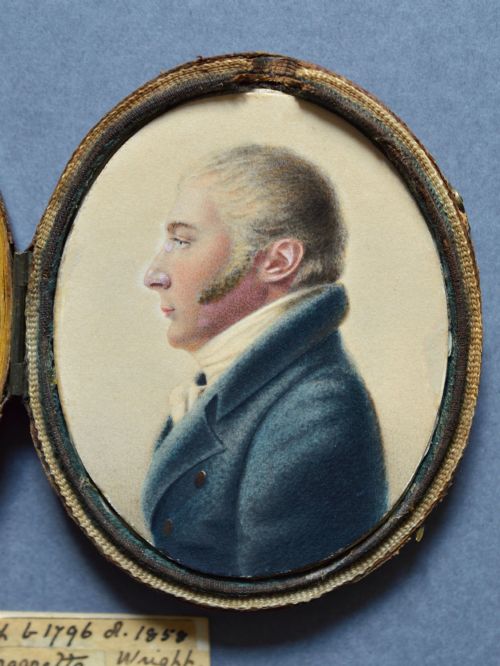
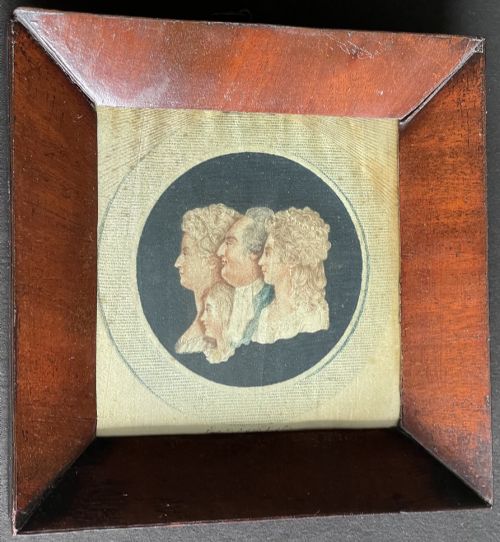
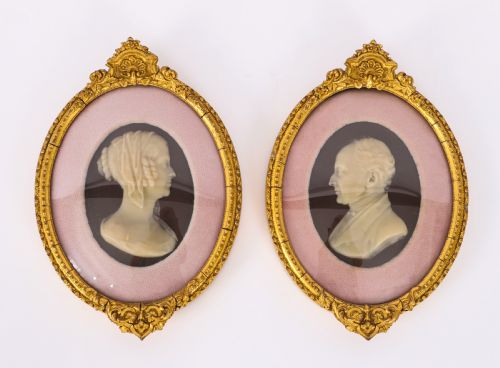
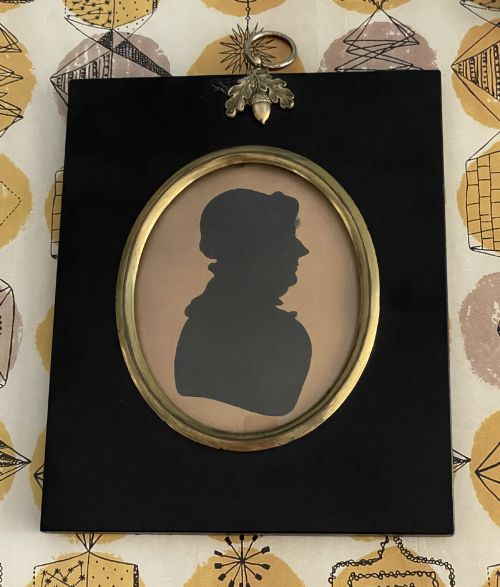
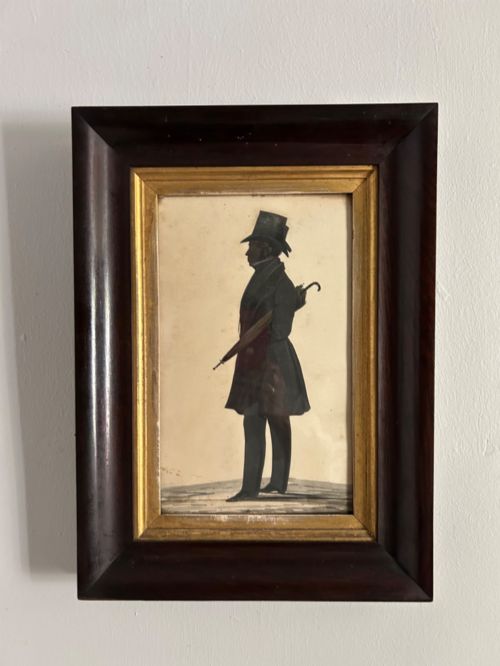
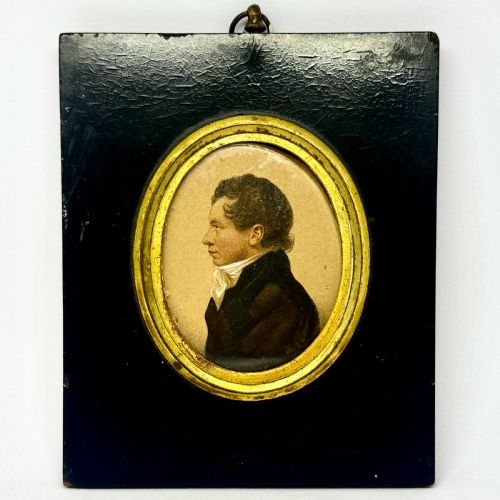
These framed profile miniature works capture likenesses in paint, paper, wax and glass from the eighteenth and nineteenth centuries.
Framed Profile Miniature
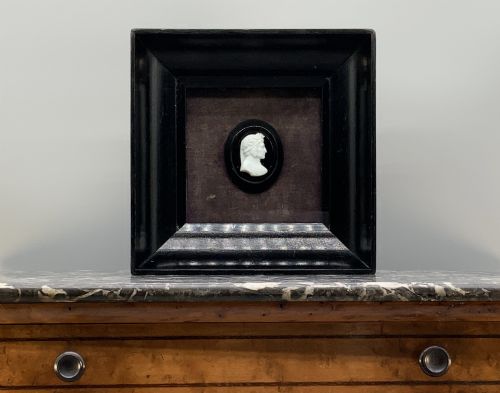
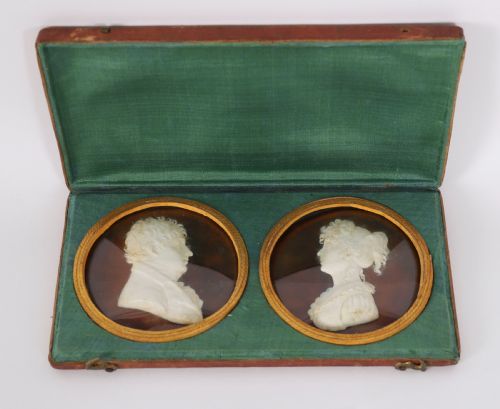
The assortment on this page predominantly includes silhouette portraits, painted miniatures and relief carvings housed within timber or brass surrounds. Such items functioned as personal tokens of affection or remembrance before the widespread adoption of photography.
Materials and methods
Makers utilised specific supports including paper, plaster, ivory and glass, applying black ink, plumbago or watercolour to delineate the profile. Reverse painting on glass required precision, as the artist applied pigment directly to the rear of the pane to create a luminous finish when viewed from the front.
Enclosures typically consist of ebonised wood, rosewood or gilt metal frames, frequently fitted with convex glass and brass hangers. Relief examples involve moulded wax or carved ivory mounted against dark backgrounds to heighten the contrast of the profile.
Framed Profile Miniature Retail Price Guide 2026
Typical asking prices for framed profile miniature among the pieces listed under this phrase on Sellingantiques today, from the lower quarter to the upper quarter. They describe what is for sale here now, not the wider market.
Listings feature works from the 18th century, Regency period and Victorian era executed in watercolour, glass, ivory and wax.
Distinguishing quality
The refinement of the silhouette line or the precision of the brushwork dictates the standing of the piece. Skilful hands captured specific physiognomy, attire and hair styling with economy, whereas lesser examples rely on generic outlines lacking individual character.
Original framing contributes substantially to the integrity of the object. Period mountings using ebonised timber or brass bezels that remain unaltered enhance the authenticity and visual impact of the miniature.
James Ferguson·JAMES SHARPLES·James Gillespie·Augustin Edouart·John Miers
The Framed Profile Miniature Glossary
- Silhouette
- A portrait represented as a solid shape of a single colour, usually black, showing the profile of the subject. This form gained immense popularity in the eighteenth and nineteenth centuries.
- Plumbago
- A drawing executed in black lead or graphite, frequently employed for detailed miniature portraits before the broader use of watercolour.
- Reverse painting on glass
- A technique where the artist paints the image on the back of a glass sheet, viewing the finished work through the front.
- Ebonised wood
- Timber treated to resemble ebony, commonly used for the dark, polished frames surrounding profile portraits.
- Gilt metal
- Base metal treated with a thin layer of gold or gold-coloured wash, frequently applied to frames and hanging loops.
Framed Profile Miniature: Frequently Asked Questions
What are framed profile miniatures?
These works are small historical portraits depicting individuals in profile, created using media such as cut paper, silhouette ink work, watercolour or wax relief.
Encased in protective frames, they served as intimate personal keepsakes during the Georgian and Victorian eras.
How were these portraits used historically?
Owners kept these intimate likenesses on domestic walls, desk stands or inside pocket cases to remember family members, close friends or public figures.
They functioned as portable memorials and affectionate tokens before photographic portraits became widely available.
How should I display them at home?
Hang these profile works away from direct sunlight to protect delicate watercolours, paper silhouettes and coloured pigments from fading over time.
Grouping several small framed pieces together on a wall creates a striking display reminiscent of historic portrait galleries.
How can I tell the period of a piece?
Examine the framing materials, backing papers and the sitter's costume, noting details such as Georgian wigs, Regency cravats or Victorian bonnets.
Signatures, artist labels on the reverse and early handwritten inscriptions also help establish an accurate date of origin.