


Framed Portrait Wall Decor
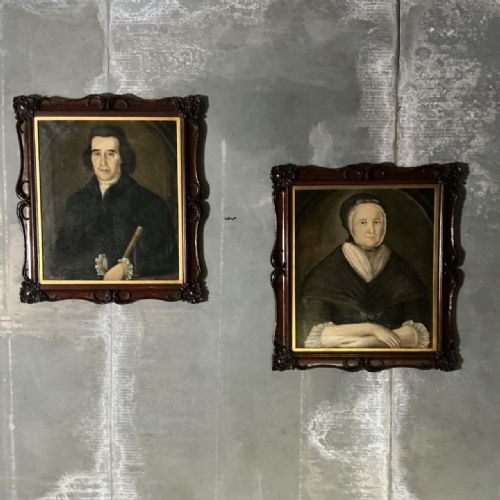
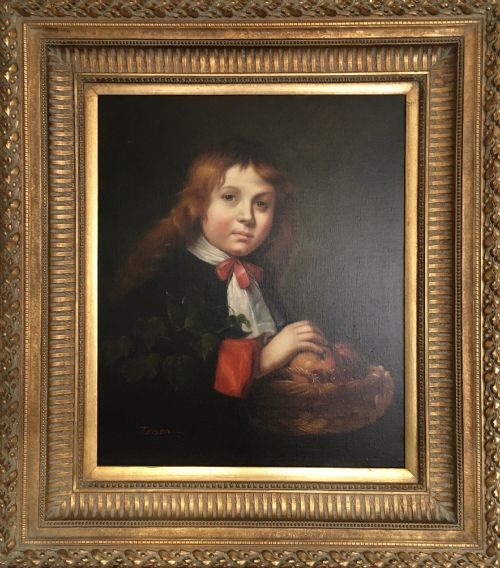
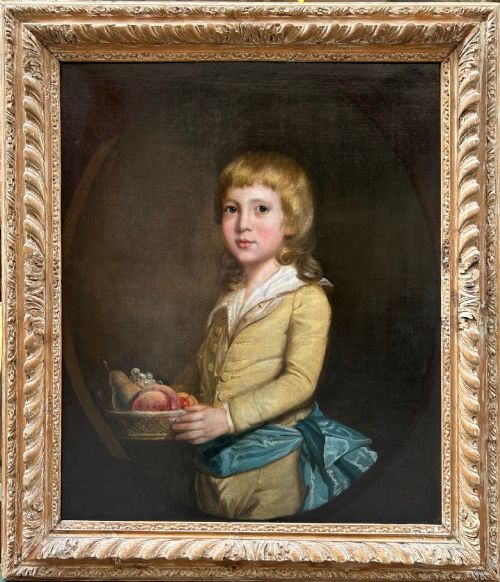
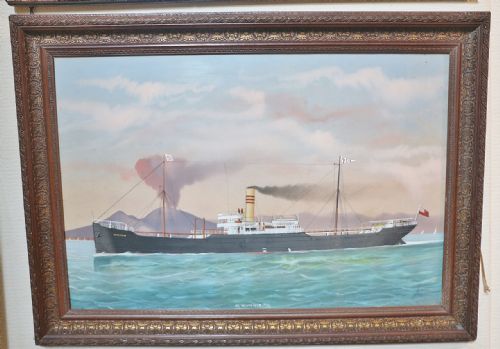
Framed portrait wall decor brings character to a room through centuries of painted faces, sporting animals and historic vessels.
Framed Portrait Wall Decor
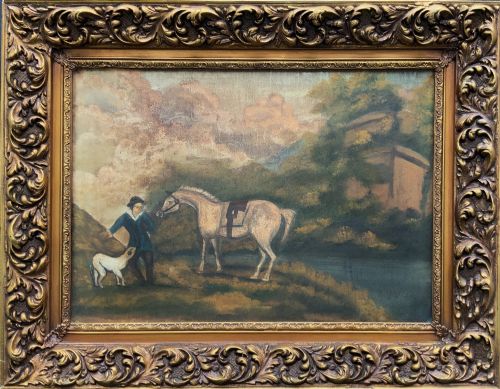
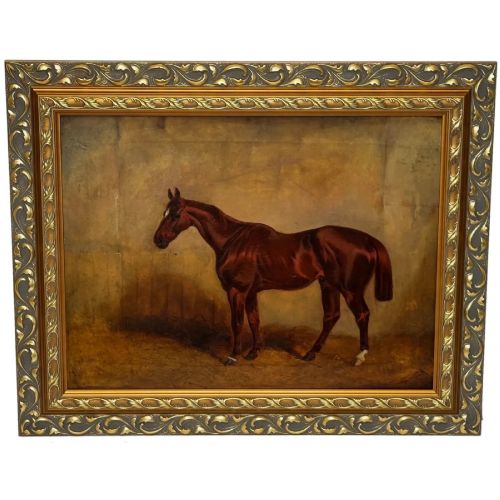
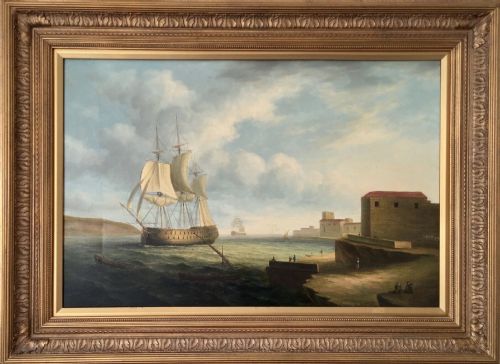
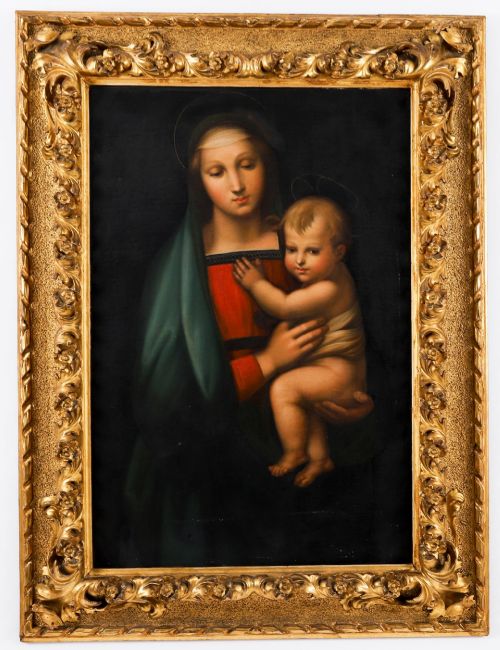
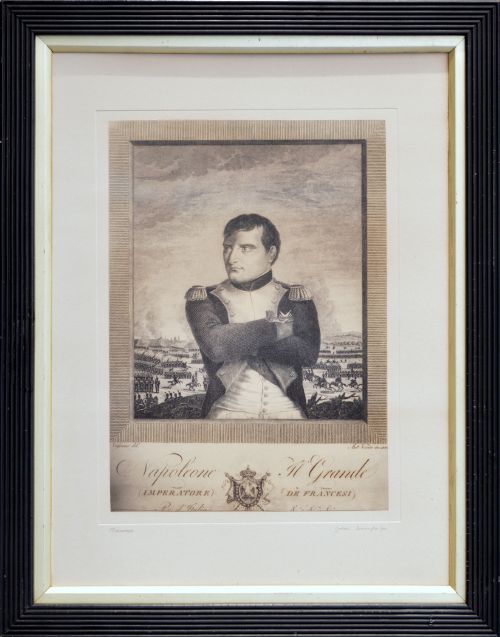
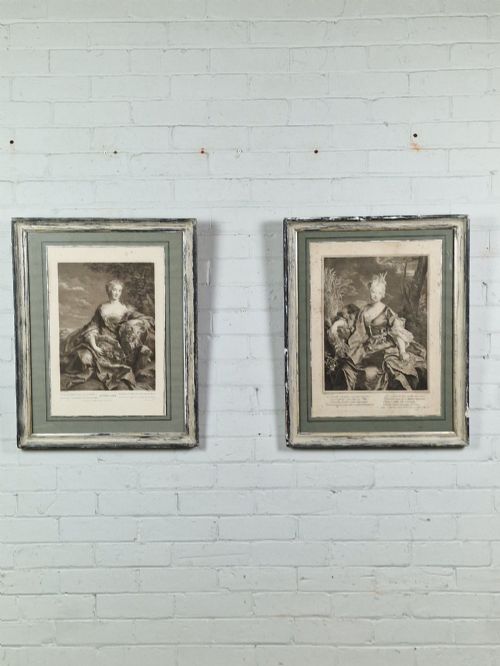
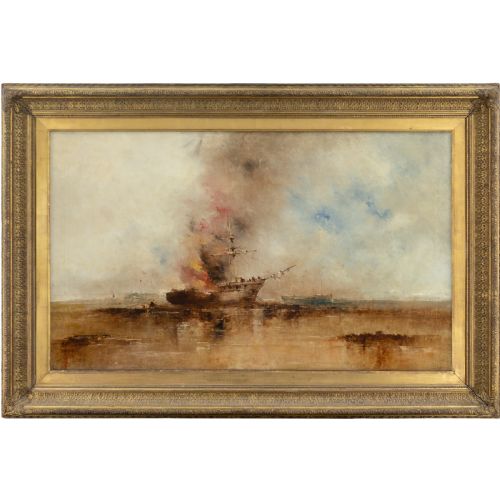
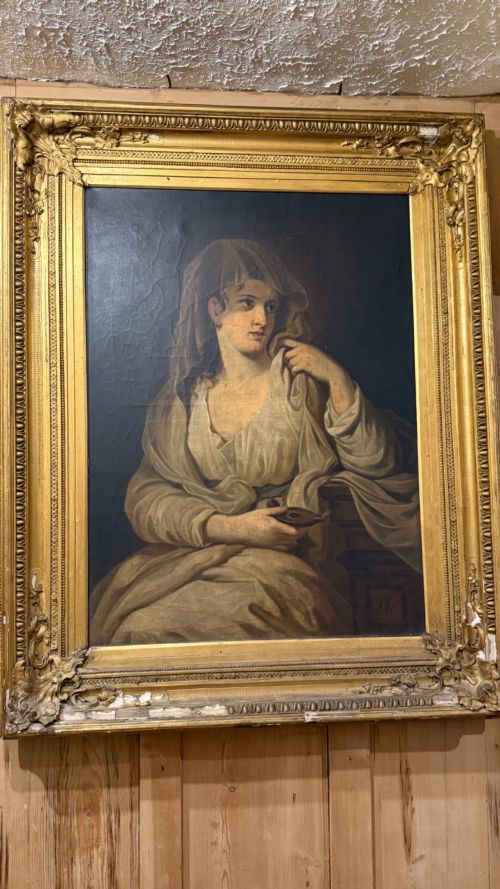
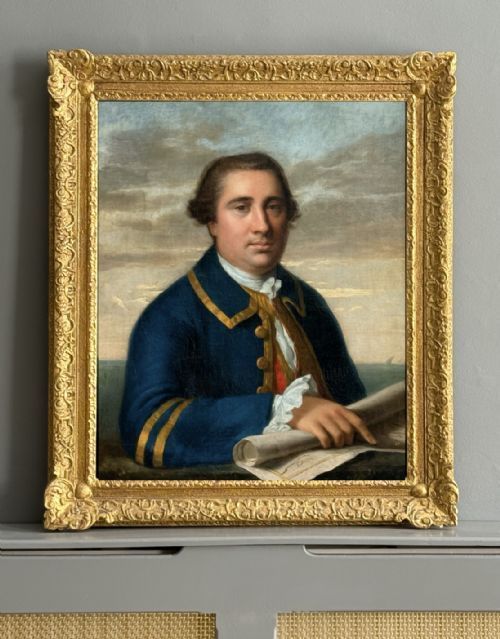
Framed portrait wall decor spans oil on canvas, paper works, and panels from the eighteenth, nineteenth and twentieth centuries. Buyers encounter oil paintings, watercolours, pastels and engravings depicting human subjects, animals and maritime scenes.
The selection ranges from Georgian gentlemen and Victorian narrative subjects to mid-century realisms and equestrian studies. Pieces arrive in period frames, often utilising wood, glass and gilt finishes to complement the artwork.
Most items reflect specific historical schools or portrait traditions, offering a tangible connection to past artistic output. The variety covers everything from intimate character sketches to large formal oils.
Materials and Technique
Makers utilised oil paint on canvas, panel or board, alongside pastel, watercolour and ink on paper. Canvases are stretched over wooden frames, while panels employ pine or other sturdy timbers to support the pigment.
Many works incorporate glass for protection, particularly with pastels, watercolours and reverse glass prints. Frames are fashioned from wood, frequently featuring gilt or giltwood ornamentation that defines the perimeter of the piece.
Framed Portrait Wall Decor Retail Price Guide 2026
Typical asking prices for framed portrait wall decor among the pieces listed under this phrase on Sellingantiques today, from the lower quarter to the upper quarter. They describe what is for sale here now, not the wider market.
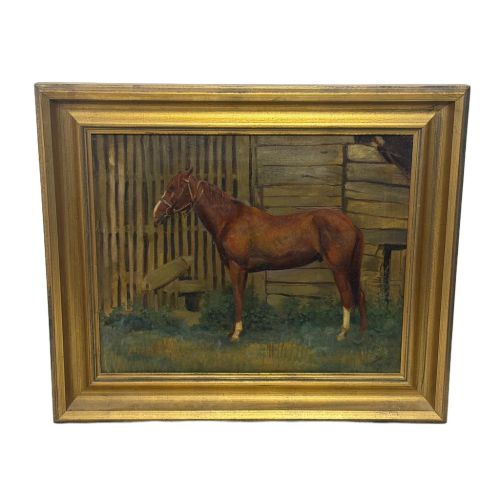
Several horses gaze out from these walls, proving that equine subjects commanded just as much artistic vanity as any human captain.
Judging Quality
The skill of the brushwork and the precision of the draughtsmanship dictate the standing of a piece. Confident handling of light, shadow and anatomy separates superior portraits from simpler decorative works.
The harmony between the artwork and its frame influences overall excellence. Original or period-appropriate framing enhances the integrity of the piece far more than mismatched modern surrounds.
Lemuel Francis Abbott·Thomas Beach·Albert Clark·Basil Nightingale·William Williams
The Framed Portrait Wall Decor Glossary
- Giltwood
- Wood carved and coated with gold leaf or gold paint. This finish appears frequently on traditional picture frames.
- Oleograph
- A mechanical colour lithograph textured to imitate an oil painting. These pieces reproduce well-known works on canvas or paper.
- Eglomise
- The technique of applying gold or metal leaf to the rear face of glass. It produces a reflective, mirror-like border often seen on historic prints.
- Panel
- A flat piece of wood used as a rigid support for painting instead of stretched canvas. Artists favoured pine and other stable timbers for this purpose.
Framed Portrait Wall Decor: Frequently Asked Questions
How do I hang heavy framed art safely?
Heavy oil paintings require picture hooks rated for the specific weight and secured directly into wall studs or solid masonry. Wire or D-rings on the frame must be checked for stability before mounting.
Position the centre of the portrait at eye level to achieve the correct visual balance in the room.
Are eighteenth century portraits fragile?
Works from the eighteenth century utilise organic materials like paper, canvas and wood that react to environmental changes. Stable humidity and temperature protect the pigments and grounds from cracking.
Keep pieces away from direct sunlight and strong heat sources to preserve the colours.
What is a reverse glass print?
A reverse glass print applies an image directly to the back of a glass sheet so the viewer looks through the glass to see the picture. This technique creates a distinct glossy finish popular in the Georgian period.
Cleaning requires gentle dusting without liquid sprays that might seep behind the glass.
How do I identify a Victorian oil painting?
Victorian oils often feature narrative subjects, rich dark varnishes and detailed realism within giltwood frames. Canvas stamps from nineteenth-century colourmen help confirm the period of the materials.
Subject matter often includes sporting scenes, biblical narratives or domestic animal portraits.