

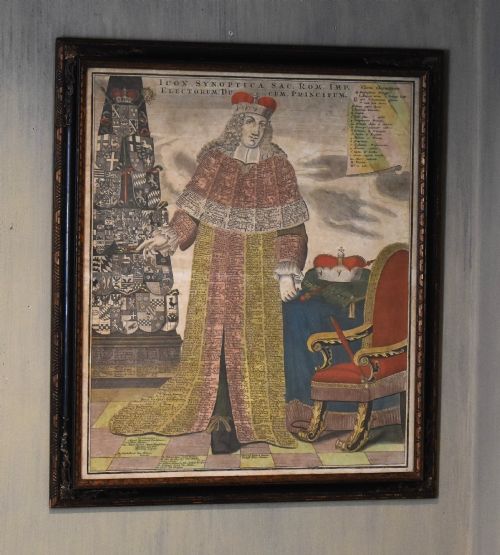


Framed Paper Wood Engraving
These framed paper wood engraving works gather centuries of cartography and portraiture into domestic spaces, offering collectors historic prints preserved behind glass.
Framed Paper Wood Engraving
A framed paper wood engraving search brings together framed prints, maps, and wall art spanning from the seventeenth century through the Victorian era.
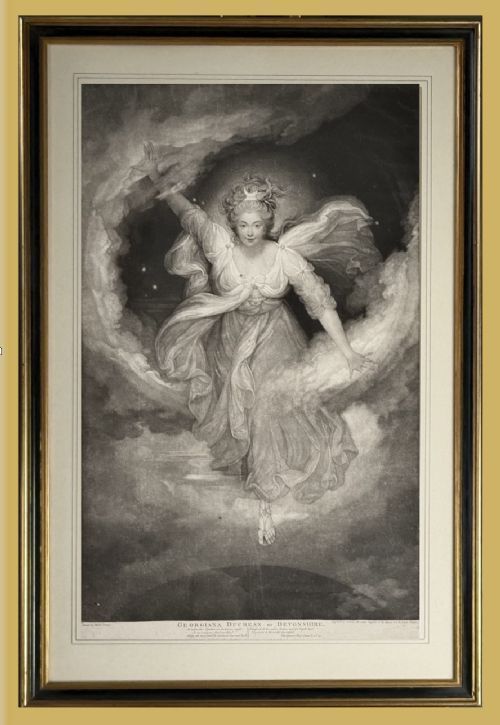
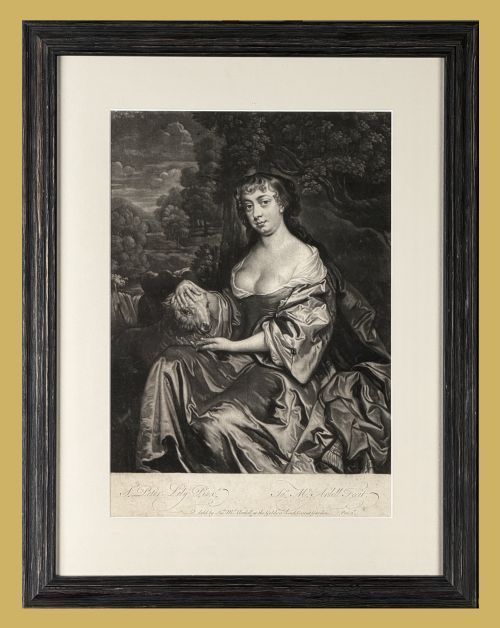
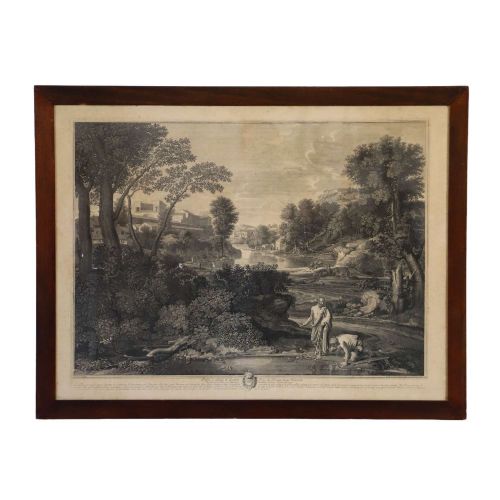
The selections on this page lean heavily toward Georgian and nineteenth-century cartography, architectural plates, botanical studies, and portrait mezzotints.
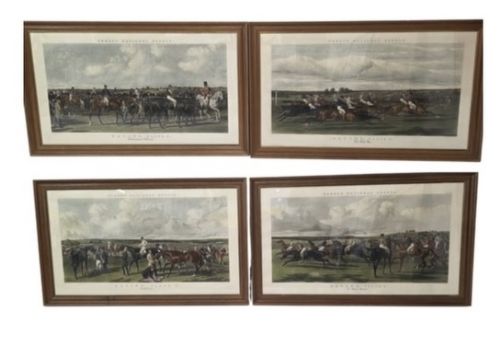
Buyers encounter everything from single county maps to large sets of horse racing prints and ornithological studies housed in their original or period frames.
Materials and construction
Works rely on paper sheets printed with dark ink, occasionally finished with watercolour or hand tinting to add colour to maps and botanical studies.
Engravings and mezzotints are set within wooden frames, frequently enhanced with gilt or gold leaf detailing.
Protection is provided by glass panes fitted over the paper art and maps to shield the delicate surfaces from atmospheric moisture and dirt.
Several seventeenth-century map sheets still bear the faint creases from when they were folded directly into old travel atlases.
Quality differences
The impressiveness of a piece often rests on the clarity of the inked lines and the crispness left by the plate mark in the paper.
Survival of the original frame and the retention of early hand-applied hand colouring elevate certain examples above standard trimmed sheets.
Works produced by known cartographers or draughtsmen carry greater weight than unsigned topographical prints.
Valentine Green·James MacArdell·Étienne Baudet·Jonathan Couch·Antonio Capellan·John Curtis·Robert Morden·Joan Blaeu·John Speed
The Framed Paper Wood Engraving Glossary
- Mezzotint
- A printmaking process of the tonal method, allowing smooth gradations of light and shade rather than relying solely on line work.
- Cartography
- The study and practice of making maps, heavily represented here by seventeenth- and eighteenth-century county and regional map engravings.
- Gilt
- Covered thinly with gold leaf or gold paint, frequently seen on the wooden frames enclosing these historical prints.
- Stipple engraving
- A technique using dots of varying density to create tonal effects, often seen in eighteenth-century portraiture and genre scenes.
Framed Paper Wood Engraving: Frequently Asked Questions
How do I date an old map engraving?
Dating relies on internal cartographic evidence, such as town names, county boundaries, and the publisher's imprint etched into the margin of the paper.
Style of the cartouche and typography also help narrow the production window to a specific century or decade.
Are these frames original to the prints?
Some pieces retain their original period wooden frames, while others have been mounted in later frames suited to the era of the work.
Checking the backing boards and joinery helps determine if the frame has kept company with the print for centuries.
How should I hang these framed prints?
Keep them out of direct sunlight to prevent the ink and any hand-applied watercolour tints from fading over time.
Maintain stable room humidity to protect both the old paper and the wooden frames from warping or damp.
What is the difference between a map and a botanical print here?
Maps focus on geographical cartography, detailing counties, countries, and historical borders as recorded by early surveyors and mapmakers.
Botanical and ornithological prints concentrate on natural history subjects, often displaying plants, insects, and birds with scientific precision.