
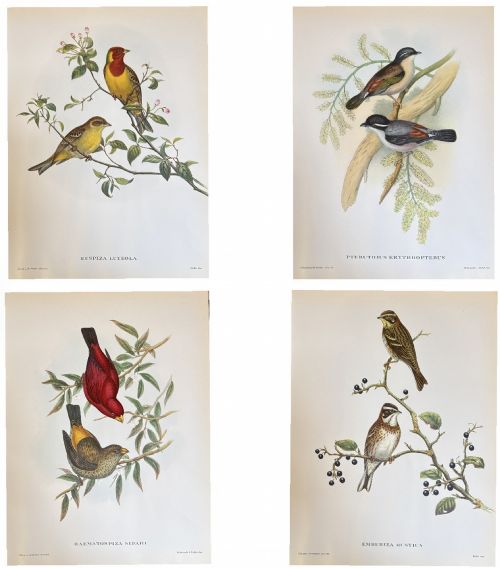
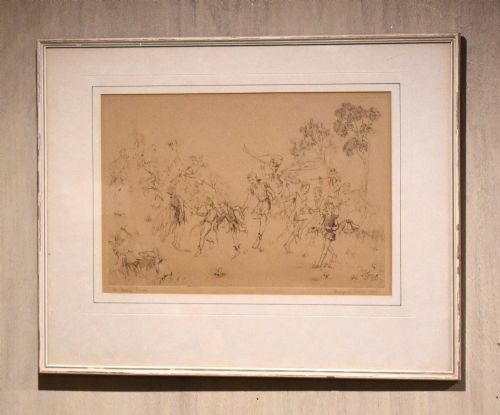
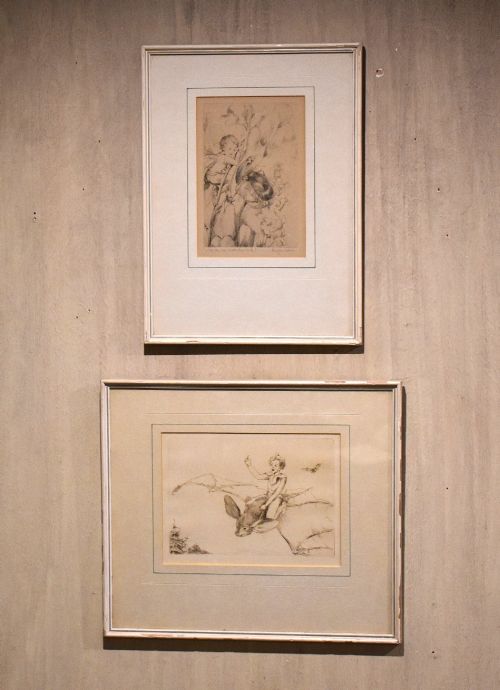
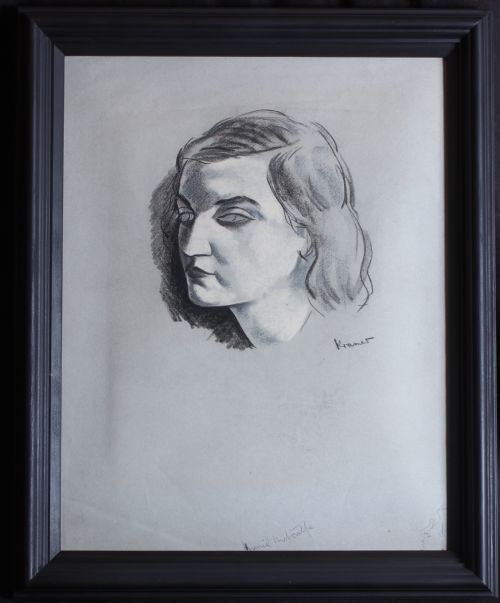
Framed Paper Illustration
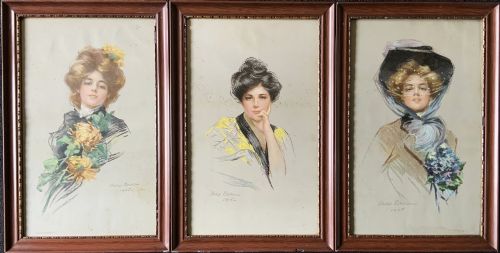
These framed paper illustration works bring together centuries of ink, wash, and print behind glass in timber moulding.
Framed Paper Illustration
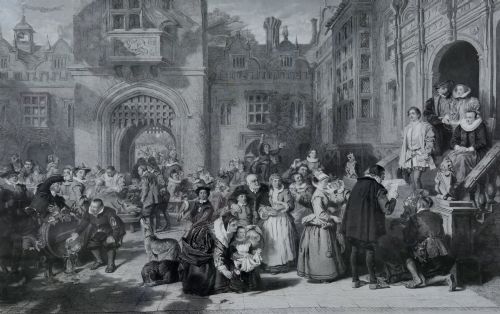
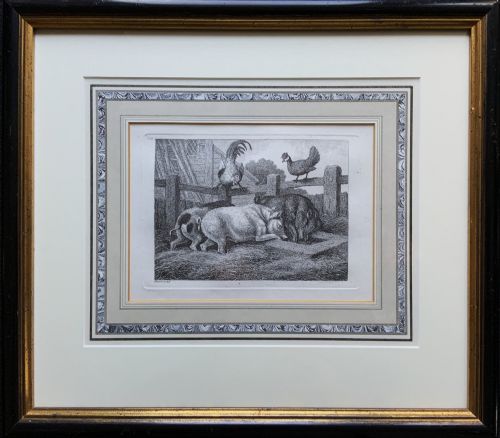
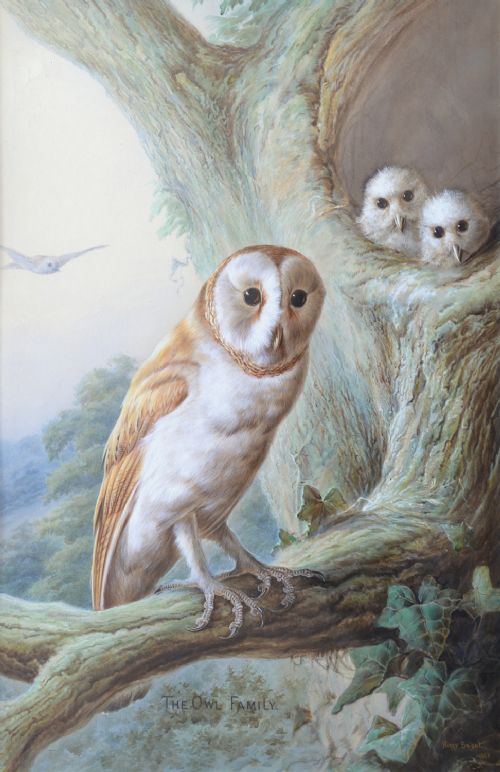
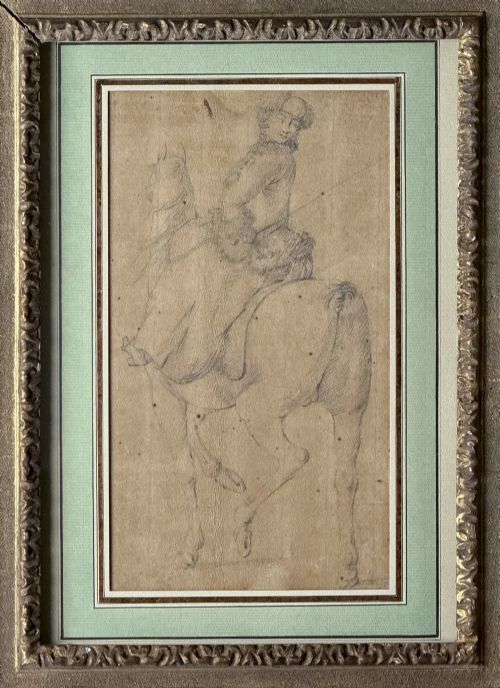
A framed paper illustration encompasses diverse works on paper spanning from the eighteenth century through the mid twentieth century. Buyers seeking this phrase encounter original drawings, watercolours, gouache paintings, lithographs, and engravings displayed within protective wooden frames.
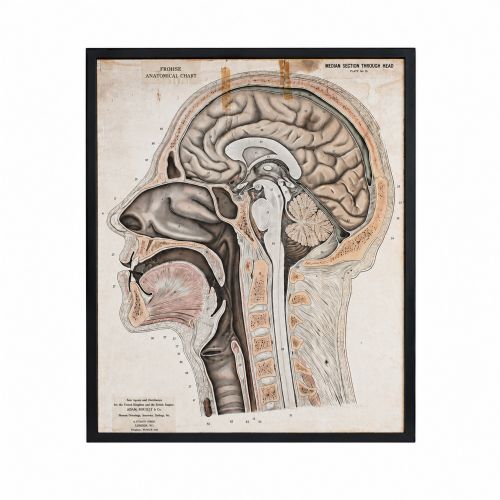
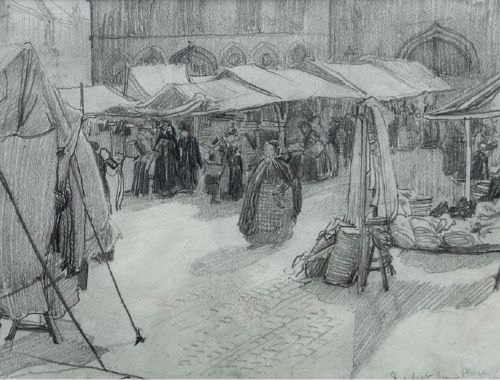
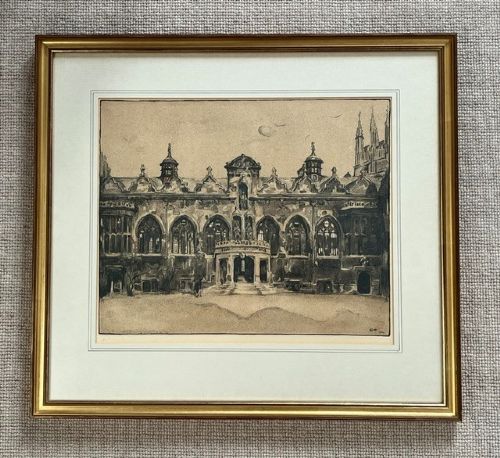
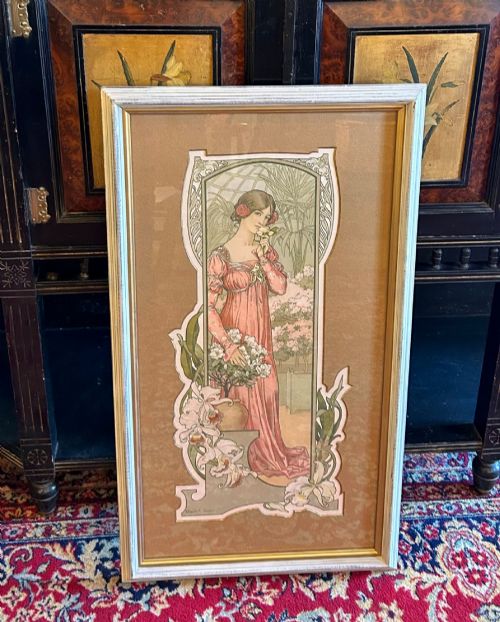
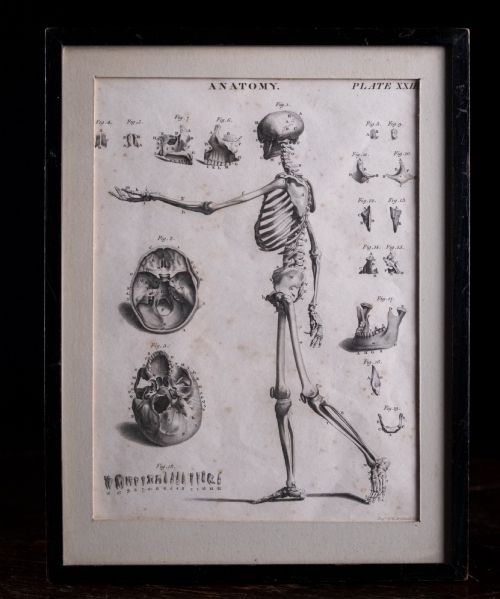
The selection ranges from early eighteenth century European school drawings and anatomical engravings to Edwardian prints, Art Deco gouache sketches, and wartime portraits. These pieces capture subjects as varied as botanical studies, architectural landmarks, military officers, and whimsical caricatures.
Works originate from various traditions, including Chinese export paintings on pith paper and Japanese fairy tale first edition prints. Most examples on this page date from the nineteenth and early twentieth centuries, reflecting changing aesthetic movements from realism to early modern illustration.
How They Were Made
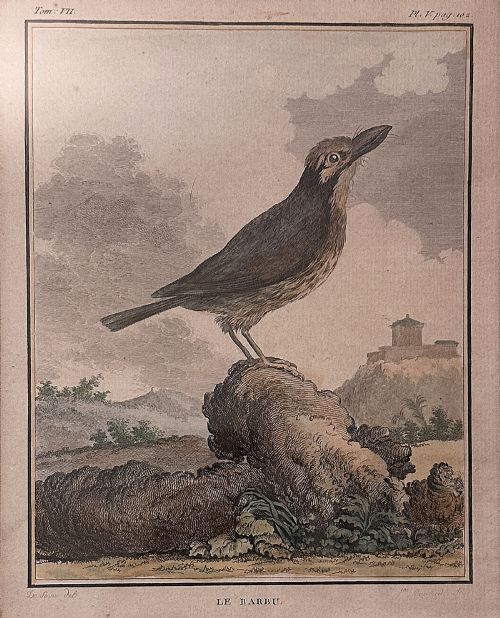
Makers utilised traditional mediums such as pen and ink, watercolour, gouache, pastel, and pencil applied directly to paper, card, or cardboard supports. Many printed works combine etching or lithography with hand colouring applied across the surface.
Surviving examples are protected behind glass and housed within wooden frames that secure the fragile paper substrates. The combination of pigment, ink, and paper requires stable environmental conditions to preserve the delicate media.
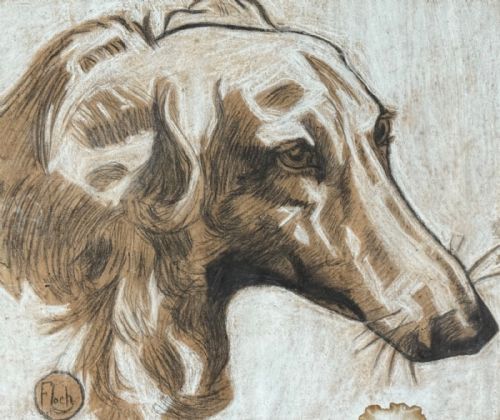
Watch for the melancholic gaze of a Borzoi dog rendered entirely in gouache on buff paper.
What Varies in Quality
The distinction between standard examples and superior works rests upon the crispness of the hand and the preservation of the original medium. Stronger pieces display confident brushwork, precise pencil lines, or sharp lithographic impressions without excessive fading.
Signatures by documented artists or known illustrators elevate the standing of a piece within the market. Furthermore, the originality of the composition and the integrity of the period frame contribute to the overall character of the work.
Henry Percy Huggill·Sir William Nicholson·Elisabeth Sonrel·Andrew Bell·Marcellin Auzolle·Fred Lawson·David Roberts·Frank Dobson·Frédéric Chopin·Ludwig van Beethoven·Snaffles·Louis Icart·Cecil Beaton·Ralston Gudgeon·Warwick Goble
The Framed Paper Illustration Glossary
- Gouache
- An opaque water-based paint that dries to a matte finish and provides solid blocks of colour on paper or card.
- Lithograph
- A print produced from a flat stone or metal plate treated to repel ink except where required for the image.
- Pith paper
- A delicate material formed from the spongy interior of plant stems, used notably for nineteenth century Chinese export paintings.
- Etching
- A printmaking technique where acid cuts into unprotected parts of a metal plate to hold the ink for the impression.
- Wash
- A thin, transparent layer of diluted ink or watercolour applied across paper to create tonal depth and shadow.
Framed Paper Illustration: Frequently Asked Questions
What periods do these illustrations cover?
The available selection spans multiple centuries, beginning with eighteenth century anatomical engravings and European school drawings. Later examples move through nineteenth century realism and Chinese export works into early twentieth century Art Deco and wartime sketches.
Buyers will find specific dates or decades attributed to many items, ranging from Georgian studies up to mid twentieth century watercolours and prints.
How should I hang framed paper illustrations?
These works require placement away from direct sunlight to prevent the fading of watercolours, inks, and coloured papers behind the glass. Maintaining a stable indoor environment protects the paper and wood frames from moisture fluctuations.
Secure hanging methods using appropriate wall fixings ensure the safety of both the frame and the delicate media inside.
Are these works original art or prints?
The category includes both unique original works and published prints. Original pieces feature direct applications of pencil, ink, watercolour, or gouache by the artist's hand.
Printed items comprise period lithographs, engravings, and book illustrations produced in multiple copies, sometimes with additional hand colouring.
What materials make up the supports?
The primary support across the selection is paper, varying from standard drawing paper to delicate pith paper used in Asian export works. Card and cardboard also appear frequently as rigid bases for gouache and pastel sketches.
Wooden frames combined with protective glass enclose these supports to shield the delicate surfaces from physical damage.