


Framed Paper Horse Picture
A framed paper horse picture brings the motion and character of the stable and field straight to the wall.
Framed Paper Horse Picture
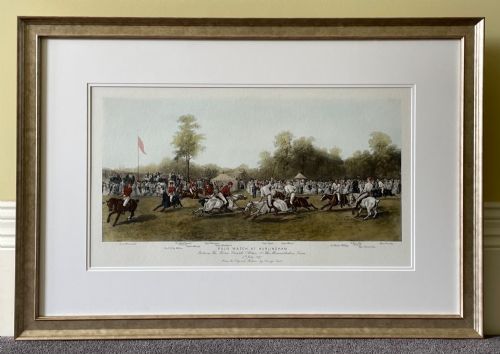
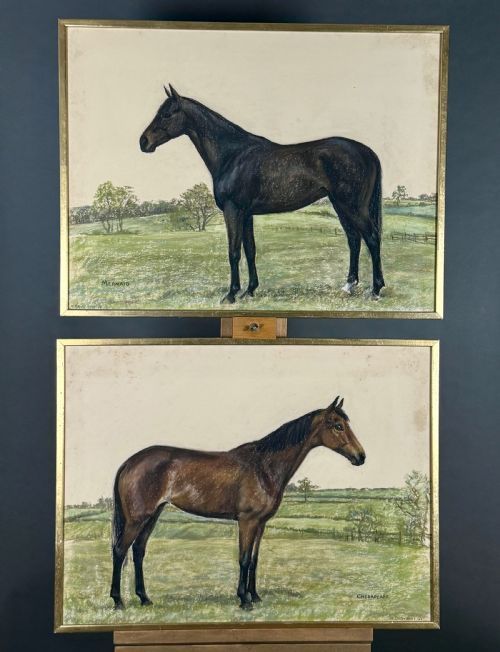
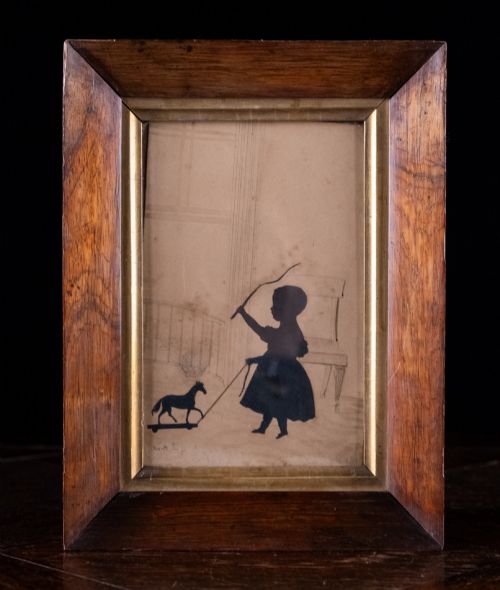
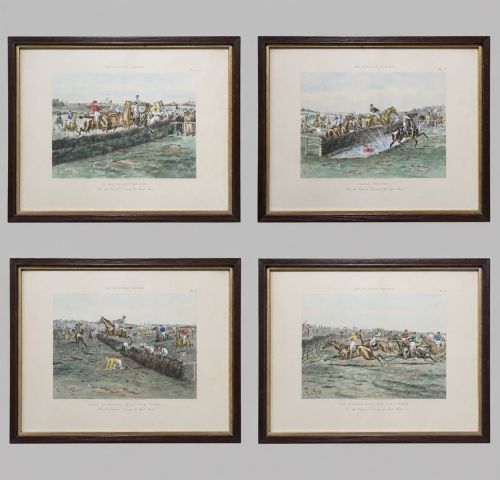
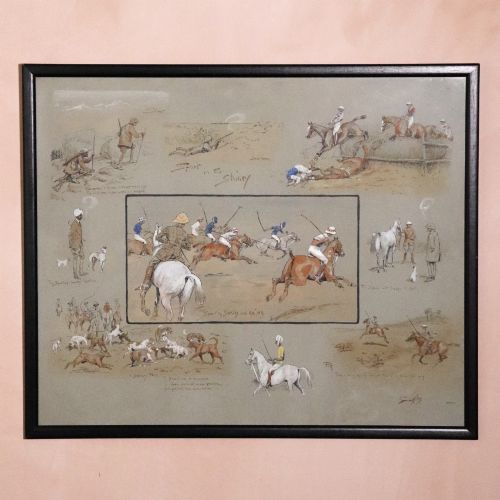
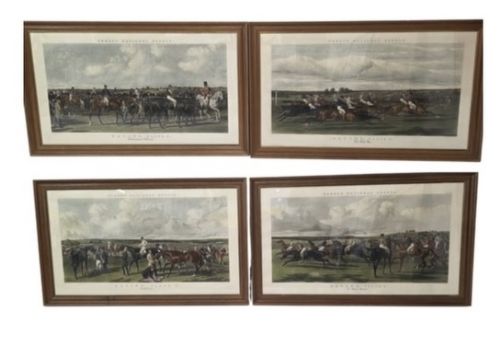
A framed paper horse picture gathers together historic watercolours, pastels, drawings, and printed works depicting equines and sporting scenes. These pieces capture polo matches, racing moments, hunting meets, and quiet portraits of horses in various settings.
Most examples encountered here originate from the nineteenth and early twentieth centuries, reflecting deep British traditions in sporting art and illustration. They arrive protected behind glass within wooden or gilt frames, preserving fragile paper supports.
The selection ranges from hand-coloured engravings and lithographs to intimate pastel studies and detailed gouache paintings. Each item offers a distinct window into past equestrian life and artistic techniques.
How they were made
Artists and printmakers utilised paper as the primary support, applying watercolour paint, pastel, chalk, ink, or gouache by hand. Many works began as copperplate engravings, aquatints, or lithographs before receiving careful hand-colouring.
Framing involved timber mouldings, often finished in gilt wood, paired with glass to shield the delicate paper surfaces from atmospheric moisture and dust.
Listings feature paper works executed in watercolour, pastel, ink, and gouache across the Victorian, Edwardian, and mid-twentieth-century periods.
What varies in quality
Quality rests upon the sureness of the draughtsmanship and the artist's ability to render the anatomy and energy of the horse accurately. Works by accomplished hands display precise line work and subtle tonal handling in watercolour or pastel.
The condition of the paper and the vibrancy of the original pigments dictate the visual strength of the piece. Crisp impressions in prints and well-preserved pastel or watercolour pigments separate superior examples from faded or heavily acid-stained alternatives.
Augustin Edouart·George Finch Mason·John Rattenbury Skeaping·Michael Lyne·Thomas Mackay·John Sanderson Wells
The Framed Paper Horse Picture Glossary
- Aquatint
- An intaglio printmaking technique that produces areas of tone resembling watercolour washes. It was frequently used for reproducing sporting and hunting scenes.
- Lithograph
- A planographic printing method using a stone or metal plate to create multiple impressions. Chromolithographs use multiple stones for colour.
- Gouache
- An opaque water-based paint that provides solid, flat areas of colour and dense highlights. It often appears combined with watercolour on paper.
- Chromolithograph
- A colour lithographic print produced through the application of separate stones for each hue. They offer rich, vibrant coloration typical of nineteenth-century book illustrations and prints.
Framed Paper Horse Picture: Frequently Asked Questions
How do I hang a framed paper horse picture safely?
Keep works on paper away from direct sunlight to prevent the watercolour pigments and inks from fading over time.
Use secure picture hooks suited to the weight of the timber and glass frame rather than simple picture wire on failing plaster.
Are these works original or prints?
The selection includes both unique hand-drawn or painted works like watercolours and pastels, alongside historic printed editions.
Examine the surface closely under magnification to distinguish between flat printed ink dots and the textured brushstrokes of an original painting.
What periods do these horse artworks come from?
The material spans the nineteenth century through the mid-twentieth century, encompassing Victorian and Edwardian sporting art.
Techniques and framing styles often reflect the specific decades of their creation, from Georgian engravings to later twentieth-century pastels.
How do I care for antique paper art?
Maintain stable room temperatures and low humidity to protect the paper support from foxing and warping inside the frame.
Avoid placing them near heat sources or in damp environments like unheated hallways.