


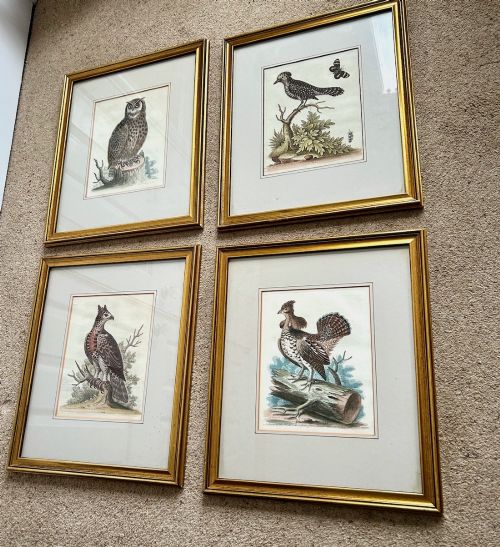


Framed Ornithological Art
Framed ornithological art captures birds in watercolour, engraving, and lithography across the eighteenth, nineteenth, and twentieth centuries for display.
Framed Ornithological Art
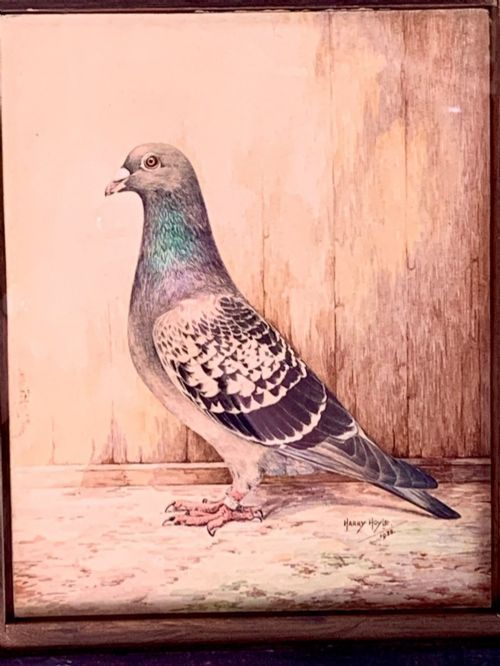
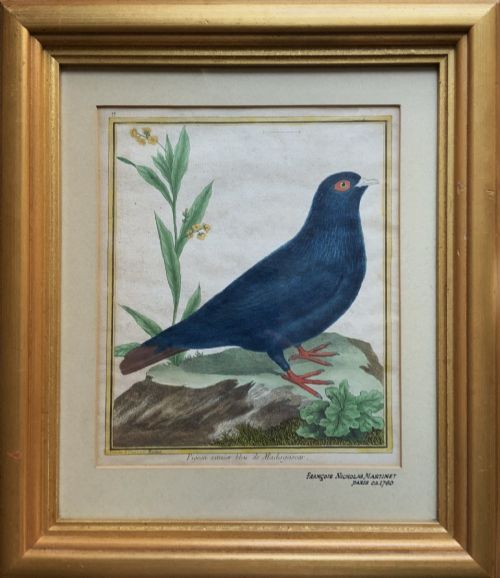
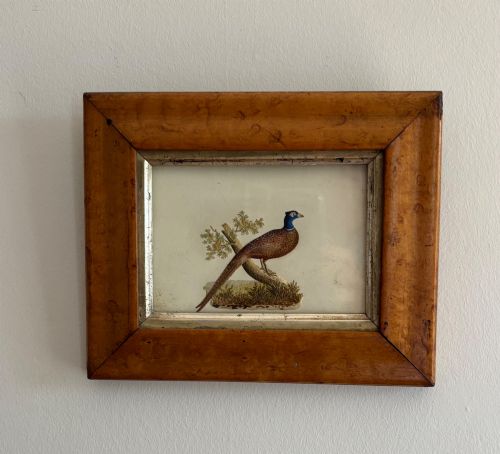
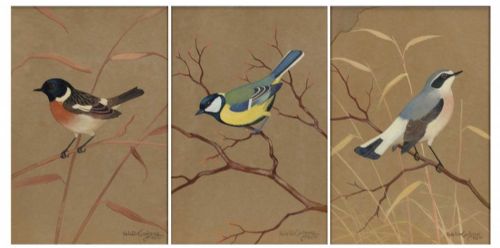
When you search for framed ornithological art, you encounter a diverse selection of bird studies executed in various mediums. These pieces range from eighteenth-century hand-coloured engravings by François-Nicolas Martinet and George Edwards to nineteenth-century watercolours by artists such as Harry Bright and William Andrews Nesfield.
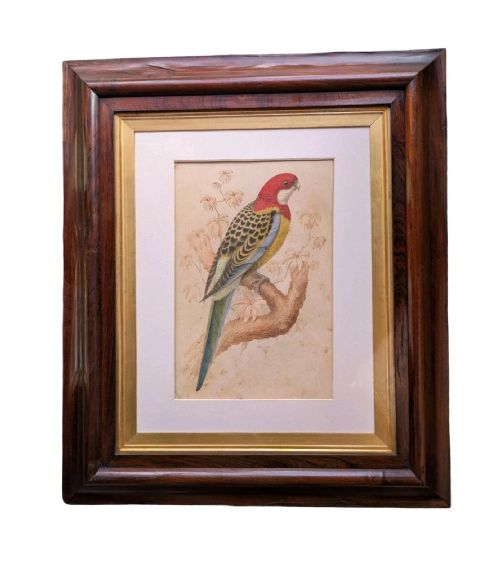
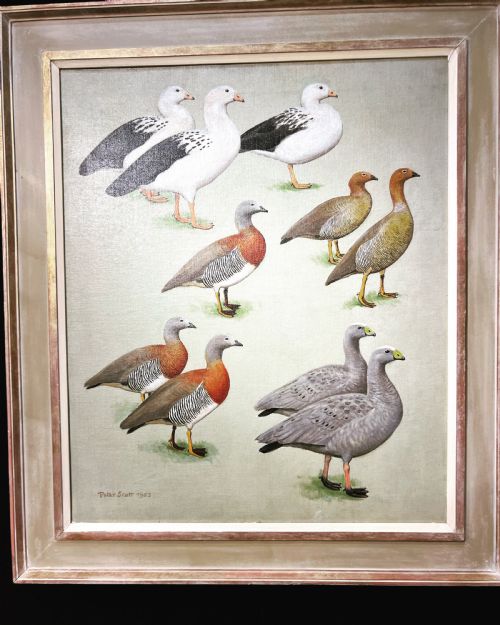
The inventory on this page also extends into the twentieth century with works by Ralston Gudgeon, Charles F. Tunnicliffe, and Paul-Louis Barruel. Subjects span exotic parrots and macaws alongside British garden birds, ducks, and game birds.
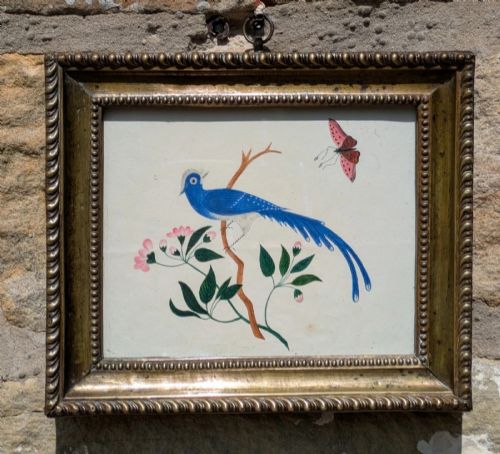
Most examples appear ready for hanging in period frames, often featuring glass protection and traditional wood or gilt mounts.
How They Were Made
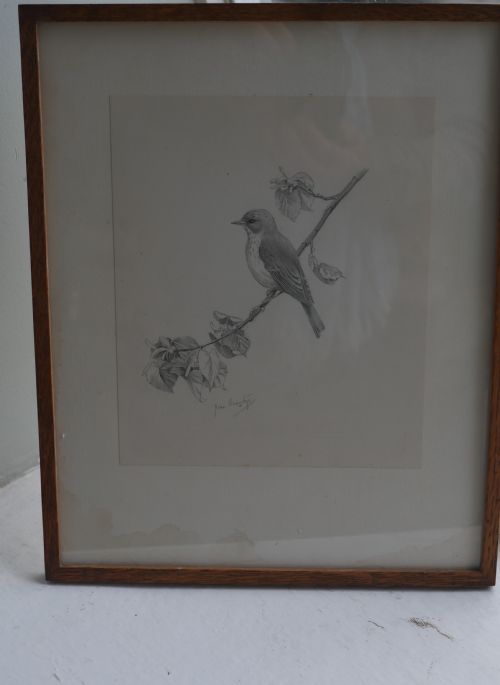
These works rely primarily on paper supports treated with watercolour paint, pencil, or ink, alongside printmaking techniques like copperplate engraving and lithography. Hand-colouring frequently enhances printed plates with subtle washes of pigment.
Framing typically involves wood, such as ebonised timber or giltwood, paired with glass to protect the delicate paper surfaces from dust and moisture.
Listings span from the eighteenth century through the 1960s, uniting paper, watercolour, and gilt wood.
What Varies in Quality
Quality rests upon the precision of the draughtsmanship and the vibrancy of the remaining pigment. Early hand-coloured engravings demonstrate meticulous attention to anatomical detail, whereas later works showcase fluid watercolour brushwork.
The integrity of the paper support and the originality of the contemporary frame significantly influence the character of each piece.
François-Nicolas Martinet·Samuel Dixon·George Edwards·William Andrews Nesfield·Harry Bright·William Swainson·Edward Lear·Charles F Tunnicliffe·Paul-Louis Barruel·Stephen Elmer
The Framed Ornithological Art Glossary
- Engraving
- A printmaking technique where an artist cuts lines into a metal plate to hold ink for transfer onto paper. Engravings provide precise outlines suitable for scientific study.
- Lithography
- A planographic printing method based on the repulsion of oil and water on a limestone or metal surface. Lithography enabled affordable colour printing in the nineteenth century.
- Hand-coloured
- A process where pigment is applied by brush to a monochrome printed image. This technique bridges printed line work and bespoke watercolour painting.
- Giltwood
- Wood carved and coated with a thin layer of gold leaf or metallic powder. Giltwood frames add warmth and reflected light to artworks.
Framed Ornithological Art: Frequently Asked Questions
How do I date framed bird engravings?
Dating relies on paper watermarks, publishing publication details inscribed on the margin, and stylistic markers of the period. Engravings from the eighteenth century often feature distinct plate marks and laid paper.
Typography and framing materials also provide clues to the era in which the print was published and subsequently mounted.
Are these pieces original watercolours or prints?
The selection includes both unique hand-painted watercolours and original printed works such as engravings and lithography. Close inspection under magnification reveals whether the surface consists of brush strokes or printed ink dots.
Many early prints also feature hand-colouring applied over the ink lines.
How should I hang and light these artworks?
Paper and watercolour pigments are sensitive to ultraviolet light, so placement away from direct sunlight is essential. Position pieces on interior walls where illumination can be controlled.
Maintaining stable room humidity prevents the paper support from warping within the frame.
What framing styles are common for bird art?
Frames range from simple ebonised wood mouldings to ornate giltwood mounts designed to complement the period of the artwork. Many antique pieces retain their original or contemporary framing.
Deep mounts and glass protection help preserve the delicate condition of the paper.