

Framed Original Sketch
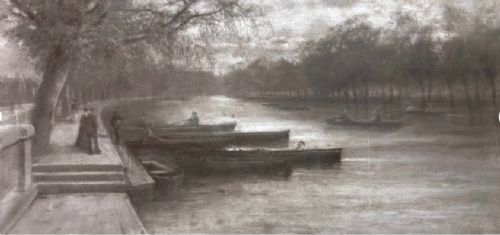
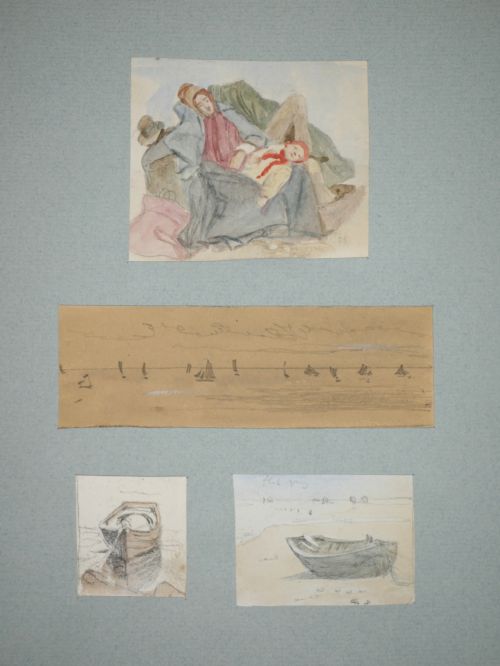
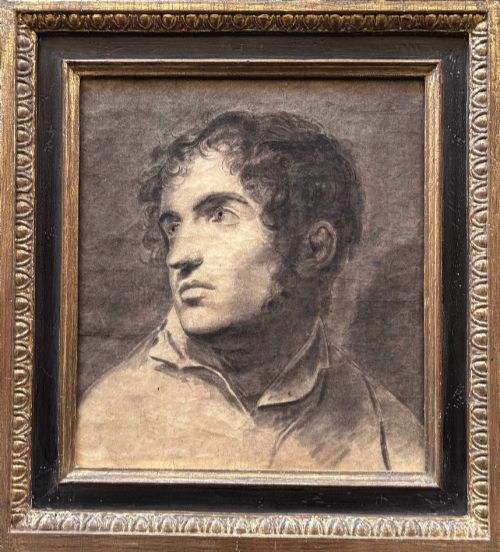
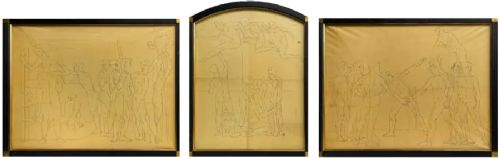
When you want a framed original sketch, you are looking at unique works on paper captured directly by the artist's hand.
Framed Original Sketch
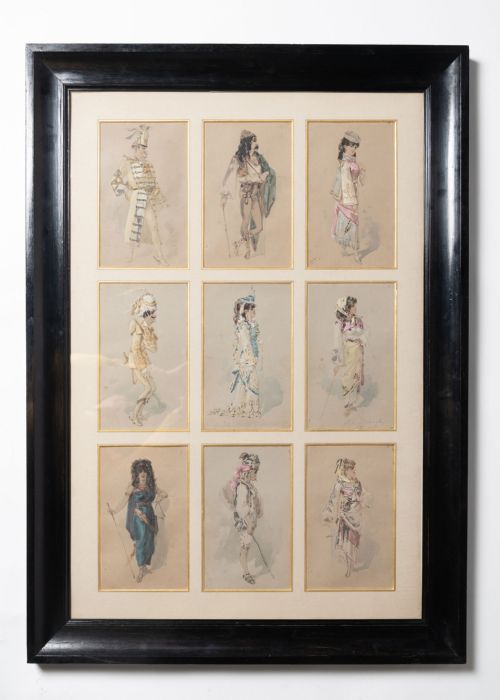
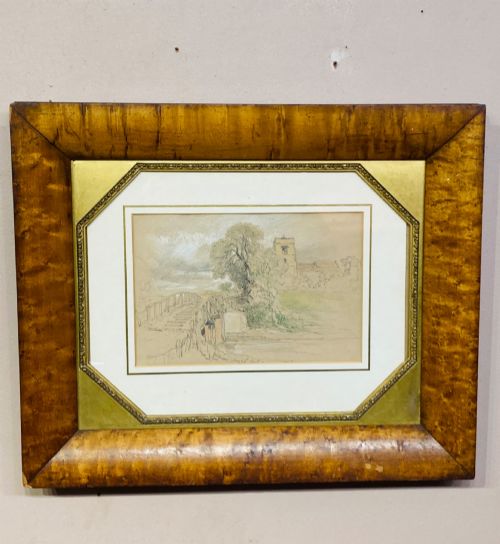
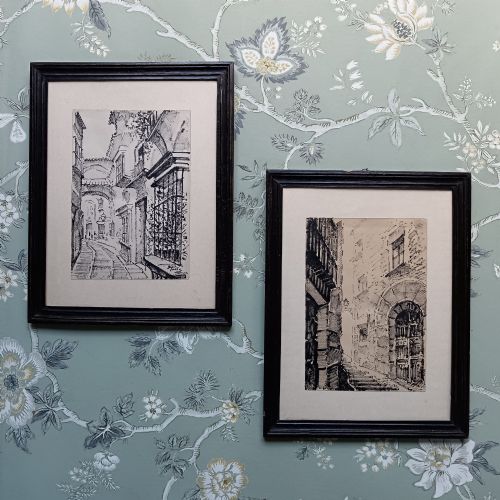
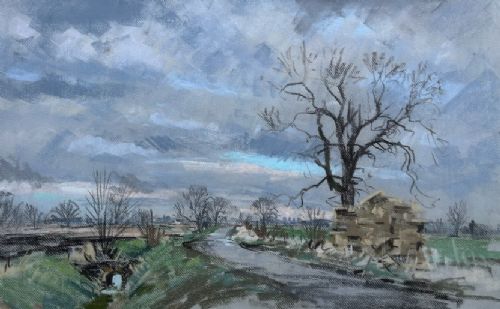
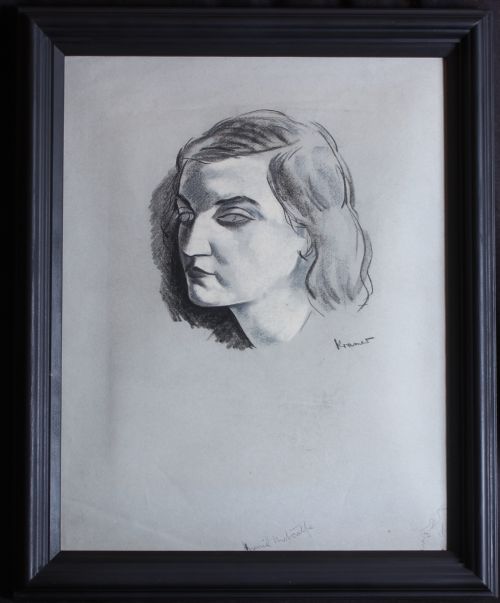
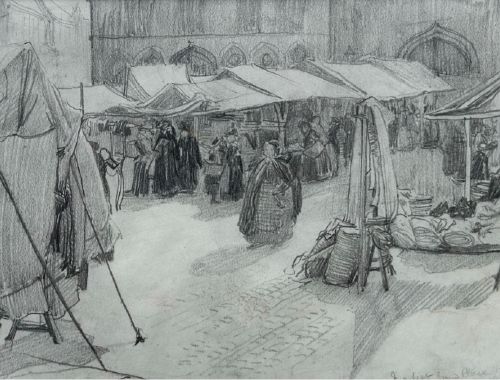
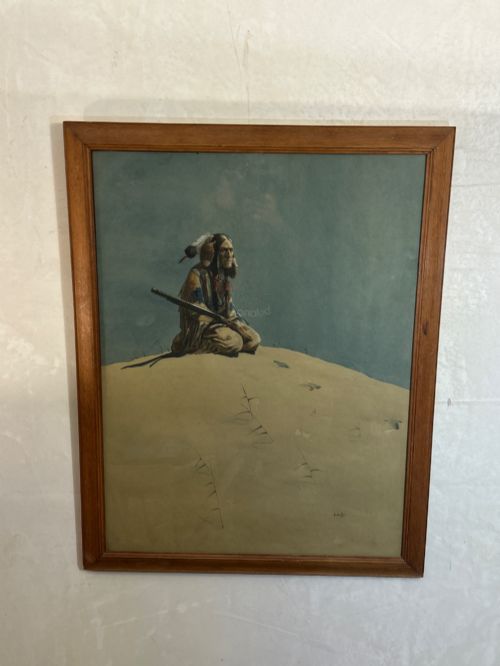
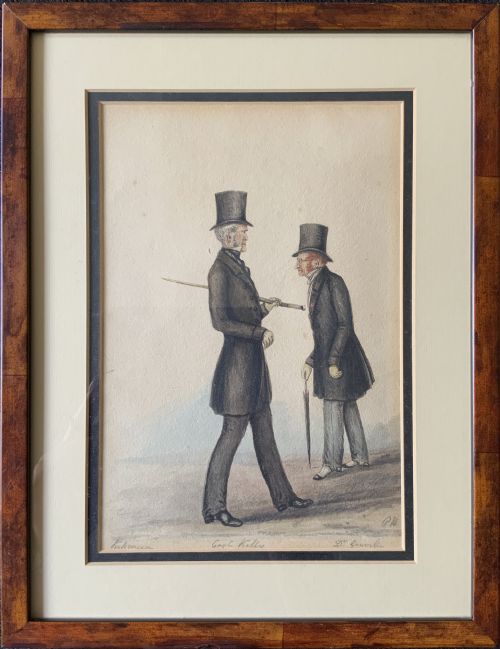
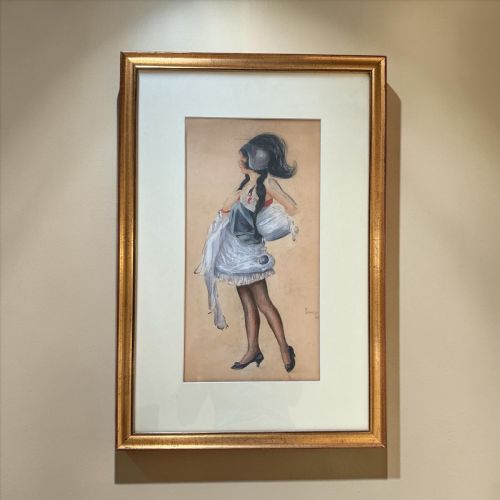
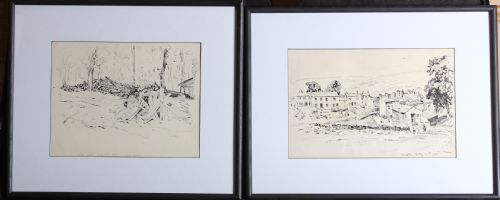
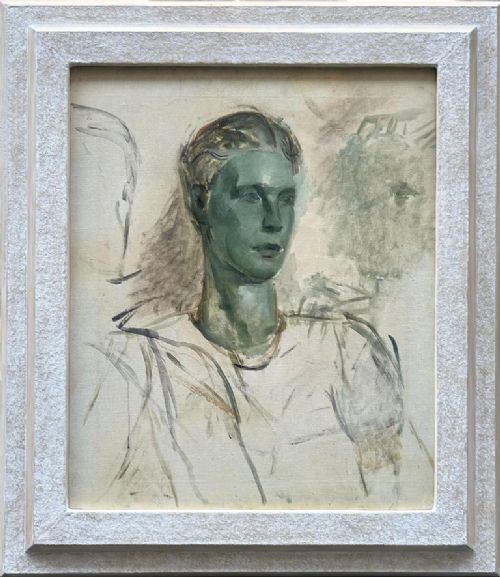
A framed original sketch is a direct, hand-drawn work on paper preserved behind glass within a supportive wooden frame. These pieces span from the nineteenth century through the mid-twentieth century, capturing landscapes, portraits, and architectural studies in schools ranging from Victorian to Mid-Century Modern.
The selections available here emphasise works on paper executed in mediums like ink, pastel, charcoal, and watercolour. Buyers meet everything from rapid preparatory studies to finished portraits signed by known artists of the British and French schools.
Most examples originate from studio portfolios or sketchbooks, retaining an immediate sense of the artist's working process. They offer direct access to historic draughtsmanship without the mediation of print or reproduction.
How they were made
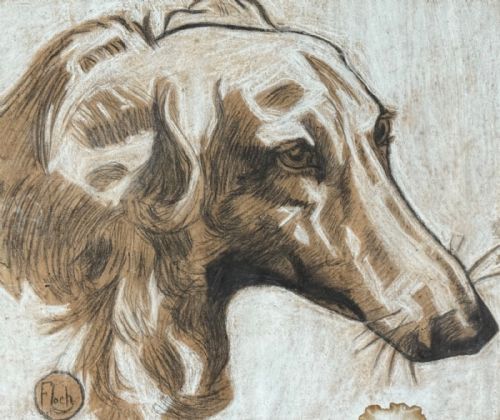
Artists utilise direct application methods, working with graphite, charcoal, or ink onto paper surfaces, sometimes adding gouache or watercolour for tone. Buff or coloured paper frequently provides a mid-tone ground that allows highlights to stand out.
Framing typically involves wood mouldings paired with protective glass to secure the fragile paper support. These mountings shield the delicate pigments and lines from atmospheric wear while framing the composition for display.
Framed Original Sketch Retail Price Guide 2026
Typical asking prices for framed original sketch among the pieces listed under this phrase on Sellingantiques today, from the lower quarter to the upper quarter. They describe what is for sale here now, not the wider market.
The listings span multiple centuries, including works from the 1800s, Victorian era, Art Deco period, and Mid-Century Modern British art.
What varies in quality
Quality rests upon the sureness of the line and the strength of the composition, distinguishing a confident master study from a hesitant student exercise. The immediacy of the mark-making dictates whether a sketch captures movement and character convincingly.
Condition of the paper and the fidelity of the framing materials also determine the standing of a piece. Well-preserved works maintain their original pigment intensity without excessive fading or paper degradation.
Jacob Kramer·Henry Percy Huggill·James Smetham·John Hassall·Fred Lawson·James Stroudley·Oilver Messel·Samuel Rabin·Henri Charles Angéniol·Augustus John·Dame Laura Knight·Michael Healy·John Rattenbury Skeaping·Cecil Charles Windsor Aldin·Lucien Gibert·Alfred Dehodencq·Demetrios Galanis
The Framed Original Sketch Glossary
- Gouache
- An opaque watercolour paint that provides solid, flat areas of colour and sharp highlights on tinted paper.
- Work on paper
- Any piece of art executed on a paper support, including drawings, watercolours, and pastels.
- Preparatory study
- A preliminary drawing made by an artist to plan a larger or more finished composition.
- Provenance
- The documented history of ownership that traces a work of art from its creation to the present day.
Framed Original Sketch: Frequently Asked Questions
How should I hang a framed original sketch?
Keep works on paper away from direct sunlight to prevent the inks and watercolours from fading over time. Maintain stable room temperatures to protect both the paper support and the wood frame.
Use secure picture hooks suited to the weight of the wooden frame and glass. Hang pieces at eye level to appreciate the fine details of the drawing.
Are these sketches truly one of a kind?
Every piece listed is a unique hand-drawn work created directly by the artist. Unlike prints, there are no multiples or reproduction editions.
Artists produced these drawings in sketchbooks or as individual studies. Owning one means holding the exact sheet of paper the artist worked upon.
What materials were commonly used by artists?
Artists drew upon paper using graphite, charcoal, ink, and chalk to establish form and line. Watercolour and gouache were frequently added to introduce colour and tonal contrast.
Support papers vary from plain white sheets to buff and coloured backgrounds. These tinted grounds allowed artists to build highlights effectively.
How can I tell the period of a drawing?
Stylistic clues such as academic life study techniques or modernist abstraction point toward specific decades. Costume, hair styles, and architectural elements in portraits or landscapes also date the creation.
Signatures, dates inscribed on the paper, and framing styles provide further historical context. Archival records often link these works to specific studio portfolios.