
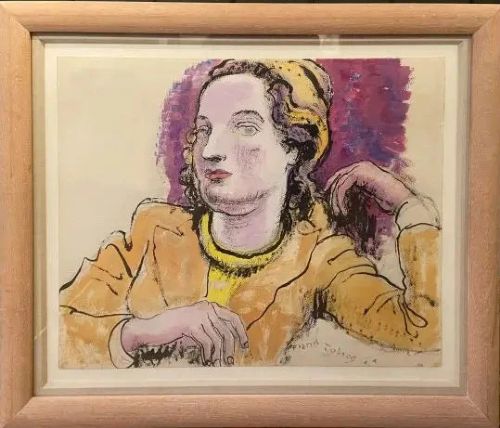
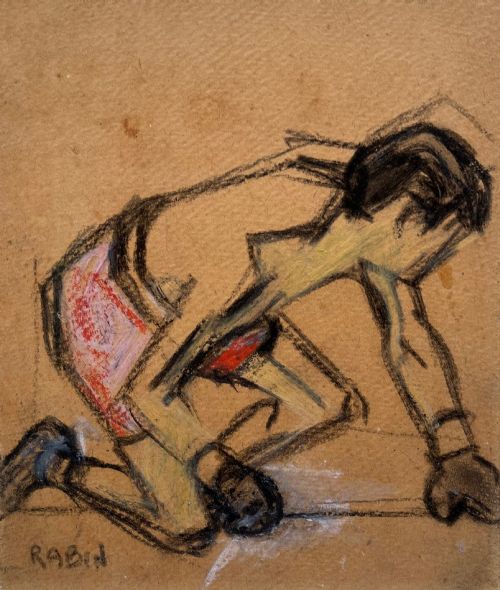
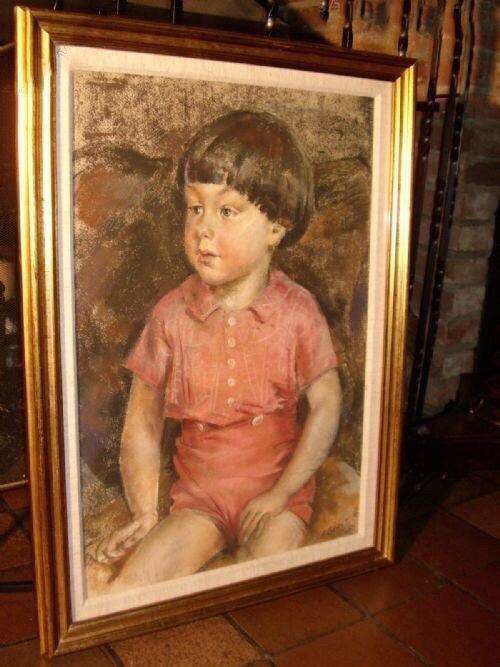
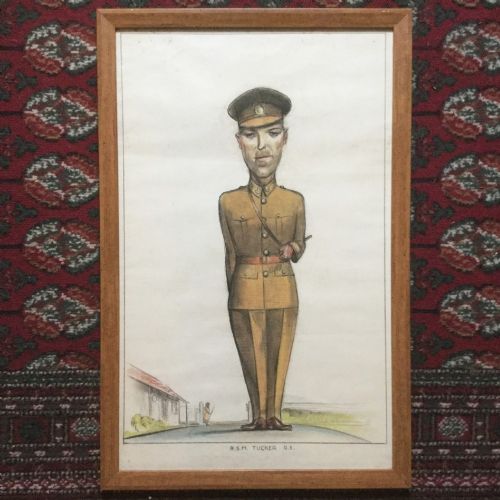



Framed Original Pastel Drawing
These pieces of framed original pastel drawing bring a directness of line and colour that finished oils rarely manage.
Framed Original Pastel Drawing
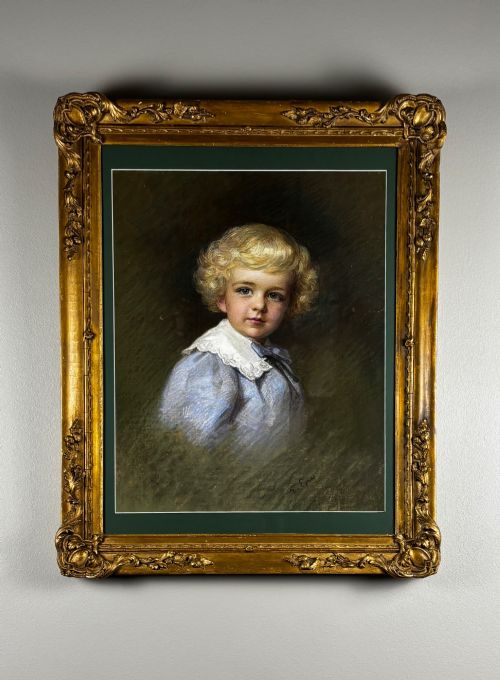
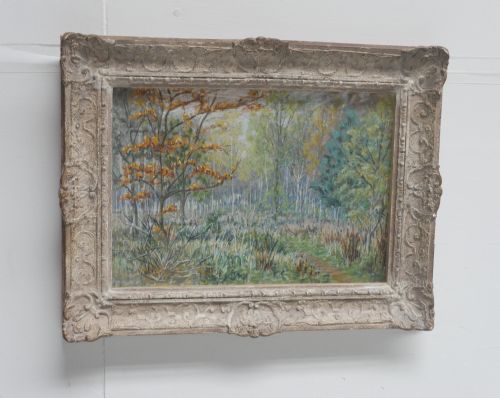
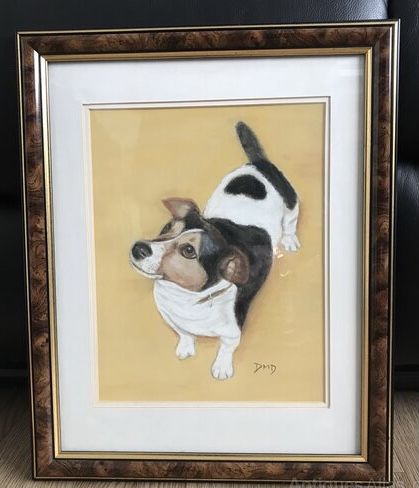
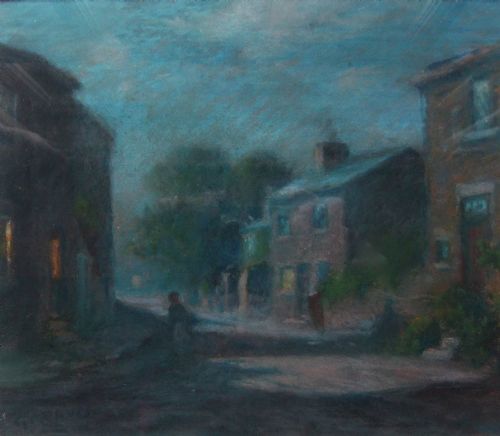
A framed original pastel drawing captures a specific moment through dry pigment applied directly to paper or coloured card, often enriched with touches of charcoal, gouache or watercolour. When you search for a framed original pastel drawing, you encounter works spanning from the nineteenth century through the Edwardian period and deep into the mid-twentieth century.
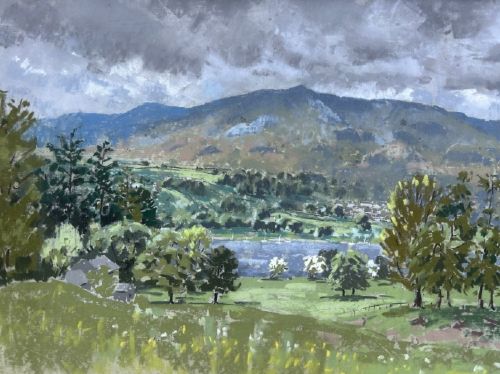
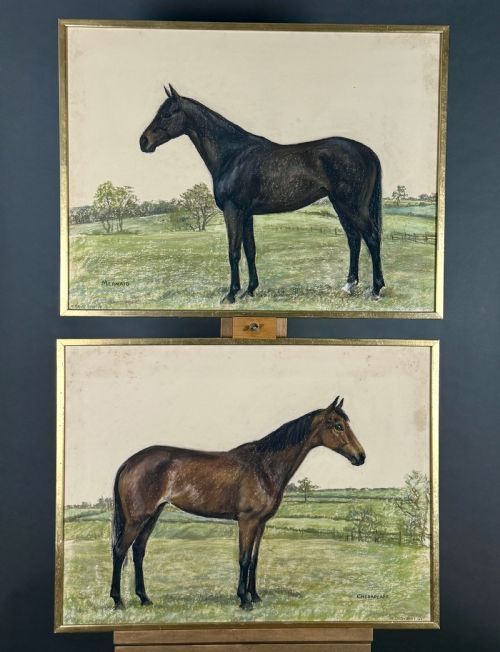
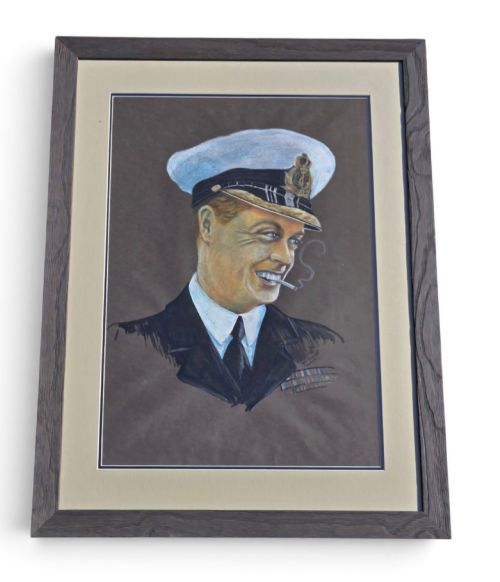
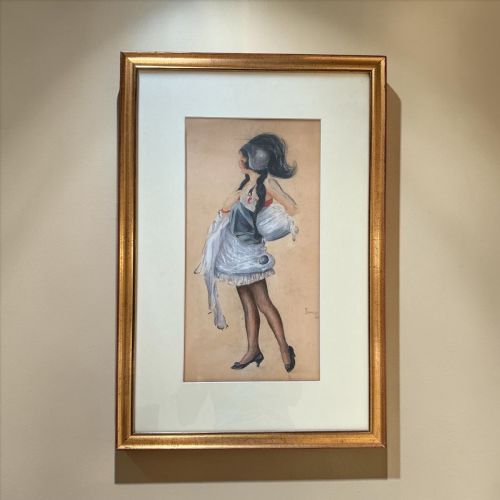
The selection on this page centres on portraits, equestrian studies, landscapes, and still life arrangements executed by named artists and anonymous hands alike. These works arrive protected behind glass within period wood or gilt frames that complement the delicate nature of the medium.
Portraits of sitters, domestic animals, and circus performers dominate the offerings alongside harbour scenes and cityscapes. Each piece records the immediate hand of the maker without the barrier of heavy varnish.
Materials and technique
Artists form these images using compressed chalk and pigment sticks on textured paper, occasionally blending the pastel with fingers, stumps or cloth to achieve soft gradations of tone. Many examples incorporate charcoal for foundational lines or gouache and watercolour to sharpen highlights and deepen shadows.
The finished works require mounting under glass to prevent the loose pigment from smudging or lifting off the paper support. Contemporary framing for these pieces typically involves timber mouldings, walnut frames or gilded wood surrounds that secure the drawing safely away from the glazing.
Cats appear frequently in pastel portraits, captured mid-slumber or posing with distinct feline elegance.
Distinctions in standard
The strength of the draftsmanship dictates the standing of any given piece, separating hasty sketches from fully resolved compositions with confident anatomical structure or spatial depth. Masterful control of light across a face or landscape elevates the visual weight of the drawing.
The integrity of the paper support and the preservation of the pigment layer influence the desirability of the work. Examples that retain their original framing and show minimal fading of the fugitive colours command greater appreciation.
Frank Dobson·Samuel Rabin·John Rattenbury Skeaping·Cecil Charles Windsor Aldin·John Hobson Nicholson·Berthe des Clayes·Denis William Reed·Aubrey Sykes·John Macallan Swan·Gaston Bouy·Sonia Lawson
The Framed Original Pastel Drawing Glossary
- Pastel
- A dry painting medium composed of powdered pigment and a binder rolled into sticks. It permits rapid application of pure colour and velvety tone.
- Gouache
- An opaque water-based paint utilised alongside pastel to add solid highlights and dense areas of opaque colour.
- Support
- The physical surface, usually paper, card or prepared board, upon which the artist applies the pastel medium.
- Fixative
- A liquid spray applied to the drawing to bond the loose pigment particles to the paper and prevent smudging.
- Glazing
- The protective sheet of glass fitted into the frame to shield the fragile pastel surface from atmospheric dust and physical contact.
Framed Original Pastel Drawing: Frequently Asked Questions
Where should I hang a pastel drawing?
Select an interior wall that receives indirect lighting away from direct streams of strong sunlight. Pigments used in pastels are sensitive to ultraviolet rays and can fade over long periods of exposure.
Avoid damp spaces such as unheated rooms or kitchens where moisture fluctuations can damage the paper support. Maintaining a stable environment preserves the vibrant tones of the drawing.
How can I tell a pastel from a print?
Examine the surface of the work closely under a magnifying glass to check for texture. Pastel exhibits individual pigment particles resting on the paper grain rather than a uniform dot matrix or lithographic mesh.
Reflections under glass often reveal the slightly powdery dimension of built-up chalk layers. True drawings show the distinct drag of the pastel stick across the fibres.
Are these drawings attached to backing boards?
Most works are hinged or taped at the upper edge to a stiff backing board within the frame assembly. This traditional method allows the paper to expand and contract naturally with changes in atmospheric humidity without buckling.
Older frames may use acidic backing materials that leave toning on the reverse of the paper. Professional framers can replace harmful boards with conservation-grade alternatives while preserving the original framing.