

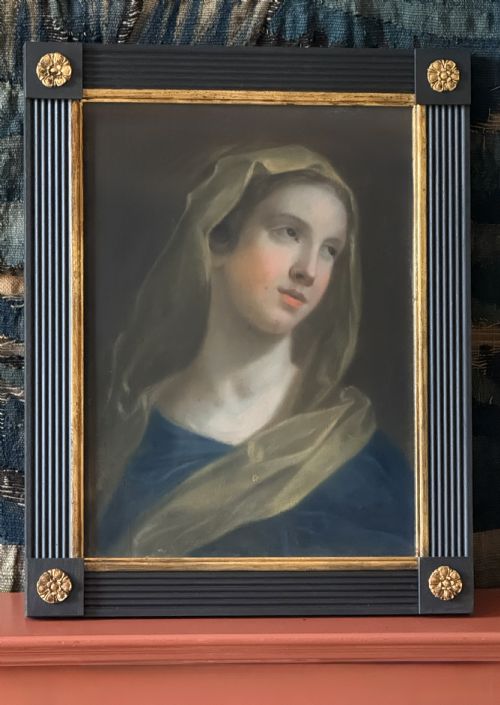
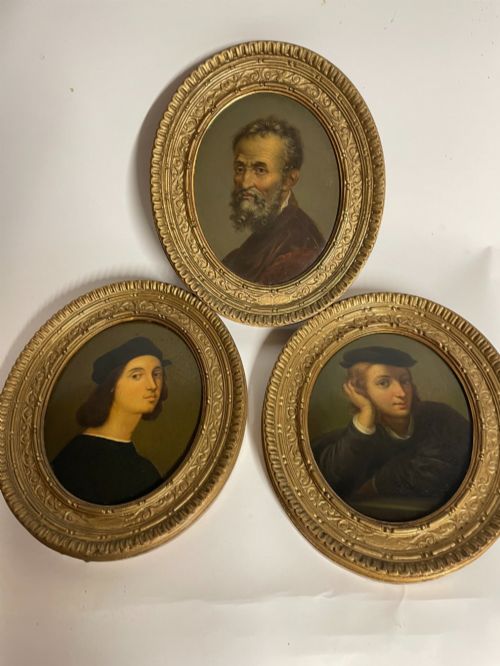
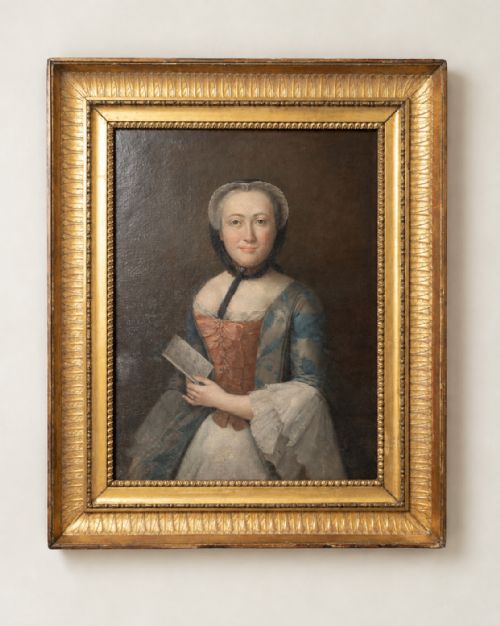
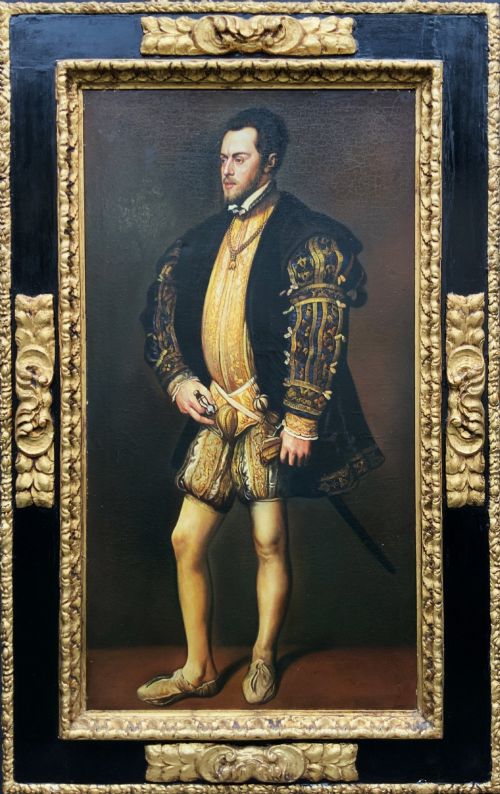


Framed Old Master
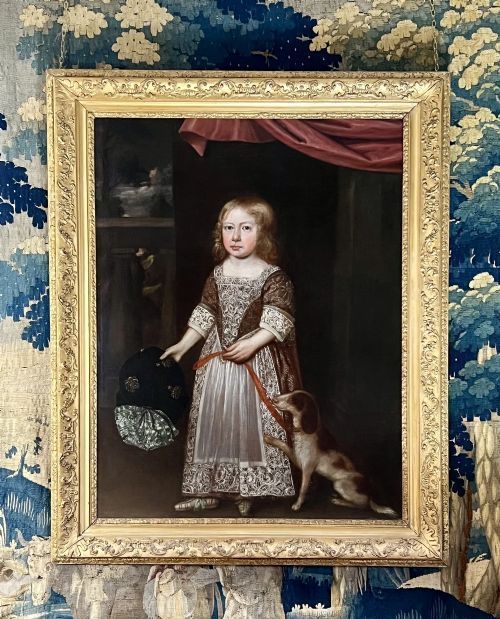
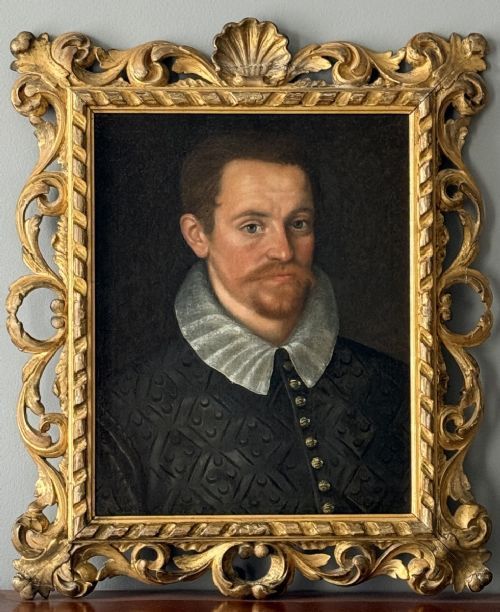
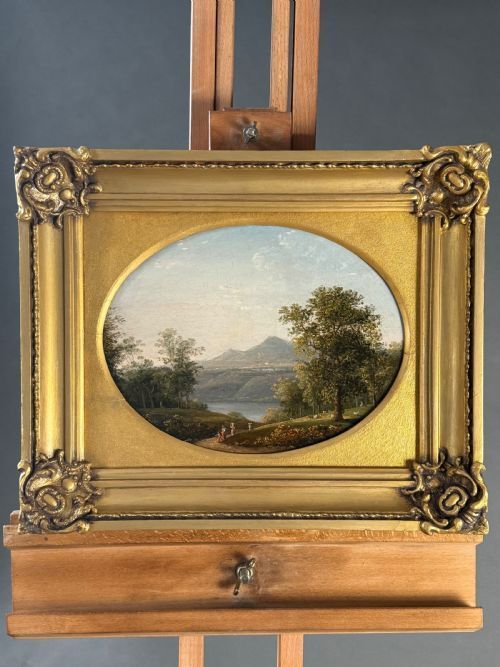
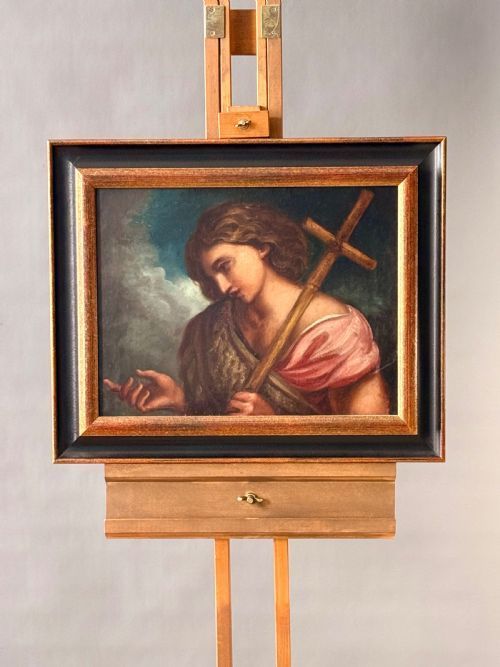
When you search for a framed old master, you are looking at centuries-old European paintings and prints preserved in period frames.
Framed Old Master
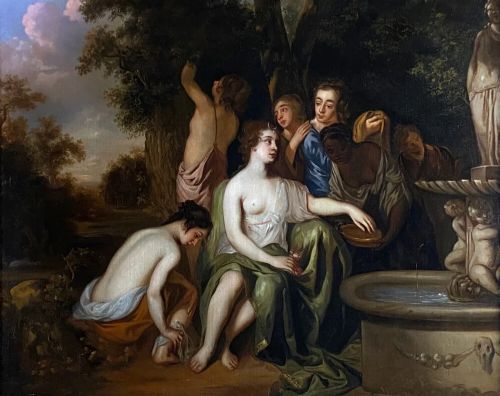
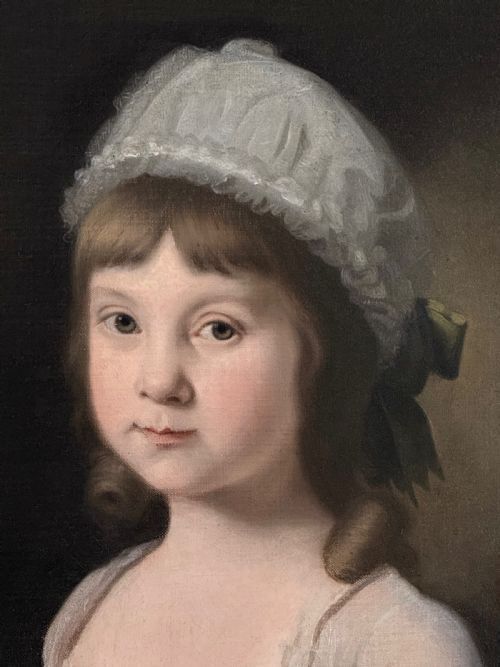
A framed old master typically refers to European fine art created between the sixteenth and eighteenth centuries, encompassing works from various regional schools. These pieces frequently take the form of oil paintings on canvas or panel, alongside historical prints and drawings.
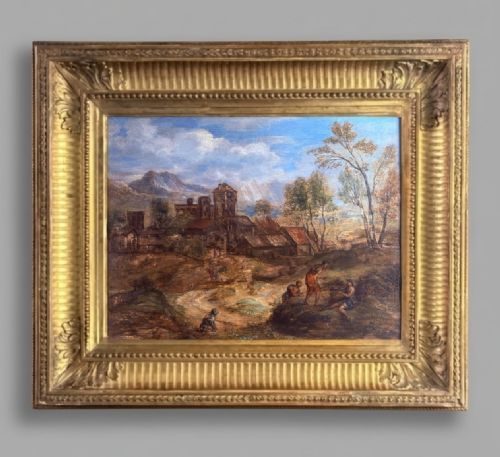
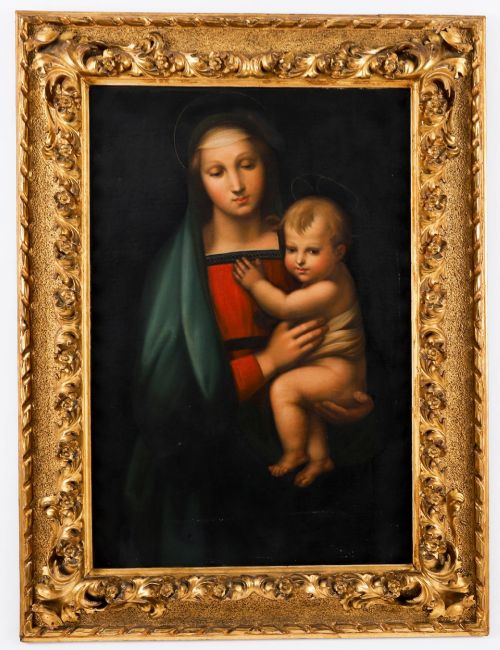
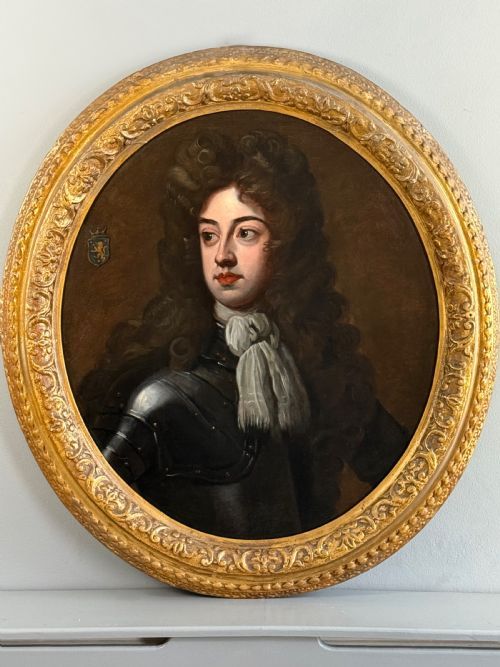
Buyers browsing this selection will encounter portraits of nobility, classical mythological scenes, and pastoral landscapes. Many pieces originate from Italian, Dutch, and English workshops spanning the Baroque, Renaissance, and Georgian periods.
While many works date directly to the seventeenth and eighteenth centuries, the inventory also includes later nineteenth-century interpretations and revival pieces. These varied examples offer collectors access to historic artistic traditions through surviving paintings and graphic works.
Materials and Techniques
Artists of these periods painted primarily with oil paint on stretched canvas, wooden panels, or prepared boards. Grounds and binders varied by region, allowing pigments to achieve deep luminosity over centuries.
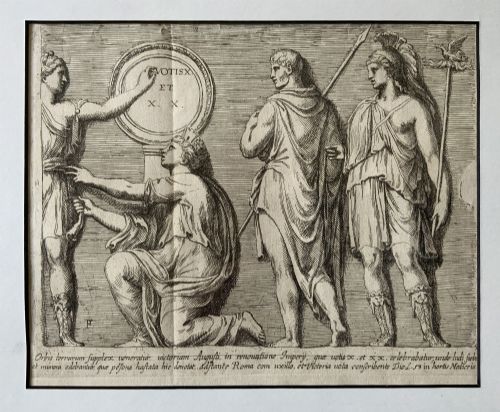
Graphic works utilised techniques such as etching, engraving, and mezzotint on paper substrates. Master printmakers created detailed plates that were then pulled in limited editions.
Surviving works are housed in period frames constructed from wood, embellished with carved ornament, gesso, and gold leaf. These frames provide structural support and historical context for the artwork within.
Framed Old Master Retail Price Guide 2026
Typical asking prices for framed old master among the pieces listed under this phrase on Sellingantiques today, from the lower quarter to the upper quarter. They describe what is for sale here now, not the wider market.
The inventory records Italian, Dutch, French, and English regional schools alongside classical etching and mezzotint print techniques.
Evaluating Quality and Execution
The degree of hand mastery separates workshop masterworks from routine student copies. Superior brushwork reveals confident handling of drapery, flesh tones, and subtle facial expressions.
Conservation history and structural integrity influence the preservation of the painted surface. Works retaining their original canvas support and undisturbed paint layers demonstrate higher authenticity.
The integration of the artwork with its period frame affects overall cohesion. Frames displaying original gilding and historic construction complement the historical standing of the painting.
Studio M. Canals·Sir Godfrey Kneller·Jacob Philipp Hackert·John Boydell·Sir Peter Lely·Joshua Reynolds
The Framed Old Master Glossary
- Oil on Canvas
- Pigment mixed with drying oil applied to a woven fabric support. This combination allowed artists to create rich textures and blend colours seamlessly.
- Giltwood
- Wood carved and coated with gold leaf or metallic powder. It forms the decorative surface of traditional picture frames.
- Mezzotint
- A printmaking process where the copper plate is roughened to achieve dark tones and scraped to create light areas. It produces rich gradations of shadow and illumination.
- Panel
- A flat wooden board used as a painting support before canvas became dominant. Oak and other hardwoods were common in Northern European workshops.
- Pentimento
- An alteration in a painting visible as previous brushstrokes show through the upper layers of paint. This indicates the artist changed their composition during the creative process.
Framed Old Master: Frequently Asked Questions
What defines an old master painting?
An old master generally describes a European artist of high skill working before the nineteenth century. These painters trained within established guild or workshop traditions.
Their output covers religious narratives, portraits, and landscapes that established foundational techniques for Western art.
How should I hang these framed works?
Display paintings away from direct sunlight and sources of extreme heat or humidity. Stable indoor environments protect delicate wood panels and canvas supports.
Ensure wall fixings match the substantial weight of period wooden and giltwood frames.
Are these works painted on canvas or wood?
Historic paintings utilise both woven canvas and solid wooden panels as primary supports. Northern European artists frequently selected oak boards for cabinet-sized portraits.
Larger commissions typically employed stretched canvas to accommodate expansive compositions.
How do I identify different historical periods?
Stylistic cues such as costume details, ruff collars, and architectural backgrounds provide primary dating evidence. Renaissance works emphasise balanced geometry, whereas Baroque compositions feature dynamic lighting.
Frame construction and canvas preparation techniques offer additional clues to age.