

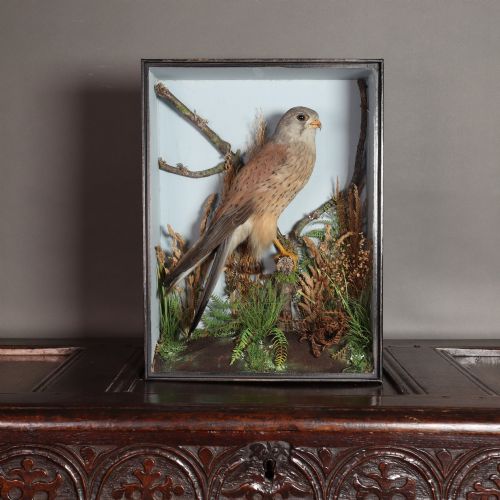


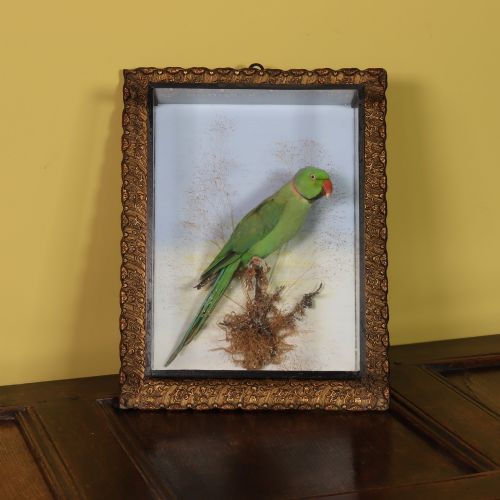



Framed Natural History Mount
A framed natural history mount brings preserved birds, insects or botanical studies indoors within protective glass and timber.
Framed Natural History Mount
A framed natural history mount encompasses Victorian taxidermy cases, watercolour bird studies, and hand-coloured lithograph prints designed for wall display. These pieces span the nineteenth century and the early twentieth century, reflecting a sustained domestic fascination with the natural world.
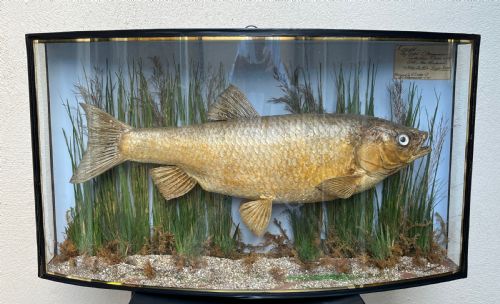
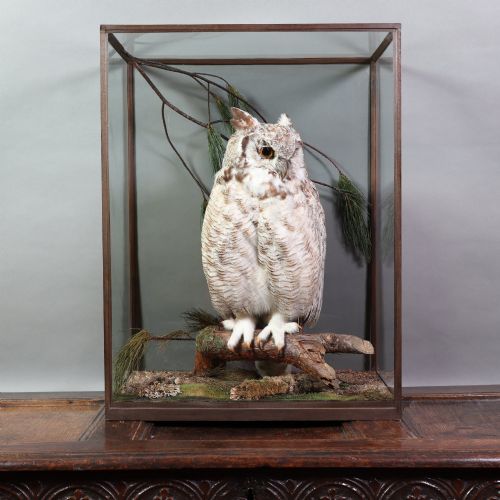
The most common examples on this page are taxidermy display cases and framed prints featuring British and exotic birds. Specimens range from single kingfishers and kestrels to complex dioramas containing multiple species set against painted backgrounds.
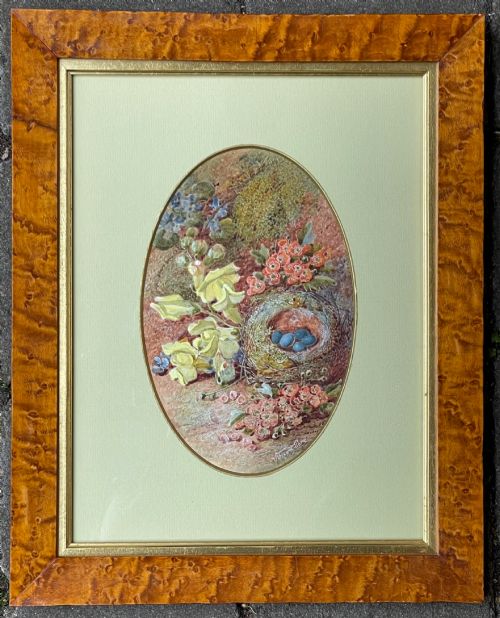
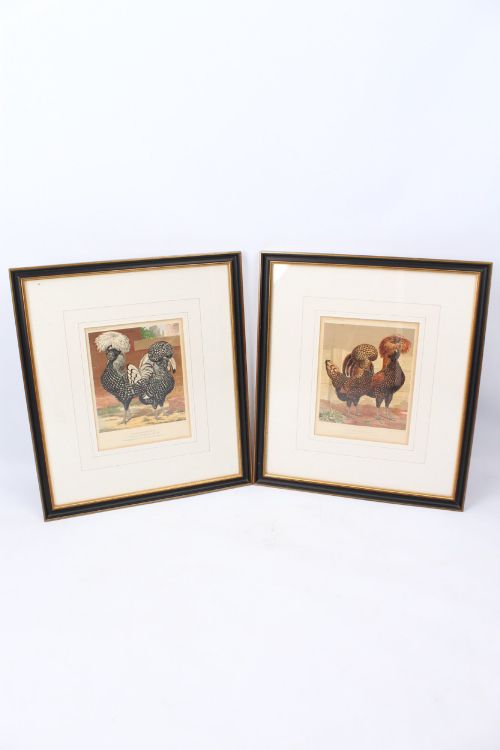
Beyond three-dimensional taxidermy, the selection includes framed watercolours, engravings, and lithographs of fowl, ducks, and finches. These works bridge scientific recording and interior decoration, utilising deep giltwood mounts and ebonised frames to showcase the artwork.
Materials and construction
Taxidermy mounts utilise preserved animal specimens housed inside wooden glazed cases, often enhanced with painted plaster snow scenes, paper foliage, and fabric elements to mimic natural habitats. The timber frames utilise glass fronts to protect delicate feathers and paper from dust and moisture.
Flat works combine paper, watercolour, and ink with gilt wood, glass, and ebonised frames. Engravings and lithographs receive hand-colouring, while protective mounts use gold leaf and paper boards to frame the central subject.
Framed Natural History Mount Retail Price Guide 2026
Typical asking prices for framed natural history mount among the pieces listed under this phrase on Sellingantiques today, from the lower quarter to the upper quarter. They describe what is for sale here now, not the wider market.
Listings feature works spanning the nineteenth and twentieth centuries, incorporating materials such as feathers, gold leaf, watercolour, and glass.
Evaluating quality and execution
Quality in taxidermy mounts depends on the naturalism of the pose and the skill of the taxidermist in rendering the anatomy of birds and mammals. Superior examples display life-like posture and careful composition within the display case, rather than stiff or distorted positioning.
For framed prints and watercolours, merit rests upon the crispness of the original engraving, the delicacy of the hand-colouring, and the preservation of the paper. Original frames with deep giltwood mounts and intact glass add considerable character to the finished piece.
Little & Co·Rowland Ward Ltd·T. E. Gunn·William Bazeley & Sons·Hutchings of Aberystwyth
The Framed Natural History Mount Glossary
- Taxidermy
- The art of preserving, stuffing, and mounting animal skins for display. Historic specimens rely on traditional arsenical soaps and wire armatures.
- Lithograph
- A print made from a design drawn on limestone or metal plate. This technique allows fine tonal gradations suitable for natural history illustration.
- Diorama
- A three-dimensional scene enclosed in a glass case, depicting specimens within a simulated natural habitat. Painted backgrounds provide perspective and depth.
- Ebonised
- Timber treated to resemble ebony through staining or painting. This dark finish creates high contrast against gilt mounts and colourful specimens.
- Gilt wood
- Wood coated with gold leaf or metallic paint. It frames prints and watercolours with reflective warmth.
Framed Natural History Mount: Frequently Asked Questions
Are these antique specimens ethically sourced?
These historical pieces originate from the nineteenth and early twentieth centuries when collecting natural specimens was a common scientific and domestic pursuit. Modern regulations do not apply to antique taxidermy created during this era.
Collectors view these items as historical artefacts documenting past scientific illustration and Victorian naturalism rather than contemporary specimens.
How do I hang a heavy display case?
Secure heavy timber taxidermy cases directly into wall studs using appropriate masonry or plaster fixings rated for the weight. Ensure the hanging wire or brackets on the back of the ebonised frame are structurally sound before mounting.
Check that the placement avoids high-traffic hallways where vibrations might disturb the internal arrangement of the mounted birds.
How do I identify Victorian framing?
Victorian frames often utilise deep giltwood mounts, heavy ebonised mouldings, and old blown glass with minor surface bubbles. Backboards typically consist of tongue-and-groove timber secured with traditional cut nails rather than modern staples.
Paper labels from the original taxidermist or framer pasted on the reverse offer definitive proof of the period and workshop origin.