
Framed Miniature Portrait Art
Framed miniature portrait art captures likenesses in small compass, offering intimate scale and historical depth for a wall or desk.
Framed Miniature Portrait Art
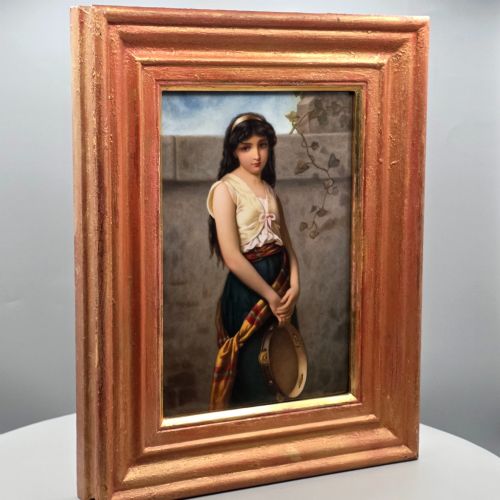
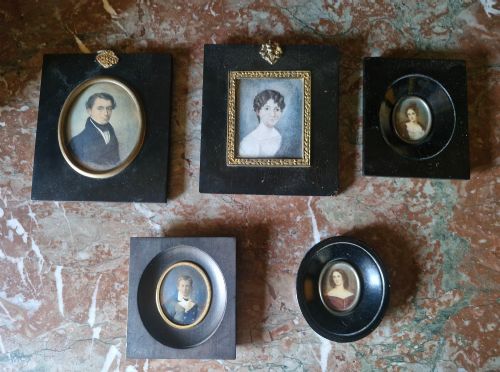
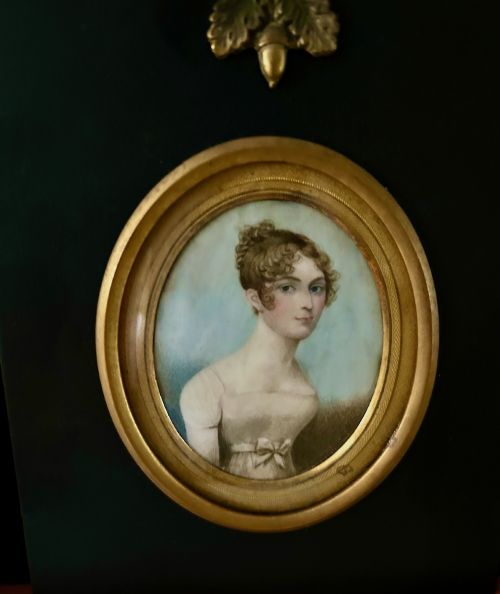
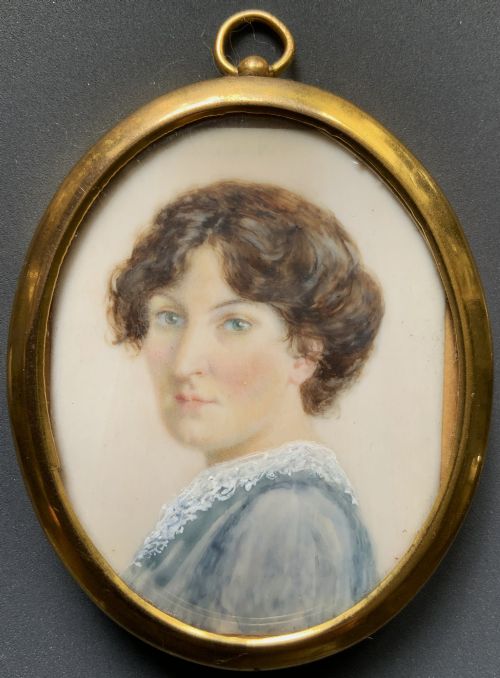
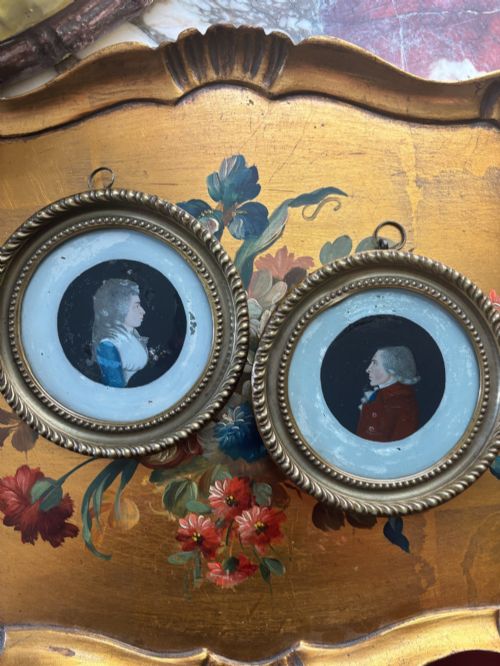
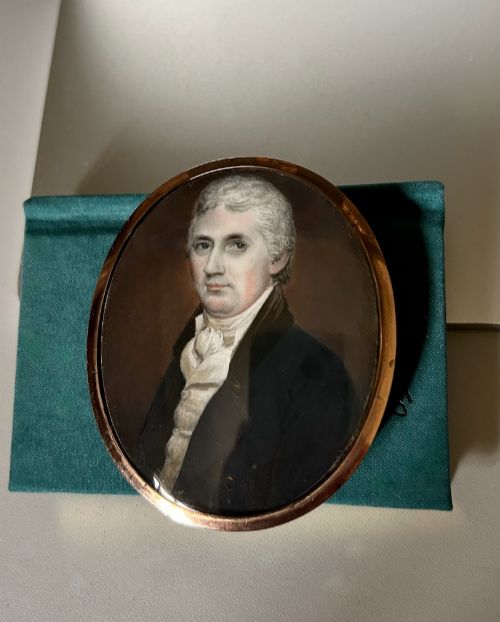
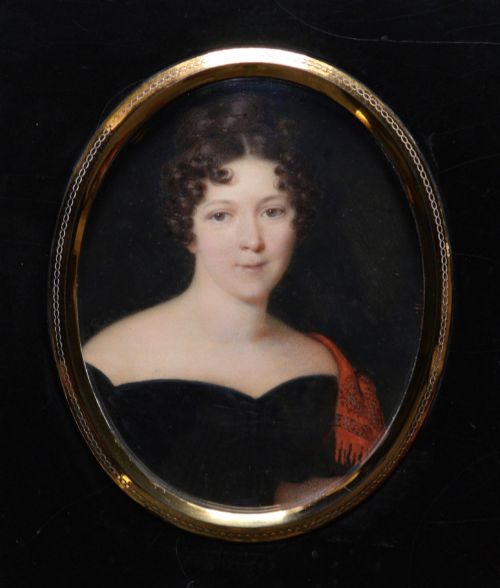
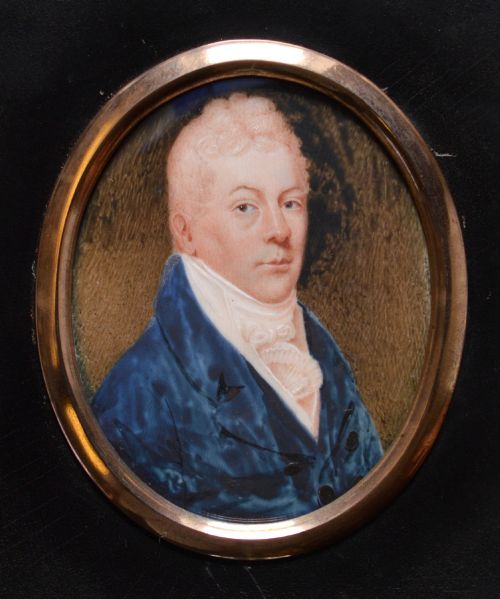
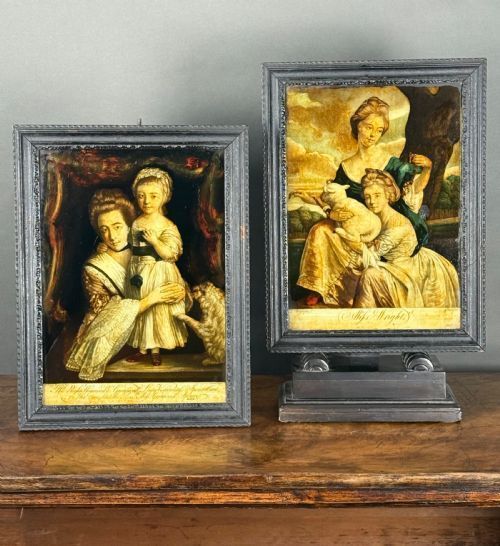
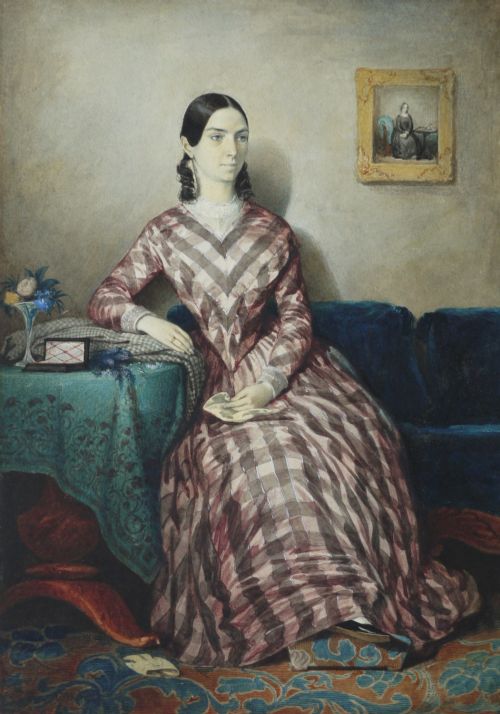
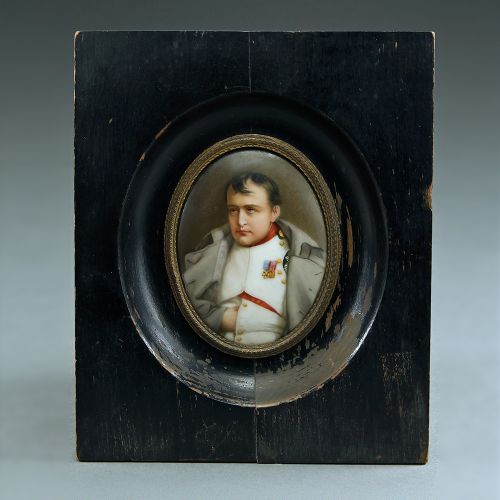
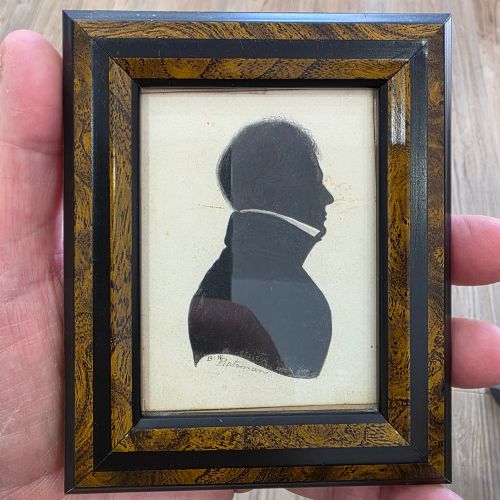
Framed miniature portrait art encompasses small-scale likenesses produced across the eighteenth and nineteenth centuries, including the Regency and Victorian eras. These works range from delicate watercolours and enamels to cut-paper silhouettes and reverse glass paintings.
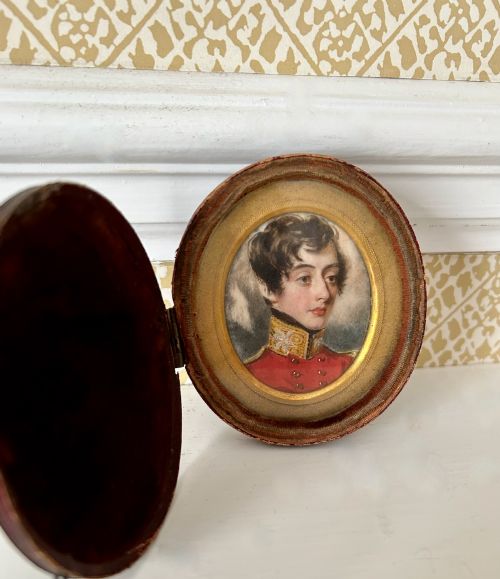
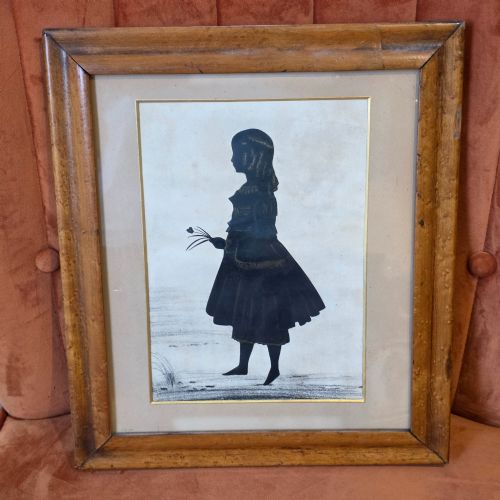
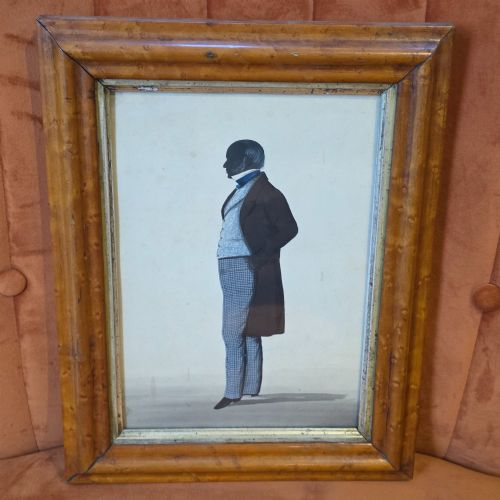
Collectors encounter profile silhouettes alongside detailed painted portraits of officers, children and gentlefolk. The pieces appear in various housings, from simple wooden surrounds to ornate gilt metal and brass frames.
How They Were Made
Makers applied watercolour, ink or enamel directly onto paper, glass or prepared panels. Cut-paper silhouettes often involved precise hand-scissoring, sometimes supplemented with delicate watercolour washes or gilding.
Protective enclosures combined glass with frames fashioned from wood, brass, or gilt metal, occasionally incorporating gold leaf or wax for depth.
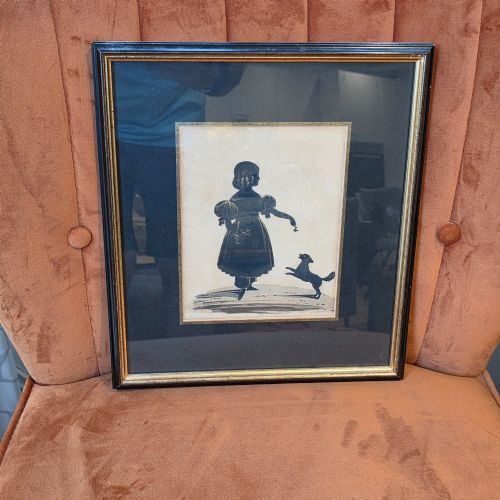
A loyal pet occasionally shares the frame, as seen in the silhouette of a young girl accompanied by her dog.
What Varies in Quality
Execution of detail separates proficient hands from ordinary output, evident in the crispness of a cut silhouette or the fine brushwork defining facial expressions. The integration of the portrait with its original frame also influences the integrity of the piece.
William James Hubard·Henry Bone ARA·Horace Hone·Charles Shirreff·Richard Cosway·Augustin Edouart·Frederick Buck
The Framed Miniature Portrait Art Glossary
- Silhouette
- A solid shape of a subject, usually showing the profile in black or cut paper, popular for affordable likenesses before photography.
- Enamel portrait
- A painting fired onto a metal base, offering lasting brilliance and resistance to fading over centuries.
- Reverse painting on glass
- An image applied to the back of a glass panel and viewed from the front, producing a smooth surface and distinct lustre.
- Regency
- A British design period spanning the early nineteenth century, characterised by classical restraint and elegant proportions.
Framed Miniature Portrait Art: Frequently Asked Questions
How were miniature portraits displayed?
These small works were hung closely together on walls to create groupings or kept on tables and desks for private contemplation.
Their intimate dimensions meant they could also be worn as pendants or carried in pockets by their owners.
What materials are common in silhouettes?
Makers used black paper cut with scissors and mounted against a contrasting light background, often adding ink or watercolour details.
Some examples employed gilded highlights or were painted directly onto card, glass, or plaster.
How do I date a framed miniature?
Dating relies on the style of clothing, hair and framing materials, such as heavy gilt brass or simple polished wood.
Period inscriptions on the reverse or paper labels from contemporary galleries also provide secure chronological markers.
Are these portraits original artworks?
Many examples are hand-painted watercolours, enamels or unique cut-paper silhouettes created by named artists or skilled practitioners.
Buyers also encounter nineteenth-century printed reproductions set into period frames.