



Framed Marine Art Print
A framed marine art print brings the historic British coastline and naval power directly into a room through Victorian and early twentieth-century works.
Framed Marine Art Print
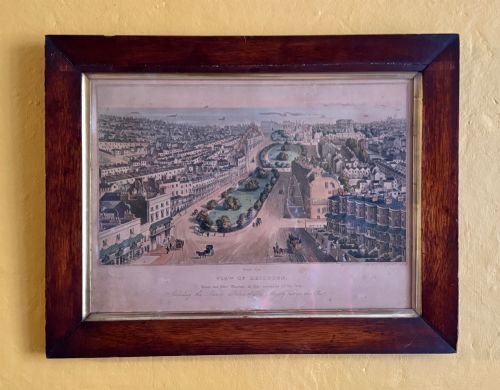
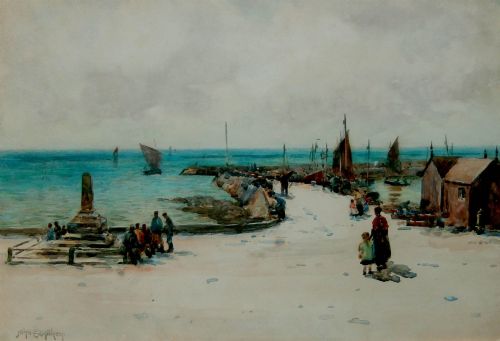
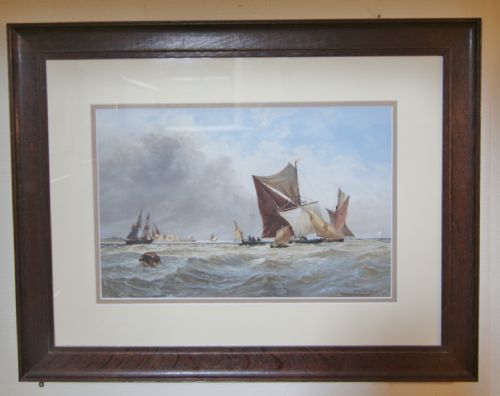
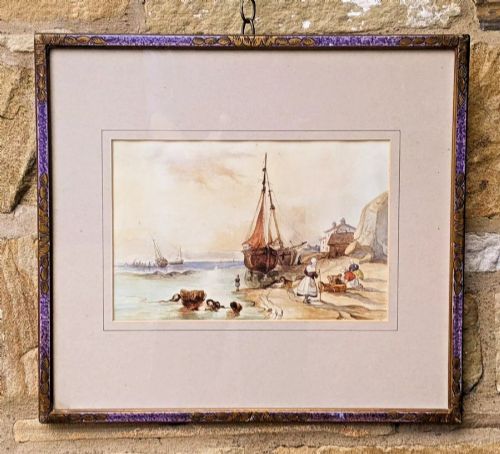
When searching for a framed marine art print, a buyer encounters a diverse selection of nineteenth-century and early twentieth-century works capturing coastal scenes, fishing harbours, and maritime history. These pieces range from detailed engravings of fish and seaweeding etchings to larger watercolours and oil paintings depicting ships and naval fleets.
The most common examples on this page are nineteenth-century watercolours and aquatints featuring coastal boats and nautical subjects. Works span various Victorian styles, capturing everything from quiet harbours to significant royal yachts and historical ship portraits.
How they were made
These works utilise traditional mediums such as watercolour, oil, and ink on paper, alongside printing techniques like aquatint, engraving, and lithography. Artists and printmakers applied these materials to document maritime subjects with precision and atmosphere.
Framing typically involves wood, oak, or giltwood mouldings paired with protective glass to preserve the delicate paper and paint surfaces. These traditional mountings secure the works while complementing the period aesthetic of the maritime imagery.
Framed Marine Art Print Retail Price Guide 2026
Typical asking prices for framed marine art print among the pieces listed under this phrase on Sellingantiques today, from the lower quarter to the upper quarter. They describe what is for sale here now, not the wider market.
Framing materials recorded across the site include traditional wood, oak, and giltwood paired with glass.
What varies in quality
Quality in these works rests upon the skill of the draughtsman or painter in capturing movement, light, and maritime detail accurately. Finer examples display deft brushwork or precise engraving lines that bring ships and coastal atmospheres to life.
The preservation of the paper and pigment, along with the character of the period framing materials, influences the overall standing of each piece. Superior works retain their original colour depth and clarity without excessive fading or damage.
John E Aitken·TB Hardy·Jonathan Couch·W Collard·W J Huggins·Frank Wood·WF Mitchell
The Framed Marine Art Print Glossary
- Aquatint
- A printmaking technique that produces tonal effects similar to watercolour washes. It was frequently utilised in the nineteenth century for publishing maritime prints.
- Engraving
- A method of cutting a design into a metal plate to hold ink for printing. This technique allowed for high levels of fine detail in natural history and marine illustrations.
- Lithography
- A planographic printing process using oil and water on a stone or metal plate. It became popular for producing multi-coloured ship prints in the nineteenth century.
- Giltwood
- Wood carved and coated with gold leaf or a gold-coloured finish. This material is commonly found on traditional frames enclosing nineteenth-century maritime watercolours and paintings.
Framed Marine Art Print: Frequently Asked Questions
What periods do these marine prints cover?
The selection spans the nineteenth century through to the early twentieth century, encompassing Victorian and Edwardian eras. Pieces reflect the artistic and naval interests of these specific decades.
Dates range from mid-nineteenth-century aquatints to early twentieth-century watercolours, showing how maritime subjects evolved in British art over time.
Are these works original paintings or prints?
The page includes both original hand-painted works and period print formats. Buyers will find unique watercolours and oil paintings alongside antique engravings, aquatints, and lithographs.
Each listing specifies the exact medium used, whether it is an original watercolour painting or a nineteenth-century printed edition.
How should I display a framed marine print?
These framed pieces suit studies, hallways, or living spaces where traditional British art complements the interior. Keeping them away from direct sunlight protects the paper and pigments from fading.
Ensure the wall fixings are secure, particularly for larger oil paintings or heavier giltwood frames associated with nineteenth-century maritime art.
How do I identify the subject of a marine print?
Many works include titles, signatures, or historical references within the composition or framing. Subjects often record specific vessels, royal yachts, naval reviews, or named coastal locations.
Researching the named ships, publishers, or artists listed on the piece helps place the artwork within its historical maritime context.