
Framed Mantle Mirror
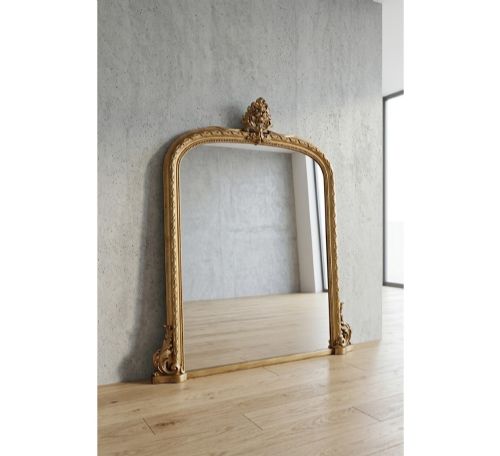
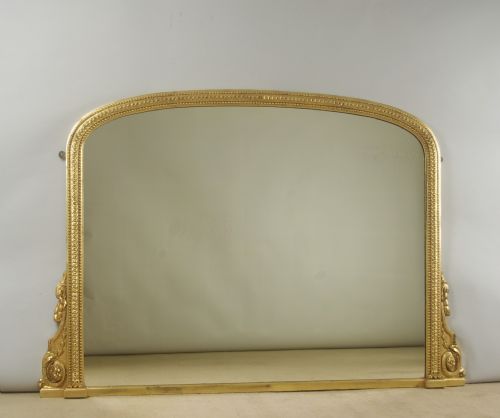
A framed mantle mirror anchors a reception room with historical presence, offering grand architectural scale and reflective light above a fireplace hearth.
Framed Mantle Mirror
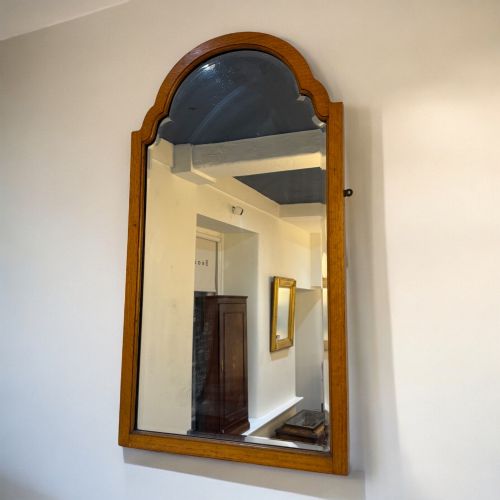
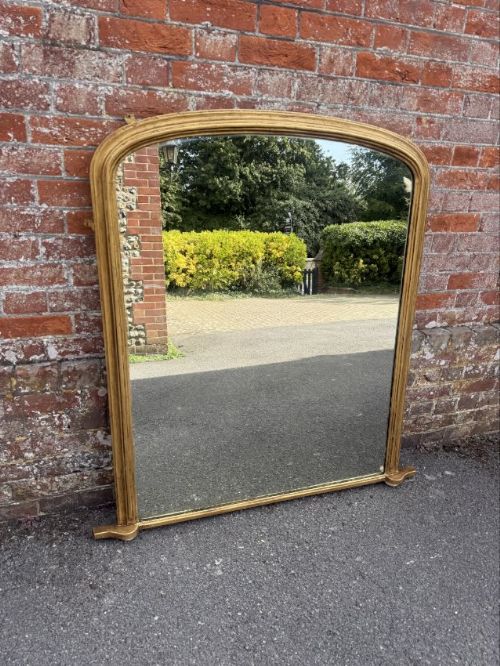
When searching for a framed mantle mirror, buyers encounter substantial wall-hanging pieces specifically proportioned to sit above a fireplace mantelpiece. The selection spans robust nineteenth-century English overmantels alongside refined eighteenth-century walnut and mahogany examples.
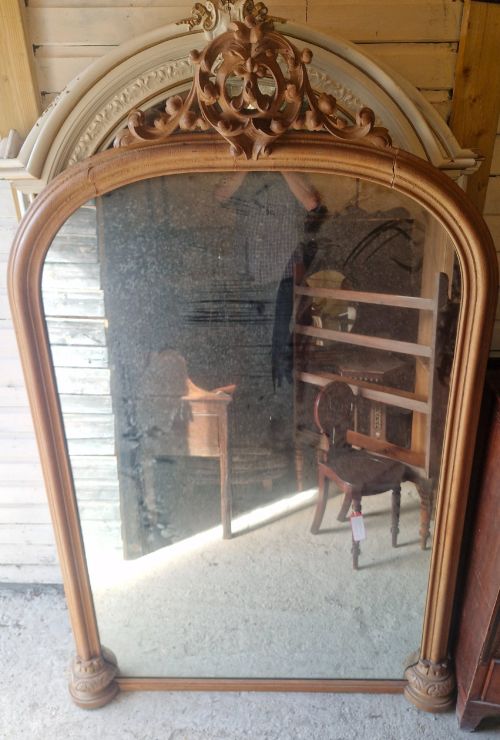
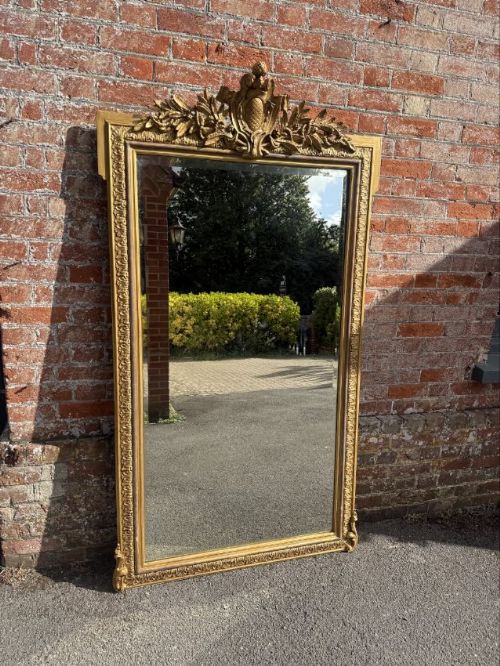
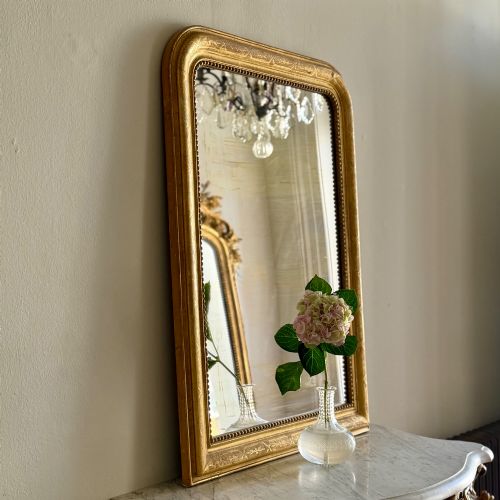
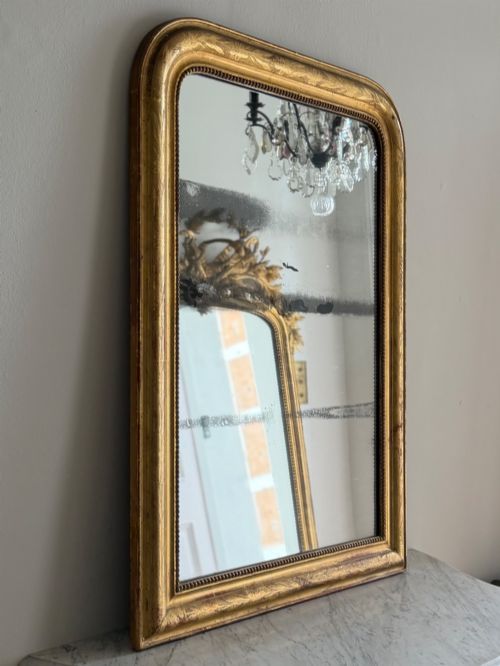
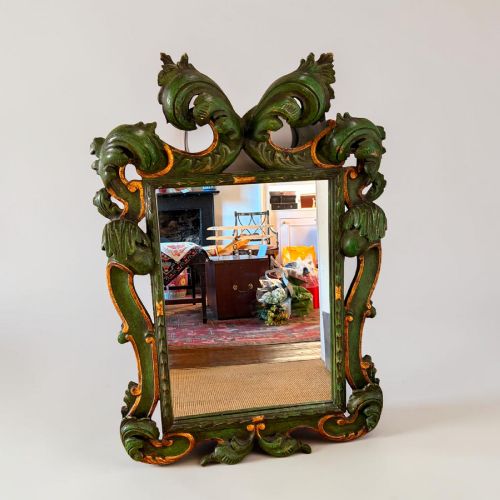
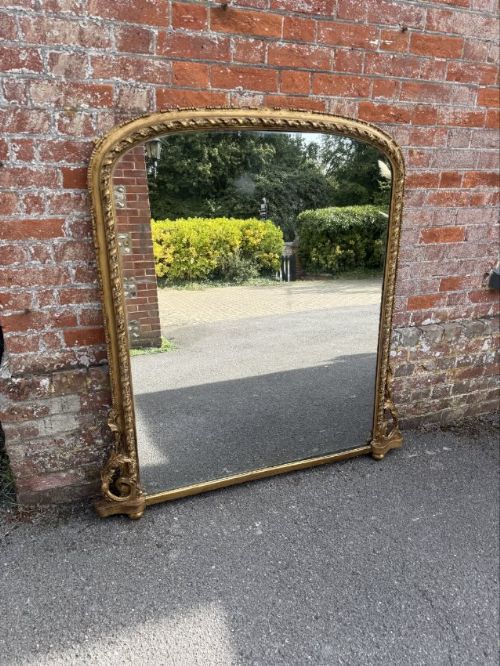
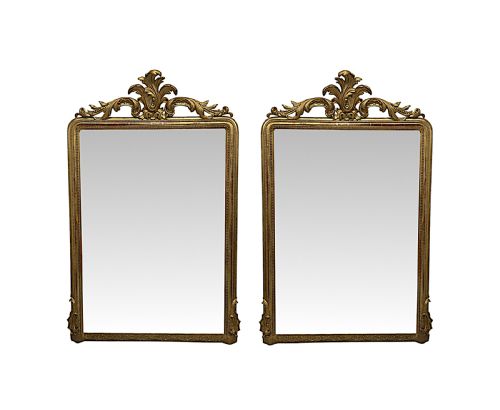
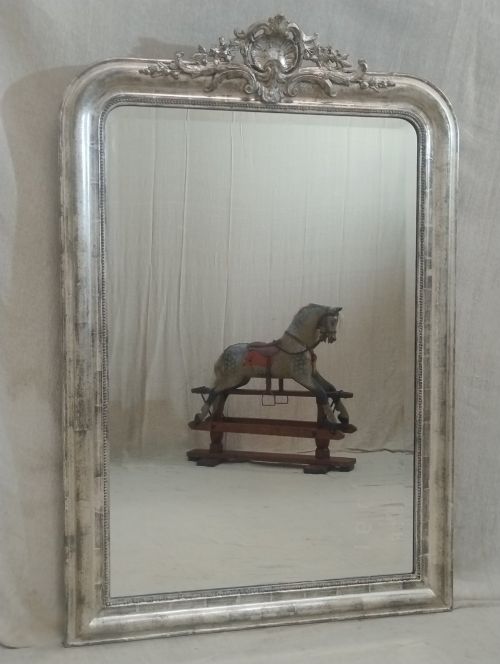
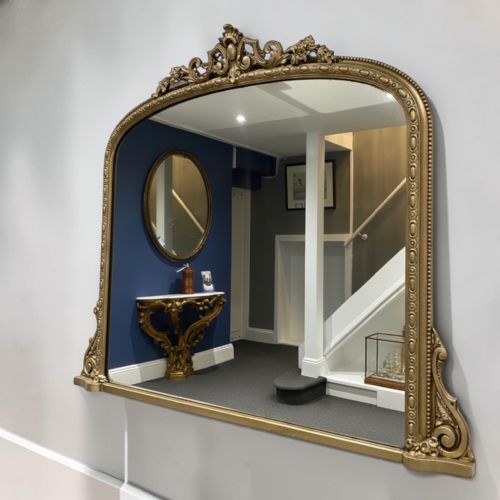
Many pieces display arched tops, column frames, or rope twist mouldings designed to draw the eye upward and reflect interior spaces. French Louis Philippe and Rococo styles also appear frequently, bringing distinct decorative curves and original mercury glass to the room.
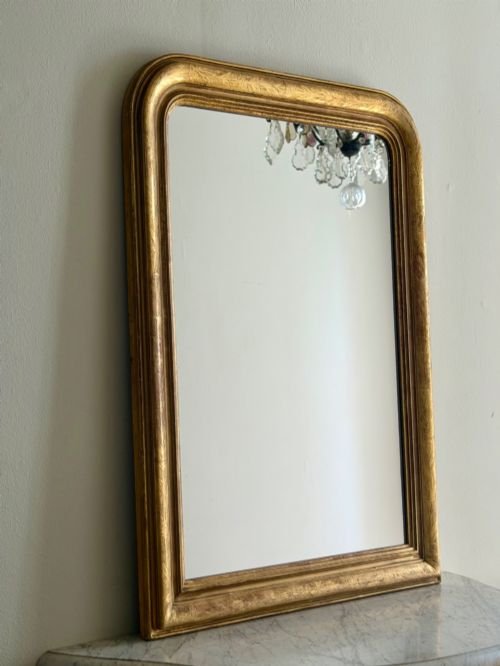
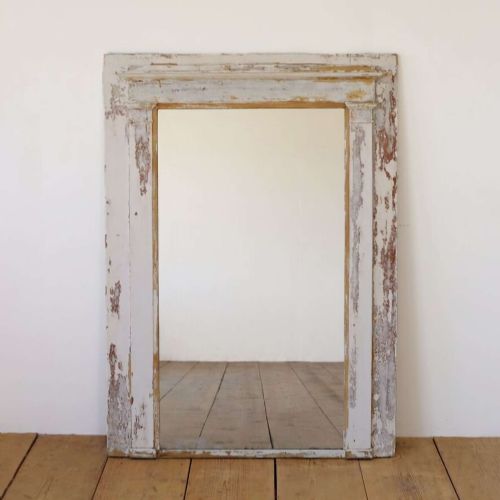
The inventory covers diverse timbers including oak, birds eye maple, and parcel gilt surfaces, alongside heavy gesso mouldings finished in gold leaf. These items function equally well as architectural overmantels or large wall mirrors in reception rooms.
How they were made
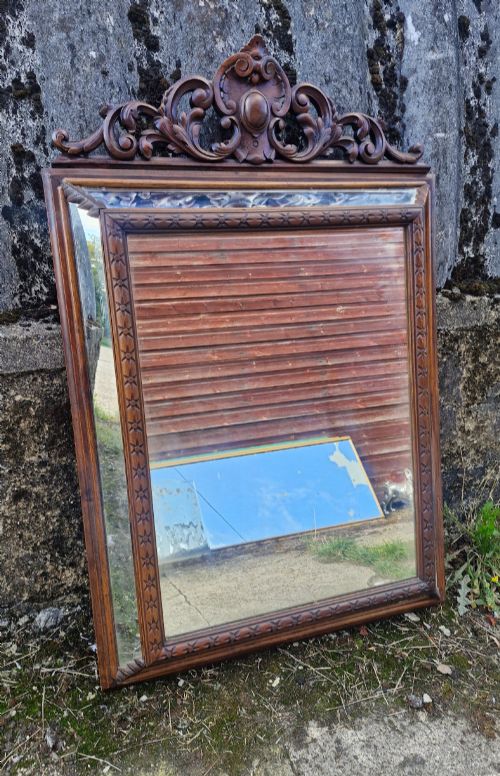
Carved wood provides the structural foundation for these heavy frames, utilising timbers such as oak, walnut, mahogany, and pine. Artisans frequently applied layers of gesso over the wooden base to build up intricate relief details like laurel leaves, rope twists, and columns.
Gold leaf and liquid gilding were then meticulously applied to the gesso surfaces, creating the luminous metallic finishes seen across nineteenth-century and earlier examples. Silver or mercury glass plates were fitted into the rabbet, often featuring hand-beveled edges or showing age-related foxing.
Listings feature periods spanning from the eighteenth century through the Edwardian era, incorporating materials like oak, walnut, giltwood, and gesso.
What varies in quality
The depth and crispness of the carved wood and gesso ornamentation distinguish exceptional examples from standard production. Sharply defined rope twists, columns, and floral motifs indicate superior artisan skill during the manufacturing process.
The preservation of original materials, particularly antique mercury glass and untouched gold leaf surfaces, elevates a piece's integrity. Secondary quality markers include the stability of the heavy wooden carcass and whether the original backingboards remain intact.
The Framed Mantle Mirror Glossary
- Overmantel
- A large mirror specifically designed to be hung on the wall directly above a fireplace mantelpiece. These pieces often feature horizontal or arched formats tailored to room proportions.
- Gesso
- A plaster-like mixture applied to wood frames and carved into decorative relief patterns before gilding. It allows for crisp ornamental detailing around the mirror glass.
- Foxing
- The natural age-related oxidation and spotting that occurs on antique mirror plates over decades. This chemical reaction creates mottled dark patches behind the glass.
- Parcel Gilt
- A decorative technique where portions of a wooden frame are left exposed while other areas are highlighted with gold leaf. This creates a balanced contrast between natural timber grain and metallic sheen.
- Rope Twist
- A carved wooden moulding shaped to resemble a twisted rope, frequently used on nineteenth-century mirror frames. It adds textural depth to the border of the glass.
Framed Mantle Mirror: Frequently Asked Questions
How do I hang a heavy overmantel mirror?
These substantial frames require secure fixings anchored directly into structural wall studs or masonry to support the significant weight safely. Professional installation is strongly recommended due to the combination of dense wood, gesso, and thick glass.
Hardware should match the hanging points on the specific frame, ensuring the weight distributes evenly across the wall brackets rather than relying on decorative mouldings.
What is the difference between an overmantel and a pier mirror?
An overmantel mirror is traditionally wider or proportioned specifically to sit horizontally above a fireplace mantel. A pier mirror is typically taller and narrower, designed to hang on the wall space between two windows.
Both forms utilise similar decorative techniques like carved wood, gesso, and gilt finishes, but their original architectural placements dictated their dimensions.
How should I clean antique mirror glass?
Use a soft, dry microfibre cloth to gently remove dust from the glass surface and the surrounding gilded frame. Avoid spraying liquid directly onto the glass or gesso, as moisture can seep behind aged bevels or damage fragile gold leaf.
If cleaning fluid is necessary, apply a minimal amount to the cloth rather than the mirror itself to protect original mercury backing and foxed areas.
How do I date an antique mantle mirror?
Examine the construction methods of the wooden carcass, the formulation of the gesso, and the characteristics of the glass plate. Eighteenth-century pieces frequently feature walnut or mahogany with parcel gilt details, while Victorian examples often showcase heavy moulded gesso and arched tops.
Original backing boards, hand-beveled edges, and foxed mercury glass provide further clues to a piece's specific period of manufacture.